Whether Lafayette Sent Basset Hounds to America
It’s a truly charming thought, isn't it? The idea that the Marquis de Lafayette, a hero of two nations, might have personally carried a pair of those floppy-eared, deep-chested, scent-driven dogs across the Atlantic, effectively planting the seeds for the Basset Hound breed in America. It’s a story that appeals to our sense of history and romance, but like many beloved tales, the reality is a little more complex and, dare I say, slightly less direct than legend suggests. This guide will dive into the popular myth, explore Lafayette's actual historical journey, and then trace the true, fascinating path of how Basset Hounds genuinely came to grace American soil.
The Enduring Legend of Lafayette and the Basset Hound
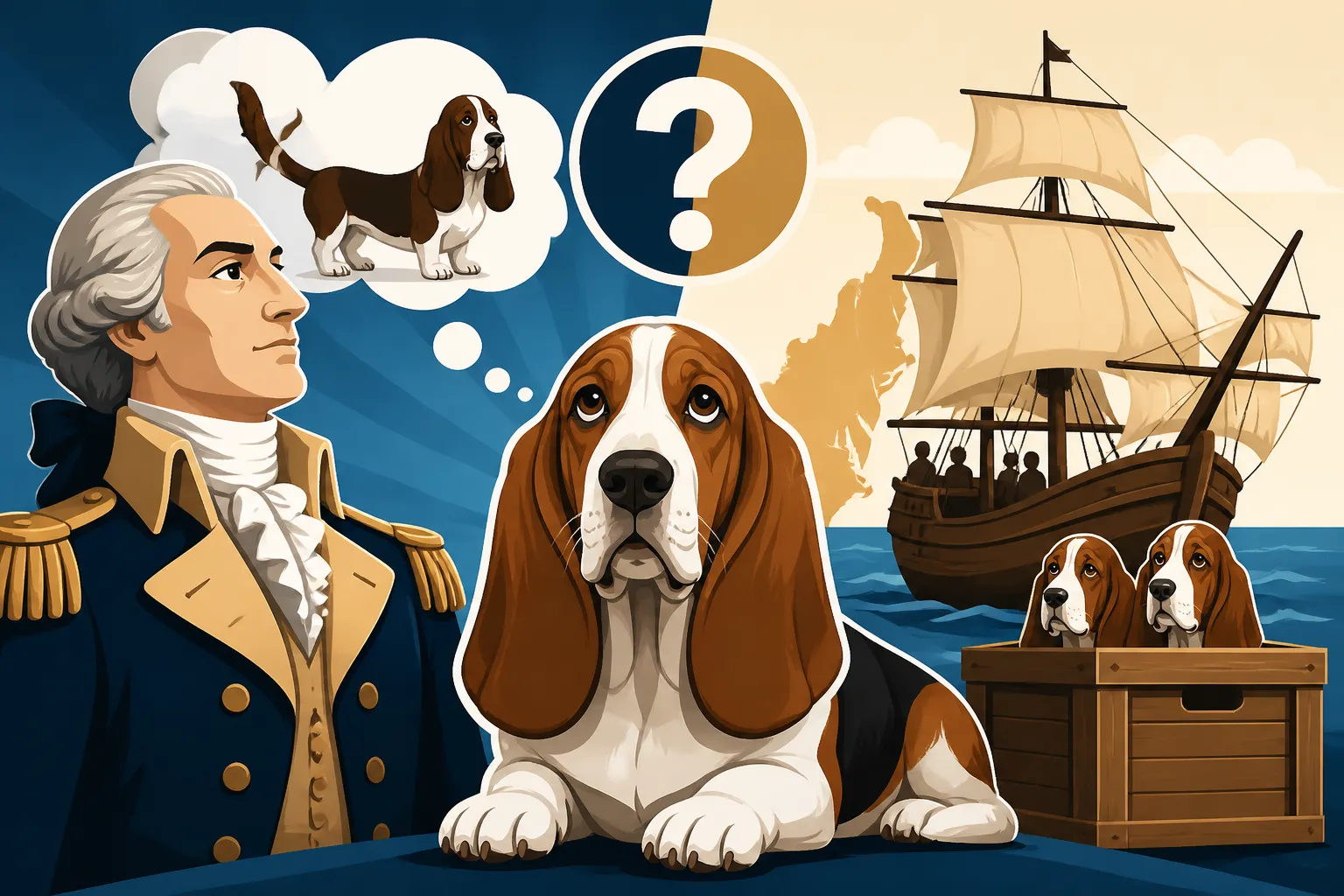
For many years, and even today in some circles, the story circulates that the Marquis de Lafayette gifted Basset Hounds to George Washington after the American Revolutionary War. It's a delightful image: two great historical figures, cemented by friendship, exchanging an enduring symbol of French heritage. This narrative paints a picture of a direct, almost foundational introduction of the breed to the burgeoning United States.
The Romantic Narrative
There’s something inherently appealing about linking a beloved dog breed to a historical figure as revered as Lafayette. It imbues the breed with a sense of noble lineage and a romantic connection to the foundational years of America. People love a good story, and this one has all the right ingredients: international friendship, post-war camaraderie, and the charming visual of a unique dog breed. It gives the Basset Hound a distinguished, almost aristocratic origin in the American consciousness, elevating it beyond just another hunting dog. For many, it makes the Basset Hound feel like a living piece of history, an echo of a bygone era when grand gestures and international diplomacy shaped the world. This narrative often gets passed down through generations of dog lovers, becoming a cherished, if unverified, part of the breed's lore.
Lafayette's Actual Contributions to American-French Relations
While the idea of Lafayette arriving with Basset Hounds is a lovely thought, his historical contributions to American-French relations, though profound, didn't involve canine diplomacy. Marie-Joseph Paul Yves Roch Gilbert du Motier, Marquis de Lafayette, was a key figure in the American Revolution, offering his military expertise and personal fortune to the American cause. He served with distinction under George Washington, becoming a trusted general and a symbol of French support for American independence. His visits to America were primarily for military and political purposes, reinforcing the alliance between the two nations. He was a champion of liberty, both in America and later in his native France, and his efforts undoubtedly strengthened the bonds between the countries. However, historical records of his numerous voyages and exchanges with American leaders, particularly Washington, focus on military strategy, political philosophy, and diplomatic gifts of a different nature—usually more symbolic or related to agricultural practices rather than specific dog breeds. Lafayette's legacy is immense, but it's built on strategic alliances, military leadership, and shared ideals of freedom, not on importing specific dog breeds.
Tracing the Basset Hound's True Journey to America
So, if Lafayette didn't bring them, how did these wonderfully distinctive hounds eventually find their way to American homes and hunting fields? The truth is a more gradual process, involving dedicated breeders and enthusiasts later in the 19th century. The Basset Hound's arrival was less a singular event and more a slow, intentional introduction driven by a growing appreciation for its unique hunting abilities.
Early European Basset Hounds and Their Purpose
To understand the Basset Hound's journey to America, we first have to look at its European roots. The breed originated in France, specifically developed by monks in the Ardennes region and later popularized by French aristocrats. The word "basset" itself is French for "low," a clear indicator of the breed's most defining physical characteristic: its short legs. These dogs were not bred for speed, but for their incredible scenting ability and their low-to-the-ground stature. They were designed to track small game, like rabbits and hares, through dense underbrush at a pace that hunters on foot could easily follow. This made them ideal for hunting when horses were not used or for navigating difficult terrain. Why French Hunters Wanted a Slow Hound really highlights this crucial aspect of their development. Their long, pendulous ears, which some believe help to sweep scent particles towards their powerful noses, and their loose skin and deep flews, further aided their scenting prowess. The goal was a dog that could meticulously follow a trail, allowing hunters to keep up and secure their quarry. You can learn more about Where the First Basset Hounds Came From to delve into these fascinating origins.
The Arrival of Basset Hounds in the United States
The Basset Hound truly began making its mark in America much later than Lafayette's time. The first recorded importations of Basset Hounds to the United States occurred in the late 1800s. A notable early importer was George B. Maclellan, who brought a pair of Basset Hounds named Nemours and Bouncing Lass from England to his home in Alexandria, New Hampshire, in 1883. These dogs, and others imported around the same time, were primarily brought over by hunters and dog fanciers who admired their exceptional scenting abilities and unique appearance. They weren't just novelty dogs; they were valued for their practical skills in the field, much like their European counterparts. It was a gradual process, with a handful of dedicated individuals laying the groundwork for the breed's establishment rather than a single, high-profile presentation. By the end of the 19th century, enough Basset Hounds had been imported and bred that the American Kennel Club officially recognized the breed in 1885, signifying its formal acceptance into the American dog world. This period marked the true beginning of the Basset Hound's presence and development within the United States. When the Basset Hound Reached America provides more detail on this pivotal time.
Why the Lafayette Myth Persists
It’s completely understandable why the myth connecting Lafayette to the Basset Hound has such staying power. The story is just so much more evocative than the reality of gradual importation by various individuals over decades. Our minds often seek to simplify complex histories, especially when a charming narrative is readily available.
The Allure of a Historical Figure
Attaching a dog breed to a famous historical figure like Lafayette instantly gives it a sense of gravitas, importance, and a romantic backstory. It's far more compelling to imagine a beloved hero gifting these unique dogs than to trace their lineage through obscure breeders and shipping manifests. Lafayette represents an era of grand ideals and heroic actions, and linking the Basset Hound to him elevates the breed beyond mere practicality. It transforms its arrival into a significant historical event, not just a biological importation. This kind of anecdotal history is easily shared and remembered, even if it lacks definitive proof. It's a way for people to feel a closer connection to both the past and their pets, merging two passions into a single, heartwarming tale. The story might not be factual, but its emotional resonance is undeniable, making it difficult to dislodge from popular imagination.
Confusion with Other French Breeds
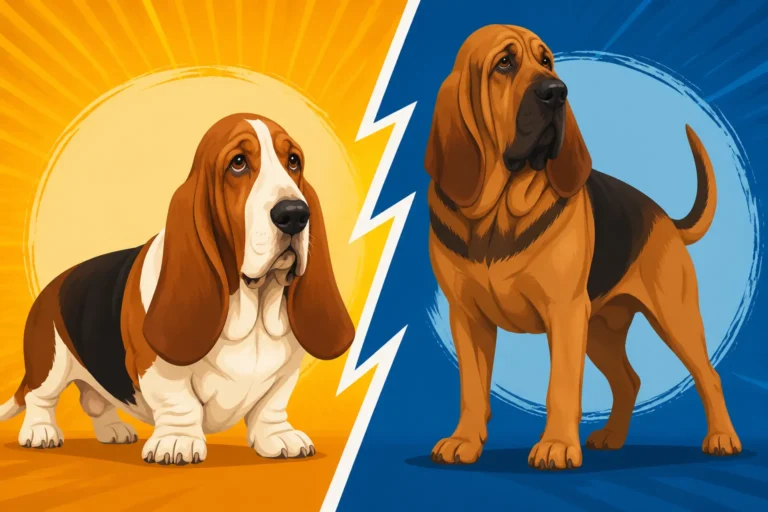
Another reason the Lafayette myth might persist is a general confusion or conflation with other French breeds, particularly scent hounds, that may have had earlier or more direct ties to early American figures. For instance, the Saint Hubert Hound, an ancient breed often considered an ancestor of many modern hounds, including the Bloodhound, has a very long and storied history that predates the Basset Hound as we know it. There are often discussions about the origins of various hunting breeds and their spread across continents. While the specific details might blur over time, the general idea of French hunting dogs being brought to America by early settlers or influential figures isn't entirely far-fetched, just perhaps misattributed to the Basset Hound and Lafayette specifically. Whether the Saint Hubert Hound Still Exists explores this fascinating ancestral line, and Whether the Bloodhound Came From the Same Abbey delves into the close historical ties of these formidable scent dogs. The sheer variety of French hounds and their historical importance in hunting can easily lead to a mix-up in the public's perception of exactly which breed arrived when and with whom.
Understanding the Basset Hound's Historical Significance (Beyond Lafayette)
Even without the direct involvement of Lafayette, the Basset Hound boasts a rich and fascinating history that speaks volumes about its purpose and enduring appeal. Its origins are deeply rooted in the practical needs of hunters, and its unique physical traits were specifically cultivated to excel in a very particular role.
The Breed's Original Role and Traits
The Basset Hound’s entire design is a testament to its original purpose: to be an unparalleled scent-tracking machine. Imagine a hunter on foot, needing a dog that could follow a cold trail through dense forest, never losing focus, and moving at a pace that didn't outstrip human endurance. That's the Basset Hound. Its extraordinarily long ears, often reaching twelve inches or more, aren't just for show; they're thought to help sweep ground scent upwards towards its nose, enhancing its olfactory input. Whether a Basset Hound's Ears Stir Scent Toward Its Nose goes into more detail on this interesting theory. Their loose skin, particularly the dewlap around their neck, might also serve to trap scent molecules, keeping them closer to the nose. And that nose! It's second only to the Bloodhound in terms of scenting capability. The Nose That Puts a Basset Hound Second to a Bloodhound highlights this remarkable ability. These physical characteristics, combined with a dogged determination to follow a scent, made them perfectly suited for their role. It’s a marvel of selective breeding, where every feature serves a distinct, practical function in the hunt.
Modern Basset Hounds and Their Legacy
Today, the Basset Hound is cherished not just for its historical hunting prowess, but also for its wonderfully affectionate and comical personality. While some Basset Hounds still participate in tracking and scent work, many are beloved family companions. Their gentle nature, patience with children, and generally placid demeanor make them excellent household pets, provided their owners are prepared for their unique quirks – and their unwavering devotion to following their nose! The same traits that made them exceptional hunters – their powerful sense of smell, their endurance, and their focused determination – now translate into a dog that loves a good sniffari walk, enjoys puzzling out scent games, and can be remarkably persistent when they decide something smells interesting. Their low-slung body, soulful eyes, and mournful bay are iconic, instantly recognizable, and beloved worldwide. They carry forward the legacy of The Abbey Hounds a Basset Hound Descends From, a testament to centuries of breeding for a specific purpose, now enjoyed by families across the globe.
Here's a quick comparison of the myth versus the historical facts regarding the Basset Hound's introduction to America:
| Aspect | The Lafayette Myth | Historical Reality |
|---|---|---|
| Key Figures | Marquis de Lafayette, George Washington | George B. Maclellan, other anonymous breeders/importers |
| Timing | Late 18th century (post-Revolutionary War) | Late 19th century (circa 1880s) |
| Method of Introduction | Direct gift from Lafayette to Washington | Gradual importation by individuals from England/France for hunting and breeding |
| Primary Motivation | Diplomatic gift, symbol of friendship | Appreciation for hunting abilities, desire to establish the breed in America |
| Historical Evidence | Anecdotal, part of popular folklore | Documented import records, kennel club registrations, breed histories |
Disclaimer
This article is for general informational purposes only and does not constitute professional advice. Laws, prices and regulations vary by location and change over time. Consult a qualified professional for guidance on your specific situation.