Whether the French Revolution Changed the Basset Hound
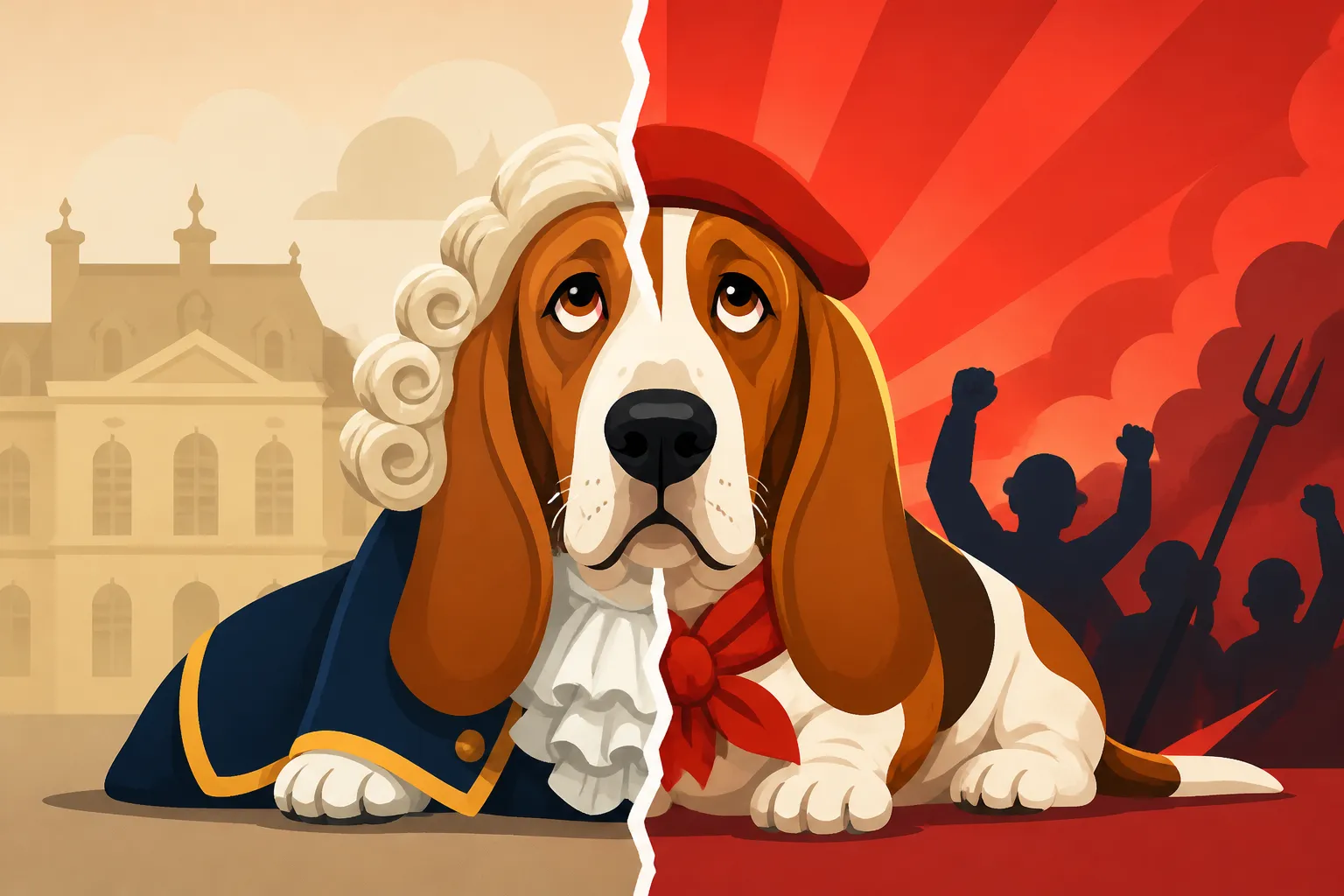
The idea that the French Revolution might have left its paw prints on a beloved dog breed like the Basset Hound is a fascinating thought, one that often pops into the minds of us dog lovers who enjoy history. You see, when society gets turned upside down, everything shifts, and that includes the fortunes of the animals tied to human lives. It's not just about kings losing their heads; it's about centuries of breeding and tradition potentially being swept away. This guide will explore whether the tumultuous period of the French Revolution truly changed the Basset Hound, or if these steadfast hounds simply trotted through the chaos relatively untouched.
The Historical Roots of the Basset Hound Before the Revolution
Before the cries of "Liberté, égalité, fraternité!" echoed through France, the Basset Hound, or its ancient ancestors, were already a fixture in certain parts of French society. Their story isn't one of sudden appearance but of slow, deliberate development, intrinsically linked to the noble pursuit of hunting and the spiritual life of the monasteries. Understanding this pre-revolutionary landscape is key to grasping any potential changes the upheaval might have brought.
The Noble Origins and Saint Hubert Hounds
Long before the French Revolution, the concept of a "Basset" type hound was already taking shape. These dogs were developed primarily in monasteries, particularly the famed Abbey of Saint Hubert in the Ardennes region. Here, monks, with a dedication bordering on obsession, cultivated hounds known for their exceptional scenting abilities. These were The Abbey Hounds a Basset Hound Descends From, dogs that laid the foundational genetic blueprint for many European scent hounds, including our Basset.
The Saint Hubert Hounds, often black and tan, were renowned for their methodical tracking skills rather than speed. They were bred to hunt deer and wild boar at a pace that could be followed on foot, making them ideal companions for monks and early noblemen who preferred a slower, more deliberate chase. This was a far cry from the galloping pursuits of horse-mounted hunters; these hounds were valued for their nose and their endurance, leading the hunter through dense undergrowth with an unwavering focus on the scent.
The breeding programs were often quite formal for their time, maintained by the religious orders who possessed the knowledge and resources to cultivate specific traits over generations. The goal was consistency in scenting ability, stamina, and a temperament suited to working in a pack. The physical characteristics that make Basset Hounds so distinctive today – the long, heavy ears, the deep muzzle, the loose skin, and the short, powerful legs – were all emerging, deliberately selected to enhance their ground-scenting prowess. The very word "Basset" itself, deriving from the French word "bas" meaning "low," describes their characteristic low-slung build, perfect for keeping their noses to the ground. What Bas Means in French highlights this descriptive origin.
Early Basset Types and Regional Variations
France, being a large and diverse country, saw the development of various "basset" types, each often named after its region of origin or the specific game it was bred to pursue. These weren't necessarily distinct breeds as we understand them today, but rather local populations of short-legged hounds adapted to particular terrains and hunting styles. Think of it as a spectrum of low-riders, all sharing common ancestry but with slight variations.
Some early types included the Basset d'Artois, the Basset Artésien Normand, and the Basset Bleu de Gascogne, among others. Each of these had subtle differences in appearance, ear length, coat type, and preferred prey, but all shared that characteristic short leg and exceptional nose. The key commonality was their purpose: to track game slowly, allowing hunters on foot to keep up. Why French Hunters Wanted a Slow Hound perfectly explains this practical need that shaped the breed's very existence.
These regional variations weren't just random occurrences; they were a testament to selective breeding within specific local environments. A hunter in the rocky hills of Normandy might favor a slightly more robust build, while someone in the marshier regions might appreciate a slightly different coat texture. This mosaic of "basset" types illustrates a rich tapestry of canine development, all flourishing under the relatively stable, albeit aristocratic, societal structure that existed before the revolution.
How the French Revolution Shook Up Society and Canine Breeds
The French Revolution was a cataclysmic event, not just for the monarchy, but for every layer of French society, including its animals. The upheaval wasn't merely a change of government; it was a fundamental reordering of power, wealth, and social norms. For highly specialized dog breeds, particularly those intrinsically tied to the aristocracy, this period presented immense challenges and, for some, even the brink of extinction.
The Dispersal of Nobility and Estates
One of the most immediate and profound impacts of the revolution was the dramatic dismantling of the feudal system and the subsequent flight or execution of much of the French nobility. These aristocrats were the primary patrons and keepers of many specialized hunting breeds, including the Basset Hound's ancestors. With their estates confiscated, their wealth stripped, and their lives often in peril, the elaborate kennels and meticulously maintained breeding programs often simply ceased to exist.
Imagine a grand estate, home to a pack of these long-eared, low-slung hounds, carefully bred for generations. Suddenly, the owner is gone, the staff dispersed, and the very concept of aristocratic hunting is denounced as a symbol of the old regime. What happens to the dogs? Many would have been abandoned, left to fend for themselves, or perhaps dispersed to servants or local farmers who might not have the knowledge or resources to maintain pure breeding lines. This period saw a significant break in the continuity of many kennel lines, pushing various breeds into a state of flux.
The loss of noble patronage meant not only a lack of funds for breeding but also a loss of the institutional knowledge accumulated over centuries. The careful selection, record-keeping, and strategic pairings that defined aristocratic dog breeding vanished almost overnight. This left many breeds vulnerable, their future uncertain in a world that had suddenly decided to behead its past.
The Impact on Hunting Practices and Ownership
Prior to the revolution, hunting was largely the exclusive domain of the aristocracy. Laws severely restricted commoners from hunting game, and specialized hounds were a clear symbol of status and privilege. The revolution changed all of that. Hunting rights were democratized, at least in theory, opening the activity to a broader segment of the population.
This shift meant that the demand for hunting dogs changed. While the aristocracy might have valued highly specialized, sometimes even extravagant, breeds, the new class of hunters – farmers, small landowners, and tradesmen – needed practical, efficient dogs that could help put food on the table or control vermin, without the need for vast estates or dedicated kennel staff. They likely didn't have the luxury of maintaining a purebred line for aesthetic or prestige purposes.
For breeds like the Basset Hound, whose ancestors were known for their practical hunting utility, this might have been both a challenge and an opportunity. While the formal breeding programs collapsed, the underlying utility of a dog with an unparalleled nose remained. The focus shifted from aristocratic leisure to more pragmatic, subsistence-level hunting, or simply keeping game off crops. Dogs that could adapt to this new reality had a better chance of survival, even if their lineage became more diffuse.
Tracing the Basset Hound's Fate Through the Tumultuous Years
Given the chaos of the French Revolution, it’s fair to wonder how any dog breed, let alone one so deeply intertwined with the old aristocracy, managed to survive. The period was marked by immense social upheaval, mass migration, and a complete reordering of daily life. For the Basset Hound's ancestors, survival meant adapting to a new world where their former patrons were no longer in power, and their purpose had to evolve.
Survival and Adaptation in a New Era
While many aristocratic breeds undoubtedly suffered, the Basset Hound, or at least the "basset" type, possessed a crucial advantage: their inherent utility. These were not simply ornamental dogs; they were highly effective scent hounds. Their ability to track game on foot, slowly but surely, meant they remained valuable even to common folk who now had access to hunting lands. Whether the Saint Hubert Hound Still Exists today is a testament to the endurance of these ancient lines.
Instead of being kept in grand kennels, many Basset-type hounds likely found homes with farmers, villagers, and less affluent hunters who valued their skills for finding rabbits, hares, or even helping with tracking livestock. This dispersal, while fragmenting official breeding records, paradoxically helped to spread the genetic stock more widely across the country. Individual dogs, once confined to noble estates, now mingled with local populations, perhaps even crossbreeding with other local hounds, ensuring the survival of their core traits.
The breed's resilience during this period speaks volumes about its fundamental usefulness. While the fancy trappings of pedigree breeding were temporarily set aside, the practical purpose of a low-slung, keen-nosed hound remained. They adapted, much like the people themselves, finding new roles in a dramatically altered society. This period of unofficial breeding and natural selection may have even strengthened certain traits, favoring robust, adaptable individuals over those bred purely for show or aristocratic preference.
The Role of Common Hunters and Farmers
With hunting democratized, the common hunter and farmer became the new custodians of these hounds. Unlike the aristocracy, who might have prized specific aesthetics or exaggerated features, these new owners would have prioritized working ability above all else. A dog that could reliably track scent, possessed good stamina for a day's work, and had a manageable temperament would have been valued.
The selection pressures would have shifted. While aristocratic breeders might have focused on maintaining certain 'lines' or conforming to nascent breed standards, the practical owners would have focused on performance. A dog that was a good hunter and a relatively easy keeper would have been bred, regardless of formal papers or intricate pedigrees. This could have led to a broader genetic pool, as different "basset" types might have intermingled more freely than they would have in isolated noble kennels.
For these new owners, a Basset Hound wasn't a luxury; it was a tool, a partner in the daily struggle for sustenance. Its deep bay, perfect for signaling a trail, and its unyielding focus on scent were invaluable assets. This practical valuation ensured that despite the collapse of the old order, the essential qualities of the Basset Hound persisted, carried forward by the very people who had once been excluded from owning such dogs.
Post-Revolutionary Re-establishment and Standardization Efforts
It wasn't until well after the revolutionary dust settled, primarily in the mid-to-late 19th century, that serious efforts to re-establish and standardize dog breeds began in earnest. As France regained stability, interest in formalized breeding and dog shows emerged, often inspired by similar movements in Britain. This is when the Basset Hound as we recognize it today truly began to take its distinct form.
Breeders, often working with the surviving populations of Basset-type hounds, started to consolidate traits and establish written standards. This meant gathering dogs from various regional lines and selectively breeding them to create a consistent appearance and temperament. The French Basset Hound Club was eventually founded, solidifying the breed's future and guiding its development.
This post-revolutionary period was crucial. It wasn't the revolution itself that created the Basset Hound, but the subsequent stability that allowed for its formalization. The breed's ability to survive the intervening chaos meant there was enough genetic material for dedicated individuals to pick up the pieces and shape it into the beloved hound we know. The influence of French Revolution on its identity was less about direct genetic alteration and more about the societal upheaval that cleared the way for a new phase of breed development. The journey of the Basset Hound across the Atlantic and its recognition, such as The Year the AKC Recognized the Basset Hound, speaks to this renewed interest and formalization.
Direct Influence and Lasting Legacy of the Revolution on the Basset Hound
So, did the French Revolution fundamentally change the Basset Hound? It's a complex question, but the answer leans towards "indirectly, through societal shifts" rather than "directly, through selective breeding during the chaos." The revolution didn't invent the Basset Hound, nor did it directly alter its genetic makeup in a specific direction, but it certainly reshaped the environment in which the breed existed.
Did the Revolution Directly Change the Breed's Physicality or Temperament?
It's highly unlikely that the revolutionary period itself led to any significant, deliberate changes in the Basset Hound's physical characteristics or core temperament. The sheer turmoil and lack of structured breeding programs during that time would have made such directed evolution impossible. There wasn't a "revolutionary breeding agenda" for hounds.
What probably happened was a period of less stringent selection. Dogs that were robust, adaptable, and good at their job (hunting) would have naturally passed on their genes. Any changes that occurred would have been more a matter of natural selection within a fragmented and utilitarian context, rather than targeted breeding for new traits. The Basset's defining features – its incredible nose, short legs, long ears, and deep bay – were already well-established traits honed over centuries. These were the very qualities that made them valuable and ensured their survival, irrespective of who owned them.
Perhaps the biggest "change" was a temporary halt in the pursuit of extreme or refined characteristics that might have been favored by the aristocracy. The focus shifted back to raw, practical working ability. But these foundational traits, How Good a Basset Hound's Nose Actually Is for instance, were too ingrained and too useful to simply disappear.
The Shift in Ownership and Breeding Focus
The most profound impact of the revolution on the Basset Hound was arguably the shift in who owned them and why. Before the revolution, they were largely the preserve of the nobility and the clergy. Afterward, they became more accessible to the burgeoning middle class and ordinary citizens who wished to hunt. This demographic change had a ripple effect on breeding.
Instead of being bred exclusively in isolated, aristocratic kennels for a specific, often ritualized, hunting style, they were now being kept and bred by a wider array of people with more diverse needs. This broadened genetic base and dispersed ownership ultimately contributed to the breed's robustness and allowed it to flourish once more stable breeding practices could be re-established in the 19th century.
It was this dispersal, this democratisation of a noble breed, that laid the groundwork for its later formal recognition and spread both within France and beyond. When the Basset Hound Reached Britain and eventually the rest of the world is a testament to the fact that its core appeal was not tied to one social class, but to its inherent charm and working ability.
The Enduring Traits and the Modern Basset
Ultimately, the Basset Hound we know today carries the legacy of its pre-revolutionary ancestors, tempered by the crucible of history. The French Revolution didn't fundamentally redesign the Basset Hound, but it certainly tested its resilience and adaptability. The breed's enduring traits—its unparalleled scenting ability, distinctive appearance, and generally placid disposition—are a testament to the strength of its foundational breeding.
The period following the revolution, when efforts were made to standardize and refine the breed, built upon the surviving stock that had proven itself capable of weathering societal storms. It's a beautiful thought that the very characteristics that made them indispensable to medieval monks and French noblemen were robust enough to carry them through one of history's most turbulent periods, emerging on the other side ready to charm generations of new owners. From the fields of France to our living rooms, the Basset Hound remains a proud and distinct breed.
Here's a quick look at how the Basset Hound's situation changed:
| Aspect | Before French Revolution (Pre-1789) | After French Revolution (Post-1789) |
|---|---|---|
| Primary Owners | Nobility, Clergy (e.g., Saint Hubert Abbey) | Broader populace, common hunters, farmers |
| Breeding Control | Highly controlled, often within estates/abbeys | Dispersed, informal, utilitarian-focused |
| Hunting Status | Exclusive privilege of aristocracy | Democratized, accessible to more people |
| Purpose | Scenting game (deer, boar) for noble hunts | Scenting game (rabbits, hares), practical use |
| Documentation/Records | Often detailed by monasteries/noble houses | Largely lost or fragmented during chaos |
| Breed Standardization | Incipient, regional "basset" types | Halt during revolution, re-established mid-19th century |
Disclaimer
This article is for general informational purposes only and does not constitute professional advice. Laws, prices and regulations vary by location and change over time. Consult a qualified professional for guidance on your specific situation.