Whether Queen Alexandra Kept Basset Hounds
It's a fascinating thing to wonder about the historical ties between royalty and our beloved dog breeds. So often, we see images of queens and kings with their regal poodles or spirited terriers, and it begs the question: did our charming, long-eared Basset Hounds ever find their way into such illustrious company? This guide is here to unravel the truth behind the popular notion of Queen Alexandra's connection to the Basset Hound, exploring the breed's journey to prominence and the impact of royal endorsement.
The Royal Fascination with Hounds
Throughout history, royalty has held a special affection for dogs, not just as pets, but as symbols of status, hunting companions, and even political statements. The grandeur of a monarch often extended to the magnificent animals that accompanied them, and hounds, with their noble bearing and hunting prowess, were frequently among the most favored.
A Legacy of Canine Companionship in Monarchy
From ancient Egyptian pharaohs with their sleek greyhounds to medieval European kings with their formidable wolfhounds, dogs have always been integral to royal life. They were present in the grand halls, accompanied monarchs on hunts, and even lay at their feet in official portraits. Beyond mere companionship, these dogs often served practical purposes, assisting in the hunt for game that would feed the royal household or demonstrate the ruler's dominion over the land. The choice of breed could reflect the era's fashions, the monarch's personal preferences, or even the dog's suitability for specific royal activities. This deep-rooted connection ensured that certain breeds gained immense prestige and popularity simply by being associated with the crown.
The British Royal Family and Their Dogs
The British monarchy, in particular, has a well-documented and enduring love affair with canines. Queen Victoria was famously devoted to her dogs, popularizing breeds like the Skye Terrier and the Cavalier King Charles Spaniel. Her son, Edward VII, and his wife, Queen Alexandra, continued this tradition. They were known for their passion for dogs, and their kennels housed a variety of breeds, from small lapdogs to larger hunting companions. This royal patronage wasn't just a private hobby; it had a tangible effect on breed development and public perception. When a royal favored a particular breed, it often saw a surge in popularity among the aristocracy and the general public, elevating its status and sometimes even influencing breeding trends. People would flock to acquire the same type of dog they saw accompanying their monarch.
Queen Alexandra and Her Basset Hounds
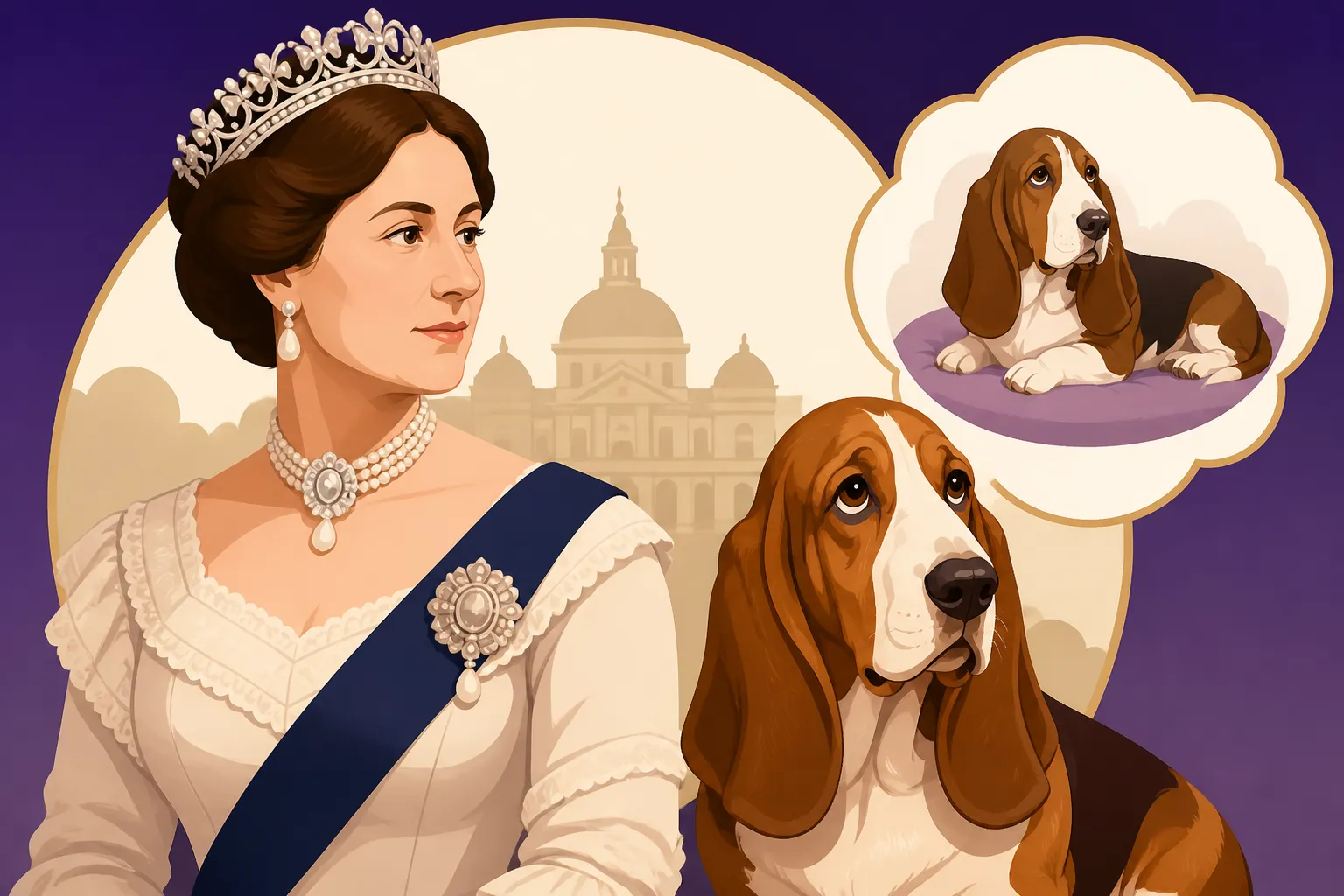
So, did the distinctive Basset Hound, with its soulful eyes and magnificent ears, capture the heart of Queen Alexandra? This is a question that often comes up among Basset enthusiasts, given the breed's unique charm and the Queen's known love for dogs. It's a delightful thought, picturing one of these wonderfully low-slung hounds trotting alongside a queen!
Unpacking the Historical Records
When we delve into historical accounts and photographic archives, a clear picture emerges regarding Queen Alexandra's canine companions. While she was indeed a passionate dog lover, her affections were primarily directed towards other breeds. Her most famous and beloved dog was a little wire-haired terrier named Jack, who was reportedly inseparable from her. She also had a soft spot for Borzoi, those elegant Russian wolfhounds, and even had a Pekinese. She was known to keep a variety of dogs, reflecting her broad appreciation for different breeds. However, extensive research into photographs, memoirs, and official records of her private kennels does not reveal any direct evidence or widely accepted accounts of her owning Basset Hounds.
While it's tempting to connect such a distinctive breed with a prominent historical figure, the evidence just isn't there for Queen Alexandra and Basset Hounds. This doesn't mean she wouldn't have admired them; it simply indicates they weren't among her personal collection of pets. It's easy for such stories to become part of a breed's lore over time, but it's important to differentiate between charming anecdotes and documented historical fact. The breed certainly was making its way into Britain during her lifetime, but it appears to have gained its foothold through other enthusiastic breeders and owners, rather than direct royal patronage.
The Specific Hounds in Her Life
As mentioned, Queen Alexandra’s most celebrated dog was Jack, the terrier, who even had his own portrait painted and was known to accompany her everywhere. She also had a significant collection of other dogs, often receiving them as gifts or acquiring them from prominent kennels. The Borzoi were particularly favored by her, embodying a certain regal elegance that appealed to the era's sensibilities. These were often large, impressive hounds, certainly "hounds" in the traditional sense, but distinctly different from the Basset.
The absence of Basset Hounds in her known collection is not a slight on the breed. It simply highlights that even passionate dog lovers have their particular preferences. Her patronage helped solidify the popularity of the breeds she did keep, leaving a lasting legacy for them in British dog culture. The fact remains that while the Basset Hound was gaining recognition during her reign, it wasn't through her direct ownership. The Year Basset Hounds Were Shown in Britain around the turn of the century certainly put them in the public eye, but not necessarily the royal one.
The Basset Hound's Rise to Prominence
Even without a direct royal connection from Queen Alexandra, the Basset Hound managed to carve out a significant place for itself in the hearts of dog lovers worldwide. Its journey from a specialized hunting dog in France to a beloved companion animal is a testament to its unique characteristics and undeniable charm.
From French Fields to British Estates
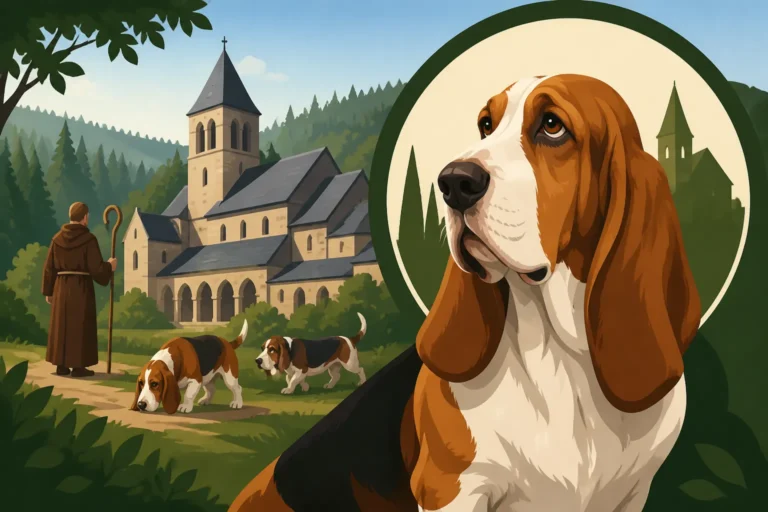
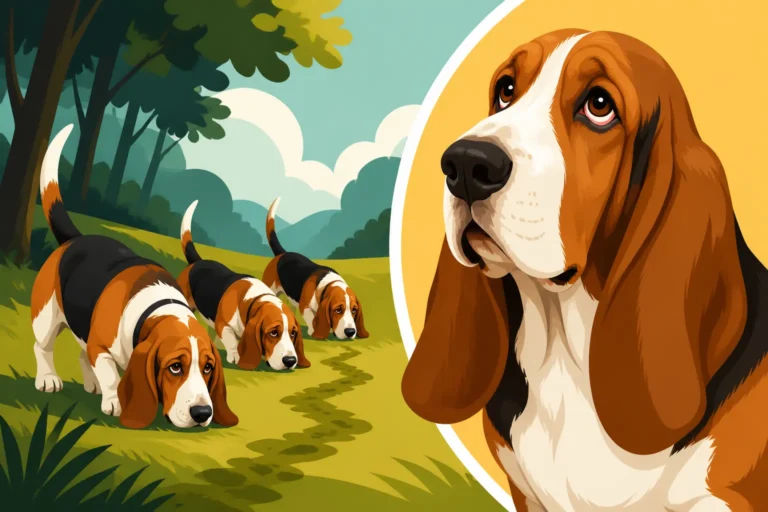
The origins of the Basset Hound are deeply rooted in France, where "Basset" literally means "low" in French, a perfect descriptor for their distinctive short stature. Why the Word Basset Just Means Low refers directly to their ground-hugging build, which was intentionally bred. These dogs were developed by French monks, notably at the Abbey of St. Hubert, centuries ago. The Abbey Hounds a Basset Hound Descends From were prized for their exceptional scenting abilities and their slow, methodical pace, which allowed hunters on foot to follow them easily through dense undergrowth. Unlike faster hounds that might outrun their human companions, the Basset was designed to be easily followed, making it ideal for hunting small game like rabbits and hares.
The breed made its way to Britain in the mid-19th century, with some of the earliest imports arriving around the 1860s. Enthusiastic breeders and sportsmen quickly recognized their unique qualities, both as scent hounds and as charming companions. By the late 19th century, Basset Hounds were established enough to be shown in dog competitions, gradually gaining a following among the gentry and dog fanciers. Their distinctive appearance and gentle temperament began to capture public imagination, leading to a steady increase in their popularity. Early adopters in Britain were often those who appreciated their hunting lineage but also found joy in their calm demeanor at home.
How Royal Endorsement Influenced Breed Popularity
While Queen Alexandra herself didn't keep Basset Hounds, the impact of royal endorsement on breed popularity in general cannot be overstated. When a monarch or a high-ranking royal family member is seen with a particular breed, it instantly elevates that breed's status. It gives the "royal seal of approval," often leading to a surge in demand and a significant increase in prices for puppies of that breed. This phenomenon has been observed repeatedly throughout history with various breeds across different monarchies. For example, Queen Elizabeth II's lifelong devotion to Corgis undoubtedly played a huge role in their enduring popularity.
For the Basset Hound, its rise to prominence in Britain, and later in America, came more from its unique appeal and the dedication of passionate breeders and owners. Figures like Everett Millais, son of the famous painter Sir John Millais, were instrumental in popularizing the breed in Britain. He exhibited his Bassets and championed their cause, helping them gain recognition and respect within the dog community. The breed's distinctive looks—those incredibly long, velvety ears The Twelve Inch Ears a Basset Hound Was Given on Purpose and melancholic expression—along with their surprisingly sturdy build and gentle nature, ensured they found their own loyal following. Even without a direct royal patron, the Basset Hound carved out a niche that has lasted generations. Today, Basset Hound owners often find that finding the right food or accessories for their distinctive breed is easier than ever, with retailers like Chewy offering a wide array of specialized products, from slow feeders to orthopedic beds designed for their long backs.
Historical Popularity of Basset Hounds
To illustrate the Basset Hound's journey, let's consider the general progression of breed recognition and public interest.
| Era | Public Profile | Key Factors Influencing Popularity | Royal Patronage (General) |
|---|---|---|---|
| Pre-19th Century | Limited to specific hunting circles in France | Utility as a slow, scent-driven hunting dog, bred by monasteries | Historically, some French nobility kept similar hounds |
| Mid-19th Century | Introduced to Britain, niche interest | Novelty, unique appearance, sporting appeal | Emerging interest among British gentry |
| Late 19th Century | Growing recognition, featured in dog shows | Dedicated breeders, distinctive look, gentle temperament | No direct Basset Hound royal patronage confirmed for Alexandra |
| Early 20th Century | Established in UK & US, gaining broader appeal | Increasing media exposure, strong breed club advocacy | Continued general royal interest in dogs, but not Bassets specifically |
| Mid-20th Century | Significant surge in popularity globally | Pop culture appearances (e.g., shoe advertisements like "Hush Puppies"), widespread appeal | Royal family continued to favor other breeds (e.g., Corgis) |
The Impact of Royal Patrons on Dog Breeds
The power of royal endorsement in shaping public perception and demand for dog breeds is an undeniable force. While Basset Hounds didn't directly benefit from Queen Alexandra's personal choice, understanding this dynamic helps us appreciate the broader history of canine companions within high society.
The "Royal Seal of Approval"
When a breed receives the "royal seal of approval," its fate can be dramatically altered. Take the Cavalier King Charles Spaniel, for instance. Its name itself is a direct nod to King Charles II, who was famously devoted to the breed. This kind of association provides immediate prestige, making the breed highly desirable among the nobility and, eventually, the wider public. It wasn't just about owning a pretty dog; it was about owning a dog that was fashionable, a symbol of good taste and connection to the elite. Breeders would often strive to produce dogs that met the aesthetic preferences of the royal family, sometimes inadvertently influencing the breed's physical characteristics over generations. This influence could even lead to specific traits being exaggerated or favored, sometimes to the detriment of health or function, all in the pursuit of conforming to the "royal ideal."
For a breed like the Basset Hound, which was cultivated for a very specific working purpose, its transition into a popular companion animal was a slower, more organic process, relying on its inherent charm and utility rather than a direct royal spotlight. It still required dedicated champions to introduce it to new audiences and advocate for its unique qualities. These pioneers often invested considerable personal resources and passion into promoting the breed, showcasing it at events and sharing its virtues with others.
Modern Day Echoes of Royal Dog Keeping
Even today, the pets of prominent public figures, including royal families, continue to hold significant sway over public interest. When a new royal puppy is announced, or a photograph is released showing a royal with their dog, it often garners international attention and can influence pet trends. This isn't necessarily about direct endorsement anymore, but more about visibility and aspiration. People see the care and affection given to these animals and often want to emulate that connection with a similar breed.
For modern Basset Hound owners, while they may not be thinking about Queen Alexandra, they are part of a long lineage of people who have fallen for the breed's captivating personality and iconic looks. Managing the care for a Basset Hound, from their long ears to their delicate backs, requires dedication. Thankfully, resources are abundant. For instance, whether you're looking for specialized ear cleaners, a joint-supporting diet, or sturdy chew toys, online retailers like Chewy provide a vast selection, making it easy to cater to your Basset's specific needs. Whether a Basset Hound Needs Joint Supplements is a common question, and many owners turn to such platforms for options. The ease of access to quality care items means that today's Basset Hounds can enjoy a life of comfort and good health, a far cry from their hunting ancestors whose survival depended solely on their endurance and keen nose. What a Basset Hound Needs Every Day encompasses a variety of specific care items, many of which are readily available.
Ultimately, while Queen Alexandra's historical record doesn't show her owning Basset Hounds, her reign was a period when the breed was firmly establishing its foothold in Britain. The Basset Hound's charm, unique appearance, and gentle nature proved strong enough to win hearts without the need for a royal stamp of approval, building a legacy that continues to this day. When the Basset Hound Reached Britain and its subsequent rise is a fascinating chapter in breed history. Indeed, its popularity often grew through dedicated enthusiasts, like the ones who ensure that these wonderful hounds are well-cared for, finding everything from their favorite treats to specialized beds online at places like Chewy. Whether a Basset Hound Is an Expensive Breed to Own often comes down to their specific health needs, and having easy access to supplies helps manage these costs.
Disclaimer
This article is for general informational purposes only and does not constitute professional advice. Laws, prices and regulations vary by location and change over time. Consult a qualified professional for guidance on your specific situation.