Whether Basset Hounds Hunted in Packs
It’s a common sight: a Basset Hound lounging on the sofa, seemingly born for naps and belly rubs, looking like the epitome of a lazy dog. This image often makes people forget that these wonderful hounds were bred for a demanding job. If you’ve ever wondered about the history behind those long ears and incredible nose, particularly their original working life, you're in the right place. This guide will dive into the Basset Hound's heritage, exploring whether these distinctive dogs truly hunted in packs and what that means for the Bassets we share our lives with today.
The Historical Role of the Basset Hound in Hunting
When you look at a Basset Hound, it's easy to see the hallmarks of a scent hound. Those long, pendulous ears, that wrinkled brow, the deep chest, and those short, sturdy legs all point to a dog designed for a very specific purpose. Far from being just a charming companion, the Basset Hound's ancestors were serious working dogs, essential tools for hunters who needed a reliable nose to track game through challenging terrain.
Origins in French Abbeys and Hunting Practices
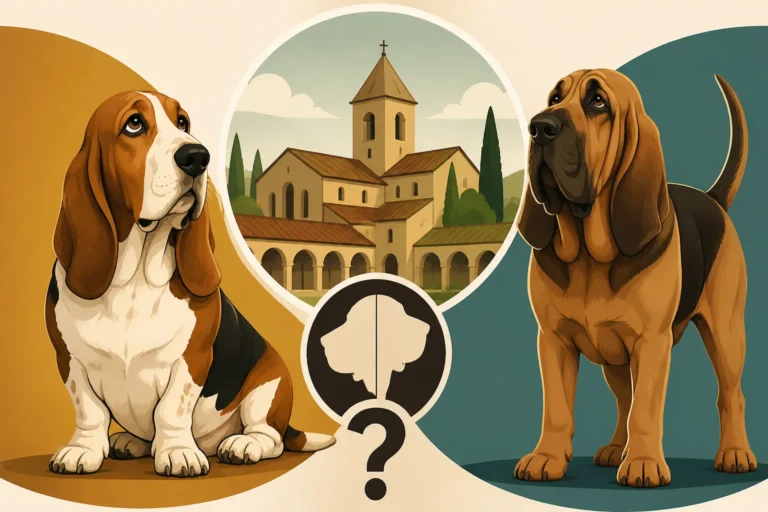
The story of the Basset Hound truly begins centuries ago in France, specifically with the monks of St. Hubert's Abbey. These monks were renowned for their hounds, dedicated to developing dogs with exceptional scenting abilities. These The Abbey Hounds a Basset Hound Descends From were the progenitors of many modern scent hounds, including the Bloodhound and, eventually, the Basset Hound. The original St. Hubert Hounds were larger, faster dogs, but over time, there arose a need for a different kind of hound.
French hunters, often on foot, found it difficult to keep up with faster hounds when tracking game like rabbits, hares, and wild boar through dense undergrowth. They needed a dog that was slower, methodical, and whose pace matched a walking human. This is where the "basset" (meaning "low" in French) variations began to emerge. Selective breeding for shorter legs allowed these dogs to work closer to the ground, meticulously following a scent trail without outrunning their human companions. Imagine hunting in medieval forests, thick with brambles and hidden dips – a faster dog might lose the scent or disappear, but a low-slung, steady hound was perfect. They weren't bred for a quick chase, but for relentless, unwavering pursuit of a scent, often over long distances and hours.
Why Pack Hunting Made Sense for Their Ancestors
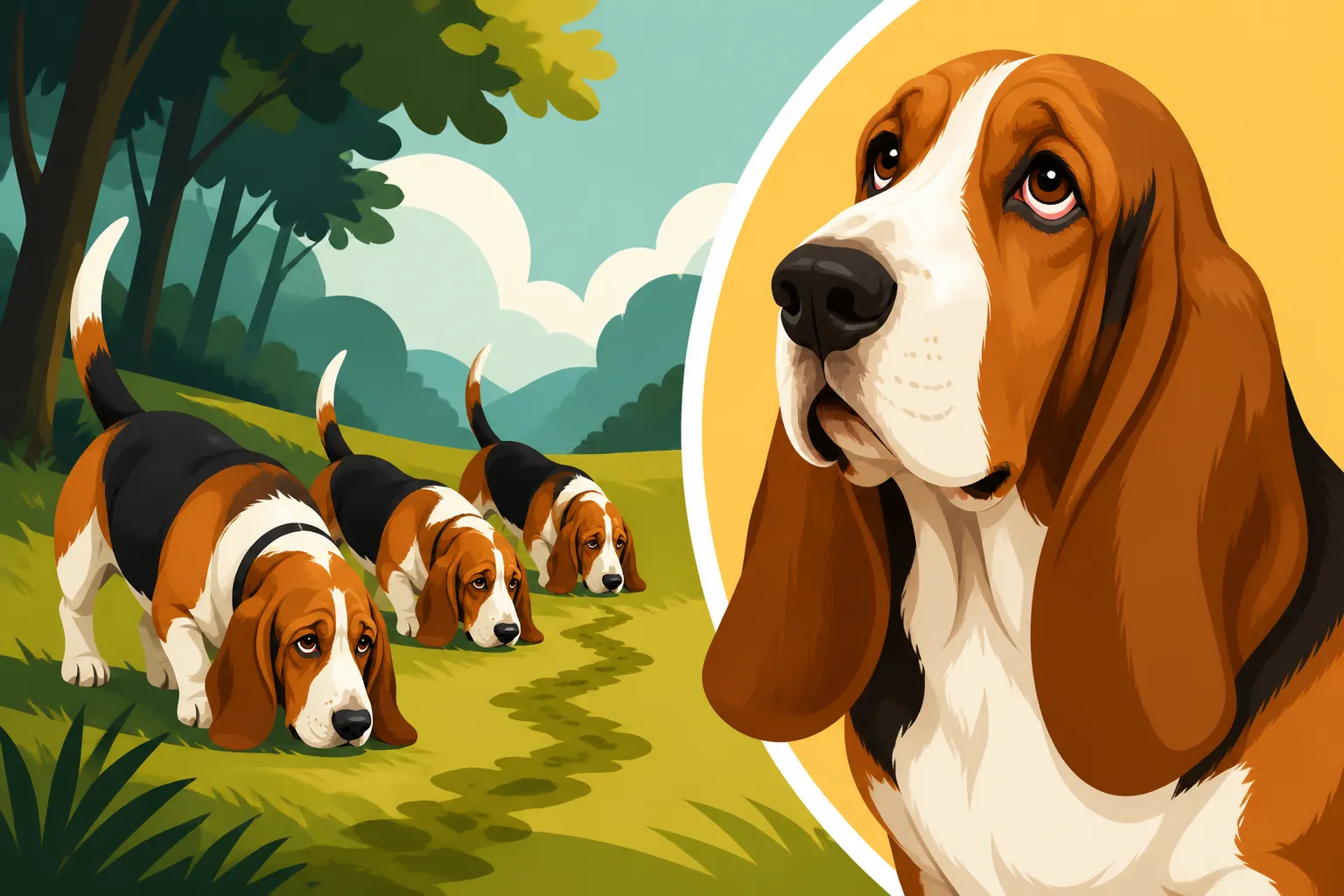
For these early Basset-type hounds, hunting in packs wasn't just a preference; it was a fundamental aspect of their effectiveness. Hunting alone for smaller game can be a challenge, but a coordinated effort significantly increases success. A pack of Bassets could fan out, cover more ground, and collectively work a scent line more efficiently.
Think of it: one hound might pick up a faint trail, another might confirm it from a slightly different angle, and together, their combined efforts would be much more potent. The benefits of numbers were clear. Prey animals, even smaller ones like hares, are quick and clever. A lone hound might corner an animal, but a pack could encircle it, flush it from cover, or maintain pursuit until it tired. Their unique physical traits, like those long ears that actually help sweep scent towards their powerful noses, and their distinct, resonant bay, were all maximized in a pack setting. One dog's bay would alert the rest of the pack, keeping them all focused on the chase and informing the human hunters of their progress. It created a symphony of sound and scent, a highly effective hunting machine.
Basset Hounds and the Concept of a Pack
The idea of a "pack" isn't just about hunting; it's deeply ingrained in the social structure of many dog breeds. For Basset Hounds, this innate pack mentality continues to influence their behavior and needs, even in modern homes where hunting is no longer their primary job.
The Instinct to Work Together
Even today, Basset Hounds often display a strong instinct to be part of a group, whether that group is a formal hunting pack, a multi-dog household, or their human family. They thrive on companionship and can often be seen "following the leader" – whether that's another dog or a beloved human. This social drive is a direct legacy of their pack hunting ancestry.
In a family setting, a Basset Hound views its humans as its pack. This often translates into an intense desire to be near you, to participate in family activities, and to object quite vocally if they feel left out. Their famous bay, The Bay a Basset Hound Uses and the Neighbors Hear, was a crucial communication tool in the field, keeping the pack together and alerting hunters to the progress of the chase. Today, that bay might be used to announce a visitor, express a desire for dinner, or simply say, "Hey, where did everyone go?!" This strong social bond also means they often do well in homes with other dogs, often forming deep bonds and enjoying mutual companionship, echoing their ancestors' cooperative spirit.
How Their Physical Traits Supported Pack Work
Every aspect of a Basset Hound's distinctive appearance can be traced back to its original purpose as a pack hunter. It's not just charming; it's functional.
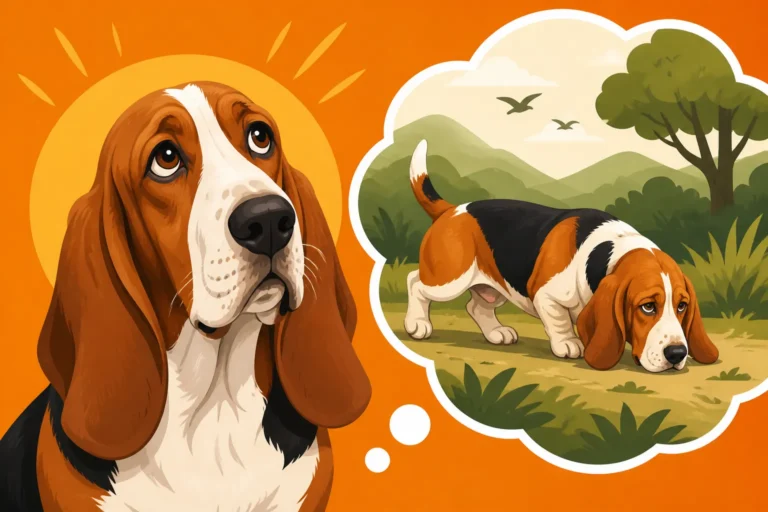
Let's talk about that incredibly The Nose That Puts a Basset Hound Second to a Bloodhound. In a pack, having multiple exceptional noses working together meant very few trails went cold. Their low-slung bodies, while sometimes making them appear somewhat clumsy, are actually an adaptation for ground-scenting. Their short legs keep their noses precisely where the scent is strongest, close to the earth, minimizing distraction from air currents or higher vegetation. They're built for endurance over speed, slowly but surely unraveling a scent puzzle that might be hours old. A pack of these dogs could sustain a slow, methodical trail for hours, even days, effectively wearing down their quarry.
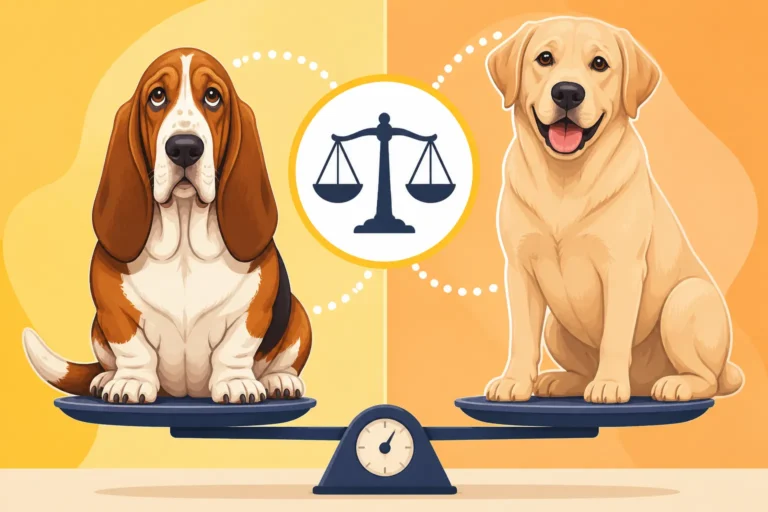
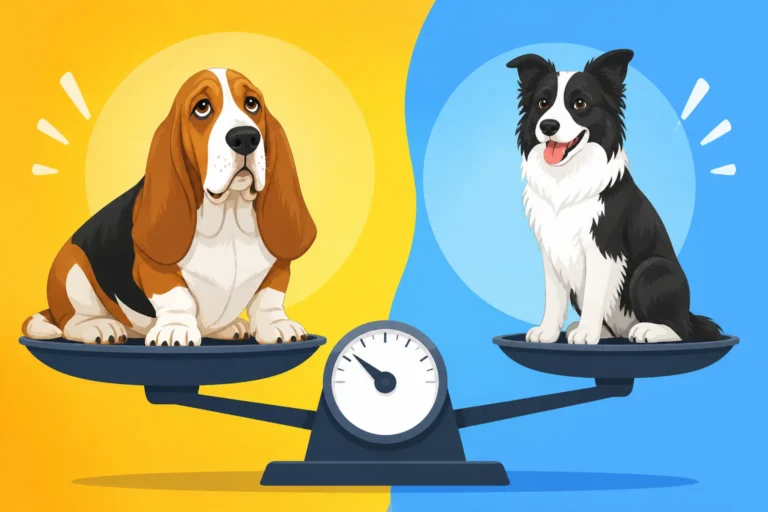
And then there are those magnificent, long ears. Far from being just decorative, they serve a vital purpose. As the Basset Hound tracks, their ears, dangling low, physically sweep scents from the ground up towards their nostrils. It's like a natural scent-funneling system. In a pack, this meant a collective efficiency, each dog contributing to the overall "scent picture" the pack was creating. Their sturdy bone structure and powerful build, which explains Why a Basset Hound Weighs as Much as a Labrador despite their short stature, gave them the robustness needed for navigating rough terrain in pursuit of a trail, even if it meant pushing through dense underbrush.
Modern Basset Hounds and Pack Behavior
While the traditional hunting packs of Basset Hounds are less common today, their inherent drive and social instincts haven't disappeared. Modern Bassets might not be tracking deer, but they still have that ancestral call.
The Decline of Traditional Pack Hunting
Over the centuries, hunting practices evolved, and the role of many traditional working breeds shifted. While Basset Hounds still exist in some hunting lines, particularly in certain regions, the widespread practice of large packs of Bassets being followed on foot by hunters has largely faded. Many Bassets today are primarily cherished family pets, and their hunting instincts are channeled into different avenues.
However, the spirit of the hunt lives on. Many Basset Hound enthusiasts now engage their dogs in modern "hunting" activities such as scent work, tracking trials, and barn hunt. These activities provide an incredible outlet for their natural abilities and satisfy their deep-seated drive to use their nose. These events often replicate the cooperative spirit of pack work, with dog and handler forming a modern "pack" to solve scent puzzles. Organizations like the Basset Hound Club of America often promote such activities, recognizing the importance of keeping these dogs mentally and physically engaged in a way that honors their heritage. You can find many supplies for these activities, from specialized treat puzzles to tracking lines, on sites like Chewy.
Manifestations of Pack Instinct in Today's Home
Even without a literal pack of hounds, your Basset's pack instincts are very much alive. They tend to be highly social creatures, preferring to be with their people rather than left alone. This desire for companionship is a direct echo of their past, where being part of the group was essential for survival and success.
In your home, this might manifest as your Basset following you from room to room, wanting to be involved in whatever you're doing. They often form strong attachments to all family members, considering everyone part of their core group. If you have multiple dogs, you might observe them naturally falling into a pecking order or exhibiting cooperative play that mimics pack dynamics. For a Basset, the family couch isn't just a comfy spot; it's the den, where the pack rests together. Understanding this helps explain behaviors like their mournful baying when alone, which isn't just a complaint, but an instinctive call to re-gather the pack. How Long a Basset Hound Can Be Left Alone is often a challenge due to this strong pack drive.
Understanding Your Basset Hound's Inner Hunter
Living with a Basset Hound means understanding that beneath that calm, sometimes comical exterior, lies the heart of a dedicated scent hound. Acknowledging and channeling these natural drives is key to a happy, well-adjusted Basset.
Channeling Their Natural Drive
Since traditional pack hunting isn't part of most Basset Hounds' lives today, it's crucial for us as owners to find constructive ways to engage their incredible noses and satisfy their innate hunting drive. This isn't just about exercise; it's about mental enrichment and fulfilling their breed-specific purpose.
Scent work is, hands down, one of the best activities for a Basset Hound. This can range from simple games in your backyard to formal tracking classes. Hiding treats around the house or yard and encouraging your Basset to find them is a fantastic way to engage their nose. Snuffle mats and puzzle toys, readily available from online retailers like Chewy, can also provide hours of stimulating "hunting" time. Consider enrolling in an introductory scent work class. These classes teach your dog to use their nose to find specific target odors, providing immense mental satisfaction. Giving a Basset Hound's Nose Something to Do is not just a nice idea; it's vital for their well-being. Without an outlet for this powerful drive, Bassets can become bored, which can lead to other, less desirable behaviors.
Living with a Basset Hound's Pack Mentality
While Basset Hounds are generally mellow and agreeable, their pack mentality does mean they benefit from clear, consistent leadership from their human "alpha." This isn't about being harsh, but about establishing yourself as the calm, confident provider of structure and safety. They thrive when they know their place within the family unit.
Their strong social bonds also mean they genuinely crave interaction. This can be tricky if you’re a Whether a Basset Hound Suits a First Time Owner who might not anticipate the depth of their need for companionship. While they might seem independent when following a scent trail (see Why a Basset Hound Ignores You on a Scent), they are deeply connected to their pack. This is why positive reinforcement and consistent training work so well with Bassets; they want to please their pack leader and enjoy the shared activity. Understanding their history helps us appreciate why they might sometimes vocalize (baying) more than other breeds – it's their way of communicating with their "pack." Providing them with plenty of opportunities for interaction, training, and scent games will go a long way in ensuring your Basset Hound feels secure and fulfilled within its modern-day pack. They might not be hunting rabbits in the forest anymore, but the spirit of the pack hound is still very much alive within them. Whether a Basset Hound Prefers a Pack is often answered with a resounding "yes," even if that pack is entirely human.
Table: Historical vs. Modern Basset Hound Pack Dynamics
| Trait / Behavior | Historical Pack Hunting Role | Modern Companion Role |
|---|---|---|
| Purpose of Pack | Group hunting for sustenance, efficiency in tracking. | Family unit for companionship, security, social interaction. |
| Communication | Baying to alert other hounds and hunters to scent progress. | Baying to express needs, greet, or alert family. |
| Scent Drive | Essential for tracking prey over long distances. | Channelled into scent work games, puzzle toys, enrichment. |
| Physical Build | Optimized for ground-scenting and endurance in the field. | Still present, but may lead to health issues if not managed. |
| Social Needs | Thrive on cooperation and group cohesion. | Highly affectionate, prone to separation anxiety if alone. |
| Leadership Dynamic | Clear hierarchy within the hunting pack. | Benefits from consistent, kind leadership from human family. |
Disclaimer
This article is for general informational purposes only and does not constitute professional advice. Laws, prices and regulations vary by location and change over time. Consult a qualified professional for guidance on your specific situation.