Whether a Basset Hound Can Earn a Field Title
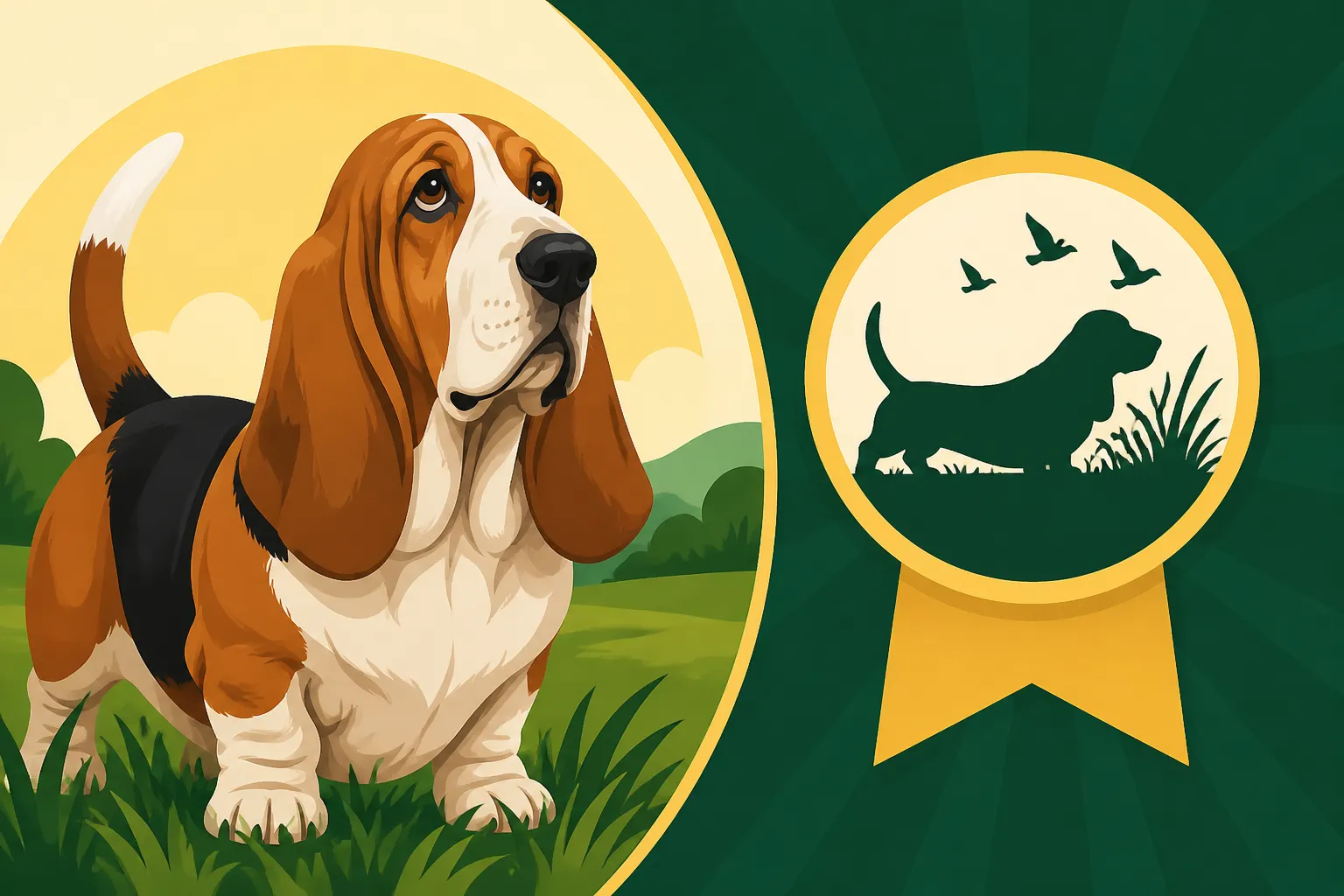
A Basset Hound can earn a field title, but the route depends on the organization and event you choose. The breed’s low-slung build and deliberate pace can look out of place beside faster dogs, yet field work rewards more than speed: a good nose, persistence, useful voice, and the ability to follow a trail matter enormously.
What a field title means for a Basset Hound
Field trials test working ability, not appearance
A field title is recognition earned in a competition that evaluates a dog’s performance in the field. In a hound trial, that can mean following game scent and demonstrating practical hunting traits, such as persistence, scenting ability, and an appropriate working voice. The precise format and judging criteria vary by organization and event.
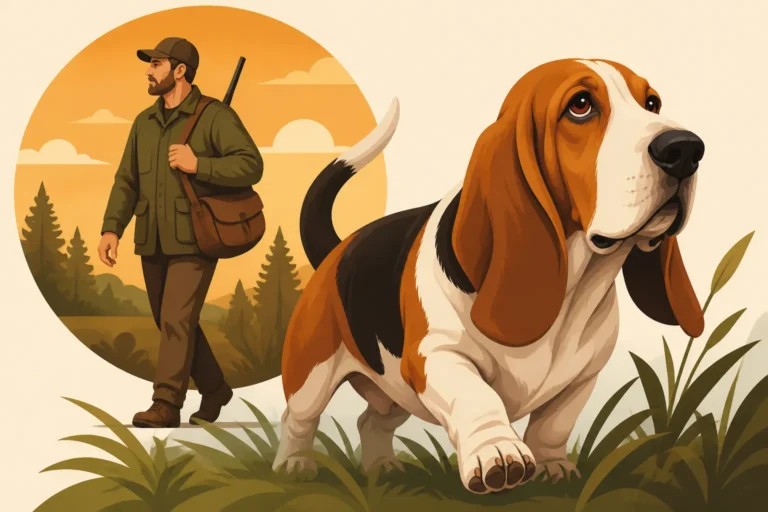
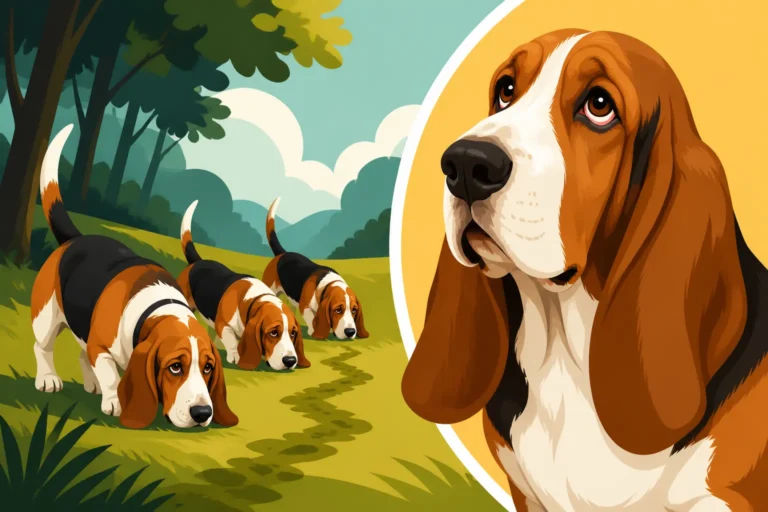
A Basset Hound’s job in this setting is not to sprint like a greyhound. Bassets were developed as scent hounds that could follow a trail at a pace hunters on foot could manage. Their methodical style may be an advantage when a course rewards steady, accurate trailing rather than speed alone. Their history and hunting purpose are explored further in Whether a Basset Hound Was Bred for Rabbit or Deer and Whether a Basset Hound Still Hunts.
The word “title” can also mean different things in different programs. Some organizations award formal field titles through licensed or sanctioned competitions; others may recognize placements, certificates, or accomplishments under their own rules. Before training toward a particular award, check which registry or club sanctions the event and what its current rulebook calls the achievement. A field title from one organization does not automatically mean the dog has earned a title in every other program.
Field trials are not the same as every scent sport
Owners sometimes use “field work” to mean any activity that lets a dog follow its nose. That is understandable, but a field trial is only one kind of organized canine activity. Tracking tests, scent work trials, and hunting events have different setups and evaluate different skills. A dog can enjoy several of them, but success in one does not guarantee eligibility or a title in another.
| Activity | What the dog works on | What is generally evaluated |
|---|---|---|
| Hound field trial | A scent trail in a field setting, often involving game | Hunting style, persistence, scenting, voice, and performance under that event’s rules |
| Tracking | A laid track that the dog follows | Ability to stay on the track and locate its endpoint |
| Scent work | Target odors placed in search areas | Finding and indicating the target odor |
| Informal nose work | Food or a toy hidden for the dog to find | Engagement, searching, and confidence; usually not a formal field title |
If your goal is specifically a field title, look for events that assess the kind of work you want your Basset to do. If your main goal is simply to give that nose a satisfying job, tracking or scent work may be an easier place to begin. Whether a Basset Hound Takes to Scent Work and Whether a Basset Hound Can Do Tracking Trials explain those alternatives in more detail.
Why Basset Hounds can be suited to field work
A careful nose can matter more than a fast pace
Basset Hounds were bred to follow scent close to the ground, and many enjoy investigating a trail with impressive concentration. In a suitable event, the dog’s willingness to keep working through distracting smells and uneven ground may be more important than covering distance quickly. That steady, nose-led approach is one reason a Basset can be a genuine field competitor rather than simply a dog that looks the part.
That does not mean every Basset Hound will love trials. Some are enthusiastic about following a fresh scent but lose interest when the trail gets difficult. Others are more interested in greeting people, checking out the parking area, or settling down in the grass. Temperament, early experience, fitness, and the quality of training all affect how a dog handles the setting.
It also helps to understand the breed’s natural tendency to tune in to scent. When a Basset locks onto a trail, calling it back may be difficult, even when the handler is offering a very good reason to turn around. That instinct is useful in a controlled event but makes reliable containment and leash management essential outside one. Why a Basset Hound Stops Hearing You When It Smells Something and Whether a Basset Hound Should Ever Be Off Leash offer useful context for owners who are new to hound instincts.
Build fitness gradually and protect the dog’s comfort
Field work can involve walking over uneven ground, staying active for extended periods, and working in weather that may not suit every dog. A Basset Hound that is out of condition, carrying excess weight, or uncomfortable moving over rough terrain may struggle even if it is keen to follow scent. Start with moderate walks and short, positive scent games, then build duration slowly. Your veterinarian can help you judge whether your dog’s age, body condition, joints, and overall health make a particular level of activity appropriate.
The breed’s long back and distinctive build are worth keeping in mind, too. Avoid treating a trial or training day as a sudden endurance test. Give your dog breaks, access to water, and a chance to rest in a safe, comfortable place. If you notice limping, reluctance to move, unusual weakness, or signs of pain, stop the session and seek veterinary advice rather than trying to push through. For background on movement and precautions, read The Back Trouble a Basset Hound Is Built Into and Whether a Basset Hound Should Use a Ramp.
Weight management matters because extra weight can make everyday movement harder, not just demanding activity. Keep training rewards small and account for them in the dog’s overall daily food ration. A Basset who is eager to work for food may be especially motivated by treats, but rewards should support training without quietly adding a second meal. Keeping a Basset Hound at Its Correct Weight covers practical ways to think about body condition.
How to prepare a Basset Hound for a field title
Find the right club and understand the rules first
Start by identifying the organization that offers the event and the exact title or award you hope to pursue. Ask the club what kinds of dogs can enter, whether the event is open to beginners, what equipment is permitted, and what the dog is expected to do. Rules can differ between registries and clubs, so avoid relying on a description of a similar event from another region or organization.
A local Basset Hound or scent-hound club can be especially helpful. Experienced handlers can explain what a typical day looks like, how dogs are introduced to the work, and whether there are beginner events or practice days. If no nearby field trial is a good fit, a tracking or scent work group may offer a practical starting point while you build your dog’s confidence and handling skills.
Before you travel to an event, confirm entry requirements directly with the organizer. Ask about registration, age or health requirements, equipment, the type of terrain, and how dogs are managed while waiting. Do not assume a dog can enter simply because it is a Basset Hound or because it has earned a different kind of title. The Health Tests a Basset Hound Breeder Should Run is also useful background when you are evaluating a young dog’s health history, though it does not replace an individual veterinary assessment.
Teach the foundations in short, rewarding sessions
You do not need to recreate a full trial course in your backyard. Begin by encouraging your dog to search for a familiar treat or toy in a simple, safe area. Let the dog use its nose without constant steering, and reward the moment it locates the target. As your dog understands the game, make searches a little more challenging and practice in different places, always keeping sessions manageable and enjoyable.
A long line can provide freedom to explore while helping you prevent a scent-driven dash out of reach. Choose equipment that fits comfortably and does not restrict your dog’s movement. If you are shopping for a suitable long line, harness, or small training rewards, Chewy is one place owners may look for basic supplies; check fit and suitability before using any gear. For more on managing a nose-led dog safely, see Whether a Long Line Is Enough for a Basset Hound.
Practice handling, too. Your Basset should be comfortable waiting calmly, walking with you between work areas, and being checked or handled when needed. Try to make these experiences ordinary before the excitement of a competition day. Short sessions are often more productive than drilling the same exercise until your dog becomes bored or tired. For additional ideas on using scent in a rewarding way, Giving a Basset Hound's Nose Something to Do offers a broader look at nose-based activities.
What to expect from competition and title progress
A title may take time and more than one attempt
A field title is not guaranteed just because a dog has strong scenting instincts. The dog has to perform under the event’s rules, and some formats require a series of qualifying results or other steps before the award is complete. Weather, terrain, scent conditions, distractions, and the dog’s comfort can all affect a particular day’s performance.
That is why it helps to treat an early event as a learning experience. Your first goal might be helping your Basset settle at the venue, work briefly in a new environment, and return to you safely. A later goal could be completing the task or meeting the qualifying standard. For many owners, those small gains are meaningful even before a title is on the dog’s record.
If your dog seems overwhelmed, loses interest, or is uncomfortable, stepping back is not failure. You can ask an experienced handler for feedback, practice a simpler version of the exercise, or try a different scent activity. Some Bassets thrive in a competitive setting; others are happier doing casual tracking games with their people. The right choice is the one that suits the dog in front of you.
Keep logistics and safety part of the plan
A competition day can include waiting, unfamiliar dogs, travel, and periods outside in changing conditions. Pack water, a secure leash or long line if permitted, waste bags, a familiar resting surface, and rewards that agree with your dog. If you are ordering everyday supplies, Chewy may be one option for checking availability, but confirm that any gear is appropriate for the event and comfortable for your dog before the day itself.
Pay attention to footing and weather. A Basset’s low body can pick up mud, burrs, and debris, and the dog may need a careful check after working through brush. Keep sessions within your dog’s physical limits, and do not let enthusiasm for a title override signs that the dog needs a break. A well-prepared handler plans for rest and safe transport as carefully as for the actual exercise.
Most of all, keep the experience positive. Use the competition to learn what your dog enjoys and where it needs support. If you find yourself looking for training treats or basic handling supplies, Chewy is a retailer some owners use, but the important part is choosing simple, suitable items and using them consistently. Whether your Basset earns a formal field title or simply learns to follow a trail with confidence, the work can be a rewarding way to honor what the breed was made to do.
Disclaimer
This article is for general informational purposes only and does not constitute professional advice. Laws, prices and regulations vary by location and change over time. Consult a qualified professional for guidance on your specific situation.