What Open Angle Glaucoma Does to a Basset Hound
It’s truly heartbreaking when you notice something is off with your beloved Basset Hound’s eyes, especially when the issue progresses slowly and quietly. Many Basset owners worry about their dog's sight as they age, fearing irreversible damage. This comprehensive guide will help you understand open angle glaucoma, a particularly insidious form of the disease that can subtly steal your Basset Hound's vision, often before you even realize there's a problem.
The Silent Thief: Understanding Glaucoma in Basset Hounds
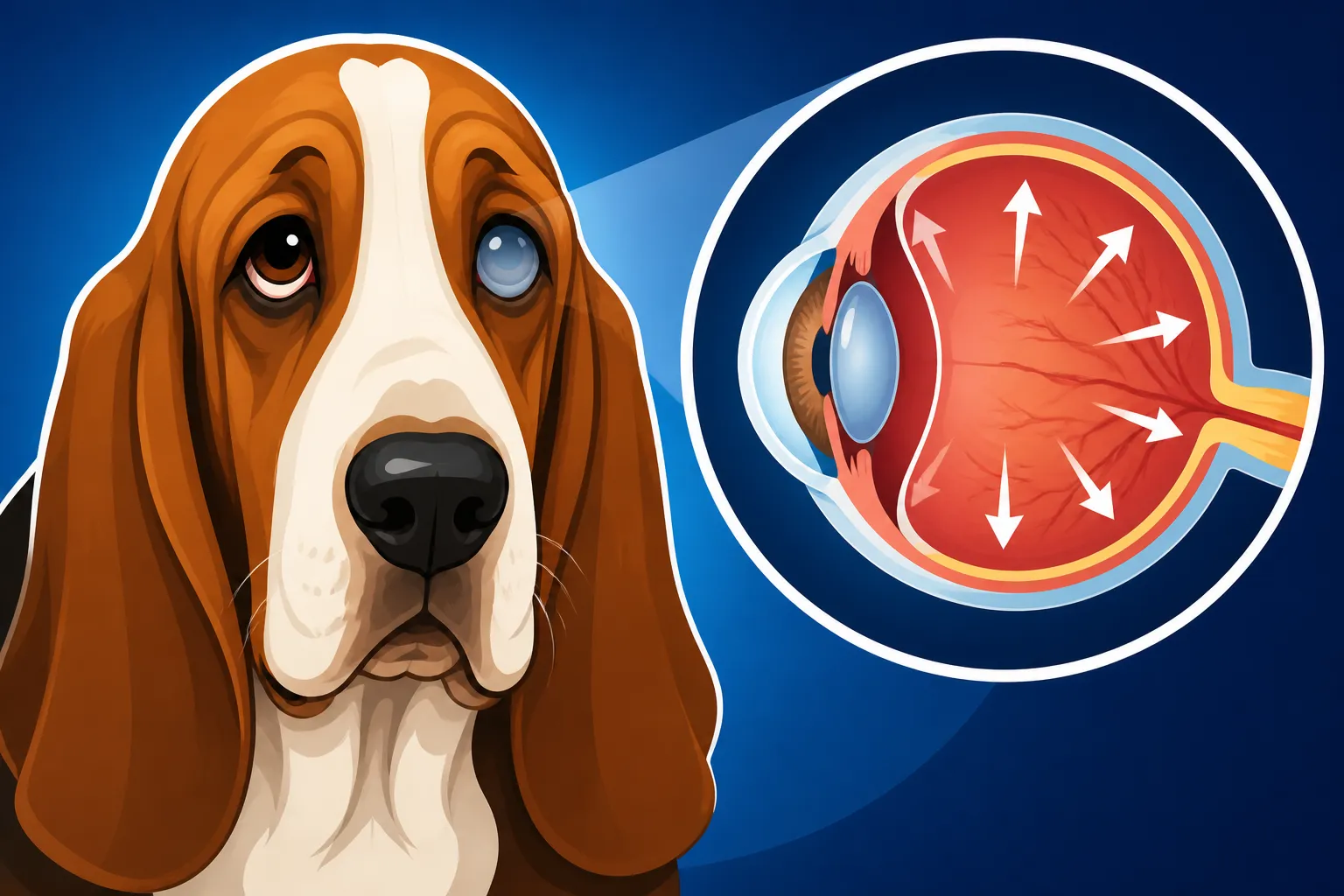
For Basset Hound owners, eye health is a constant concern. Our floppy-eared, soulful-eyed companions are unfortunately predisposed to a range of ocular conditions, and glaucoma sits high on that list of worries. It's a condition that causes damage to the optic nerve due to increased pressure inside the eye, which can lead to irreversible blindness if not managed aggressively. Imagine a persistent, unseen force slowly squeezing the life out of something vital; that's essentially what high intraocular pressure (IOP) does to the delicate structures within your Basset's eye.
Why Basset Hounds Are Prone to Glaucoma
Basset Hounds, like several other breeds such as Beagles, Cocker Spaniels, and Samoyeds, have a genetic predisposition to certain types of glaucoma. This isn't just bad luck; it's often a structural quirk of their eyes that makes them more susceptible. Their unique genetics mean that even if they seem perfectly healthy otherwise, the internal drainage system of their eyes might not be as efficient as it should be. It’s a sad reality that sometimes the very genetics that give us their charming characteristics also come with potential health liabilities. This inherited tendency is why it’s so important for breeders to screen their dogs, and for owners to be vigilant. If you're wondering if this disease runs in your dog's lineage, you might find more insights in articles like Whether Glaucoma Runs in Basset Hound Lines.
The Fundamental Problem: Intraocular Pressure
At its core, glaucoma is about pressure. Inside a healthy eye, there's a clear fluid called aqueous humor that is constantly produced and drained. This delicate balance maintains a steady, healthy pressure within the eyeball, which is essential for its shape and function. Think of it like a tire – too little air, it’s flat; too much, it could burst. With glaucoma, the drainage system, often called the drainage angle, becomes faulty. It either doesn't drain enough fluid, or it drains it too slowly. This leads to a buildup of aqueous humor, and subsequently, a rise in intraocular pressure. This increased pressure then compresses the optic nerve, which is essentially the cable carrying visual information from the eye to the brain. Once those nerve fibers are damaged, they cannot regenerate, making early detection paramount.
The Specifics of Open Angle Glaucoma
When we talk about glaucoma, it's not a single disease but rather a group of conditions. For Basset Hounds, primary open angle glaucoma (POAG) is a significant concern. Unlike the more dramatic and sudden onset of primary closed angle glaucoma, open angle glaucoma is often a sneaky, progressive condition that can develop over months or even years. This gradual nature is precisely what makes it so challenging to catch early and why it often frustrates dedicated Basset owners.
How Open Angle Glaucoma Differs
The distinction between "open angle" and "closed angle" refers to the anatomical structure of the drainage angle within the eye. In closed angle glaucoma, the drainage angle itself becomes physically blocked or narrowed, often causing a sudden and painful spike in eye pressure. This is an acute emergency, typically presenting with a very red, painful eye, and often leads to rapid vision loss.
Open angle glaucoma, however, is different. The drainage angle appears open and normal upon examination. The problem isn't a physical blockage of the angle itself, but rather a functional defect within the drainage tissue (the trabecular meshwork). It's like having an open drain in your sink, but the pipe underneath is somehow clogged with sludge you can't see from the surface. The fluid still tries to drain, but it simply can't do so efficiently, leading to a slow, steady accumulation and pressure increase. This subtle, unnoticeable internal issue means your Basset Hound might not show acute signs of pain that would prompt an immediate vet visit, leaving the condition to advance undetected.
The Genetic Link to Primary Open Angle Glaucoma
For Basset Hounds, primary open angle glaucoma is often inherited. This means a dog can carry the genes for the condition and pass them on, even if they don't develop severe symptoms themselves. Researchers have identified specific genetic markers associated with POAG in Basset Hounds, which explains why certain lines are more affected than others. This genetic component underscores the importance of responsible breeding practices and pre-screening. Knowing whether your Basset Hound has been tested for this predisposition is vital for anticipating potential issues, and you can learn more about testing in this article: Whether a Basset Hound Can Be Tested for Glaucoma.
The insidious nature of POAG is that it often affects both eyes, though not always at the same rate. One eye might show subtle changes while the other is still seemingly normal. Over time, the chronic, elevated pressure slowly damages the optic nerve and retinal cells, leading to a gradual loss of peripheral vision, then central vision, and eventually, total blindness. The absence of dramatic early symptoms means many owners are left feeling helpless, wishing they had known sooner.
Catching the Clues: Subtle Signs Your Basset Hound Might Have Open Angle Glaucoma
The biggest frustration with open angle glaucoma is its stealthy progression. Unlike the sudden, obvious distress of other eye conditions, the signs can be so subtle that by the time you notice them, significant damage might have already occurred. Basset Hounds are masters of stoicism when it comes to discomfort, especially if it’s chronic and slow-building, making early detection a true challenge for even the most observant owner. You have to become a detective of the mundane, looking for tiny deviations from their normal behavior.
Behavioral Changes to Watch For
Since the initial vision loss from open angle glaucoma often starts in the periphery, your Basset Hound might adapt remarkably well without you realizing anything is amiss. They might bump into furniture on one side, but you could easily attribute it to clumsiness or being tired. What you should be keenly aware of are subtle behavioral shifts. Perhaps they're becoming a bit more hesitant when navigating familiar spaces, especially in dimmer light. They might startle more easily if approached from the side where their vision is diminishing.
Consider their willingness to engage in activities they once loved. Are they less enthusiastic about exploring new environments, or do they stick closer to you on walks? This isn't necessarily just "getting old" or being "stubborn." It could be a sign that their world is becoming less clear, leading to anxiety or a lack of confidence. Don’t dismiss these changes; they are your Basset’s way of communicating distress. For a deeper dive into early indicators, consult The First Signs of Glaucoma in a Basset Hound.
Physical Signs That Are Easy to Miss
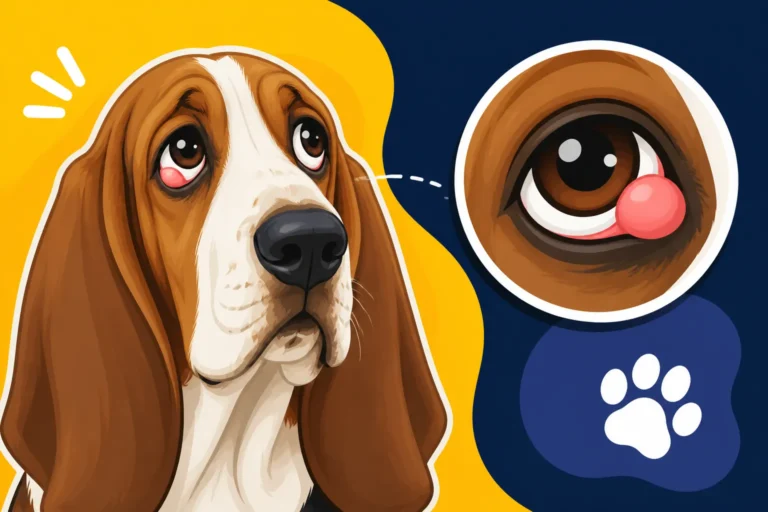
Unlike acute glaucoma where the eye can be visibly red and bulging, open angle glaucoma often presents with much more subdued physical signs. You might notice a very slight cloudiness to the cornea, or perhaps a dilated pupil that doesn't react as quickly to light as the other eye. Sometimes, the whites of the eyes might have a faint, bluish or hazy tint. These are changes that can be easily dismissed as normal aging or a passing irritation.
Another sign, though less common in open angle initially, could be an increase in tear production or a slight discharge, as the eye tries to cope with internal discomfort. Your Basset might also rub at its eyes more frequently with a paw or against furniture, indicating a persistent, low-grade ache rather than an acute, sharp pain. Owners often feel a pang of guilt when they realize how long these minor cues might have been present before they connected the dots. It’s important to remember that these signs are incredibly subtle, and often only apparent to the trained eye, or after comparing closely to old photos of your dog's eyes.
The Vet Visit: Diagnosis and Understanding the Prognosis
Once you suspect something is wrong with your Basset Hound's eyes, getting to the vet quickly is paramount. Even with subtle signs, prompt action can make a world of difference in saving what vision your dog still has. The diagnostic process for glaucoma is relatively straightforward, but understanding the results and what they mean for your Basset's future can be overwhelming.
How Open Angle Glaucoma Is Diagnosed
The primary tool for diagnosing glaucoma is a tonometry reading, which measures the intraocular pressure (IOP) inside the eye. This is a quick, non-invasive procedure, where a special instrument (a tonometer) is gently placed on the surface of the eye after a numbing drop is applied. Normal IOP for a dog typically ranges from 10-20 mmHg. Readings consistently above this, especially when combined with other clinical signs, point towards glaucoma. Your vet might also perform a gonioscopy, which involves using a special contact lens to examine the drainage angle itself, helping to differentiate between open and closed angle types. This is crucial for determining the best course of treatment.
Beyond pressure checks, your vet will likely perform a thorough ophthalmic exam, looking for optic nerve damage, corneal edema (swelling), and pupil responsiveness. They might even dilate the pupils to get a better view of the retina and optic nerve head. If glaucoma is diagnosed, they’ll want to check the “good” eye too, as open angle glaucoma often progresses to involve both. It's not uncommon for owners to leave the vet's office feeling a mix of relief at finally having an answer and dread about the road ahead, especially when discussing potential vision loss.
Navigating the Prognosis and Potential Vision Loss
The prognosis for open angle glaucoma depends heavily on how early it's detected and how well the dog responds to treatment. Unfortunately, because of its subtle nature, by the time many Basset Hounds are diagnosed with POAG, some degree of vision loss has already occurred. The goal of treatment isn't to restore lost vision, but to preserve what remains and prevent further damage. This can be a tough pill to swallow for loving pet parents.
If left untreated, open angle glaucoma will inevitably lead to complete blindness in the affected eye, and likely the other eye too. Even with treatment, lifelong management is necessary. It’s a chronic condition, much like diabetes or heart disease, requiring continuous attention. The good news is that with dedicated care, many Basset Hounds can maintain useful vision for a significant period. While the thought of your Basset losing its sight is terrifying, remember that dogs adapt incredibly well to blindness, relying on their other heightened senses, particularly their powerful nose. You can explore this further in Whether a Basset Hound Goes Blind From Glaucoma.
Managing Open Angle Glaucoma: Treatment Options and Daily Care
Receiving a glaucoma diagnosis for your Basset Hound is daunting, but it’s important to remember that there are effective strategies to manage the condition. The primary goal is always to reduce intraocular pressure and preserve as much vision as possible for as long as possible. This typically involves a multi-faceted approach combining medication and, in some cases, surgical interventions.
Medical Management: Eye Drops and Medications
The cornerstone of open angle glaucoma treatment is medication, primarily in the form of eye drops. These drops work in various ways: some decrease the production of aqueous humor, while others improve its outflow. Your veterinarian or a veterinary ophthalmologist will prescribe a specific regimen, which might include several different types of drops administered multiple times a day. Common medications include prostaglandin analogs (like latanoprost), beta-blockers (like timolol), carbonic anhydrase inhibitors (like dorzolamide), and miotics.
Consistency is absolutely critical with these medications. Missing doses can lead to pressure spikes, causing further irreversible damage to the optic nerve. This can be a huge commitment, involving waking up in the middle of the night or arranging for pet sitters if you’re away. It's a testament to the dedication of Basset Hound owners that they often rise to this challenge. While these medications can be expensive, many pet insurance providers, such as Healthy Paws, offer plans that help cover the ongoing costs of chronic conditions like glaucoma, making consistent treatment more manageable for families.
Surgical Interventions When Drops Aren't Enough
Sometimes, eye drops alone aren't sufficient to control the intraocular pressure, or the dog simply doesn't tolerate the frequent administration. In these cases, surgical options might be considered. These range from procedures designed to improve drainage or reduce fluid production within the eye, to more drastic measures if the eye becomes irreversibly blind and painful.
One common surgical approach involves cyclocryosurgery or laser cyclophotocoagulation, which aims to destroy some of the cells that produce aqueous humor, thereby reducing the fluid volume and pressure. These procedures are often performed by a veterinary ophthalmologist and can offer longer-term control compared to drops alone, though they are not a one-time cure. For eyes that have already lost all vision and are causing chronic pain, enucleation (surgical removal of the eye) might be recommended to improve the dog's quality of life. While emotionally difficult, removing a painful, blind eye can bring immense relief to a Basset Hound. You can find more information about these costs in What Glaucoma Surgery Costs a Basset Hound Owner.
Living with Glaucoma: Long-Term Outlook and Quality of Life
A diagnosis of open angle glaucoma signifies a lifelong journey of management and adaptation for both you and your Basset Hound. While the initial news can be devastating, focusing on maintaining your dog's quality of life and embracing their incredible resilience is key. This means not just managing the medical aspect, but also making thoughtful adjustments to their daily environment and routine.
The Importance of Regular Monitoring and Adjustments
Even with successful medical or surgical management, regular follow-up visits with your veterinarian or veterinary ophthalmologist are essential. These appointments will involve checking intraocular pressure, assessing vision changes, and adjusting medication as needed. Just like human patients with chronic conditions, your Basset Hound’s glaucoma management plan may need to evolve over time. What works today might not be as effective in six months. This continuous vigilance, while demanding, is the best way to safeguard your Basset's comfort and remaining vision.
Many owners find it helpful to keep a detailed log of their Basset's eye drop schedule, any subtle changes they observe, and even their general demeanor. This information can be incredibly valuable to your vet. Don’t hesitate to discuss any difficulties you’re having with medication administration or concerns about side effects. Organizations like Healthy Paws often highlight the importance of consistent veterinary care for managing chronic conditions, which includes these crucial follow-up appointments. Remember, you’re part of your Basset’s care team, and your observations are vital. For preventative measures, knowing Whether a Basset Hound Needs a Yearly Eye Pressure Check is a good starting point.
Adapting Your Home for a Vision-Impaired Basset Hound
Should your Basset Hound experience significant vision loss or blindness, they can still lead a full and happy life with your help. Dogs are incredibly adaptable, and their other senses, particularly their phenomenal sense of smell, become even more acute. Start by keeping your home environment consistent. Avoid rearranging furniture, especially large items, so your Basset can memorize the layout. Use scent markers or textured mats to indicate important areas like their food bowl, water dish, or the door to the yard.
Ensure pathways are clear of clutter and consider baby gates to block off stairs or dangerous areas. When approaching your Basset, speak to them softly first so they know you’re there and aren’t startled. A "halo" harness or bumper collar can also help prevent them from bumping into objects. Most importantly, continue to engage them with scent games, verbal cues, and plenty of love. Their world might look different, but your presence and care remain their guiding light.
Disclaimer
The information provided in this article is for general educational purposes only and is not a substitute for professional veterinary advice. Always consult with a qualified veterinarian or veterinary ophthalmologist regarding any health concerns or before making any decisions about your Basset Hound's medical care.