Whether a Basset Hound Outweighs a Border Collie
It’s a common sight to see a Basset Hound waddling along, low to the ground, and think they must be a relatively light dog. Then you try to pick one up, or they lean into you during a walk, and you realize with a grunt just how deceptively heavy these wonderful hounds can be. This guide will delve into the distinct physical builds of the Basset Hound and the Border Collie, exploring why the shorter Basset Hound often tips the scales heavier than its taller, more athletic counterpart, and what that means for owners.
The Deceptive Weight of the Basset Hound
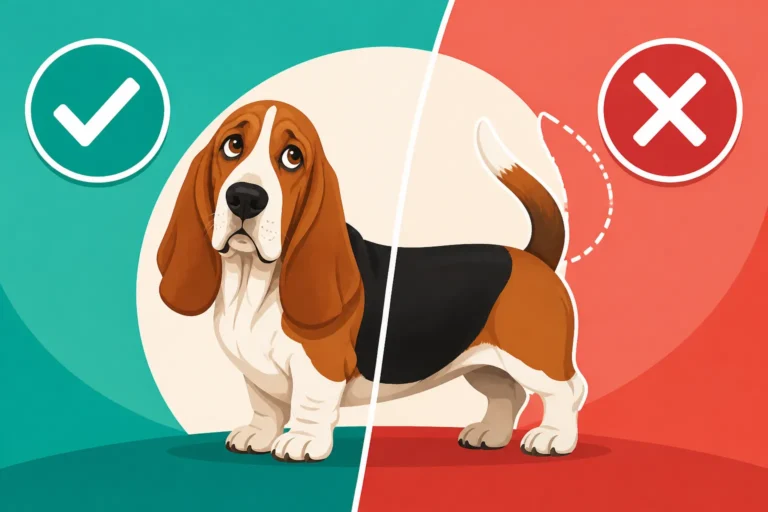
The Basset Hound's appearance is one of its most defining characteristics, but it's also why many people underestimate their true weight. These dogs are built like tanks, low-slung and sturdy, designed for endurance rather than speed. Their short legs belie a substantial bone structure and a compact, powerful body. It's not just fat, though they certainly love their food; it's pure, dense dog.
Basset Hound Build and Bone Structure
When you look at a Basset Hound, you see those impossibly short legs and that long, heavy body. What isn't immediately obvious is the incredible density of their bones. Basset Hounds possess a significant amount of bone mass for their size, which contributes immensely to their weight. Think of it this way: they're not just short, they're stocky. Their powerful chest, deep ribcage, and solid musculature all add to this heft. They were bred to trail game at a slow but steady pace, requiring a robust physique that could navigate rough terrain all day long. This build, while charming, is what contributes to their surprising density. It’s why they often feel like a sack of bricks when you try to lift them. This heavy bone structure is an integral part of Why a Basset Hound Weighs as Much as a Labrador, a comparison that often surprises people.
Typical Basset Hound Weight Ranges
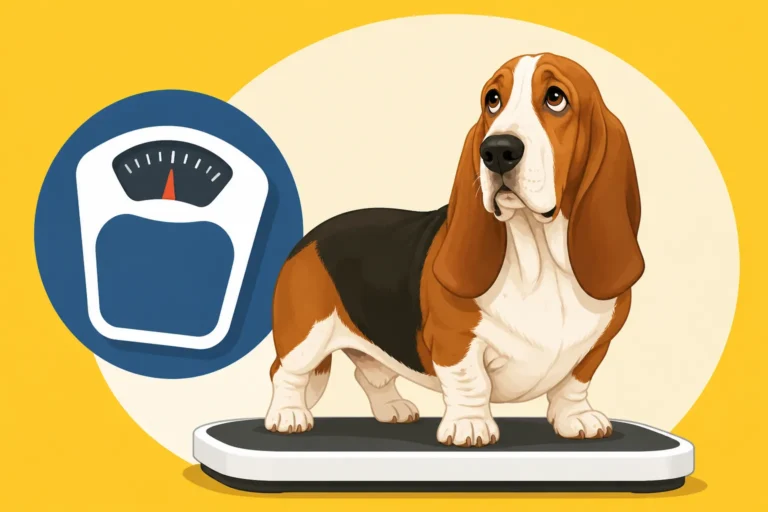
So, how much does all that dense bone and muscle actually weigh? An adult Basset Hound, male or female, typically weighs significantly more than their height might suggest. Generally, a healthy adult male Basset Hound can weigh anywhere from 50 to 65 pounds, and sometimes even a little more. Females tend to be slightly smaller, usually ranging from 45 to 60 pounds. These aren't small numbers for a dog that stands only about 14 to 15 inches at the shoulder. Imagine trying to carry a small child, but one with a very low center of gravity and a stubborn streak when they don't want to cooperate! It's crucial for owners to understand How Much a Basset Hound Should Weigh to ensure their beloved hound stays healthy, as excess weight can compound existing breed-specific health challenges.
Understanding the Border Collie's Athletic Physique
Now, let's switch gears and consider the Border Collie, a breed known for its intelligence, boundless energy, and incredible agility. When you picture a Border Collie, you likely envision a dog that's lean, quick, and always ready for action. Their physique is a testament to their heritage as working sheepdogs, built for bursts of speed, quick turns, and sustained stamina.
Border Collie Build and Athleticism
Border Collies have a distinct athletic build. They are medium-sized dogs with a moderate bone structure, deep chests, and powerful, well-muscled hindquarters that propel them with speed and grace. Their bodies are built for efficiency, allowing them to cover vast distances and make swift, precise movements without carrying any unnecessary bulk. Unlike the Basset Hound, whose purpose was to slowly follow a scent trail, the Border Collie's job demanded quick reflexes and the ability to outmaneuver livestock. This has resulted in a dog that appears much lighter and more streamlined, reflecting its role as an active herding dog. Their lean frame is a hallmark of their athleticism, enabling them to excel in activities like agility, flyball, and, of course, herding.
Typical Border Collie Weight Ranges
Given their active and lean build, Border Collies typically fall into a different weight category than Basset Hounds. An adult male Border Collie generally weighs between 30 to 45 pounds, while females usually range from 27 to 42 pounds. These ranges are for dogs that are considerably taller than Basset Hounds, often standing between 18 to 22 inches at the shoulder. Comparing these figures to the Basset Hound's weight, it becomes clear that despite the Border Collie's greater height and often more imposing presence, they are designed to be much lighter overall. This lighter frame is optimized for quick movements and sustained activity, a stark contrast to the Basset's dense, ground-hugging build.
Direct Comparison: Basset Hound vs. Border Collie Weight
So, to answer the burning question: does a Basset Hound outweigh a Border Collie? The answer, more often than not, is a resounding yes. While a Border Collie might look larger or more substantial due to its height, the Basset Hound's unique, heavy-boned, and dense physique means it carries more actual weight.
Let's break it down in a table to really visualize the difference:
| Characteristic | Basset Hound | Border Collie |
|---|---|---|
| Typical Weight | 45-65 lbs (20-29 kg) | 27-45 lbs (12-20 kg) |
| Typical Height | 14-15 inches (36-38 cm) at shoulder | 18-22 inches (46-56 cm) at shoulder |
| Build | Heavy-boned, dense, long body, short legs | Lean, athletic, medium bone, balanced |
| Primary Purpose | Scent trailing, endurance | Herding, agility, speed |
| Appearance | Low to the ground, substantial, powerful | Graceful, agile, energetic |
As you can see, the Basset Hound, despite being significantly shorter, packs on more pounds due to its genetic makeup and historical purpose. It's a testament to the power of selective breeding for specific traits. The Basset's low center of gravity combined with its sheer weight makes it an incredibly strong, if sometimes immovable, dog.
This weight difference isn't just a fun fact; it has real implications for owners. Lifting a Basset Hound can be a challenge, especially if they are reluctant. This substantial weight, particularly when combined with their long backs, means that What Extra Weight Does to a Basset Hound is a critical concern. Their unique body structure makes them prone to back issues like Intervertebral Disc Disease (IVDD), and carrying excess weight significantly exacerbates this risk. Therefore, it's far more vital for a Basset Hound to maintain a lean, healthy weight than it might be for a Border Collie, whose frame is built for carrying less bulk.
Factors Influencing a Dog's Weight
While breed standards give us a good benchmark, several factors can influence a dog's actual weight, whether it's a Basset Hound or a Border Collie. Understanding these can help owners keep their furry friends in optimal health.
Breed Standard vs. Individual Variation
Every breed has a standard, a blueprint of what an ideal dog of that breed should look like and weigh. However, real dogs are individuals. Genetic lines can vary, leading to some Bassets being naturally larger or smaller-boned within the healthy range, just as some Border Collies might be slightly more robust or finer-boned. A breeder who focuses on "show quality" might produce slightly heavier Basset Hounds, whereas those focused on "field lines" might prioritize a marginally lighter, more agile build (though still within the Basset Hound's heavy-boned type).
Beyond genetics, lifestyle plays an enormous role. Diet is paramount; a Basset Hound, with its legendary appetite, can quickly become overweight if portions aren't strictly controlled. Similarly, an under-exercised Border Collie might gain weight, though their high energy levels usually make this less common than with the more sedentary Basset. Age also comes into play; puppies are still growing, and senior dogs often have different metabolic needs. It's important to differentiate between a Basset Hound that is simply heavily built and one that is genuinely overweight, which can be tricky with their loose skin. Learning Feeling for a Basset Hound's Ribs Under Loose Skin is a key skill for every Basset owner to develop.
The Importance of Healthy Weight for Basset Hounds
For a Basset Hound, maintaining a healthy weight isn't just about aesthetics; it's a critical component of their overall well-being and longevity. Their distinctive long back, short legs, and heavy build make them inherently susceptible to certain health problems. As mentioned, The Back Trouble a Basset Hound Is Built Into is a serious concern, and extra pounds place immense strain on their spine and joints. This can lead to or worsen conditions like IVDD, arthritis, and elbow dysplasia.
An overweight Basset Hound will struggle more to get around, exacerbating their natural reluctance to exercise. This creates a vicious cycle where less movement leads to more weight gain, which then makes movement even harder. It also puts additional stress on their heart and respiratory system, and can contribute to skin fold infections due to increased moisture and friction in deeper folds.
To prevent these issues, it's essential to manage their diet diligently. High-quality dog food, portion control, and regular, moderate exercise are key. When looking for appropriate food or even joint supplements to support their unique build, many owners turn to reliable retailers like Chewy, which offers a vast selection tailored to specific needs, including weight management formulas and options for sensitive stomachs. Remember, even though a Basset Hound is heavy by nature, a healthy heavy is very different from an unhealthy heavy. Consulting your vet and being proactive about their diet, perhaps even exploring some of the specialized foods available on Chewy, can make a world of difference in their quality of life.
Disclaimer
This article is for general informational purposes only and does not constitute professional advice. Laws, prices and regulations vary by location and change over time. Consult a qualified professional for guidance on your specific situation.