Whether a Male Basset Hound Is Bigger Than a Female
It’s a question many prospective Basset Hound parents ponder: does gender play a significant role in their adult size? While you might expect a clear-cut "yes" or "no," the reality for our beloved long-eared friends is a bit more nuanced than for some other breeds. This guide will help you understand the typical size expectations for male and female Basset Hounds and what factors truly influence how big your floppy-eared companion will grow.
Understanding Basset Hound Size Standards
When we talk about the size of any purebred dog, we often refer to the breed standard, which is the blueprint describing the ideal characteristics of the breed. For Basset Hounds, this standard provides a range for both height and weight, and it's here that we start to see some expected differences between the sexes.
The Official Breed Standard for Size
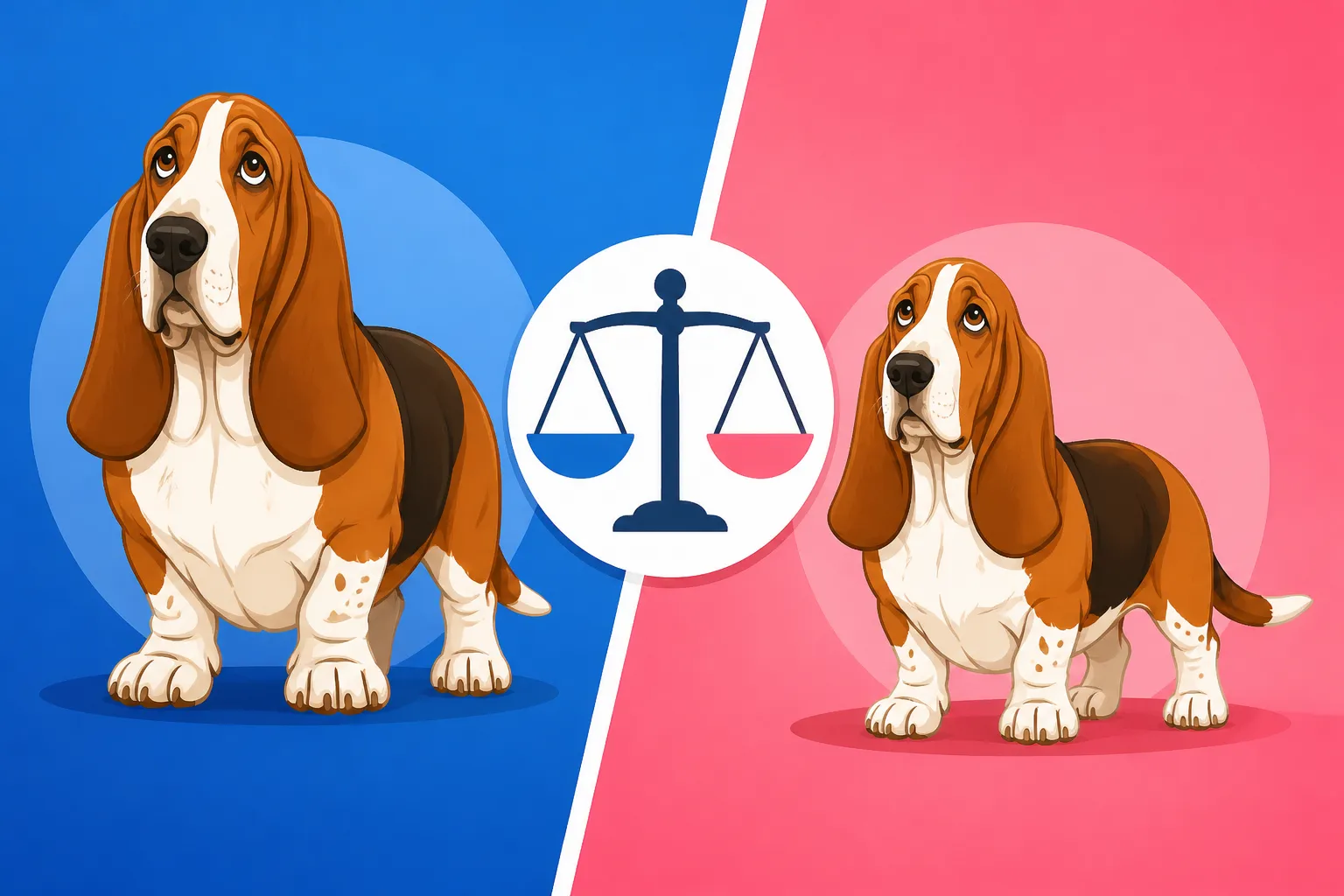
The official breed standard outlines what a Basset Hound should look like, including its general proportions, height, and weight. While both males and females are built low to the ground with substantial bone, there are usually slight distinctions. Generally, a fully mature Basset Hound male will stand a bit taller at the shoulder and carry more weight than a female. It’s not a drastic difference like you might see between a male and female Great Dane, but it’s certainly noticeable to an experienced eye or when standing side-by-side.
For instance, a male Basset Hound typically falls within a certain height range, and his weight will naturally align with that stature, reflecting his robust build and heavy bone. Females, while still possessing that wonderful Basset Hound heft and substance, usually come in at the lower end of the height and weight scale. It’s important to remember these are averages, and individual dogs can, and often do, vary. So, while your male might be expected to be bigger, it doesn't mean every single male will outweigh every single female you ever meet. How Tall a Basset Hound Stands at the Shoulder will give you a good idea of what to expect on the tape measure.
How "Heavy Boned" Affects Perceived Size
One of the defining characteristics of a Basset Hound is their incredible bone structure. They are surprisingly heavy for their relatively short stature. This "heavy boned" quality can sometimes make even a smaller Basset Hound feel quite substantial, blurring the lines of perceived size. When you pick up a Basset Hound, regardless of sex, you'll be amazed at the solid mass you're holding. This isn't fluff; it's dense bone and muscle.
This characteristic means that even a female Basset Hound, who might be shorter and lighter than her male counterpart, will still feel incredibly solid and substantial. It’s not uncommon for people unfamiliar with the breed to guess their weight incorrectly, often underestimating just how much dog is packed into that low-slung frame. This inherent denseness contributes to the breed's overall impression of being a hefty dog, regardless of minor gender differences. It's truly a unique part of their charm!
Typical Size Differences Between Male and Female Basset Hounds
So, let's get down to the nitty-gritty: what are the actual differences you might observe between a male and female Basset Hound? While there's no hard and fast rule for every single dog, we can talk about general trends that hold true across the breed.
Average Height and Weight Ranges
On average, male Basset Hounds tend to be slightly taller and heavier than females. We're often talking about an inch or two in height and anywhere from 5 to 15 pounds in weight once they're fully mature. A full-grown male might typically fall within a weight range that's a bit higher than a female's typical range. For instance, if you look at the breed standard, you'll see a healthy, well-conditioned male might weigh more than a healthy female.
It’s not just about the numbers on the scale or the tape measure, though. Males often present with a more masculine, robust appearance overall. Their heads might be a bit broader, their chests deeper, and their general build a tad more powerful. Females, while still wonderfully substantial, can appear a touch more refined, though this is a very subtle difference in a breed known for its robust construction. For more specifics on what to aim for, check out How Much a Basset Hound Should Weigh and What an Adult Basset Hound Weighs.
Here's a general comparison table:
| Characteristic | Male Basset Hound (Typical Range) | Female Basset Hound (Typical Range) |
|---|---|---|
| Height (at shoulder) | Slightly taller | Slightly shorter |
| Weight | Heavier | Lighter |
| Bone Structure | Very heavy bone | Heavy bone |
| Build | More muscular, broader head | Slightly more refined, smaller head |
| Overall Impression | More robust, substantial | Still substantial, but a touch less massive |
Note: These are general observations and individual Basset Hounds can vary significantly based on genetics, diet, and overall health.
What These Differences Look Like in Real Life
In practical terms, a male Basset Hound might simply take up a bit more space on your couch or require a slightly larger dog bed. If you're someone who might need to lift your Basset Hound into a car or over an obstacle (which, let's be honest, happens quite a bit with those short legs and long backs), an extra 10-15 pounds can make a real difference. For instance, if you're browsing for a new crate or an orthopedic bed on a site like Chewy, you might find yourself opting for the next size up for a male compared to what you'd choose for a female.
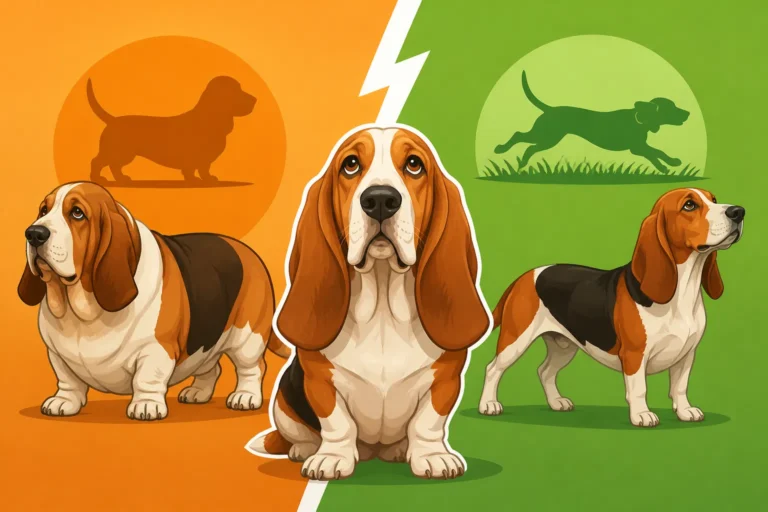
The physical differences can also affect how they move. A heavier male might appear a bit more ponderous on walks, though both sexes are known for their leisurely pace once a scent trail isn't involved! For both males and females, keeping them at their ideal weight is crucial for their long-term health, especially considering their predisposition to back and joint issues. What Extra Weight Does to a Basset Hound highlights just how important this is.
Factors Influencing a Basset Hound's Adult Size
While genetics certainly play a primary role in determining whether a male Basset Hound is bigger than a female, it's not the only factor. Several other elements can influence how large your Basset Hound ultimately grows, whether they're male or female.
Genetics and Lineage
The genetic blueprint inherited from their parents is the most significant determinant of a Basset Hound's adult size. If both parents are on the larger side of the breed standard, their puppies, both male and female, are likely to be larger. Conversely, puppies from smaller parents tend to mature into smaller adults. This is why a reputable breeder will be able to give you a good estimate of a puppy's likely adult size based on the parents and their lineage. You might find some variation even within the same litter, where one male puppy grows to be quite large while another is more moderate.
It's also worth noting that some lines within the breed, whether "show" lines or "field" lines, might inadvertently favor certain physical traits, including size. While the breed standard remains consistent, individual breeders might prioritize different aspects, which can subtly influence the average size of dogs from their kennels. Whether a Basset Hound Was Bred to Be Followed on Foot delves into some of the history behind their physical traits.
Nutrition and Growth Rate
Proper nutrition during puppyhood and adolescence is absolutely critical for healthy growth. Overfeeding a Basset Hound puppy, especially with food that's too high in calories or protein for rapid growth, can lead to skeletal problems down the line. While it might seem like you're helping them grow bigger, it can actually put undue stress on their developing joints and bones. This is particularly important for breeds like the Basset Hound, which are prone to orthopedic issues. Feeding a good quality, appropriate large-breed puppy food (if recommended by your vet) and carefully monitoring their weight will ensure they grow at a healthy, steady pace.
Conversely, underfeeding can stunt growth, but this is less common with Basset Hounds who are generally highly food motivated! Once they hit adulthood, maintaining their ideal weight through portion control and appropriate exercise is key. How Much Food an Adult Basset Hound Eats Monthly offers insights into their dietary needs. A healthy diet, perhaps sourced from a trusted retailer like Chewy, is key to sustained well-being.
Overall Health and Activity Levels
A Basset Hound's general health throughout its life can also impact its size and overall condition. Chronic illness or poor health can sometimes lead to a failure to thrive or, conversely, to obesity if activity levels drop significantly. Regular veterinary care, keeping up with vaccinations, and prompt attention to any health concerns will help ensure your Basset Hound grows to its full, healthy potential.
While Basset Hounds aren't high-energy athletes, consistent, moderate exercise is essential for building and maintaining muscle mass and keeping them at a healthy weight. A sedentary lifestyle, combined with a hearty appetite, is a recipe for an overweight Basset Hound, regardless of gender. An overweight Basset Hound might appear bigger, but this is an unhealthy kind of "big" that puts immense strain on their delicate backs and joints. Keeping a Basset Hound at Its Correct Weight is paramount for their longevity and comfort.
Why Gender Might Matter in Your Basset Hound Choice
Beyond the simple question of size, there are a few practical and behavioral considerations that might lead you to prefer a male or female Basset Hound. While individual personalities are always unique, some general tendencies can sometimes be observed.
Practical Considerations for Size and Strength
If you're looking for a Basset Hound that will be easier to manage physically, especially when it comes to lifting, a female might be a slightly more manageable choice due to her typically lighter weight. A heavier male can be quite a handful if you need to carry him up and down stairs or into the car, especially as he ages and becomes less mobile. The longer back and shorter legs mean they can't always navigate obstacles that other dogs might easily clear, so you'll be doing some lifting.
Consider also the space they take up. While both are low-slung, a broader, heavier male might demand a slightly larger footprint in his crate, on his bed, or snuggled next to you on the sofa. If you are looking for specific items like a car ramp or an extra-large orthopedic bed, a quick search on Chewy can show you the range of options available for these substantial hounds. Also, be prepared that Whether a Basset Hound Needs a Bigger Crate Than Expected is a very real consideration!
Temperament and Personality Nuances
While individual personalities vary tremendously, some owners report subtle differences in temperament between male and female Basset Hounds. Males are sometimes described as being a bit more goofy, playful, and attention-seeking, often staying in a "puppy-like" mindset for longer. They might be more overtly affectionate and eager for cuddles. Females, on the other hand, can sometimes be perceived as a touch more independent, serious, or queenly. They might be equally affectionate but perhaps on their own terms.
These are generalizations, of course, and you will find incredibly sweet, playful females and more reserved males. The best way to assess temperament is to spend time with the individual puppies or adult dogs you are considering, regardless of gender. Your specific household dynamics, training methods, and socialization efforts will have a much greater impact on your Basset Hound's personality than whether they are male or female.
Reproductive Health and Hormonal Influences
Beyond size, the most significant difference between male and female Basset Hounds relates to reproductive health and hormonal cycles. Unspayed females will go through heat cycles, which involve bleeding, hormonal shifts, and attracting intact males. This requires careful management to prevent unwanted pregnancies. Unneutered males, driven by hormones, can sometimes be more prone to marking territory, wandering if they catch the scent of a female in heat, and exhibiting some dominance behaviors.
Most pet owners choose to spay or neuter their Basset Hounds, which largely eliminates these gender-specific hormonal influences. Spaying a female or neutering a male can often lead to a more even-keeled temperament and removes the risks associated with reproductive health issues. However, if you opt not to spay or neuter, these factors will become a significant part of your ownership experience, affecting everything from training to daily management. Whether a Neutered Basset Hound Gains Weight is a common question, as metabolism can change after these procedures.
Disclaimer
This article is for general informational purposes only and does not constitute professional advice. Laws, prices and regulations vary by location and change over time. Consult a qualified professional for guidance on your specific situation.