Intervertebral Disc Disease in a Basset Hound
As Basset Hound owners, we often marvel at their distinctive long bodies and short, sturdy legs. It’s part of their charm, isn't it? But beneath that adorable, low-slung silhouette lies a significant vulnerability: their spine. Many of us have faced, or dread facing, the sudden onset of back pain in our beloved hounds, often due to Intervertebral Disc Disease (IVDD). This guide aims to shed light on IVDD in Basset Hounds, helping you understand, recognize, and manage this challenging condition to give your furry friend the best possible quality of life.
Understanding Intervertebral Disc Disease in Basset Hounds
The sheer joy of watching a Basset Hound waddle, nose to the ground, is undeniable. Their unique conformation, however, makes them particularly susceptible to certain health issues, and spinal problems are right at the top of that list. Intervertebral Disc Disease, or IVDD, is not just a fancy medical term; it’s a very real, often painful, and sometimes devastating condition that affects many Basset Hounds.
What is Intervertebral Disc Disease?
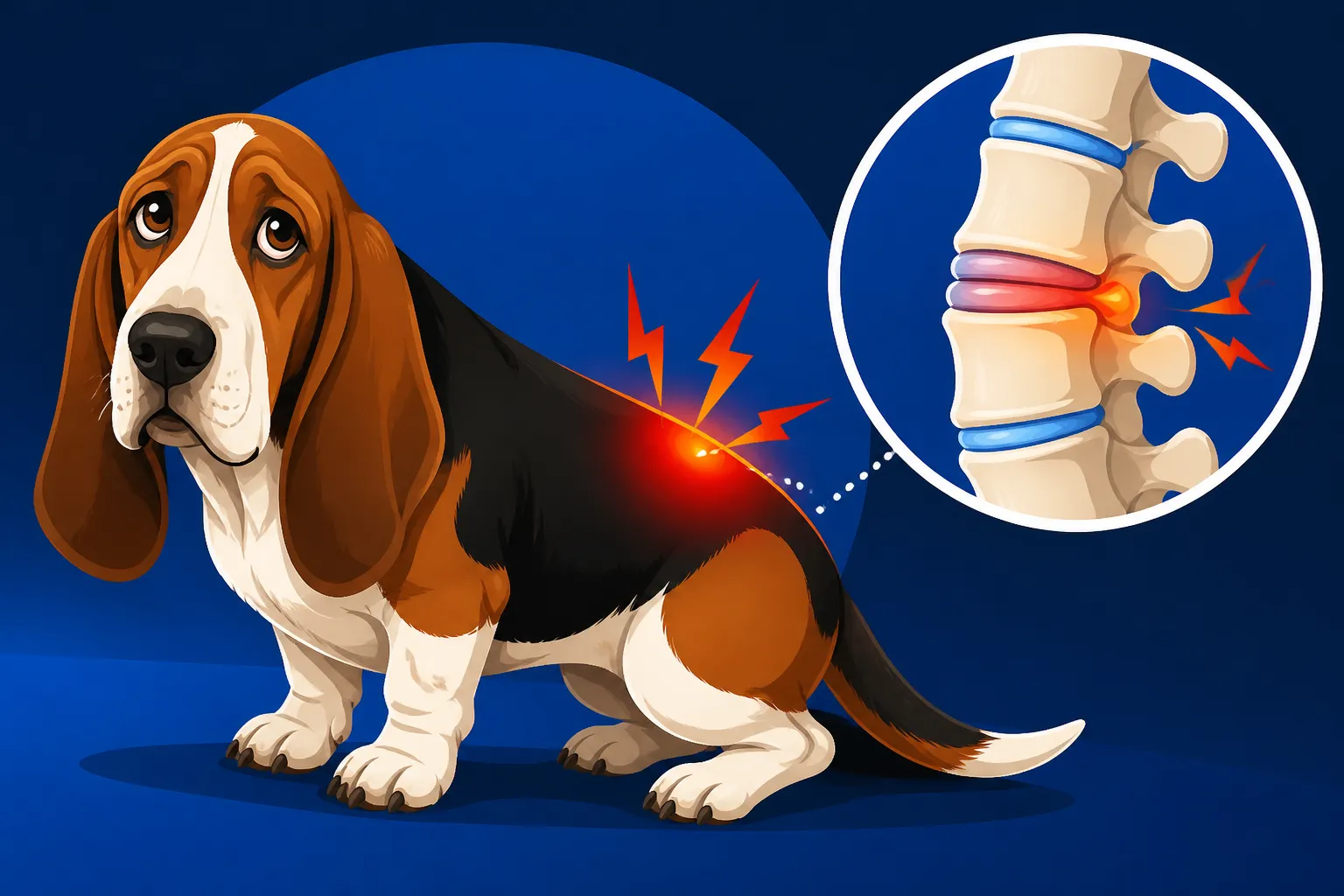
Imagine your Basset's spine as a stack of building blocks, the vertebrae. Between each of these blocks, there are soft, jelly-filled cushions called intervertebral discs. These discs act as shock absorbers, allowing for flexibility and protecting the spinal cord from impacts as your hound moves, jumps, and does all those wonderful Basset things. In a healthy dog, these discs are flexible and resilient.
However, in certain breeds, including our beloved Basset Hounds, these discs can start to degenerate prematurely. This is known as chondrodystrophy, a fancy word that simply means abnormal cartilage development. Instead of remaining soft and jelly-like, the inner material of the disc hardens, often calcifying. When this happens, even a normal movement – a small jump, a twist, or even just walking – can cause the disc to rupture or herniate. This means the hardened material either pushes out or explodes into the spinal canal, where the delicate spinal cord resides. The pressure on the spinal cord can range from mild discomfort to severe pain, weakness, nerve damage, and even complete paralysis. It's a bit like a slipped disc in humans, but often far more acute and debilitating for our four-legged friends.
Why Basset Hounds Are Prone to IVDD
It might seem unfair that the very traits that make Basset Hounds so endearing also put them at risk, but that's the reality of their genetics. Their long backs, coupled with those characteristically short, bowed legs, are a classic example of chondrodystrophy at work. This genetic predisposition means their discs are simply not as robust as those in other breeds. They are designed in a way that makes them more susceptible to that early degeneration and calcification we just talked about.
Think about it: a Basset's spine is like a long, low bridge under constant gravitational stress, with discs that are inherently weaker than average. When a Basset Hound jumps off the sofa, scrambles up stairs, or even just twists unexpectedly, those compromised discs are put under immense strain. Unlike breeds with more compact, athletic builds, the Basset's body mechanics don't offer the same level of protection. This is why you'll often hear discussions about "The Back Trouble a Basset Hound Is Built Into" because their very anatomy makes them prime candidates for conditions like IVDD. It's not just bad luck; it's deeply ingrained in their breed characteristics, making proactive care and awareness absolutely vital for any Basset owner.
Recognizing the Signs and Symptoms
One of the most agonizing aspects of IVDD is the suddenness with which it can strike, turning a playful, lumbering Basset into a dog wracked with pain or even unable to move. Catching the signs early is absolutely crucial for the best possible outcome, but Basset Hounds can be surprisingly stoic, or their general "stubbornness" can mask underlying discomfort.
Subtle Early Indicators
It's tempting to dismiss a slight hesitation or a grumpy refusal to move as just your Basset being… well, a Basset. But with IVDD, these subtle changes can be red flags. Keep an eye out for:
- Reluctance to move: Does your Basset seem hesitant to jump on or off furniture, even if they usually do? Do they seem stiff when getting up after a nap? They might avoid going up or down stairs, or protest when lifted. What might seem like a sudden bout of laziness could actually be a sign of pain.
- Altered gait: You might notice a slight unsteadiness in their back legs, a drunken wobble, or an unusual stiffness when they walk. They might drag their paws slightly or seem to scuff their nails more than usual. This is particularly noticeable when they're trying to walk in a straight line or turn.
- Sensitivity to touch: A dog that normally loves a good back scratch might suddenly yelp or flinch when you touch their spine or even their side. They might resist being picked up, especially if you try to support them under their chest. Pay close attention to any vocalization of pain when handled.
- Changes in personality or behavior: A normally happy-go-lucky Basset might become withdrawn, quiet, or even irritable. They might seek solitude, hide under furniture, or lose interest in food or toys. Conversely, some might become clingier, seeking comfort. It's not just "whether a Basset Hound is stubborn or just not interested"; it could be pain speaking.
- Shivering or shaking: This isn't always related to cold. Shivering, even in a warm environment, can be a sign of significant pain.
- Arched back or tense abdominal muscles: Dogs in spinal pain will often try to protect their back by arching it, making their posture look hunched. Their abdominal muscles might feel unusually tight.
These early "The Signs a Basset Hound Has Hurt Its Back" can be fleeting, so it takes a keen eye and intimate knowledge of your Basset's normal behavior to spot them. Don't brush off a change in demeanor as just a bad mood.
Acute and Severe Symptoms
When IVDD progresses rapidly or involves a severe disc herniation, the symptoms become much more alarming and indicate an emergency. This is when immediate veterinary attention is paramount.
- Sudden, excruciating pain: Your Basset might yelp loudly, spontaneously, or when touched even lightly. They may cry out repeatedly and be unable to settle down. This is a clear indicator that something is terribly wrong.
- Partial or complete paralysis: This is perhaps the most frightening symptom. You might find your Basset unable to use one or both of their back legs. They may drag their hindquarters, be unable to stand, or struggle to coordinate their movements. In severe cases, they might lose sensation in their limbs entirely.
- Incontinence: Loss of bladder or bowel control is a critical sign of severe spinal cord compression. This can range from dribbling urine to being unable to hold their eliminations at all. This indicates significant nerve damage and requires urgent medical intervention.
- Paresis (weakness): Even if not fully paralyzed, their hind limbs might be noticeably weak, giving out beneath them, or causing them to stumble frequently.
- Proprioceptive deficits: This is a fancy way of saying they don't know where their feet are. If you gently flip one of your Basset's back paws so the top of the paw is on the ground, a healthy dog will immediately correct it. A dog with IVDD might leave it flipped, indicating neurological impairment.
If you observe any of these severe symptoms, time is of the essence. Get your Basset Hound to an emergency veterinarian immediately. Delay can lead to irreversible damage.
Diagnosis and Treatment Options
Discovering your Basset Hound has IVDD can feel like a punch to the gut. The fear, the pain your dog is in, and the uncertainty of what comes next are overwhelming. Rest assured, veterinarians are well-versed in diagnosing and treating this condition, and there are often several paths forward.
The Diagnostic Process
When you bring your Basset in with suspected IVDD, the diagnostic journey typically begins with a thorough physical and neurological examination. Your vet will assess your dog's gait, reflexes, pain response, and proprioception – checking if they know where their paws are in space. This initial exam helps pinpoint the general area of the spine affected and the severity of the neurological deficit.
Plain X-rays are often the first imaging step. While they can sometimes show calcified discs or narrowing of disc spaces, they aren't always definitive for IVDD itself, as they primarily show bone, not soft tissues like the spinal cord or discs. Think of it as a helpful initial screen, but not the full picture. To truly visualize the disc herniation and its impact on the spinal cord, advanced imaging is required. This usually means a Myelogram, CT scan, or, ideally, an MRI (Magnetic Resonance Imaging). An MRI is considered the gold standard because it provides the most detailed images of soft tissues, clearly showing where the disc material is compressing the spinal cord. The downside is that these advanced diagnostics require general anesthesia and can be quite costly. This is where many owners consider whether "What a Basset Hound's MRI Costs" is feasible, and for some, having a robust pet insurance policy like those offered by Healthy Paws can make a significant difference in covering these essential diagnostic steps.
Conservative Management
For Basset Hounds with milder signs of IVDD – perhaps just pain or slight weakness, but no paralysis – conservative management is often the first line of defense. The cornerstone of this approach is strict crate rest. We're talking about a period of absolute minimal movement, usually for 4-6 weeks, sometimes longer. Your Basset should only leave their crate for potty breaks, always on a leash, and lifted if necessary. This sounds simple, but for a Basset Hound, it can be a challenge! Their innate curiosity and love for sniffing out every scent make enforced rest quite difficult, and you'll need to get creative with enrichment that doesn't involve movement, like puzzle toys.
Alongside rest, medication plays a vital role. Anti-inflammatory drugs, such as NSAIDs (non-steroidal anti-inflammatory drugs) or corticosteroids, are prescribed to reduce swelling and pain around the affected disc and spinal cord. Muscle relaxants might also be given to ease muscle spasms that often accompany spinal pain. It's crucial to follow your veterinarian's instructions precisely, as incorrect dosages or combinations of medications can be harmful. While conservative treatment can be effective for some Bassets, especially with careful adherence, it's not a guaranteed fix and there's always a risk of recurrence or worsening symptoms.
Surgical Intervention
When conservative management fails, or if your Basset Hound presents with severe neurological deficits like paralysis or loss of bladder control, surgical intervention becomes the primary and often most effective treatment option. The goal of surgery is to relieve the pressure on the spinal cord by removing the herniated disc material. The most common procedure is a laminectomy or hemilaminectomy, where a window is carefully cut into the bone of the vertebra to access and remove the offending disc material.
This is a delicate procedure performed by a veterinary neurologist or surgeon. The recovery period post-surgery is critical and also requires strict rest, often in a specialized recovery area, followed by weeks of limited activity at home. Physical therapy is almost always recommended after surgery to help your Basset regain strength, coordination, and proprioception. While surgery carries risks, the success rates for Basset Hounds with IVDD can be very good, especially if performed promptly after the onset of severe symptoms. Many owners agonize over "Whether a Basset Hound's Disc Surgery Is Worth It," but for many, it offers the best chance at regaining full or near-full function. The cost of surgery, like "What Back Surgery Costs a Basset Hound Owner," can be substantial, again highlighting the benefit of pet insurance.
Here's a quick comparison of treatment approaches:
| Feature | Conservative Management | Surgical Intervention |
|---|---|---|
| Severity of Symptoms | Mild pain, slight weakness, no paralysis/incontinence | Severe pain, paralysis, incontinence, worsening symptoms |
| Primary Goal | Reduce inflammation, pain; allow disc to heal naturally | Remove disc material, relieve spinal cord compression |
| Key Treatment | Strict crate rest, pain relievers, muscle relaxants | Decompressive surgery (e.g., laminectomy) |
| Recovery Time | 4-8 weeks strict rest, followed by gradual activity | 6-12 weeks strict rest, followed by intensive rehab |
| Cost | Generally lower (medication, vet visits) | Significantly higher (diagnosis, surgery, hospitalization, rehab) |
| Success Rate | Variable, depends on severity and compliance | Generally good for regaining function if performed promptly |
| Risk of Recurrence | Higher | Lower in the surgically treated area, but other discs can still degenerate |
Living with IVDD and Prevention Strategies
An IVDD diagnosis is life-changing, both for your Basset Hound and for you as their dedicated owner. Whether your hound undergoes surgery or is managed conservatively, the journey often involves significant lifestyle adjustments. But with thoughtful care and proactive measures, many Basset Hounds can live full, happy lives.
Home Modifications and Support
One of the biggest challenges for a Basset Hound with IVDD, or even one recovering, is navigating their environment. Their short legs and long back make everyday activities like jumping onto furniture or climbing stairs inherently risky. This is where home modifications become essential.
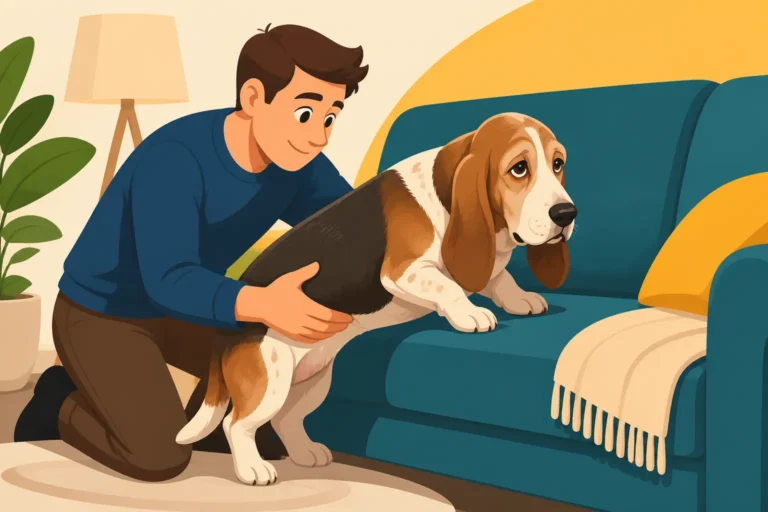
- Ramps and steps: Invest in sturdy, non-slip ramps or pet steps to help your Basset access their favorite sofa or bed without putting undue strain on their spine. This directly addresses the concern of "Whether a Basset Hound Should Jump Off Furniture" or "Whether a Basset Hound Should Climb Stairs." Getting them accustomed to using these early, even before an injury, is a fantastic preventive measure.
- Orthopedic bedding: A supportive, comfortable bed can make a world of difference for a Basset with a sensitive back. Look for orthopedic foam beds that cushion joints and provide even support, rather than allowing them to sink or slump.
- Safe lifting techniques: If you need to lift your Basset Hound, always support their entire body, especially their back. One hand should be under their chest, and the other under their hindquarters, keeping their spine as straight as possible. Avoid lifting them by just their front legs or under their belly, which can strain their back.
- Non-slip flooring: If you have hardwood or tile floors, consider placing rugs or runners in frequently used areas. Slippery surfaces can cause your Basset to splay out, leading to sudden twists or falls that could re-injure their back.
These modifications aren't just for recovery; they are crucial for preventing future IVDD episodes. Think of them as an investment in your Basset's long-term spinal health.
Long-term Care and Rehabilitation
The road to recovery, especially after surgery, is a marathon, not a sprint. Long-term care and rehabilitation are key to maximizing your Basset's mobility and preventing further issues.
- Physical therapy: This is an absolute game-changer. A certified canine rehabilitation therapist can guide you through exercises designed to strengthen core muscles, improve balance, and restore range of motion. This might include gentle stretches, passive range of motion exercises, therapeutic exercises, and even modalities like laser therapy. For many owners, the cost of "What Physical Therapy Costs a Basset Hound Owner" is well worth the investment in their dog's recovery.
- Hydrotherapy: Water therapy, often performed on an underwater treadmill, is incredibly beneficial. The buoyancy of the water reduces stress on the joints and spine, allowing your Basset to exercise and rebuild muscle mass without bearing their full weight. It's also a fantastic way to engage their muscles in a low-impact environment.
- Weight management: Keeping your Basset Hound at a healthy weight is paramount. Extra pounds put additional strain on their already vulnerable spine, significantly increasing the risk of IVDD and complicating recovery. This ties directly into the critical issue of "What Extra Weight Does to a Basset Hound" and "Keeping a Basset Hound at Its Correct Weight." Work with your vet to determine the ideal weight for your Basset and establish a diet and exercise plan.
- Mobility aids: In cases of severe or permanent paralysis, mobility aids like a dog cart or wheelchair can offer an incredible quality of life. This allows dogs to remain active and engaged, even if their back legs are no longer functional. Considering "Whether a Basset Hound Needs a Cart" can be a difficult but ultimately rewarding decision for severely affected hounds.
Preventive Measures
While you can't completely eliminate the genetic predisposition to IVDD in Basset Hounds, you can certainly take proactive steps to minimize the risk and support their spinal health throughout their lives.
- Controlled exercise: Regular, moderate exercise is important for maintaining muscle tone and a healthy weight, but avoid high-impact activities, excessive jumping, or rough play that involves twisting motions. Short, frequent walks on a leash are generally better than long, strenuous outings.
- Diet and supplements: A high-quality diet is essential. Discuss with your veterinarian whether joint supplements containing ingredients like glucosamine, chondroitin, and omega-3 fatty acids might be beneficial, especially as your Basset ages. These can support cartilage health.
- Early training: Teach your Basset Hound to use ramps and steps from a young age. Train them to sit and stay calmly rather than jumping up. Controlled interactions will help keep their back safe.
- Regular veterinary check-ups: Routine exams allow your vet to monitor your Basset's weight, gait, and overall health, catching subtle signs of issues before they escalate. Don't be afraid to discuss your concerns about IVDD risk at these appointments.
- Pet insurance: While not a preventive measure in itself, having a good pet insurance policy, like those offered by Healthy Paws, is one of the best ways to prepare for the potential financial strain of IVDD diagnosis and treatment. Knowing you have support for "What a Basset Hound's Emergency Surgeries Cost" can ease the burden during an already stressful time.
By understanding IVDD, recognizing its signs, and committing to preventive and supportive care, you can help your Basset Hound enjoy a comfortable, happy, and long life, despite the challenges their unique build may present.
Disclaimer
The information provided in this article is for educational purposes only and is not a substitute for professional veterinary advice. If you suspect your Basset Hound is suffering from IVDD or any other health condition, please consult with a qualified veterinarian immediately.