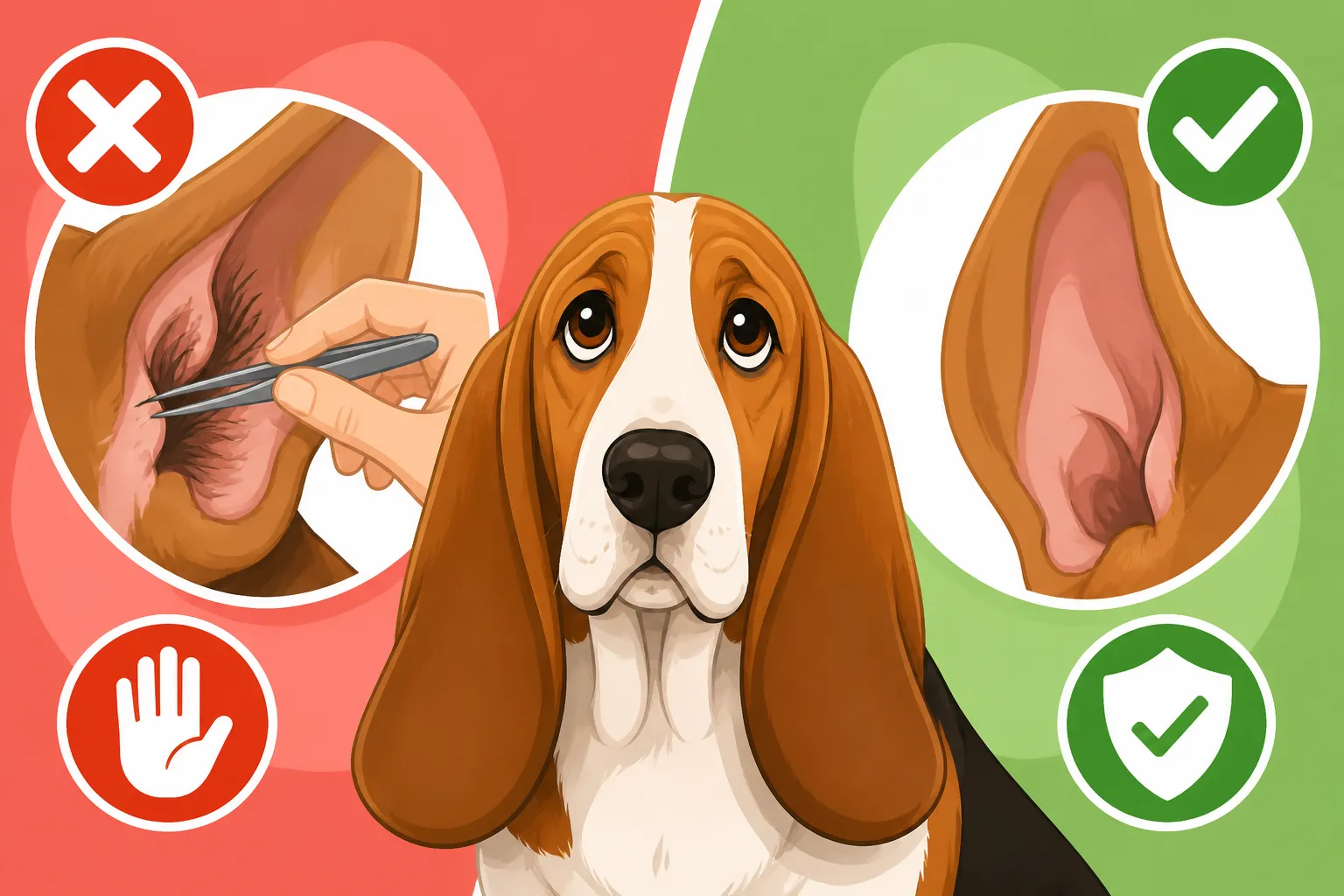
Whether a Basset Hound’s Ear Hair Should Be Plucked
One of the most common worries Basset Hound owners grapple with is the constant battle against ear infections. You’ve probably heard conflicting advice from well-meaning friends, groomers, or even different vets about how to best keep those magnificent, long ears healthy, and a frequent point of confusion is whether you should be plucking the hair from inside their ear canals. This guide aims to clear up that mystery, providing realistic, empathetic, and thoroughly informed advice on what’s truly best for your Basset’s sensitive ears.
Understanding Your Basset Hound's Unique Ear Anatomy
Let's face it, a Basset Hound's ears are iconic. They're long, they're heavy, and they're undeniably adorable. But what makes them so special also makes them particularly vulnerable to a host of ear problems. Understanding this unique anatomy is the first step toward effective and compassionate care.
Why Basset Hounds Are Prone to Ear Issues
The very features that give Basset Hounds their charming, mournful expression are the same ones that set the stage for recurrent ear infections. Their long, pendulous ear flaps effectively seal off the ear canal, creating a warm, moist, and poorly ventilated environment. Think of it like a tiny, damp greenhouse—perfect for bacteria and yeast to thrive. Unlike breeds with upright ears, air circulation is severely restricted, meaning any moisture, whether from a bath, a drink of water, or even just humidity, gets trapped inside. This constant dampness softens the delicate skin lining the ear canal, making it more susceptible to irritation and infection. It's a frustrating reality that many Basset owners face, feeling like they're constantly fighting an uphill battle. You might even find yourself asking, "Why a Basset Hound's Ear Canal Never Dries," and the answer truly lies in their design.
Beyond the external flaps, the internal structure of a Basset Hound's ear canal is also different. It has a distinctive L-shape, with a vertical canal leading down to a horizontal one before reaching the eardrum. This convoluted path makes it incredibly difficult for debris, wax, or fluid to drain naturally. Instead, everything tends to accumulate and get stuck, creating an ideal breeding ground for pathogens. This anatomical predisposition means that even with diligent care, Bassets are often frequent flyers at the vet for ear-related complaints, and it's why understanding effective preventive measures is so crucial.
The Role of Ear Hair in the Canal
Now, about that ear hair. Inside your Basset Hound's ear canal, you'll find varying amounts of hair. Some Bassets have sparse, fine hairs, while others might have a thicker growth. For a long time, conventional wisdom suggested that this hair was a major culprit in trapping wax and debris, thereby exacerbating ear infections. The idea was that removing this hair would open up the canal, improve airflow, and reduce the likelihood of problems.
However, recent veterinary understanding has challenged this notion significantly. While it's true that some hair might intertwine with wax, the hair itself is not the primary cause of poor ventilation in Bassets; their ear flap structure and the L-shaped canal are far bigger contributors. Furthermore, the act of plucking can actually be counterproductive. Each hair follicle contains nerves and blood vessels, and forcibly removing these hairs can cause micro-trauma, inflammation, and pain. This irritation can make the ear more susceptible to infection, not less. It creates tiny open wounds where bacteria can easily enter and flourish, turning a perceived solution into a new problem.
The Great Debate: To Pluck or Not To Pluck?
For years, ear hair plucking was a standard practice in dog grooming, especially for breeds with hairy ear canals. But veterinary science has evolved, leading to a much more nuanced — and often contradictory — understanding of its benefits and risks.
Arguments for Plucking
Historically, groomers and many veterinarians advocated for plucking ear hair, especially for breeds prone to ear infections like Poodles, Schnauzers, and yes, Basset Hounds. The primary arguments in favor were based on the premise of improving airflow and preventing the buildup of wax and debris. It was believed that a clear, hair-free canal would allow air to circulate more freely, reducing the warm, moist environment that yeast and bacteria love.
Proponents of plucking also argued that removing the hair made it easier for ear cleaning solutions to penetrate the canal and do their job effectively. When hair is densely packed, it can act as a barrier, preventing cleansers from reaching the deepest parts of the ear canal where infections often brew. Some owners and groomers also felt that plucking reduced the amount of "gunk" that could get matted in the hair, making the ears appear cleaner and less prone to odor. This practice was, for a long time, seen as a proactive measure against the frustrating cycle of ear problems that so many Basset Hound owners experience.
Arguments Against Plucking
In recent years, the tide has largely turned against routine ear hair plucking in the veterinary community, particularly for Basset Hounds. The overwhelming consensus now points to the potential harm it can cause. When you pluck hair, you're not just removing the hair shaft; you're often causing trauma to the delicate lining of the ear canal. This trauma can lead to:
- Inflammation and Pain: The pulling sensation is inherently uncomfortable for the dog, and the resulting inflammation within the ear canal creates a perfect environment for bacterial growth. Imagine pulling hairs from your own nose or ear – it's not a pleasant experience, and it can leave the area sensitive and irritated.
- Micro-abrasions and Open Wounds: Each plucked hair leaves a tiny, open wound. These microscopic openings are direct entry points for bacteria, turning a supposedly preventative measure into a pathway for infection. Instead of a healthy ear, you've created an inflamed, vulnerable one.
- Damage to Follicles: Repeated plucking can damage the hair follicles themselves, potentially leading to scar tissue or ingrown hairs, which can cause even more discomfort and recurring issues down the line.
Many veterinarians now believe that the benefits of plucking for breeds like Basset Hounds are far outweighed by these risks. The anatomical issues of a Basset's ear (the long floppy ears, the L-shaped canal) are much more significant factors in ear health than the presence of hair. In fact, if your Basset Hound needs ear drops for life, continuous plucking could actually make treatment harder and less effective due to inflammation.
Here's a quick comparison of the common arguments:
| Feature/Practice | Arguments For Plucking | Arguments Against Plucking |
|---|---|---|
| Airflow | Believed to increase air circulation | Minimal impact; anatomical structure is the main barrier |
| Wax/Debris Buildup | Prevents hair from trapping wax | Plucking itself can cause inflammation, trapping more debris |
| Infection Risk | Reduces moist environment | Increases risk of infection due to micro-trauma and inflammation |
| Cleaning Ease | Allows cleansers to penetrate deeper | Irritation makes ear more sensitive to cleaning products |
| Dog Comfort | Perceived long-term benefit for ear health | Painful, causes immediate discomfort and stress for the dog |
| Veterinary Consensus | Older, less current practice | Current recommendation by most vets is against routine plucking |
When Plucking Might Be Considered and By Whom
While routine plucking is largely discouraged, there are extremely rare instances where a veterinarian might recommend it. This is usually only in cases of severe, chronic ear infections where the ear canal is so completely occluded by matted hair and debris that other treatments cannot effectively reach the infection site. Even then, it's typically performed under sedation by a veterinarian, not a groomer or owner, to minimize pain and trauma. The goal in these rare circumstances is often to create a clear pathway for medication to work, not as a general preventative measure.
It’s absolutely crucial that this decision is made by your vet after a thorough examination, including possibly an otoscopic exam and cytology. Never attempt to pluck your Basset Hound’s ear hair yourself unless explicitly instructed and shown how by a qualified veterinarian, and even then, question whether alternatives are available. For most Bassets, the best approach is to leave the ear hair alone and focus on other, less invasive, and more effective ear care strategies.
The Realities of Basset Hound Ear Care Beyond Plucking
Since plucking is generally not recommended, what should you be doing to care for your Basset Hound's ears? The answer lies in consistent, gentle, and proactive maintenance, tailored to their unique needs.
Proper Cleaning Techniques
Regular and correct ear cleaning is the cornerstone of Basset Hound ear health. Because their ears are so good at trapping moisture and debris, preventing buildup is key. You'll want to get into a routine that involves a good quality ear cleaner and a gentle approach. When considering "Which Ear Cleaner Suits a Basset Hound", look for a non-irritating, veterinary-approved solution designed to dry and acidify the ear canal slightly, creating an inhospitable environment for pathogens. Your vet can recommend specific brands like Epi-Otic or TrizULTRA + Keto Flush.
The process of cleaning a Basset Hound's ears properly involves a few steps:
- Gather Supplies: Have your ear cleaner, cotton balls or soft gauze, and a towel ready. Avoid cotton swabs, as these can push debris further into the L-shaped canal or even damage the eardrum.
- Apply Cleaner Generously: Hold the ear flap up and squirt a generous amount of the cleaning solution directly into the ear canal until it's full. Don't be shy! You need enough liquid to really flush things out.
- Massage the Base of the Ear: Gently massage the base of your Basset's ear for about 30-60 seconds. You should hear a squishing sound, indicating the cleaner is breaking up wax and debris deep inside. This massage is critical for dislodging trapped material.
- Allow Them to Shake: Step back and let your Basset shake its head. This is a natural and effective way for them to expel the loosened cleaner and debris. Be ready for a spray!
- Wipe the Outer Ear: Use a cotton ball or gauze to gently wipe away any visible dirt, wax, or cleaning solution from the outer ear flap and the uppermost part of the ear canal. Remember, only wipe what you can see.
For many Bassets, this twice weekly ear ritual a Basset Hound owner signs up for becomes a normal part of their routine. Consistency is far more important than any aggressive cleaning efforts.
Recognizing Signs of Ear Trouble
Even with the most diligent cleaning, Basset Hounds can still develop ear infections. It’s essential to be vigilant and recognize the early signs so you can seek veterinary attention promptly. The sooner an infection is treated, the less chance it has to become chronic or lead to more severe complications.
Pay close attention to your Basset’s behavior and the condition of their ears. Common signs of ear trouble include:
- Head Shaking and Pawing at Ears: If your Basset is frequently shaking its head, tilting it to one side, or pawing at its ears more than usual, it's a strong indicator of discomfort.
- Odor: A healthy Basset ear has a very faint, neutral smell. If you notice a strong, yeasty, or foul odor – often described as sweet or sour – this is a classic sign of infection. Many owners ask, "Whether a Basset Hound's Ear Smells Sweet or Sour," and either can indicate an issue.
- Redness and Swelling: Gently lift your Basset’s ear flap and inspect the visible part of the ear canal. Look for any redness, swelling, or inflammation. The skin might appear angry or irritated.
- Discharge: Healthy ears might have a small amount of light brown wax. However, if you see excessive dark brown, black, yellow, or green discharge, especially if it’s thick or crusty, it’s a red flag for infection.
- Pain: Your Basset might vocalize, pull away, or even snap when you try to touch or clean their ears, indicating pain. This sensitivity is a clear sign that something is wrong.
- Changes in Ear Flap: Sometimes, a Basset Hound’s ear flap gets torn or they develop an aural hematoma (a blood blister) from excessive head shaking. This is a secondary problem but a clear sign of underlying ear discomfort.
If you observe any of these symptoms, don't delay. Schedule an appointment with your veterinarian. They will be able to properly diagnose the type of infection (bacterial, yeast, or both) and prescribe the appropriate medication.
Preventive Measures and Veterinary Partnerships
Beyond routine cleaning, a holistic approach to ear health can make a huge difference for your Basset Hound. This involves environmental management, regular veterinary check-ups, and sometimes, dietary considerations.
Firstly, managing moisture is paramount. After baths, ensure you thoroughly dry your Basset's ears, especially deep inside the ear flap where moisture can linger. If your Basset enjoys swimming, consider using an ear drying solution specifically designed for after-swim use. Keeping a Basset Hound's ears out of the water bowl can also help, perhaps with a snood or using a narrow, deep bowl.
Regular veterinary visits are not just for when things go wrong. Scheduled check-ups allow your vet to examine your Basset’s ears regularly and catch potential problems before they escalate. They can also perform a professional deep clean if necessary, especially if your Basset’s ear canal closes up due to chronic inflammation. Your vet is your best partner in managing your Basset’s ear health. They can advise on specific ear cleaners, medication for chronic conditions, and even discuss specialist referrals if your Basset suffers from severe, recurrent issues. This partnership is vital to prevent the ear infections that never really leave a Basset Hound.
Consider the potential for allergies. Many chronic ear infections in Basset Hounds are actually secondary to underlying allergies, either environmental or food-related. If your Basset struggles with persistent ear issues, discuss allergy testing or a food elimination trial with your vet. Addressing the root cause can significantly reduce the frequency and severity of ear infections, offering a level of relief you might not have thought possible.
Long-Term Management and Financial Considerations
Living with a Basset Hound, especially one prone to ear troubles, means embracing a lifelong commitment to their ear health. This commitment isn't just about time and effort; it also has financial implications that every owner should be prepared for.
The Ongoing Commitment to Ear Health
The reality is that for many Basset Hounds, ear care isn't a temporary fix; it's an ongoing process. You might spend a lifetime managing their ears, adapting your routine as their needs change with age or as environmental factors shift. This dedication means being consistent with cleaning, vigilant about spotting symptoms, and proactive in seeking veterinary care.
It can be frustrating, especially when you feel like you’re doing everything right and yet another infection crops up. But remember, you’re not alone in this. Many Basset Hound owners share this experience, and the key is persistence and a good partnership with your vet. Staying on top of routine cleaning, even when ears appear healthy, is critical in preventing the conditions that allow bacteria and yeast to flourish. This preventative routine is far less stressful and costly than treating full-blown, painful infections. For some Bassets, managing their ears means they need ear drops for life, especially if underlying allergies or anatomical challenges are severe.
Budgeting for Ear Care
Let's talk about the practical side: the cost. Ear care for a Basset Hound can add up, and it’s important to factor this into your overall pet budget. What chronic ear treatment costs a Basset Hound owner can range significantly depending on the severity and frequency of infections.
Here’s a breakdown of potential costs:
- Routine Cleaners: A good quality, veterinary-approved ear cleaner typically costs between $15-$30 per bottle. Depending on how often you clean, you might go through several bottles a year.
- Veterinary Consultations: A standard vet visit for an ear infection diagnosis usually ranges from $50-$100, not including diagnostics or medication.
- Diagnostics: Your vet will likely perform an ear cytology (microscopic examination of ear discharge) to identify the type of infection. This can add $20-$50 to the visit.
- Medications: Ear drops, antibiotics, or antifungal medications can range from $30-$80 or more per course, depending on the specific drug and duration of treatment. If the infection is severe or chronic, your Basset might need more expensive systemic antibiotics or anti-inflammatories.
- Specialist Referrals: In complex or recurring cases, your vet might recommend seeing a veterinary dermatologist, which can involve initial consultation fees of $200-$400, plus additional costs for specialized tests like allergy testing.
- Ear Canal Surgery: In extreme, chronic cases where the ear canal has become permanently narrowed and unresponsive to medical management, a Total Ear Canal Ablation (TECA) might be necessary. This is a major surgery with significant costs, often ranging from $2,000 to $5,000 or more per ear, including anesthesia, hospitalization, and follow-up care.
Considering these potential expenses, investing in pet insurance can be a wise decision for a Basset Hound owner. Providers like Healthy Paws can help offset the costs of unexpected illnesses, including recurrent ear infections that can be so common in the breed. While routine cleaning supplies might not be covered, the diagnostic tests, medications, and potential surgeries for severe infections often are, providing peace of mind and ensuring you can afford the best care for your furry friend. Many owners find that what a Basset Hound's ear care costs becomes a significant portion of their yearly vet bill, so planning ahead is key. Remember, prevention and early intervention are almost always less expensive than treating advanced disease.
Disclaimer
This article is intended for informational purposes only and does not constitute medical advice. Always consult with a qualified veterinarian for any health concerns or before making any decisions about your Basset Hound's care.