Knowing When an Old Basset Hound Has Had Enough
It's one of the most agonizing times a Basset Hound owner will ever face: looking into those soulful, droopy eyes and wondering if your beloved senior companion is truly happy, or if they're suffering in silence. The truth is, our Bassets age faster than we'd ever want, and the decision of "when" is fraught with guilt, love, and immense sorrow. This guide isn't here to make that decision for you, but to offer a compassionate, realistic framework to help you assess your aging Basset's quality of life and navigate this incredibly difficult journey with clarity and peace of mind.
The Heartbreaking Reality of Aging Basset Hounds
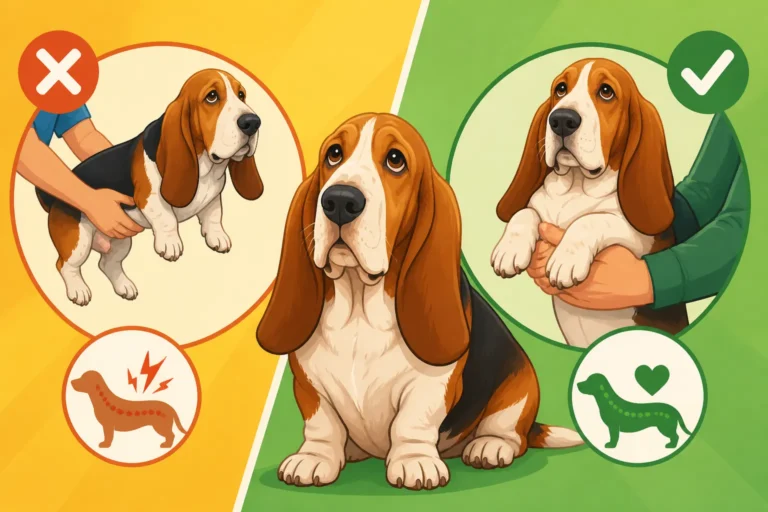
Watching your Basset Hound slow down is incredibly tough. One day they're bouncing around, nose to the ground, full of life, and the next, you notice a stiffness in their gait, a little less enthusiasm, or a long nap that lasts just a bit longer than usual. These changes creep up on us, making it hard to pinpoint exactly when "old" turned into "struggling." It's a natural part of life, but it doesn't make it any easier when it's your best friend. The unique physique of a Basset Hound, with their long backs and short legs, also predisposes them to certain age-related ailments that can significantly impact their comfort and mobility.
Recognizing Subtle Changes in Behavior
Your Basset Hound communicates through their actions, and often, the first signs that something isn't quite right are subtle shifts in their daily routine and personality. It's not about big, dramatic collapses, but a gradual erosion of their usual zest for life. Perhaps your Basset used to be obsessed with their morning walk, practically dragging you out the door. Now, they might hesitate, take a few steps, and then just sit down, unwilling to go further. This isn't laziness; it's often a sign of discomfort or pain.
Think about their favorite things: that special squeaky toy, the specific spot on the couch, the ritual of greeting you at the door. Has their interest waned? Do they struggle to get onto the sofa or refuse to engage with toys they once adored? Maybe they used to be your shadow, following you from room to room, but now they prefer to stay curled up in their bed. These aren't necessarily signs of a failing mind but can indicate that physical discomfort makes these activities less appealing or even painful. Observing these consistent, subtle changes over time, rather than just isolated incidents, provides a clearer picture of their declining well-being.
Another tell-tale sign can be changes in their interaction with you and other household members. A Basset known for being cuddly might start moving away when touched in certain spots, or conversely, a more independent Basset might seek out more reassurance. Some Bassets become more withdrawn, while others might become a bit grumpy or even snap when previously they wouldn't. This isn't a betrayal of their sweet nature; it’s a cry for help, a sign that they might be in pain or experiencing cognitive decline that makes them confused or irritable. It’s vital not to dismiss these behavioral shifts as simply "getting old" without trying to understand the underlying cause.
Physical Decline and Daily Struggles
Beyond behavioral changes, there are often clear physical indicators that an old Basset Hound is finding life increasingly challenging. Mobility issues are incredibly common, especially with their unique build. You might notice them struggling to stand, particularly after a long nap, or taking more time to navigate stairs or even a slight incline in the yard. Arthritis in a Basset Hound at Seven or even earlier is unfortunately a reality for many, and it can make every movement a painful effort. They might limp, favor certain legs, or walk with a hunched back, indicative of spinal discomfort.
Incontinence is another difficult issue many senior Bassets face. What starts as an occasional accident might become more frequent, leaving puddles where they never used to. This isn't a behavioral problem; it's often a sign that their bladder control is weakening or they simply can't hold it long enough or get to a suitable spot in time. Skin issues, like those found in The Skin Under a Basset Hound's Folds, can also become more prevalent and harder to manage as they age, causing chronic discomfort. These physical struggles chip away at their dignity and comfort, making even basic bodily functions a source of stress.
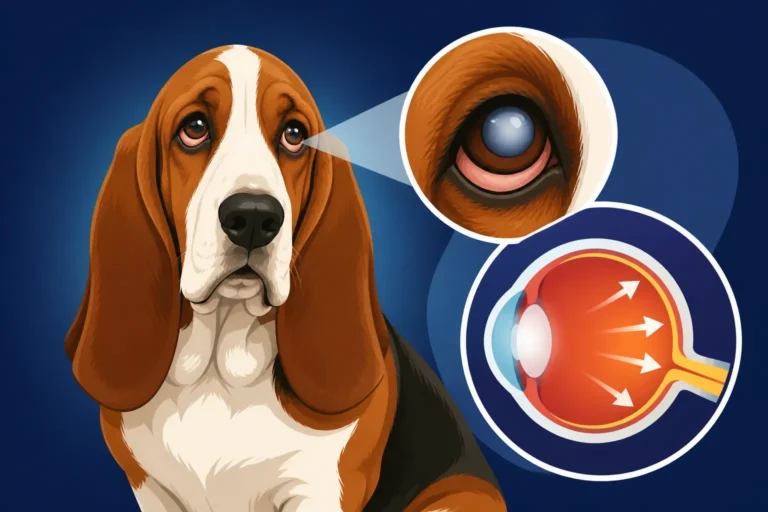
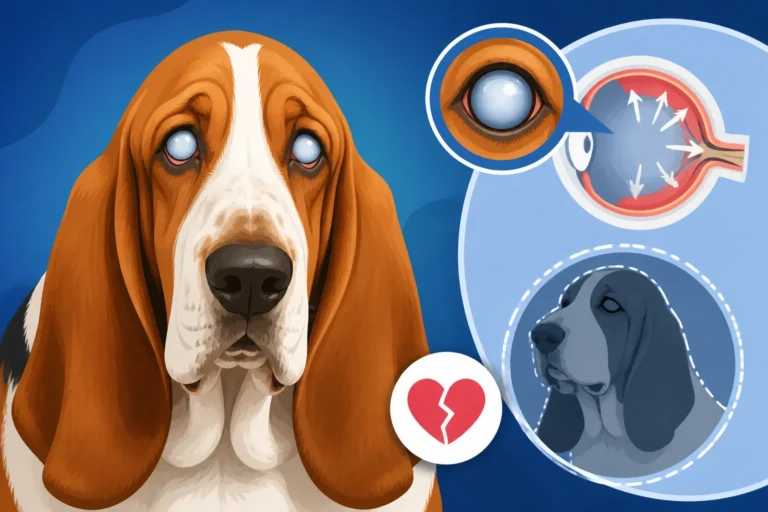
Furthermore, a decline in sensory functions can be profoundly disorienting for an old Basset. Their eyesight might dim, making them bump into furniture, especially in unfamiliar surroundings, or startle more easily. Many old Basset Hounds go deaf, which can lead to confusion, isolation, and a loss of connection. While we can adapt our homes and routines to help them cope, the cumulative effect of these physical declines can significantly reduce their enjoyment of life. It’s crucial to distinguish between age-related challenges that can be managed and those that become an unmanageable burden, causing persistent discomfort.
Assessing Quality of Life: A Holistic Approach
When you’re trying to figure out if your old Basset Hound has truly "had enough," it's not about one single symptom, but about looking at the whole picture. It's a hard assessment to make, especially when our hearts want to deny what our eyes are seeing. This calls for a holistic approach, looking at various aspects of their daily existence, not just whether they're still eating.
The "Good Days vs. Bad Days" Ratio
One of the most practical tools for evaluating your Basset's quality of life is to start keeping a journal or calendar specifically for "good days" versus "bad days." It sounds simple, but the emotional weight of daily life with a struggling pet can blur our perception over time. A "good day" might be when your Basset actively seeks out a gentle ear rub, enjoys a short, slow stroll around the block, eats a full meal with enthusiasm, or simply rests peacefully without obvious discomfort. A "bad day" could involve severe lethargy, refusing food, struggling significantly to move, vocalizing in pain, or having multiple accidents indoors.
The key here is consistency and honesty. Don't gloss over the tough moments. After a week or two, look back at your entries. Is the balance tipping heavily towards more bad days than good? When bad days outnumber good days, or when the bad days are intensely distressing, it's a significant indicator that their quality of life is severely compromised. This isn't about setting an arbitrary number, but recognizing a pattern. For instance, if your Basset has two good days and five bad days, and those bad days are filled with constant pain, it's a stark reality check. This method helps to remove some of the emotional bias and gives you a clearer, more objective picture of their ongoing well-being.
This assessment isn’t meant to be a guilt trip but a compassionate way to ensure you are truly seeing your Basset Hound’s reality, not just the hopeful moments. We often cling to the flashes of their old selves, the brief tail wag or the moment they clean their bowl, but we must weigh those against the hours of discomfort or disinterest. Regularly discussing these observations with your family can also help, as different members might notice different patterns. Ultimately, if the joy and comfort are consistently overshadowed by pain and struggle, it points towards a diminishing quality of life that needs addressing.
Hunger, Hydration, and Basic Comforts
Beyond generalized good and bad days, specific physiological needs are crucial markers of well-being. Is your Basset Hound still eating and drinking adequately? While a Basset Hound that would eat forever might sometimes skip a meal, a consistent lack of appetite or refusal to drink is a serious red flag. Dehydration can quickly worsen any existing health issues and cause profound discomfort. Observe if they are still interested in food, even if it's a smaller amount, or if they turn their nose up at even their favorite treats. The ability to maintain a healthy weight is also important, as What Extra Weight Does to a Basset Hound can exacerbate joint pain and other conditions.
Comfort is paramount. Is your Basset able to relieve themselves without extreme difficulty? Are they experiencing chronic pain that isn't well-controlled by medication? Are they able to settle into a comfortable sleeping position, or do they constantly shift and seem restless? An old Basset Hound that cannot get off the floor due to weakness or pain is clearly not experiencing basic comfort. Investing in an orthopedic bed, ensuring easy access to food and water bowls, and perhaps using ramps to help them onto the couch or into the car (as discussed in Helping an Old Basset Hound Onto the Couch) can alleviate some discomfort, but they don't solve underlying health issues.
Consider their enjoyment of simple pleasures. Do they still enjoy a gentle scratch behind the ears, a quiet moment of petting, or the warmth of the sun? While they might not be chasing squirrels anymore, a fundamental ability to experience small joys is vital. If they seem constantly agitated, withdrawn, or unable to find a comfortable resting position, despite your best efforts to provide comfort and pain management, it signifies a severe decline in their basic quality of life. This requires an honest evaluation of whether the interventions you're providing are truly making a significant difference to their day-to-day comfort.
The Role of Your Veterinarian
You are your Basset's primary advocate, but your veterinarian is your indispensable partner in this journey. They can provide an objective, medical assessment of your Basset’s condition, offering insights that are difficult for an emotionally involved owner to see. Don't hesitate to schedule an appointment specifically to discuss quality of life concerns. Your vet can perform a thorough physical examination, check for signs of pain, assess mobility, and potentially recommend diagnostics like X-rays or blood tests to pinpoint underlying issues. They can also tell you whether a Basset Hound needs a yearly eye pressure check to monitor for conditions like glaucoma, or if their joints are deteriorating rapidly.
Veterinarians can also discuss various pain management options, from anti-inflammatory drugs to joint supplements or even alternative therapies. They can help you understand the progression of specific conditions, such as Intervertebral Disc Disease in a Basset Hound, and what to expect in the coming weeks or months. This professional guidance is critical for managing symptoms and extending comfort. Sometimes, simply adjusting medication or trying a new therapy can significantly improve your Basset’s comfort level, giving them more good days. Reputable pet insurance providers like Healthy Paws can also offer support by covering a significant portion of these diagnostic tests, treatments, and ongoing medications, ensuring that financial concerns don't prematurely limit your options for keeping your Basset comfortable.
It's also important to have an open conversation about prognosis. Ask your vet frankly: "If this were your dog, what would you do?" and "What is the likelihood of significant improvement?" They can help you identify the point of no return – when medical interventions are no longer effective at providing comfort and when suffering outweighs any potential benefits. Your vet can provide a candid assessment of whether your Basset Hound needs lifelong ear medication or if current treatments are truly making a difference. They can also guide you on how to prepare for the end-of-life journey, discussing home hospice care options or the process of euthanasia. Trusting your vet's expertise, combined with your intimate knowledge of your Basset, creates the most informed decision-making process.
Here's a quick guide to evaluating your Basset's quality of life:
| Indicator | Good Quality of Life | Diminishing Quality of Life | Poor Quality of Life |
|---|---|---|---|
| Appetite & Hydration | Eats all meals with enthusiasm; drinks regularly. | Picks at food; inconsistent drinking; some weight loss. | Refuses most food/water; significant weight loss. |
| Pain Level | Shows no signs of pain; moves easily. | Occasional stiffness/limping; responds to mild pain meds. | Constant pain; cries out; unresponsive to medication. |
| Mobility | Walks, stands, and moves without significant effort. | Struggles to stand or climb stairs; slow and deliberate movement. | Cannot stand or walk independently; falls frequently. |
| Hygiene/Incontinence | Controls bladder/bowels; clean. | Occasional accidents; needs frequent cleaning. | Frequent accidents; unable to control bodily functions. |
| Happiness/Engagement | Engages with family; seeks attention; enjoys treats. | Withdrawn; less interest in activities; mild irritability. | No interest in interaction; lethargic; hides. |
| Breathing | Normal, easy breathing. | Occasional cough or labored breathing with exertion. | Constant labored breathing; panting, restless. |
| Overall Good vs. Bad Days | Majority of days are good. | Equal number of good and bad days, or slightly more bad. | Consistently more bad days than good, with intense suffering. |
Making the Impossible Decision: When Compassion Calls
No one ever wants to imagine a life without their Basset Hound, and making the ultimate decision about their end-of-life care is arguably the hardest act of love a pet owner performs. It's a heavy burden, often accompanied by guilt, but it truly is a final act of compassion to prevent prolonged suffering when all other avenues have been exhausted.
Preparing for the End-of-Life Journey
Once you've made the decision, either in consultation with your vet or after careful observation, there are practical and emotional steps you can take to prepare. First, discuss with your veterinarian the best setting for euthanasia. Many vets offer in-home euthanasia, which can be a profoundly peaceful experience, allowing your Basset to be surrounded by their loved ones in a familiar, comfortable environment. This can greatly reduce stress for both you and your pet during their final moments. Consider inviting close family members who share a bond with your Basset to be present, if appropriate.
Think about arrangements for their remains. Do you wish for cremation, burial, or a private cremation with the return of their ashes? Discuss these options with your vet or a pet aftercare service beforehand. Having these decisions made in advance, perhaps even with the support of your pet insurance provider like Healthy Paws, which sometimes offers bereavement support resources, can help ease the burden on the day itself. This allows you to focus purely on your Basset and saying goodbye, rather than being overwhelmed by logistical details. Take paw prints or a lock of fur if you wish for a keepsake – these small tokens can bring comfort later.
Emotionally, give yourself permission to grieve. This is a profound loss, and it's okay to feel heartbroken, angry, or numb. Spend quality time with your Basset Hound in the days leading up to the appointment. Let them eat their favorite forbidden treat, give them extra cuddles, or just sit quietly with them. These last moments are precious and will become cherished memories. Remember, your Basset has given you unconditional love, and this final act is a testament to your deep devotion and commitment to their well-being, even when it causes you immense pain.
Euthanasia: A Final Act of Love
Euthanasia is the gift of a peaceful passing, preventing your Basset from enduring pain, fear, and further deterioration. On the day of the appointment, try to remain calm for your Basset. They pick up on our emotions, and your gentle presence will be a great comfort. The process itself is typically very peaceful. Your vet will usually administer a sedative first, which helps your Basset relax and drift off to sleep. This ensures they are calm and comfortable before the final injection.
Once your Basset is deeply sedated and unaware, the veterinarian will administer an overdose of an anesthetic drug, often pentobarbital. This medicine quickly stops the heart and brain function, resulting in a painless and rapid passing. It’s like falling into a deep sleep and simply not waking up. Often, their eyes may remain open, and they may take a few deep breaths or twitch slightly as their body relaxes, which are natural reflexes and not signs of pain or distress. Your vet will confirm that your Basset’s heart has stopped.
Being present for this moment, though incredibly painful, allows you to be there for your best friend until their very last breath, holding them and whispering your goodbyes. It's a final, profound act of love, choosing to bear their pain so they don't have to. While the grief will be immense, try to find solace in knowing you spared them further suffering and gave them a dignified, peaceful end. Remember, the bond you shared is eternal, and the love remains, even when their physical presence is gone.
Disclaimer
The information provided in this article is for general informational purposes only and is not intended as a substitute for professional veterinary advice. Always seek the advice of your veterinarian or other qualified health provider with any questions you may have regarding a medical condition or the health and welfare of your pet.