Whether a Basset Hound Gets Hip Dysplasia
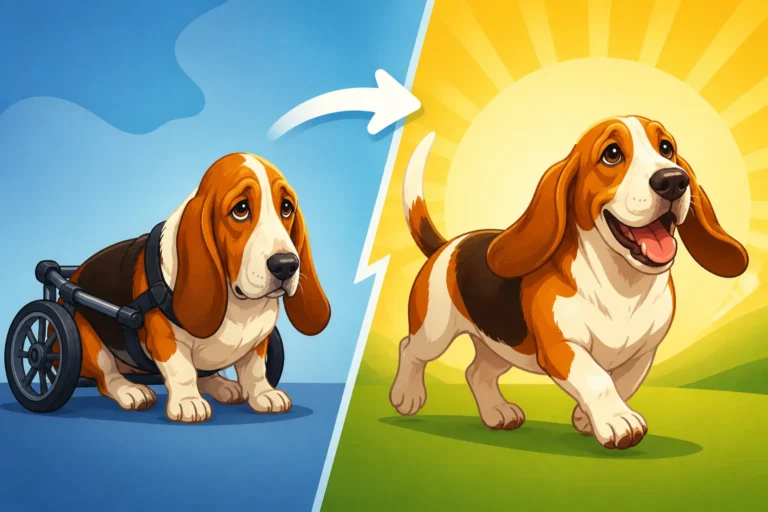
It's heartbreaking to see your beloved Basset Hound struggling to move, whether it's the slow rise from a comfy nap or a reluctance to join you on a walk. While Basset Hounds are famously robust in spirit, their unique physical structure can predispose them to a range of joint issues, leading many owners to wonder about specific conditions like hip dysplasia. This guide aims to shed light on whether hip dysplasia is a genuine concern for Basset Hounds, what it looks like, and how best to manage it for your floppy-eared friend.
Understanding Hip Dysplasia in Dogs
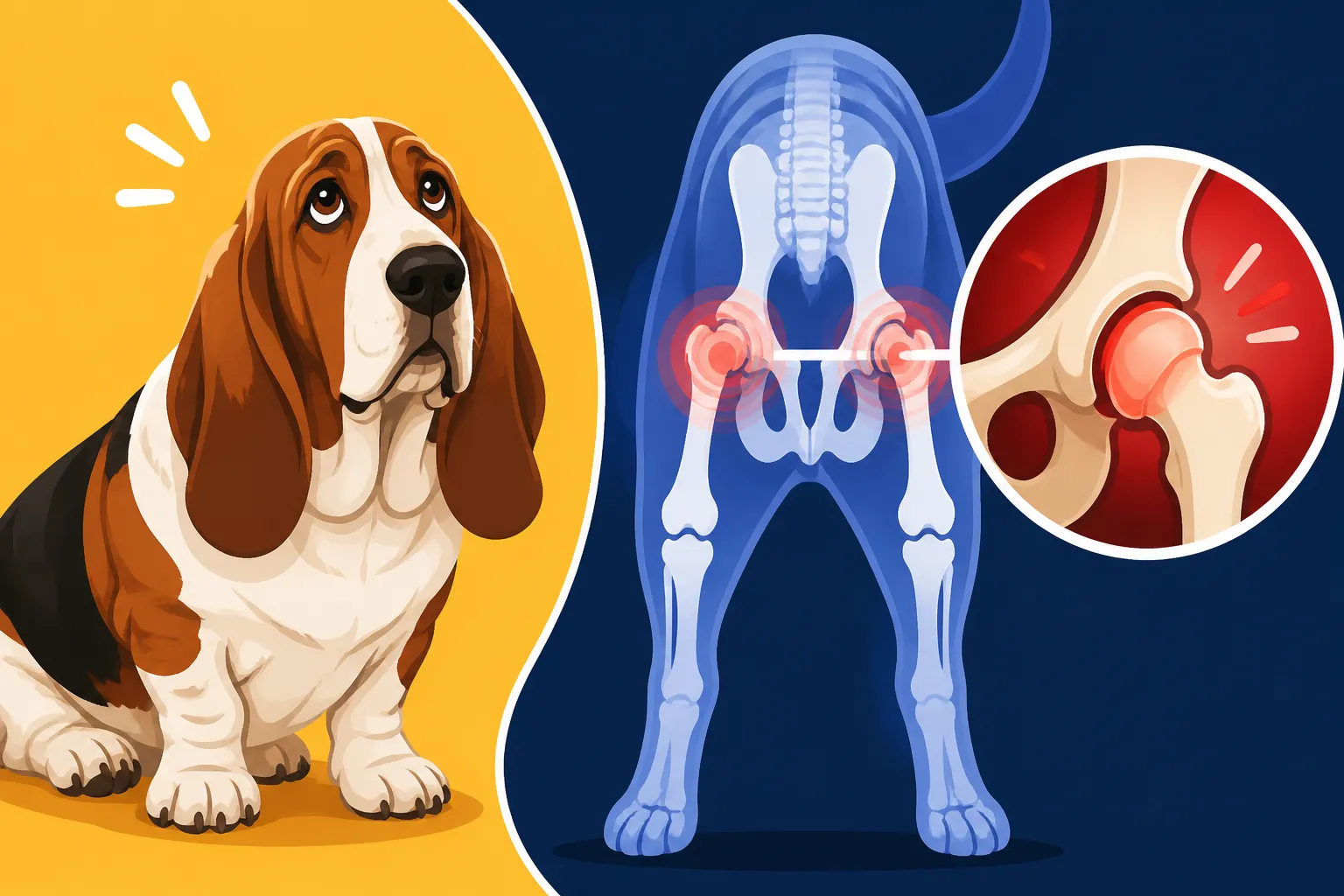
Hip dysplasia is a complex condition that affects the hip joints, where the ball (femoral head) and socket (acetabulum) don't fit together properly. Instead of a smooth, congruent fit that allows for fluid motion, the joint can be loose, leading to grinding, cartilage damage, and eventually, painful arthritis. It's a developmental condition, meaning it often starts during the dog's growth phase, influenced by both genetic and environmental factors.
The Mechanics of a Healthy Hip Joint
Imagine the hip as a perfectly engineered ball-and-socket hinge. The femoral head, the rounded top of the thigh bone, sits snugly within the cup-shaped acetabulum of the pelvis. This entire assembly is held together by a strong capsule, ligaments, and surrounding muscles, allowing for a wide range of motion without friction. When everything is working as it should, your Basset Hound can waddle, trot, and even attempt a clumsy run with relative ease, distributing weight evenly and moving pain-free. It's a marvel of natural design that we often take for granted until something goes awry.
How Dysplasia Disrupts Normal Function
In a dysplastic hip, this perfect fit is compromised. The socket might be too shallow, the ball might be flattened, or the ligaments holding them together could be lax. This misalignment means the joint surfaces rub against each other abnormally with every movement. Over time, this constant friction irritates the joint capsule, causes microscopic damage to the cartilage that cushions the bones, and leads to inflammation. The body tries to compensate by laying down new bone, creating bony spurs (osteophytes) around the joint, which further reduces mobility and increases pain. This degenerative process is what we commonly refer to as osteoarthritis, and it’s a direct consequence of the initial laxity and poor fit. This is why even if the initial dysplasia isn't severe, the long-term impact can be debilitating, especially for a heavy-boned breed like the Basset Hound.
Basset Hounds and Hip Dysplasia: The Reality
So, does your Basset Hound get hip dysplasia? The short answer is yes, they can. While it might not be the most commonly cited orthopedic issue compared to their notorious back problems or elbow dysplasia, it is certainly within the realm of possibility due to their genetic predispositions and unique body structure. It's crucial for Basset owners not to dismiss hip pain, assuming it must be something else.
Genetic Predisposition and Breed-Specific Concerns
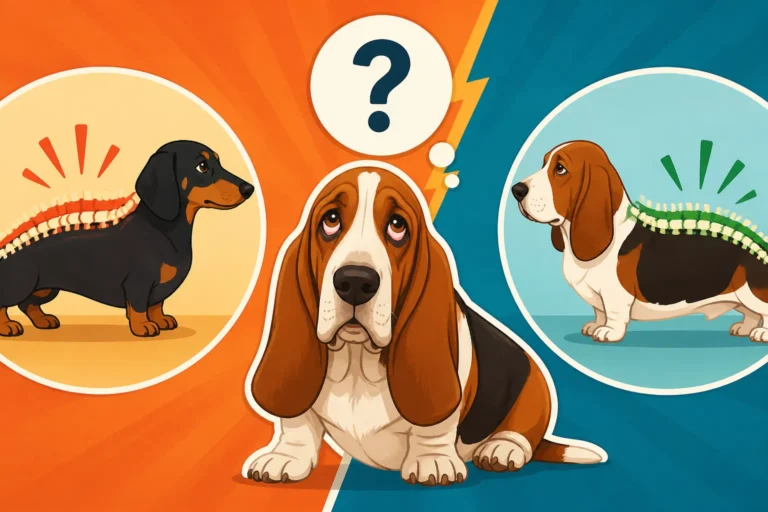
Hip dysplasia has a strong genetic component, meaning it can be passed down from parent to puppy. Responsible Basset Hound breeders will screen their breeding stock for hip (and elbow) health to minimize the risk in future generations. Organizations like the Orthopedic Foundation for Animals (OFA) provide standardized evaluations for hip conformation, giving breeders a tool to make informed decisions. While Bassets are not as high on the incidence list as, say, German Shepherds or Labradors, they are not immune. Their unique chondrodystrophic (dwarfism) build, characterized by short, bowed legs and a long spine, means their skeletal system is already under specific stresses. Sometimes, the focus on conditions like "The Back Trouble a Basset Hound Is Built Into" or even Elbow Dysplasia in a Basset Hound can inadvertently overshadow the potential for hip issues. It's a reminder that their entire skeletal system deserves our attention.
Differentiating Hip Pain from Other Ailments
Because Basset Hounds have a propensity for various orthopedic issues, identifying the source of pain can sometimes feel like solving a puzzle. A stiff gait could be hip dysplasia, but it could also be a spinal issue like Intervertebral Disc Disease, which is very common in the breed. Similarly, reluctance to jump or climb might stem from sore hips, but it could also be related to elbow discomfort or general joint pain, especially if your Basset is getting older. Owners might see their Basset struggling to get up and immediately think of a bad back, not realizing the hips could be a major contributor. Observing subtle signs, noting which movements seem to cause the most distress, and consulting with your veterinarian for a thorough diagnostic workup is key to accurately pinpointing the problem.
Recognizing the Signs of Hip Dysplasia in Your Basset Hound
Catching hip dysplasia early can make a significant difference in managing the condition and maintaining your Basset Hound's quality of life. The signs can be subtle at first, often masked by their generally stoic nature or perceived "laziness." It's easy to assume your Basset just "doesn't feel like" moving, when in reality, they're in pain.
Early Warning Signs in Puppies and Young Dogs
Even though hip dysplasia is a developmental condition, overt signs can appear quite early. In puppies and young Basset Hounds, you might notice:
- "Bunny hopping" gait: Instead of extending their hind legs independently, they might move both back legs simultaneously, much like a rabbit, to minimize hip movement and pain. This is a tell-tale sign that their hips are not happy.
- Reluctance to play or exercise: A young Basset should have bursts of playful energy. If they quickly tire, lie down during play, or avoid activities that involve running or jumping, it's a red flag.
- Difficulty rising or lying down: They might struggle, whine softly, or shift their weight awkwardly when transitioning from a lying to a standing position, or vice versa.
- Audible clicks or pops from the hip: While not always indicative of pain, these sounds can suggest joint laxity or instability.
- Lameness after exercise: They might seem fine during a short stroll but develop a limp or stiffness a few hours later, or the next morning.
- Hind limb weakness: They may appear unstable in their hindquarters, or their tail might be held lower than usual.
It’s crucial not to dismiss these as just "puppy clumsiness." If you're concerned, it’s always best to get an early check-up with your vet.
Progressive Symptoms in Adult and Senior Basset Hounds
As Basset Hounds age, if hip dysplasia has been present, the associated arthritis will almost certainly progress. In adult and senior Basset Hounds, symptoms can become more pronounced:
- Chronic lameness or stiffness in the hind legs: This might be constant or worsen after rest, especially first thing in the morning or after a long nap. It's often mistaken for general aging, but it's important to distinguish.
- Decreased range of motion: They might be unable to fully extend or flex their hind legs, making activities like grooming or scratching difficult.
- Muscle atrophy in the hindquarters: Because they are trying to protect their painful hips, they'll use those muscles less, leading to visible muscle loss. Conversely, they might develop enlarged shoulder and front leg muscles from compensating.
- Pain response: They might yelp, growl, or pull away if you touch their hip area, or even if you try to help them up.
- Reluctance to climb stairs or jump onto furniture: This is a very common sign. Your Basset might start waiting for you to lift them, or avoid stairs altogether. This is also where discussions about Whether a Basset Hound Should Use a Ramp become vital for their overall joint health, not just back issues.
- Changes in temperament: Chronic pain can make even the sweetest Basset Hound irritable, withdrawn, or prone to snapping, especially if approached while resting or if touched unexpectedly.
If you observe any of these signs, don't wait. Early veterinary intervention can significantly improve your Basset's comfort and mobility.
Here’s a quick overview of symptoms and their potential interpretation:
| Symptom | Possible Indication | Notes |
|---|---|---|
| Bunny Hopping Gait | Hip Dysplasia, Spinal Discomfort | Attempts to move hind legs together to reduce hip rotation. |
| Difficulty Rising/Lying Down | Hip Pain, Arthritis, Back Pain | Often subtle, but look for awkward movements or hesitation. |
| Reluctance to Jump/Climb | Hip, Elbow, or Back Pain | A common sign of general joint discomfort. The Old Basset Hound That Cannot Get Off the Floor can be related. |
| Lameness (hind leg) | Hip Dysplasia, Arthritis, Knee Injury | Can be intermittent or constant, often worse after rest. |
| Muscle Loss (hindquarters) | Chronic Pain/Disuse, Neurological Issue | Indicates long-term favoritism of one or both hind limbs. |
| Pain Response to Touch | Localized Joint Inflammation/Injury | Be gentle when examining; consult a vet. |
| Decreased Activity/Play | Pain, General Malaise | A typically playful Basset becoming lethargic is a concern. |
Diagnosing and Treating Hip Dysplasia
If you suspect your Basset Hound has hip dysplasia, the first step is always a thorough veterinary examination. Your vet will conduct a physical exam, which includes palpating the hips, assessing range of motion, and looking for signs of pain or instability. However, definitive diagnosis almost always requires imaging.
The Diagnostic Process
X-rays are the primary tool for diagnosing hip dysplasia. Your vet will typically take specific views of your Basset's hips, often requiring sedation to ensure proper positioning and minimize discomfort for your dog. These images allow the vet to assess the conformation of the hip joint, the depth of the socket, the coverage of the femoral head, and the presence of any degenerative changes like osteophytes. Sometimes, more advanced imaging like a CT scan or MRI might be recommended, especially if surgery is being considered or if the diagnosis is unclear.
In addition to imaging, your vet might perform an orthopedic examination that includes the Ortolani test, which checks for hip laxity. However, this test is often only accurate in younger dogs with significant joint laxity and might not be applicable once arthritic changes have set in.
Conservative Management Strategies
For many Basset Hounds with hip dysplasia, especially milder cases or those diagnosed later in life, conservative management is the primary approach. The goal is to reduce pain, inflammation, and slow the progression of arthritis, thereby improving your Basset's comfort and mobility.
- Weight Management: This is perhaps the single most crucial factor. Every extra pound puts immense strain on already compromised joints. Keeping your Basset at a healthy weight can dramatically reduce pain and improve mobility. It’s vital to understand What Extra Weight Does to a Basset Hound and how it exacerbates joint issues.
- Pain Medication: Non-steroidal anti-inflammatory drugs (NSAIDs) are commonly prescribed to reduce pain and inflammation. Your vet will determine the appropriate dosage and monitoring plan. Other pain relievers or nerve pain medications might also be used.
- Joint Supplements: Supplements containing glucosamine, chondroitin, and omega-3 fatty acids can help support joint health, reduce inflammation, and potentially slow cartilage degradation. Brands like Dasuquin and Cosequin are often recommended, but always discuss with your vet before starting any supplement. It's worth exploring Whether a Basset Hound Needs Joint Supplements for long-term health.
- Controlled Exercise: While strenuous activity should be avoided, moderate, consistent exercise like short, leashed walks or swimming can help maintain muscle mass and joint flexibility without excessive impact. Avoid activities that involve jumping, twisting, or rapid stops and starts.
- Physical Therapy: Canine physical therapy, including hydrotherapy (swimming or underwater treadmill), massage, therapeutic exercises, and laser therapy, can be incredibly beneficial. A certified canine rehabilitation therapist can develop a tailored plan for your Basset.
- Environmental Modifications: Making your home more dog-friendly can prevent further injury. This includes using orthopedic dog beds, ensuring good traction on floors with rugs or runners, and using ramps or steps to access furniture or cars.
Surgical Interventions
For severe cases of hip dysplasia, particularly in younger dogs, surgery might be an option. The choice of surgical procedure depends on the dog's age, size, severity of the dysplasia, and other factors.
- Juvenile Pubic Symphysiodesis (JPS): This procedure is performed on very young puppies (typically under 5 months old) to encourage normal hip development by fusing a part of the pelvis, causing the remaining parts to grow in a way that creates a tighter hip socket.
- Double or Triple Pelvic Osteotomy (DPO/TPO): These surgeries are for younger dogs (usually under a year old) with hip laxity but minimal arthritic changes. The pelvis is cut and rotated to create a better fit for the femoral head.
- Femoral Head Ostectomy (FHO): This salvage procedure is typically performed when other options aren't feasible or affordable, or in smaller, lighter dogs (though Bassets are heavy-boned, it can be considered). The femoral head is removed, and scar tissue forms a "false joint," alleviating bone-on-bone pain. While it doesn't create a normal hip, it can significantly improve comfort.
- Total Hip Replacement (THR): This is the most effective surgical solution for severe, painful hip dysplasia, offering the best chance for a pain-free and fully functional joint. A prosthetic hip joint replaces the diseased one. It's a major surgery with a significant cost, and recovery requires dedicated aftercare. Considering What a Basset Hound's Emergency Surgeries Cost can give you an idea of the financial commitment involved.
Discuss all options thoroughly with your veterinary orthopedic specialist to determine the best course of action for your individual Basset Hound. Regardless of the path, pet insurance like Healthy Paws can be a lifesaver for managing the significant costs associated with diagnosing and treating chronic conditions such as hip dysplasia.
Living with a Basset Hound with Hip Dysplasia
Managing hip dysplasia is a long-term commitment, but with proper care, your Basset Hound can still enjoy a good quality of life. The key is consistent management and adapting to their changing needs.
Adapting Your Home and Lifestyle
Creating a supportive environment is paramount for a Basset Hound living with hip dysplasia. Small changes can make a huge difference in their comfort and prevent further injury.
- Flooring: Slippery floors (hardwood, tile) are treacherous for dogs with joint pain. Lay down non-slip rugs, carpet runners, or yoga mats in high-traffic areas, especially where your Basset sleeps or eats. This helps them gain traction when rising and prevents painful slips.
- Bedding: Invest in orthopedic beds that provide excellent support and cushioning. Memory foam beds distribute weight evenly, reducing pressure on sore joints. A firm, supportive bed is crucial for comfortable rest and easier rising.
- Ramps and Steps: Basset Hounds, with their long backs and short legs, should generally avoid jumping on and off furniture or in and out of cars, whether they have hip dysplasia or not. Ramps or pet steps for couches, beds, and vehicles are essential. This proactively protects not just their hips, but also their vulnerable spines. Think about Keeping a Basset Hound Off the Furniture It Should Not Jump From as a general rule, which becomes even more critical with hip issues.
- Food and Water Bowls: Raised food and water bowls can reduce strain on their neck and front joints, making mealtime more comfortable. However, for Basset Hounds, some vets recommend floor bowls to prevent bloat. Discuss with your vet the best setup for your individual dog.
- Comfort During Walks: Use a well-fitting harness instead of a collar to avoid neck strain and provide better support during walks. Keep walks consistent but moderate, focusing on flat, even terrain. Avoid long, strenuous hikes or running on hard surfaces.
The Importance of Regular Veterinary Check-ups
Even with a comprehensive home care plan, regular veterinary check-ups are non-negotiable for a Basset Hound with hip dysplasia. These appointments allow your vet to monitor the progression of the disease, assess the effectiveness of current treatments, and make necessary adjustments.
During these visits, your vet will likely:
- Perform a physical examination, checking for new signs of pain or stiffness.
- Assess muscle mass and joint range of motion.
- Discuss your Basset's activity levels and any changes you've observed.
- Review medication dosages and potential side effects.
- Recommend blood work, especially if your Basset is on long-term NSAIDs, to monitor liver and kidney function.
- Discuss alternative therapies, new medications, or potential surgical options if the condition is worsening.
These check-ups are also an opportunity to discuss your concerns and ensure you feel supported in managing your Basset's condition. Being proactive and having open communication with your veterinary team is key to providing the best possible care. Remember, pet insurance options like Healthy Paws can often help cover these ongoing vet visits and medication costs, easing the financial burden of managing a chronic condition.
Prevention and Responsible Breeding Practices
While hip dysplasia has a strong genetic component, there are steps that can be taken to minimize its risk and impact, both for individual Basset Hounds and the breed as a whole.
Health Screening for Breeding Dogs
For anyone considering breeding Basset Hounds, or looking to purchase a puppy, health screening is paramount. Reputable breeders will meticulously health test their breeding stock for a variety of genetic conditions, including hip and elbow dysplasia. The Orthopedic Foundation for Animals (OFA) and PennHIP evaluations are two common methods for assessing hip health in breeding dogs. OFA provides ratings (Excellent, Good, Fair, Borderline, Mild, Moderate, Severe), while PennHIP provides a distraction index that measures hip laxity.
It's vital to ask breeders for proof of these health clearances for both parents of a puppy you are interested in. A responsible breeder will be transparent and eager to share these documents. If a breeder makes excuses or claims their dogs don't need screening because "Bassets don't get hip dysplasia," that's a serious red flag. Thorough health testing helps ensure that puppies have the best possible start in life, reducing the likelihood of inheriting this painful condition. This practice is also crucial for preventing other common issues, which is why The Health Tests a Basset Hound Breeder Should Run is such an important consideration for potential owners.
Environmental Factors and Puppy Care
Even with impeccable genetics, environmental factors during a puppy's critical growth phase can influence hip development. Thoughtful care can help support healthy joint formation:
- Controlled Exercise: Avoid over-exercising Basset Hound puppies, especially high-impact activities like jumping, long runs, or repetitive stair climbing. Their growth plates are still open and vulnerable to injury. Keep playtime moderate and focused on natural, low-impact movements. Too much too soon can put undue stress on developing joints.
- Proper Nutrition: Feed a high-quality, large-breed puppy food formulated for slow, steady growth. Rapid growth, often encouraged by high-calorie diets, can put excessive strain on developing bones and joints, increasing the risk of orthopedic problems. Ensure your puppy maintains a lean body condition, avoiding any puppy fat.
- Weight Management: Monitor your Basset puppy's weight carefully. Even as a pup, being overweight can put extra stress on their joints. Maintaining a healthy, lean weight throughout their life is critical.
- Avoiding Slippery Surfaces: As mentioned earlier, minimize exposure to slippery floors where puppies might splay out or slip, potentially straining developing joints.
By combining responsible breeding practices with attentive care during growth, we can give our beloved Basset Hounds the best chance at a life free from the discomfort of hip dysplasia. And for those instances where it does occur, having pet insurance like Healthy Paws in place can provide peace of mind and financial support for comprehensive care.
Disclaimer
The information provided in this article is for general informational purposes only and is not a substitute for professional veterinary advice, diagnosis, or treatment. Always seek the advice of your veterinarian or other qualified health provider with any questions you may have regarding a medical condition.