Whether a Basset Hound Should Use a Ramp
One of the biggest worries for Basset Hound owners is seeing their beloved, long-backed companion struggle to get onto the sofa for cuddles or leap out of the car after an exciting adventure. Their unique, endearing build, while charming, unfortunately makes them prone to certain orthopedic challenges. This guide will delve deep into why ramps aren't just a convenience but often a crucial tool for protecting your Basset Hound's health and ensuring they live a comfortable, joyful life free from preventable strain and injury.
Understanding the Basset Hound's Unique Physiology and Its Challenges
It’s easy to look at a Basset Hound and fall in love with their distinctive, low-slung body and comical expressions. But beneath that charming exterior lies a skeletal structure that requires careful consideration. Unlike many breeds, their physical design, while perfect for scent-trailing, makes them inherently vulnerable to certain types of injuries and conditions, especially those related to their spine and joints.
The Impact of Their Long Back and Short Legs
The Basset Hound's signature look — that long, sturdy body carried on short, bowed legs — is a result of a form of dwarfism called achondroplasia, which is actually characteristic of many chondrodystrophic breeds. While this trait was selectively bred for hunting, allowing them to follow scents low to the ground, it places significant stress on their spine. Imagine a heavy bridge without enough support pillars; that's somewhat analogous to your Basset's back.
This elongated, heavy body, combined with disproportionately short legs, means that movements like jumping, leaping, or even navigating stairs create considerable torsion and impact on their vertebral discs. Each jump, each landing, sends a shockwave through their spine. Over time, or even with one wrong move, this can lead to serious issues, most notably Intervertebral Disc Disease in a Basset Hound. This painful condition occurs when the cushioning discs between the vertebrae bulge or rupture, pressing on the spinal cord. Symptoms can range from mild pain and reluctance to move to full-blown paralysis. Preventing this kind of trauma is paramount, and understanding the inherent fragility of The Back Trouble a Basset Hound Is Built Into is the first step in providing proactive care.
Joint Strain and Arthritis
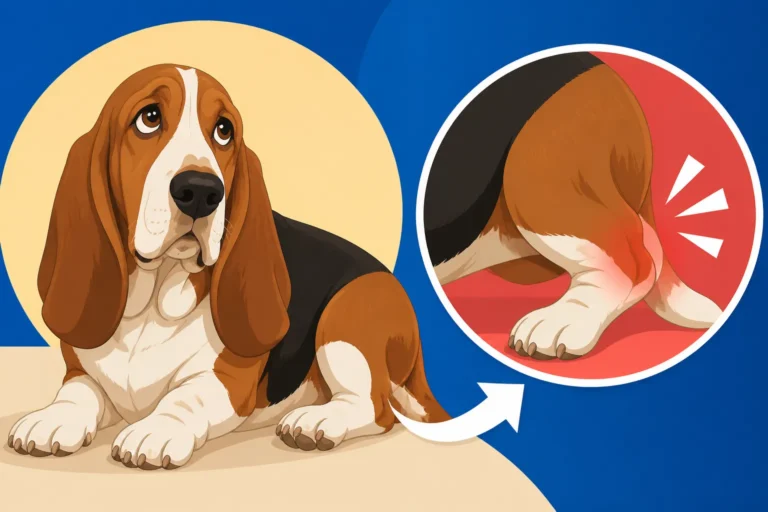
Beyond the spine, a Basset Hound's heavy bone structure and low center of gravity also put immense pressure on their joints. Their elbows and shoulders, in particular, bear a significant load, and these breeds are predisposed to conditions like elbow dysplasia. Even their short, bowed front legs, which some might think are just part of their unique charm, can contribute to uneven weight distribution and strain.
This constant strain means that Basset Hounds can develop Arthritis in a Basset Hound at Seven or even younger, far earlier than many other breeds. Every time they jump down from a sofa or bed, there's an impact on those already vulnerable joints. This isn't just about discomfort; it can lead to chronic pain, reduced mobility, and a significant drop in their quality of life. Owners often validate the frustration of watching their formerly bouncy Basset struggle, and it’s heart-wrenching. Proactive care, including weight management and joint support, becomes critical. Remember, What Extra Weight Does to a Basset Hound is compounding this problem, making even simple movements more strenuous and damaging over time.
Why Ramps are a Game-Changer for Basset Hounds
Given their inherent vulnerabilities, ramps aren't just a luxury for Basset Hounds; they are a vital piece of equipment that can genuinely extend their comfortable, active years and save you a world of worry (and potentially, expensive vet bills). Thinking of a ramp as preventative medicine is a helpful perspective.
Preventing Injuries and Pain
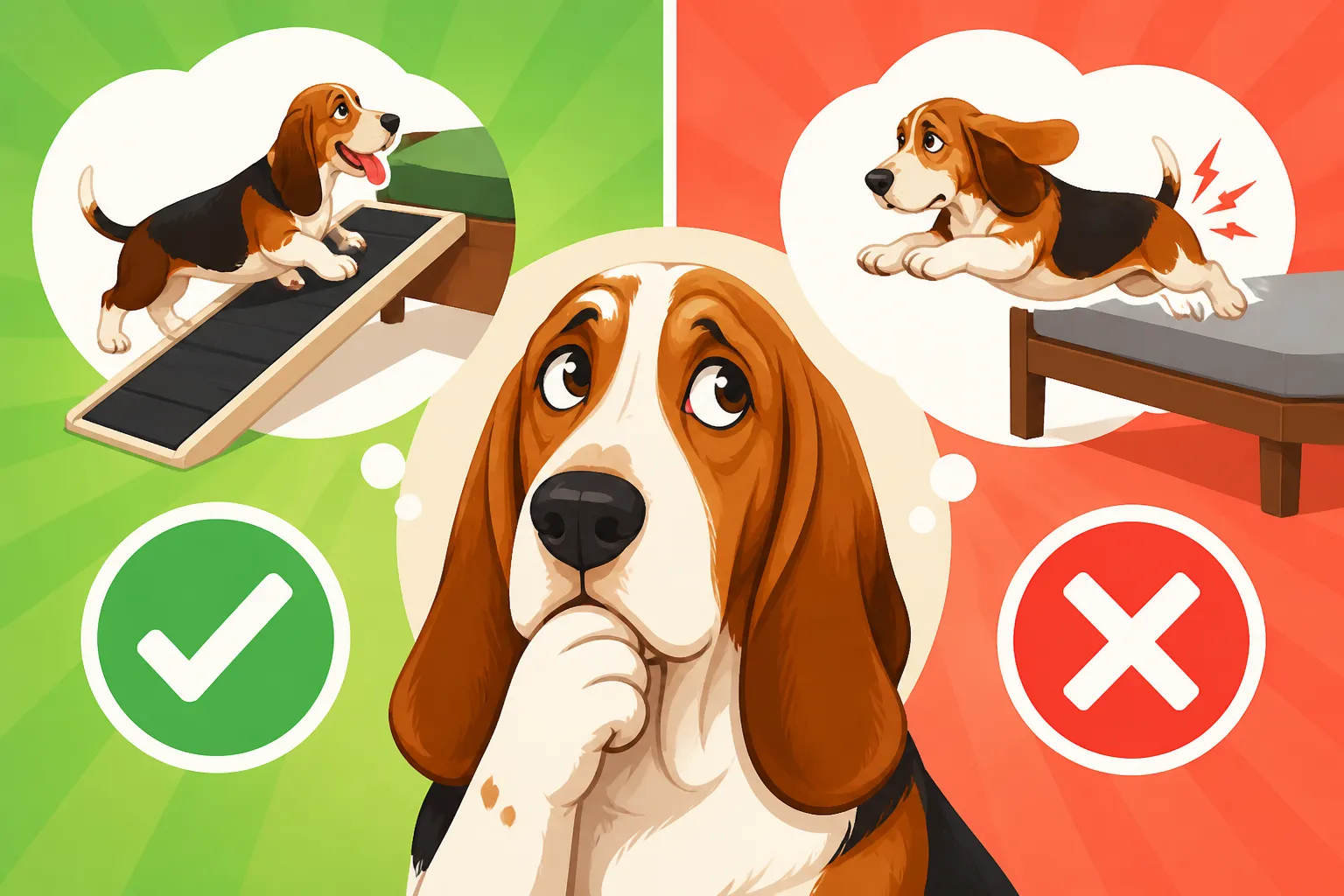
The primary benefit of a ramp is injury prevention. Every jump your Basset Hound makes, whether it’s a quick hop onto the couch or a clumsy leap from the bed, risks injury to their spine and joints. These aren't just small strains; they can be catastrophic, leading to immediate pain, mobility loss, and expensive emergency veterinary care.
Consider a typical day: your Basset wants to join you on the couch. Without a ramp, they'll launch themselves up, landing with a thump. If they want down, they'll jump, absorbing the impact directly into their front legs and spine. With a ramp, they can walk up and down at a gentle incline, distributing their weight evenly and eliminating high-impact landings. This simple change significantly reduces the risk of disc herniation, spinal trauma, and exacerbation of joint issues. For a breed prone to disc problems, this controlled movement is invaluable. Think about trips to the vet or visiting family; a portable car ramp can prevent your Basset from having to awkwardly jump in and out of the car, protecting their back and yours. Many Basset Hound owners quickly learn How to Lift a Basset Hound Safely, but relying on lifting for every car ride or furniture access can become cumbersome and still isn't ideal for the dog's independence. It's truly a practical solution to Whether a Basset Hound Should Jump Off Furniture.
Promoting Independence and Quality of Life
Beyond physical protection, ramps offer a profound boost to your Basset Hound's independence and overall quality of life. No one wants to see their dog feeling helpless or isolated. When a Basset Hound can't easily access their favorite sleeping spot on the bed or their cozy corner of the sofa, they can feel excluded. This can lead to frustration for both the dog and the owner.
A ramp empowers them. It allows them to maintain access to comfort and companionship without constantly needing human assistance. Imagine an older Basset who loves to nap on the bed. Without a ramp, if they can no longer jump, they're relegated to the floor, which might not be as warm, comfortable, or close to their family. With a ramp, they can still enjoy their routine, moving freely between their sleeping areas and the floor. This fosters a sense of normalcy and reduces anxiety, both for the dog and for you. It's about letting them be a Basset Hound, enjoying their home and family without their unique build becoming a barrier to their happiness. This is particularly important as The Old Basset Hound That Cannot Get Off the Floor often means their independence is already diminishing.
Choosing and Implementing the Right Ramp for Your Basset Hound
So, you're convinced a ramp is a good idea. Fantastic! But not all ramps are created equal, especially when it comes to the specific needs of a Basset Hound. Selecting the right one and then teaching your Basset to use it effectively are key steps.
Key Features to Look for in a Basset Hound Ramp
When shopping for a ramp, keep your Basset Hound's unique physique and personality in mind. Here’s what to prioritize:
- Length and Incline: Basset Hounds have short legs, so a longer ramp that provides a gentler incline is far superior to a short, steep one. A steep ramp can still put strain on their joints, defeating the purpose. Look for ramps that are at least twice the height of the surface they're reaching (e.g., a 15-inch sofa might need a 30-inch ramp).
- Surface and Grip: This is non-negotiable. The ramp must have a non-slip surface. Carpeting, sandpaper-like texture, or rubberized treads are excellent. A smooth, slick surface is dangerous; your Basset could slip, fall, and injure themselves anyway.
- Stability and Sturdiness: A wobbly ramp will scare your Basset and deter them from using it. Choose a ramp made from durable materials like sturdy plastic, aluminum, or wood that can comfortably support your Basset Hound’s weight without flexing or shaking.
- Width: While Basset Hounds aren't enormous, they are broad-chested. Ensure the ramp is wide enough for them to walk comfortably without feeling cramped or at risk of falling off.
- Portability (for car ramps): If you need a ramp for the car, consider its weight, how easily it folds or telescopes, and if it has handles for convenient transport. Nobody wants to wrestle with a bulky, heavy ramp every time they leave the house. You might be surprised to learn What a Ramp for the Car Costs a Basset Hound Owner, but it's an investment in health.
Here's a quick comparison of common ramp types:
| Feature/Type | Folding Ramps | Telescoping Ramps | Freestanding Ramps |
|---|---|---|---|
| Portability | Excellent for travel; folds compactly | Very good; slides to adjust length and store | Poor; generally fixed-position for home use |
| Adjustability | Length is fixed when unfolded | Adjustable length is a huge plus | Incline is usually fixed, designed for a specific height |
| Stability | Generally good if well-made | Good, but ensure locking mechanisms are secure | Excellent; often heavier and more robust |
| Typical Use | Car, occasional home use | Car, SUV, home use where space is a concern | Bedside, couch side, permanent fixture |
| Pros for Basset | Portable, often more affordable | Highly versatile, easy to store | Most stable, can be integrated into home decor |
| Cons for Basset | Can be bulky when unfolded; fixed length | May pinch paws if not careful; can be heavier | Less portable, takes up more space |
Training Your Basset Hound to Use a Ramp
Don't just buy a ramp and expect your Basset to instantly understand it. They are clever but can also be notoriously stubborn! Positive reinforcement is key. Patience and tasty treats will be your best friends.
- Introduce it on Flat Ground: Start by laying the ramp flat on the ground. Let your Basset investigate it. Place treats along the length of it. When they walk across it, praise them lavishly.
- Slight Incline: Elevate one end of the ramp just a few inches. Continue to lure them across with treats and praise. Keep sessions short and fun.
- Gradual Elevation: Slowly increase the ramp's incline to the height of the furniture or vehicle. At each step, use high-value treats (think small pieces of cheese or cooked chicken) to encourage them.
- Practice Makes Perfect: Once the ramp is in place, practice going up and down. Lead them, don't push them. Some Bassets are hesitant to go down first, so you might need to carry them up and then encourage them to walk down with treats.
- Consistency: Make using the ramp a consistent routine. Always use the ramp for access to elevated surfaces. If you sometimes lift them and sometimes use the ramp, it will confuse them and slow down the training process.
- Praise and Rewards: Every successful use of the ramp, whether it's just a few steps or a full ascent, should be met with enthusiastic praise and a reward. Make it a positive experience every single time.
Remember, every dog learns at their own pace. What works in one training session might not work in the next. Stay calm, be patient, and avoid scolding. It's a journey, not a race.
Integrating Ramps into a Basset Hound-Friendly Home
Bringing a ramp into your home is just one piece of the puzzle. A truly Basset Hound-friendly environment considers their overall well-being and mitigates the risks associated with their unique build.
Strategic Placement and Home Modifications
Where you place your ramps matters. The most common areas are next to the sofa, the bed, and for car access. For the home, think about the places your Basset loves to be. If they're always trying to jump on your bed, that's your first priority. If the family gathers in the living room on the couch, a ramp there is essential.
Beyond ramps, consider other simple home modifications to improve your Basset's safety and comfort:
- Rugs on Slippery Floors: Hardwood, tile, or laminate floors can be challenging for Basset Hounds, especially as they age or if they have joint issues. Their short legs and heavy bodies make them prone to slipping and splaying, which can cause severe injury. Strategically placed rugs or non-slip runners can provide much-needed traction.
- Baby Gates: If you have stairs, baby gates are a must, especially for young puppies or older Bassets. While some Bassets can navigate stairs, repeated climbing and descending put considerable stress on their spine and joints. Preventing access, or only allowing supervised, ramped access if possible, is ideal.
- Orthopedic Beds: Investing in an orthopedic dog bed can make a world of difference. These beds provide superior support for their heavy bodies and sensitive joints, alleviating pressure points and offering maximum comfort. Whether an Orthopedic Bed Costs for a Basset Hound more than a regular one, the benefits for their long-term health are well worth it.
- Food and Water Bowl Height: While not directly related to ramps, consider a raised feeding station. This can help reduce strain on their neck and back while eating, especially for older Bassets.
These thoughtful adjustments create a safer, more comfortable environment, complementing the use of ramps and significantly reducing the likelihood of injury.
Beyond Ramps: Holistic Support for Basset Hound Mobility
While ramps are incredibly helpful, they are part of a larger picture of holistic care for your Basset Hound's mobility and overall health. Protecting their unique physical attributes involves several important considerations.
First and foremost is weight management. Keeping a Basset Hound at Its Correct Weight is probably the single most impactful thing you can do for their joint and spinal health. Even a few extra pounds dramatically increase the stress on their already vulnerable back and joints. Work with your vet to determine the ideal weight for your Basset and maintain a healthy diet and exercise regimen.
Speaking of exercise, moderate, consistent exercise is crucial. While they aren't marathon runners, Basset Hounds need regular, gentle walks to maintain muscle tone and flexibility. Avoid high-impact activities or long periods of running. Short, frequent walks are much better than one long, strenuous outing. Regular walks also help prevent obesity.
Lastly, don't underestimate the power of regular veterinary check-ups. Your vet can monitor your Basset's joint health, advise on appropriate supplements (like glucosamine and chondroitin), and catch any potential issues early. If your Basset Hound does unfortunately suffer a back injury, prompt veterinary attention is vital. Options like physical therapy and even surgery might be considered. While costly, understanding Whether a Basset Hound's Disc Surgery Is Worth It and What a Basset Hound's MRI Costs are discussions you'll want to have with your vet and potentially your pet insurance provider, like Healthy Paws. Insuring your Basset early can provide peace of mind for these unexpected, and often expensive, health challenges. A good insurance plan, like those offered by Healthy Paws, can significantly ease the financial burden if your Basset Hound needs extensive treatment for orthopedic issues, allowing you to focus on their recovery without added stress.
By proactively using ramps, making thoughtful home modifications, maintaining a healthy weight, providing appropriate exercise, and having comprehensive veterinary care (ideally supported by pet insurance from companies like Healthy Paws), you can give your Basset Hound the best possible chance at a long, comfortable, and happy life, full of joy and free from preventable pain.
Disclaimer
The information provided in this article is for general informational purposes only and is not intended as a substitute for professional veterinary advice. Always consult with a qualified veterinarian for any health concerns or before making any decisions about your pet's health or treatment.