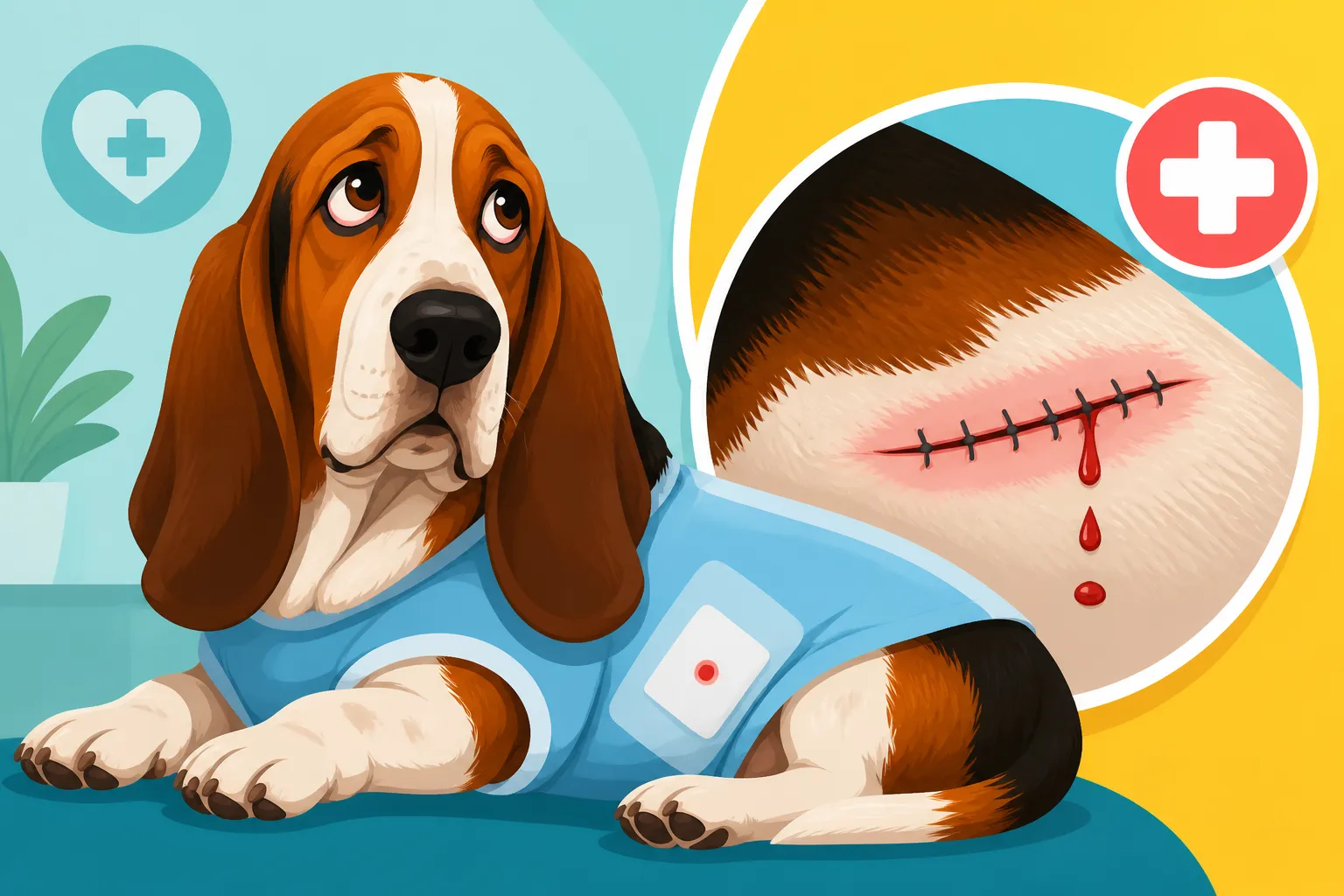
Whether a Basset Hound Bleeds After Surgery
It’s a terrifying moment for any Basset Hound owner: you’ve just brought your beloved long-eared companion home from surgery, you’re trying your best to follow all the vet’s instructions, and then you notice blood. A little bit might be normal, but how much is too much? The anxiety can be overwhelming, and rightly so, because understanding what's normal and what's a serious complication after your Basset Hound has undergone surgery is absolutely critical for their recovery and well-being. This guide aims to walk you through what to expect, what to look out for, and when to seek immediate veterinary attention if your Basset Hound is bleeding after surgery.
Understanding Normal Post-Operative Bleeding in Basset Hounds
Bringing your Basset Hound home after surgery is a relief, but also a time of heightened awareness. You’re constantly checking on them, looking for any signs of discomfort or complications. Seeing any blood can send your heart racing, but it’s important to distinguish between what’s typically considered normal and what warrants immediate concern.
What to Expect Immediately After Surgery
After any surgical procedure, your Basset Hound's body begins the healing process, and a tiny bit of visible blood isn’t always cause for alarm. Think about when you get a small cut – there’s usually a bit of blood as a clot forms, right? It’s often similar for our dogs. For the first 12 to 24 hours, you might observe a very small amount of reddish-pink discharge or a few drops of blood seeping from the incision site. This is often just residual bleeding from the capillaries severed during the incision, or it could be serosanguinous fluid, which is a mix of serum and blood. It usually looks like a faint pink or reddish stain on the bandage or bedding, and it should diminish rapidly. The area might also have some minor bruising, which is a natural response to tissue trauma. Your vet should provide a detailed rundown of what to expect, and generally, they’ll tell you that a slight ooze or stain that doesn't spread quickly is usually acceptable.
For instance, if your Basset had a routine spay or neuter, you might see a small spot on their cone or the blanket they're resting on. It shouldn't be dripping or soaking through materials. It’s also important to remember that Basset Hounds have quite a bit of loose skin, especially around their neck and abdomen. This can sometimes make observing the incision tricky, as folds might obscure a small stain, or conversely, a tiny amount of blood can spread further on the skin, looking worse than it is. Gently parting the fur and folds for a clearer view can be helpful, but always be careful not to disturb the incision itself.
Minor Oozing vs. Active Bleeding
The difference between minor oozing and active bleeding is crucial, and it’s where many owners get understandably anxious. Minor oozing is typically a small, contained amount of blood or serosanguinous fluid that stops on its own or with very light pressure. Imagine a very slow drip, or just a wet stain that isn’t getting bigger. It shouldn't be bright red blood constantly flowing or dripping rapidly.
Active bleeding, on the other hand, is much more serious. This would be a continuous flow of bright red blood, pooling, soaking through bandages, or dripping consistently. If you apply light pressure for a few minutes and the bleeding doesn’t slow or stop, that’s a red flag. You might also notice the bandage becoming saturated, or a large, spreading wet patch on their bed. Another sign of active bleeding can be clots forming at the incision site, which might look alarming but are actually the body’s attempt to stop the flow. However, if new clots are constantly forming or the existing ones aren't holding, it’s still a problem.
Here’s a quick comparison to help differentiate:
| Feature | Minor Oozing (Usually Normal) | Active Bleeding (Concerning) |
|---|---|---|
| Appearance | Faint pink/reddish stain, small spot, watery discharge | Bright red blood, continuous flow, pooling, dripping |
| Amount | Few drops, small spot not expanding, dampness | Soaks through bandages rapidly, large, spreading wet patch |
| Duration | Intermittent, decreases quickly, stops on its own | Continuous, doesn't stop or slow with light pressure |
| Color | Pale pink, light red, yellowish-red (serosanguinous) | Bright red (fresh blood), dark red (venous bleed) |
| Consistency | Thin, watery | Thicker, clots present or forming constantly |
If you're ever in doubt, it's always better to err on the side of caution and contact your veterinarian. They can guide you through what you're observing and advise if a trip back to the clinic is necessary.
Common Causes of Post-Surgical Bleeding in Basset Hounds
While a little bit of post-surgical ooze is part of the healing process, significant bleeding often indicates a complication that needs attention. Understanding the potential causes can help you know what signs to look for and when to act quickly.
Incision Site Issues and Sutures
The most straightforward cause of post-surgical bleeding is often related to the incision site itself or the sutures used to close it. Our Basset Hounds, with their delightful but sometimes clumsy nature, can inadvertently cause issues. If your Basset Hound licks, chews, or scratches at the incision, they can easily irritate the delicate healing tissue, pull out stitches, or even open the wound. This is why Elizabethan collars (the "cone of shame") are so crucial, even if your Basset looks utterly miserable in one. I know, those sad eyes are hard to resist! But trust me, a few weeks in a cone is far better than a secondary infection or a trip back to the emergency vet because of a disrupted incision. You can read more about what happens when The Skin Under a Basset Hound's Folds gets irritated, which can be similar to incision irritation.
Sometimes, sutures can break or come undone, either due to the dog's activity, excessive swelling, or simply a rare material defect. If an internal suture breaks, it might lead to bleeding under the skin, forming a swelling or hematoma, which we'll discuss next. For external sutures, you might actually see a stitch loose or gone, and that would definitely warrant a call to your vet. Occasionally, the incision itself might be located in an area that experiences a lot of movement, like near a joint, which can put stress on the healing tissues and cause minor tearing or bleeding.
Internal Bleeding and Hematomas
Internal bleeding is a far more serious concern and can be much harder to detect initially. This type of bleeding occurs beneath the skin or within a body cavity. It can happen if a blood vessel that was ligated (tied off) during surgery comes loose, or if there's general oozing from the surgical site that collects internally.
A common manifestation of internal bleeding, especially if it's localized and not massive, is a hematoma. A hematoma is essentially a collection of blood outside of blood vessels, forming a lump or swelling, usually blue or purple in color, much like a severe bruise. For Basset Hounds, who often have procedures like the dreaded Total Ear Canal Ablation (TECA) for The Ear Infections That Never Really Leave a Basset Hound, aural hematomas can be a particular concern, even separate from the surgical incision itself. While not directly post-surgical bleeding from the incision, they can be related to trauma or underlying clotting issues.
Signs of internal bleeding might include swelling around the incision or in the abdomen, pale gums, weakness, lethargy, difficulty breathing, a distended belly, or even collapse. These are emergency signs and require immediate veterinary attention. Don't wait if you suspect internal bleeding – time is of the essence. Pet insurance providers like Healthy Paws can be a lifesaver in these unexpected, critical situations, helping to cover the often significant costs associated with emergency diagnostics and treatment. Thinking about What a Basset Hound's Emergency Surgeries Cost definitely highlights the value of such plans.
Underlying Health Conditions Affecting Clotting
One of the most concerning causes of excessive post-surgical bleeding is an underlying health condition that affects the Basset Hound's ability to clot blood effectively. Basset Hounds are known to be predisposed to certain bleeding disorders. The most notable one is Thrombopathia. This inherited condition affects platelet function, meaning their platelets don't clump together properly to form a clot, even if they have enough of them. You can delve deeper into What Thrombopathia Means for a Basset Hound for a full understanding.
If your Basset Hound has Thrombopathia, even a minor surgical procedure can lead to prolonged or excessive bleeding, both externally and internally. This is why responsible breeders often screen for such conditions, and why your vet might recommend specific pre-surgical blood tests, especially if there's any history of easy bruising or unexplained bleeding, like Whether a Basset Hound Bleeds From the Nose. If your vet knows your Basset is positive for Thrombopathia, they will take extra precautions during and after surgery, which might include specific medications or even transfusions. It's also critical to discuss with your vet Whether a Thrombopathic Basset Hound Can Be Operated On before any procedures are planned. Other, less common clotting disorders can also exist, emphasizing the importance of a thorough pre-operative physical examination and blood work.
Recognizing the Signs of Excessive Bleeding
It's natural to be hyper-vigilant after your Basset Hound's surgery, and distinguishing between a minor, normal post-op drip and a genuine emergency can be tricky. Knowing what to look for, beyond just the presence of blood, can empower you to make informed decisions and get your furry friend the help they need quickly.
Visual Cues and Amount of Blood
The first and most obvious indicator of excessive bleeding is the visual evidence and the sheer quantity of blood. As discussed, a tiny bit of reddish-pink stain is often normal, especially in the first 24 hours. However, if you see any of the following, it’s time to be concerned:
- Bright Red, Continuous Flow: If the blood is bright red and constantly flowing or dripping, rather than just an occasional ooze, this suggests an active bleed. It might look like a steady stream or a rapid drip, similar to a faucet.
- Rapid Soaking Through Bandages: If your Basset Hound has a bandage, and it quickly becomes saturated with blood, or you notice the blood spreading rapidly outwards on the material, this indicates significant blood loss. Bandages are designed to absorb, but they shouldn't be completely soaked through in a short period.
- Pooling of Blood: Discovering a pool of blood on the floor, bed, or wherever your Basset is resting is a definitive sign of excessive bleeding and requires immediate attention. Even a small pool can represent a significant amount of lost blood for a dog.
- Large or Growing Hematoma: While a small amount of bruising is normal, if you notice a firm, rapidly growing lump under the skin near the incision, or if the skin turns a deep purple-black, this could be a hematoma forming from internal bleeding. This can be particularly noticeable with their loose skin.
Always try to gauge the rate and volume of the blood. Is it a persistent drip? Is the amount increasing over time? Taking photos with your phone can be helpful to show your vet, especially if the bleeding is intermittent.
Behavioral Changes and Systemic Symptoms
Beyond the direct visual signs of blood, your Basset Hound's behavior and overall physical state can offer crucial clues about potential complications like excessive bleeding or internal hemorrhage. These systemic symptoms are often more subtle but can indicate a serious problem even if external bleeding isn't immediately obvious.
Keep a close eye out for any of these changes:
- Pale Gums: This is one of the most important indicators of blood loss. Gently lift your Basset Hound's lip and check their gums. They should be a healthy bubble-gum pink. If they appear pale pink, whitish, or even bluish-grey, it suggests a lack of oxygen-carrying red blood cells, which is a sign of significant blood loss or shock.
- Weakness and Lethargy: While some lethargy is normal after anesthesia and surgery, excessive weakness, difficulty standing, staggering, or a complete lack of interest in their surroundings (beyond what's expected for post-op recovery) can indicate internal bleeding. If your normally enthusiastic Basset is unusually still or unresponsive, take it seriously.
- Rapid or Shallow Breathing: Monitor your Basset Hound's breathing rate and effort. If they are panting excessively without being hot, breathing very rapidly, or their breathing seems shallow and labored, it could be a sign of shock or distress due to blood loss.
- Cold Extremities: Feel your Basset Hound's ears and paws. If they feel unusually cold to the touch, it can indicate poor circulation, another sign of shock.
- Distended or Painful Abdomen: If the surgical site was in the abdomen (e.g., spay surgery), a swollen or distended belly could indicate internal bleeding within the abdominal cavity. If your Basset whines or shows pain when you gently touch their abdomen, it's a huge warning sign.
- Increased Heart Rate: While harder for owners to measure accurately, a rapid pulse can also be a sign of shock. If you feel their pulse (often easiest in the femoral artery in the inner thigh) and it seems very fast and thready, this is concerning.
Any combination of these behavioral changes and systemic symptoms, especially alongside visible bleeding, means you need to contact your emergency veterinarian immediately. Don't wait for regular clinic hours.
First Aid and Immediate Actions for Bleeding
Finding your Basset Hound bleeding excessively after surgery is incredibly frightening, but knowing how to react calmly and effectively can make a significant difference in the outcome. Your immediate actions can help stabilize them until you can get veterinary care.
Applying Pressure and Keeping Calm
Your first priority if you observe active, external bleeding is to apply direct pressure to the wound. Grab a clean cloth, sterile gauze, or even a clean towel. Press firmly and consistently on the bleeding site for at least 5-10 minutes without lifting to check. Lifting the pressure too soon disrupts any clot that might be forming and restarts the bleeding process. While you’re doing this, try your best to stay calm. Your Basset Hound will pick up on your stress, and they need you to be a soothing presence right now.
During this time, assess the situation as best you can. Is the blood soaking through the cloth? Do you need to add more layers? Don't remove the bottom layers if they are soaked, just add fresh ones on top and continue to apply pressure. If the bleeding is on a limb, you can also try to elevate the limb slightly above the heart, if possible, without causing your Basset discomfort or further injury. However, direct pressure is the primary and most effective first aid.
Do not try to clean the wound excessively or apply any powders, ointments, or homemade remedies. Your goal is simply to stem the blood flow until you can get professional veterinary help. The vet will clean and assess the wound properly. Keep your Basset as still and quiet as possible. Restricting movement will help minimize further trauma to the surgical site and reduce blood pressure, which can exacerbate bleeding.
When to Contact Your Veterinarian
The moment you realize the bleeding is more than a minor ooze, it's time to contact your veterinarian immediately. Do not delay. This isn't a situation to "wait and see" or hope it resolves on its own. Whether it's during regular business hours or in the middle of the night, get on the phone.
When you call, be prepared to provide clear and concise information:
- What type of surgery did your Basset Hound have and when? (e.g., spay, neuter, ear surgery, tumor removal)
- What exactly are you seeing? (e.g., "bright red blood dripping," "bandage completely soaked," "a large, rapidly growing lump under the skin")
- How much blood is there? (e.g., "a puddle the size of my hand," "soaking through two towels")
- How is your Basset Hound acting? (e.g., "very lethargic," "pale gums," "panting heavily," "in pain")
- What first aid, if any, have you already administered? (e.g., "applied pressure for 5 minutes")
The veterinary staff will guide you on the next steps, which will almost certainly involve bringing your Basset Hound in for an emergency examination. Be ready to transport them safely and quickly. This might mean having someone else drive while you keep pressure on the wound, or wrapping them in a blanket for comfort and warmth, especially if they are showing signs of shock. Remember, when it comes to potential surgical complications and bleeding, acting swiftly can be life-saving.
Preventing Post-Surgical Complications
The period immediately following surgery is critical for your Basset Hound's recovery. While some complications are unavoidable, many can be prevented by diligent post-operative care and an understanding of your Basset's unique needs.
Adhering to Post-Operative Care Instructions
Your veterinarian will provide you with a detailed set of post-operative care instructions, and adhering to them meticulously is the single most important thing you can do to prevent complications, including bleeding. These instructions aren't just suggestions; they are vital for proper healing.
Here are some key aspects that directly relate to preventing bleeding:
- Restrict Activity: Basset Hounds, despite their appearance, can be quite active when they want to be, especially if they catch a scent. Post-surgery, however, it's crucial to limit their movement. This means no running, jumping, or rough play. Leash walks for potty breaks only, and keeping them confined to a small, safe area in the house (like a crate or a small room) are often recommended. If your Basset Hound is prone to jumping on and off furniture, you'll need to prevent this completely, as the sudden impact and stretching can put immense strain on the incision site. This is where advice on Keeping a Basset Hound Off the Furniture It Should Not Jump From becomes extremely relevant.
- Prevent Licking/Chewing: We’ve touched on this, but it bears repeating: licking or chewing at the incision site is a primary cause of infection, dehiscence (opening of the wound), and bleeding. An Elizabethan collar (e-collar) or a recovery suit is almost always necessary. Even if your Basset Hound seems uninterested in the wound, don't take chances. Their rough tongue can quickly unravel sutures and introduce bacteria.
- Medication Administration: Give all prescribed medications exactly as directed. This often includes pain medication, which helps keep your Basset comfortable and less likely to fidget with the incision, and sometimes antibiotics to prevent infection. Anti-inflammatory drugs also help reduce swelling, which can put pressure on the incision.
- Wound Care: Follow your vet's specific instructions for wound care. This might involve cleaning the area with a specific solution or simply leaving it alone. Never apply anything to the wound that hasn't been explicitly approved by your vet.
Skipping steps or making assumptions can lead to setbacks, including increased bleeding and the need for further veterinary intervention.
Monitoring for Specific Basset Hound Risks
Beyond general post-operative care, Basset Hound owners need to be particularly mindful of certain breed-specific predispositions that can complicate surgical recovery and increase bleeding risk.
One of the most significant concerns is Thrombopathia, as mentioned earlier. If your Basset Hound has a history of easy bruising, prolonged bleeding from minor cuts, or if you suspect they might have this condition, it's absolutely vital to discuss it with your vet before any surgery. Pre-surgical screening, such as a buccal mucosal bleeding time (BMBT) test, might be recommended to assess their clotting ability. If Thrombopathia is diagnosed or suspected, your vet will implement specific protocols to minimize bleeding risk during and after surgery, and may advise on Whether a Basset Hound Should Be Tested Before Neutering or other procedures.
Basset Hounds are also prone to certain orthopedic issues, such as The Back Trouble a Basset Hound Is Built Into, often involving intervertebral disc disease (IVDD). Surgeries for these conditions can be complex, and ensuring proper post-operative rest and care to prevent undue stress on the surgical site is paramount. If your Basset Hound has undergone back surgery, preventing movement that could lead to further damage or internal bleeding is critically important.
Because of their long, heavy ears and propensity for ear infections, some Basset Hounds might even undergo ear canal surgery. The recovery from such a procedure means very careful handling of the head and strict activity restriction to prevent hematomas or bleeding, particularly from those delicate vessels in the ear flap. You can learn more about Whether a Basset Hound Needs Ear Surgery if you're considering this.
The Role of Pet Insurance in Unexpected Complications
Let's be realistic: even with the best care, complications can happen. This is where pet insurance can provide immense peace of mind and financial relief. When your Basset Hound is bleeding excessively after surgery, you need to focus on their health, not on how you're going to afford the emergency vet visit, diagnostics, and potentially another procedure.
A comprehensive pet insurance plan, such as those offered by Healthy Paws, can cover a significant portion of unexpected veterinary costs, including those arising from post-surgical complications. This might include emergency examination fees, further diagnostic tests (like blood work or imaging to find internal bleeding), revision surgery, medications, and extended hospitalization. Imagine the relief of knowing you can say "yes" to whatever treatment your Basset Hound needs, without the added stress of a massive, unforeseen bill. You might be surprised at What a Basset Hound's MRI Costs, for example, if internal bleeding is suspected in a complex area.
When considering pet insurance, it’s wise to investigate what policies cover pre-existing conditions and how they handle congenital or hereditary issues like Thrombopathia. While most policies don't cover pre-existing conditions, a plan enrolled before any diagnosis or surgery can ensure that subsequent, unrelated issues or unexpected complications are covered. Knowing What Insuring a Basset Hound Runs Monthly is a small price to pay for the security it offers during medical emergencies.
Long-Term Recovery and Follow-Up Care
Bringing your Basset Hound through a surgical procedure is a testament to your dedication, but the journey doesn't end when they come home. The long-term recovery period and diligent follow-up care are just as important for ensuring a full and uneventful return to health. This phase is crucial for preventing lingering issues and catching any subtle complications that might not have been immediately apparent.
Managing the Recovery Period at Home
The weeks following surgery are a time for careful management and observation. Your Basset Hound will need a calm, comfortable, and safe environment to heal properly.
- Controlled Environment: Continue to keep your Basset Hound in a quiet, confined space where they can rest without being disturbed. This helps prevent them from accidentally reinjuring themselves or stressing the surgical site. Ensure their bed is easily accessible and supportive, especially for their unique build. An orthopedic bed can be especially beneficial during recovery for breeds prone to joint and back issues like Basset Hounds.
- Continued Activity Restriction: While they might start feeling better and want to play, it's vital to maintain strict activity restrictions for the entire period recommended by your vet. This usually means no off-leash running, jumping, or rough play for several weeks. Short, controlled leash walks for potty breaks can gradually be introduced as advised. It’s a challenge to keep a Basset Hound from exploring every scent trail, but short outings are key. Consider the overall guidance on How Many Miles a Basset Hound Can Walk as a general guide, but significantly reduce it post-surgery.
- Monitor Incision Daily: Keep a daily eye on the incision site for any changes. Look for redness, swelling, heat, discharge, or any signs of opening. If you notice any of these, contact your vet. Early detection of infection or dehiscence can prevent more serious complications.
- Maintain E-Collar/Recovery Suit: Continue using the e-collar or recovery suit until your vet gives you the all-clear. Often, this is until the sutures are removed or the incision is fully healed, which can be 10-14 days or longer. It's a pain, but it's for their own good.
- Nutrition and Hydration: Ensure your Basset Hound is eating and drinking normally. Good nutrition supports the healing process. If they are refusing food or water, contact your vet, as this could be a sign of pain, nausea, or a more serious underlying issue. Your vet might recommend a specific diet or supplements, especially if they are recovering from a major illness or injury.
Remember that patience is key during this period. Healing takes time, and rushing the process can lead to serious setbacks.
Importance of Follow-Up Vet Visits
Follow-up appointments with your veterinarian are an integral part of your Basset Hound's post-surgical recovery. These visits allow the vet to assess the healing process, remove sutures if necessary, and catch any potential complications that you might not have noticed.
- Incision Assessment: During follow-up, your vet will thoroughly examine the incision site to ensure it's healing cleanly, there's no infection, and the sutures (if external) are holding properly. They'll check for any residual swelling, fluid accumulation, or signs of inflammation.
- Overall Health Check: The vet will also perform a general health check, listening to your Basset Hound's heart and lungs, palpating their abdomen, and assessing their pain levels and mobility. This helps ensure that there are no internal complications or other issues arising from the surgery or anesthesia.
- Suture Removal: If your Basset Hound has external sutures or staples, these will typically be removed at a follow-up appointment, usually around 10-14 days post-op. This is a quick and relatively painless procedure, but it's important that it's done by a professional to avoid accidentally reopening the wound.
- Addressing Concerns: This is your opportunity to ask any questions you have and express any concerns you might have noticed during the home recovery period. No question is too small, especially when it comes to your Basset Hound's health. You might be concerned about residual stiffness or how to transition them back to normal activity, for instance.
Regular follow-up care ensures that your Basset Hound receives comprehensive care throughout their recovery journey, maximizing their chances for a full and successful return to their happy, floppy-eared selves.
Disclaimer
This guide is intended for informational purposes only and does not constitute medical advice. Always consult with a qualified veterinarian for any health concerns or before making any decisions related to your Basset Hound's medical care.