Whether a Basset Hound Should Be Lifted Under the Chest
It’s a common dilemma for Basset Hound owners: you love your long, low companion, but their unique physique often means they need a little help getting around, especially over obstacles. The thought of lifting them can be daunting, and many wonder if supporting them solely under the chest is okay. This guide will delve into why that particular method of lifting can be quite dangerous for your Basset Hound and provide clear, safe alternatives to protect their precious back.
Understanding Your Basset Hound's Unique Structure
Before we even talk about lifting, it's crucial to appreciate the marvelously engineered, yet inherently vulnerable, body your Basset Hound possesses. Their distinctive shape, a result of selective breeding for scent-trailing, comes with some significant structural considerations that directly impact how we should handle them.
The Spine and Disc Vulnerability
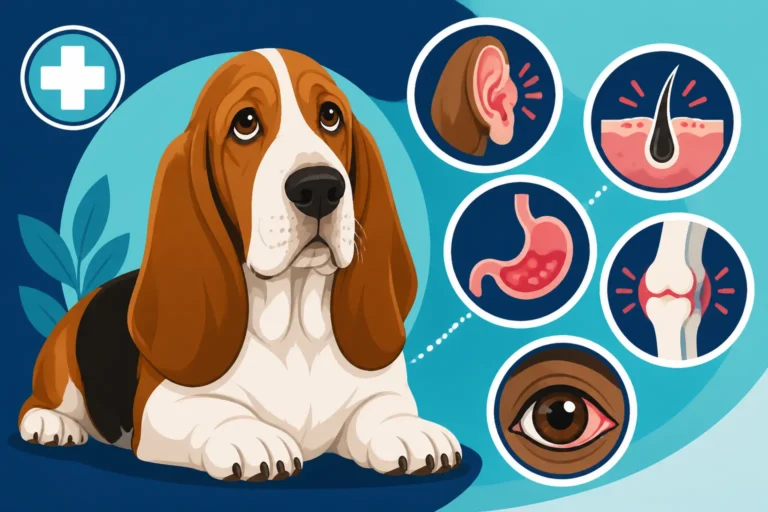
One of the most defining features of a Basset Hound is their incredibly long spine, coupled with short, stout legs. This conformation, known as chondrodystrophy, is what gives them their characteristic low-slung profile. However, it also means their intervertebral discs – the shock absorbers between the bones of the spine – are more prone to degeneration and herniation than in other breeds. Imagine a long bridge supported by short, thick pillars; if too much strain is put on one section, it can compromise the entire structure. This makes them particularly susceptible to conditions like Intervertebral Disc Disease in a Basset Hound.
Because of this predisposition, any improper movement or sudden twist can put undue pressure on these already vulnerable discs. Lifting a Basset Hound incorrectly can exacerbate this risk, leading to painful injuries that might require extensive veterinary care. It’s not just about comfort; it’s about preventing serious, life-altering conditions that can deeply impact their quality of life.
The Weight Distribution Challenge
Basset Hounds, despite their short stature, are surprisingly heavy dogs, often weighing between 40 to 60 pounds, sometimes even more. Their dense bone structure and sturdy build mean they carry a significant amount of weight on those short legs. When you lift them, you're not just dealing with their length but also their sheer mass. This weight isn't distributed evenly throughout their body; they are often quite front-heavy, with substantial chests and forequarters, while their hindquarters can feel comparatively lighter.
This uneven weight distribution makes them challenging to lift safely without proper support. If you attempt to lift a Basset Hound by grasping only under their chest, their back half will naturally sag and twist, putting immense strain on their mid and lower spine. It’s like trying to carry a heavy, flexible log by only holding one end – it will bend dramatically in the middle. Owners often grapple with the reality of What Extra Weight Does to a Basset Hound, which can further complicate lifting and add to spinal stress.
Why Lifting Under the Chest Alone is Risky
It's natural to want to scoop up your Basset, especially when they need assistance. However, instinctively grabbing them under the chest, as one might a smaller, more evenly proportioned dog, is a recipe for potential disaster for our long-backed friends.
Strain on the Thoracic and Lumbar Spine
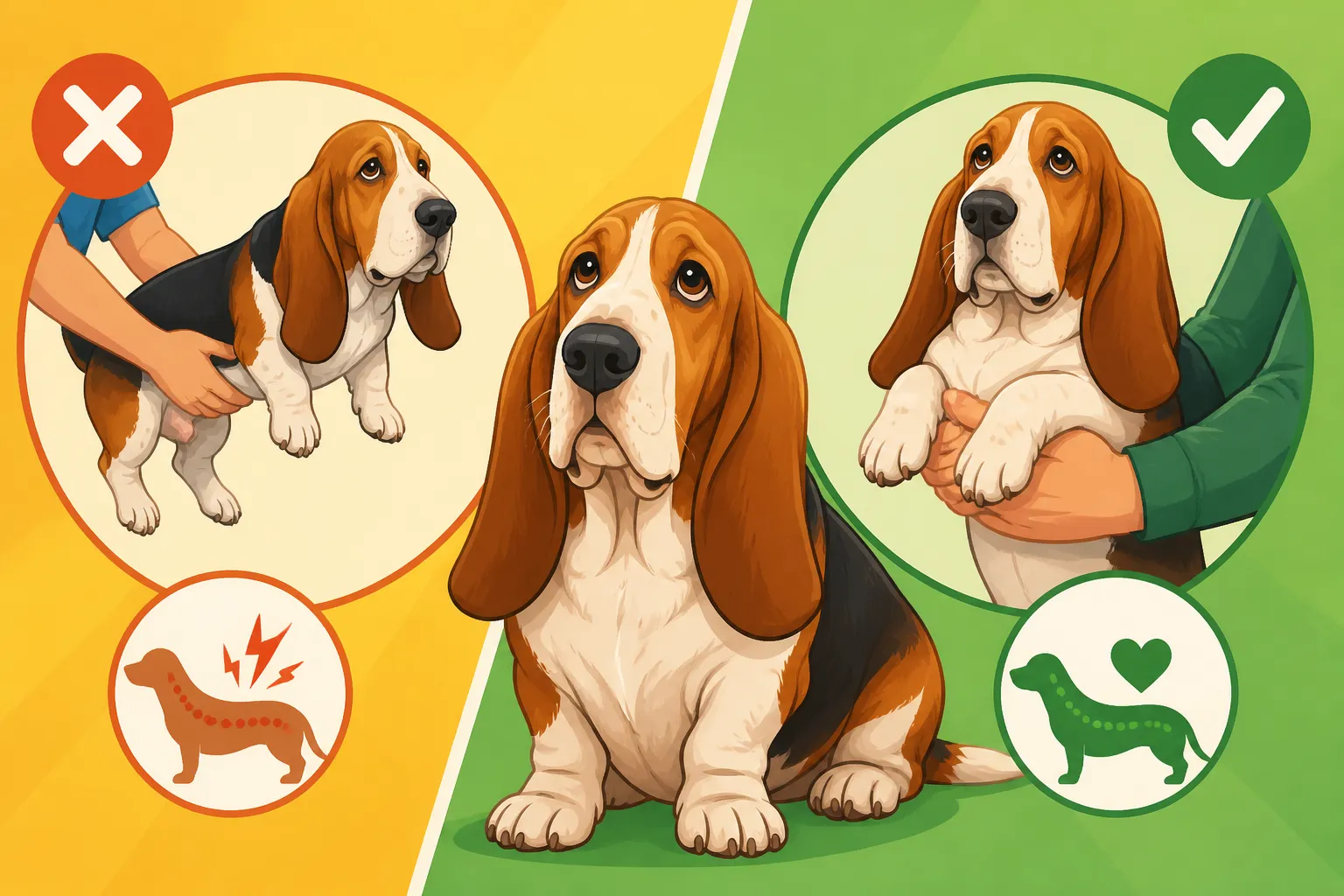
When you lift a Basset Hound solely by supporting their chest, their heavy body weight causes their hindquarters to drop and dangle. This action forces their long spine into an unnatural arch, placing immense stress on the delicate intervertebral discs and surrounding musculature, particularly in the thoracic (mid-back) and lumbar (lower back) regions. This isn't just uncomfortable; it can lead to acute injury, disc herniation, or exacerbate pre-existing disc disease, which is unfortunately common in the breed.
The sudden compression and torsion on the spine from such a lift can be compared to bending a ruler too sharply. While the ruler might not break immediately, repeated stress will weaken it over time. For a Basset, this repeated strain can lead to chronic pain, nerve damage, or even paralysis. Understanding The Back Trouble a Basset Hound Is Built Into helps underscore just how critical proper lifting technique is. We want to avoid any action that puts their back at risk.
Discomfort and Fear for Your Hound
Beyond the physical danger, being lifted improperly can be a frightening and uncomfortable experience for your Basset Hound. Imagine being picked up in a way that makes your body feel out of control, causing pain or a sensation of instability. Dogs remember these negative experiences. A Basset who has been lifted incorrectly and felt pain or fear might become resistant to being handled, making future necessary lifts even more challenging.
Their instincts tell them to brace against the discomfort, which can inadvertently lead to them squirming or twisting further, increasing the risk of injury for both of you. A good lift is one that feels secure and comfortable for your dog, building trust and making them more cooperative when assistance is truly needed. It's about respecting their body and ensuring their emotional well-being alongside their physical health.
The Safest Ways to Lift a Basset Hound
Now that we understand the "why not," let's focus on the "how to." Safe lifting techniques prioritize spinal support and even weight distribution, ensuring your Basset Hound feels secure and comfortable.
The Two-Person Lift Technique
For larger or less cooperative Basset Hounds, or when navigating challenging situations like getting into a tall SUV, a two-person lift is often the safest and most comfortable option. This method ensures maximum support and minimizes strain on both the dog and the handlers.
One person should position themselves at the Basset's front, placing one arm under the chest, just behind the front legs. Their other arm should go around the dog's chest, bracing the rib cage. The second person stands at the Basset's rear, placing one arm under the dog's belly, in front of the hind legs, and the other arm supporting the hindquarters. On a count of three, both people lift simultaneously, keeping the dog's body level and straight. The key is to coordinate and lift as one unit, avoiding any twisting or bending of the spine. This controlled approach greatly reduces the risk of injury. This is especially important for senior Bassets, as discussed in The Old Basset Hound That Cannot Get Off the Floor.
The Single-Person Supported Lift
While a two-person lift is ideal, it’s not always practical. If you need to lift your Basset Hound by yourself, the key is to ensure both the front and rear of their body are fully supported. This usually means cradling them much like you would a baby, distributing their weight across your arm and body.
To perform a single-person supported lift:
- Approach Calmly: Get down to your Basset's level and reassure them.
- Position Your Arms: Slide one arm between their front legs and under their chest, ensuring your hand supports their sternum.
- Support the Rear: Bring your other arm under their belly and hindquarters, aiming to support their weight from beneath their pelvis and lower abdomen. Your forearms should run along their underside, parallel to their spine.
- Lift Evenly: With a gentle but firm motion, lift straight up, keeping their body as level and straight as possible. Pull them close to your body to leverage your strength and minimize strain on your own back. Avoid jerking or sudden movements.
Here’s a quick comparison of lifting methods:
| Lifting Method | Support Points | Benefits | Risks of Incorrect Use |
|---|---|---|---|
| Under Chest Only | Front chest/armpits | Seems easy/quick | Severe spinal strain, disc injury, discomfort |
| Two-Person Coordinated | Front chest & rear belly/hips | Maximum stability, even weight distribution | Requires coordination, not always available |
| Single-Person Supported | Front chest/sternum & rear belly/hindquarters | Good support, practical for one person | Requires strength, still risk if not done level and close |
| Using a Harness with Handle | Even pressure across back/chest if handle used correctly | Assists with stability, reduces direct lifting strain | Not a full lift replacement, can still strain back if dog dangles |
Common Scenarios Requiring a Lift
Despite our best efforts to use ramps and other aids, there will inevitably be times when lifting your Basset Hound is necessary. Knowing when and how to do it safely is paramount.
Navigating Stairs and Furniture
Basset Hounds are often notoriously bad with stairs. Their long backs and short legs make ascending and especially descending a series of steps a strenuous and risky endeavor. The jarring motion of jumping on or off furniture, even low pieces, can also put incredible stress on their spine. We discussed this in detail in posts like Whether a Basset Hound Should Climb Stairs and Whether a Basset Hound Should Jump Off Furniture.
For stairs, if ramps aren't feasible, a controlled two-person lift is safest. If alone, the single-person supported lift, ensuring their entire body is kept horizontal, is crucial. For furniture, if they insist on being on the sofa, consider steps or a ramp. If lifting is unavoidable, always use the supported method to guide them gently on and off, preventing any awkward jumps or falls. Remember, prevention is better than treatment when it comes to spinal health.
Getting In and Out of Vehicles
Car rides are a part of life for many Basset Hounds, whether it’s a trip to the vet, the park, or a family vacation. However, the high jump into and out of a car or SUV can be incredibly damaging to their backs and joints, particularly for older or heavier Bassets. A single hard landing could easily trigger a disc problem.
This is a prime situation where a ramp is highly recommended. However, if a ramp isn't an option, use the two-person or single-person supported lift method to gently place your Basset into the vehicle and lift them out. Ensure their body remains level throughout the process to prevent any sudden spinal compression. Taking the time to do this correctly every time is a small effort compared to the potential pain and veterinary bills that could result from an injury. If an accident were to happen, having a robust pet insurance plan like one from Healthy Paws could be a lifesaver for unexpected costs.
Assisting an Injured or Senior Basset
As Basset Hounds age, their mobility can naturally decline. Conditions like arthritis, hip dysplasia, or worsening disc disease can make standing, walking, or even repositioning themselves difficult. Older Bassets, like those mentioned in The Age a Basset Hound Counts as Senior, often need help getting up, navigating slippery floors, or even going outside. Similarly, a Basset recovering from surgery or suffering from a sudden injury will require delicate handling.
In these sensitive situations, lifting technique becomes even more critical. A supportive sling or a sturdy towel placed under their belly can also assist in providing stability, especially for short distances or helping them stand. Always move slowly and deliberately, paying close attention to their body language for any signs of discomfort or pain. For long-term assistance, discuss mobility aids like slings, harnesses with handles, or even a doggie cart with your veterinarian. Being proactive and prepared can make a huge difference in their quality of life. Considering options like Helping an Old Basset Hound Onto the Couch will be key.
Alternatives to Lifting: Ramps and Assistance Gear
While knowing how to lift safely is essential, the best lift is often the one you don't have to do. Investing in aids can significantly reduce the need for manual lifting and protect your Basset Hound's back in the long run.
Utilizing Ramps and Steps
Ramps are truly a Basset Hound owner's best friend. Whether it's a ramp for the car, or small steps leading up to a favorite sofa or bed, these tools eliminate the dangerous impact of jumping and the strain of climbing. When considering The Ramps, Beds and Gates a Basset Hound Needs, look for sturdy, non-slip models that are wide enough for your Basset to feel secure. Even small rises, like a step from a sunroom to a yard, can be turned into a ramp situation.
Training your Basset to use a ramp might take a little patience and plenty of treats, but it's an investment in their spinal health that pays dividends over their lifetime. Start with the ramp on flat ground, lure them over it with food, and gradually introduce it to low heights before moving to steeper inclines like a car. Consistency is key, and soon, your Basset will be a pro at navigating their world safely.
Supportive Harnesses and Slings
For Basset Hounds who need frequent assistance with mobility – perhaps due to age, arthritis, or recovery from an injury – specialized harnesses and slings can be invaluable. These differ from a standard walking harness; they are designed with handles or broader support straps that allow you to lift or assist your dog without putting direct pressure on their spine. Brands like Help 'Em Up Harness or GingerLead offer great solutions tailored for dogs with mobility challenges.
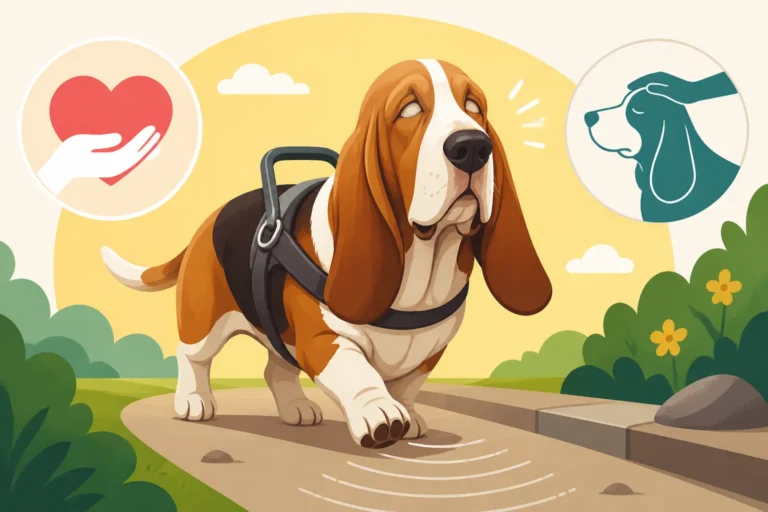
A full-body harness with a lifting handle, for instance, can help you guide your Basset up stairs, into the car, or just steady them if they are wobbly. A rear-support sling can be used to help lift their hindquarters, taking pressure off their front legs and back. These tools distribute weight more evenly and provide a stable grip, making it easier for you and much more comfortable for your Basset. While these don't replace proper lifting technique entirely, they provide an excellent adjunct, and having peace of mind for their health, potentially backed by insurance from Healthy Paws, is always a good idea.
Preventing Future Back Issues
The discussions around lifting a Basset Hound are ultimately about prevention. Our goal as loving owners is to give them a long, comfortable, and pain-free life, and that means being proactive about their spinal health.
Maintaining a Healthy Weight
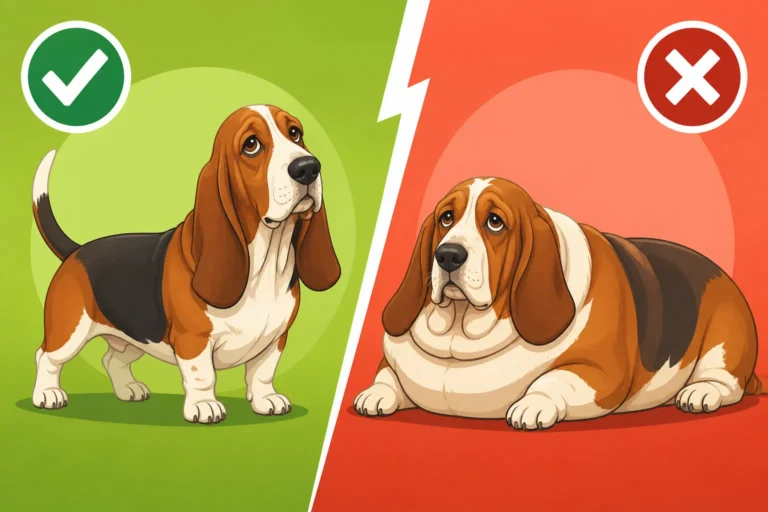
One of the single most impactful things you can do for your Basset Hound's back is to keep them at a healthy weight. Extra pounds put additional strain on their spine and joints, accelerating disc degeneration and making them more susceptible to injury. It also makes lifting them much harder and more perilous for both of you.
Work closely with your veterinarian to determine your Basset's ideal weight and create a feeding plan to achieve and maintain it. This includes carefully measuring food, limiting treats, and providing appropriate, low-impact exercise. A lean Basset is a healthier Basset, and every pound they shed is a load off their vulnerable spine. Keeping a Basset Hound at Its Correct Weight can truly extend their comfortable years.
Regular, Appropriate Exercise
While Basset Hounds might seem laid-back, regular, moderate exercise is crucial for maintaining muscle tone, joint flexibility, and overall spinal health. Think low-impact activities: leisurely walks, scent games in the yard, or gentle strolls where they can follow their nose. Avoid high-impact activities like intense running, jumping, or rough play that could jar their spine.
Consistent, controlled movement helps strengthen the muscles that support their long back, providing a natural corset of protection. It also prevents stiffness and promotes good circulation. A daily walk, even if it’s just around the block, can make a world of difference in keeping their body strong and resilient against the challenges of their unique conformation.
Proactive Veterinary Care and Monitoring
Regular veterinary check-ups are vital for monitoring your Basset Hound’s back health. Your vet can assess their gait, examine their spine for any signs of pain or stiffness, and discuss preventative measures. Don't wait until there's an obvious problem; subtle changes in how your Basset moves, like reluctance to jump, difficulty getting up, or a change in their posture, can be early indicators of spinal discomfort.
Being transparent with your vet about how you handle and lift your Basset, and any concerns you have, allows them to provide the best advice. They might recommend joint supplements, pain management strategies, or physical therapy exercises to keep your Basset's back as healthy as possible. Early intervention is key to managing any spinal issues and maintaining their quality of life. This kind of proactive approach can sometimes involve significant costs, so a comprehensive pet insurance plan like those offered by Healthy Paws can provide crucial support.
Disclaimer
This article is for general informational purposes only and does not constitute professional advice. Laws, prices and regulations vary by location and change over time. Consult a qualified professional for guidance on your specific situation.