Whether a Basset Hound Gets Sore Hocks
It’s a heart-wrenching moment when you notice your beloved Basset Hound struggling, perhaps limping, or showing reluctance to do the simple things they once loved, like waddling to their food bowl. Often, owners worry about issues with their unique, short legs, and a common area of concern can be the "hocks"—the canine equivalent of an ankle. This comprehensive guide will delve into whether Basset Hounds are prone to sore hocks, what causes this discomfort, how to spot the signs, and most importantly, how to help your floppy-eared friend stay as comfortable and mobile as possible.
Understanding the Basset Hound's Hock and Potential for Soreness
The term "sore hocks" can be a bit broad, often encompassing a range of issues from superficial skin irritation to deep joint pain. For Basset Hounds, with their distinctive conformation, both are unfortunately quite possible. Their unique build, while charming, places particular stresses on their joints and creates areas prone to pressure and rubbing.
Anatomy of the Basset Hound Hock
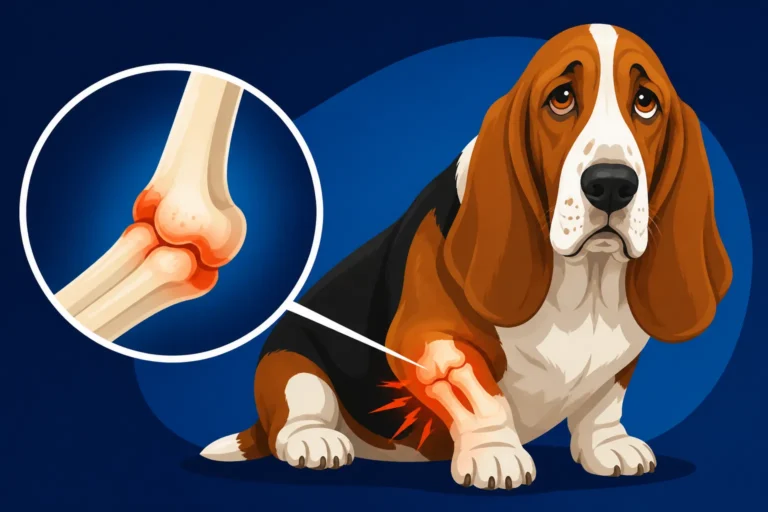
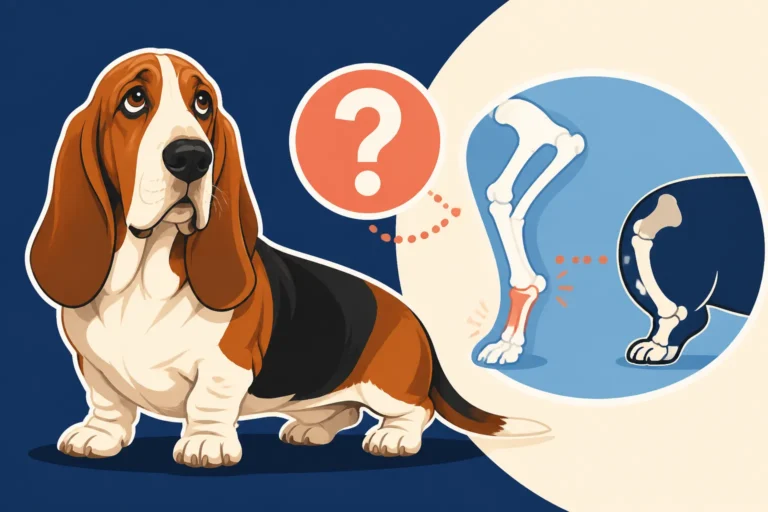
Let's get a little technical for a moment, but I promise to keep it easy to understand. The hock joint in a dog, also known as the tarsus, is essentially their ankle. It’s a complex joint involving several small bones (tarsal bones), ligaments, tendons, and muscles, all working together to provide shock absorption and propulsion for movement. In Basset Hounds, these joints are part of their short, sturdy, and often slightly bowed legs, which are designed to keep their nose close to the ground for scenting. However, this structure means their hocks bear a significant amount of weight and can be subject to unusual forces, especially if their gait isn't perfectly aligned or if they are carrying extra pounds. You might notice your Basset Hound's front feet can also turn out a bit, but it's the hocks in the rear that we're focusing on today for this particular discomfort.
Common Causes of Hock Pain in Basset Hounds
So, why would a Basset Hound get sore hocks? It's not usually just one thing, but a combination of factors related to their genetics, lifestyle, and environment.
- Arthritis and Degenerative Joint Disease (DJD): This is, sadly, a very common culprit in Basset Hounds, especially as they age. Just like people, dogs can develop wear-and-tear arthritis in their joints. The constant stress on their hocks from their body weight and unique leg structure can lead to the cartilage breaking down, causing inflammation, pain, and stiffness. This can particularly affect senior Basset Hounds, leading to issues like Arthritis in a Basset Hound at Seven or difficulty for The Old Basset Hound That Cannot Get Off the Floor.
- Injuries and Trauma: Hocks can be injured through falls, slips on slick surfaces, or even awkward jumps. A sudden twist or impact can strain ligaments, damage tendons, or even cause fractures. While Basset Hounds aren't typically leaping like gazelles, a misstep while chasing a scent in the yard or a clumsy dismount from the sofa can easily lead to a sprain or more serious injury.
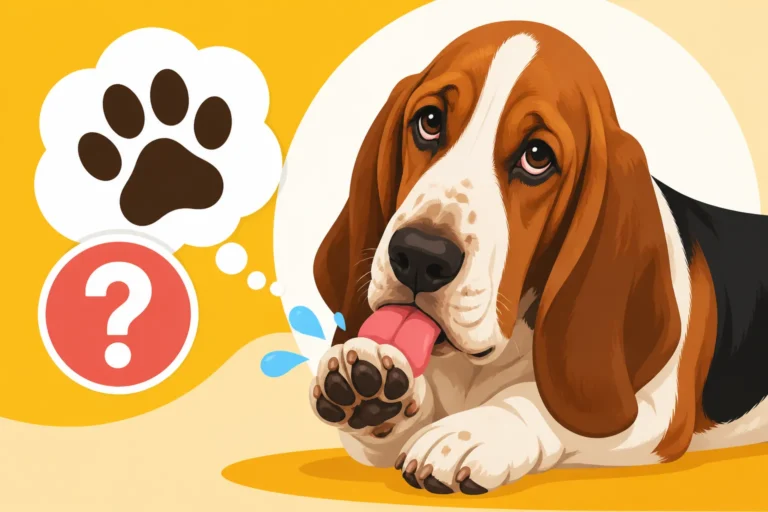
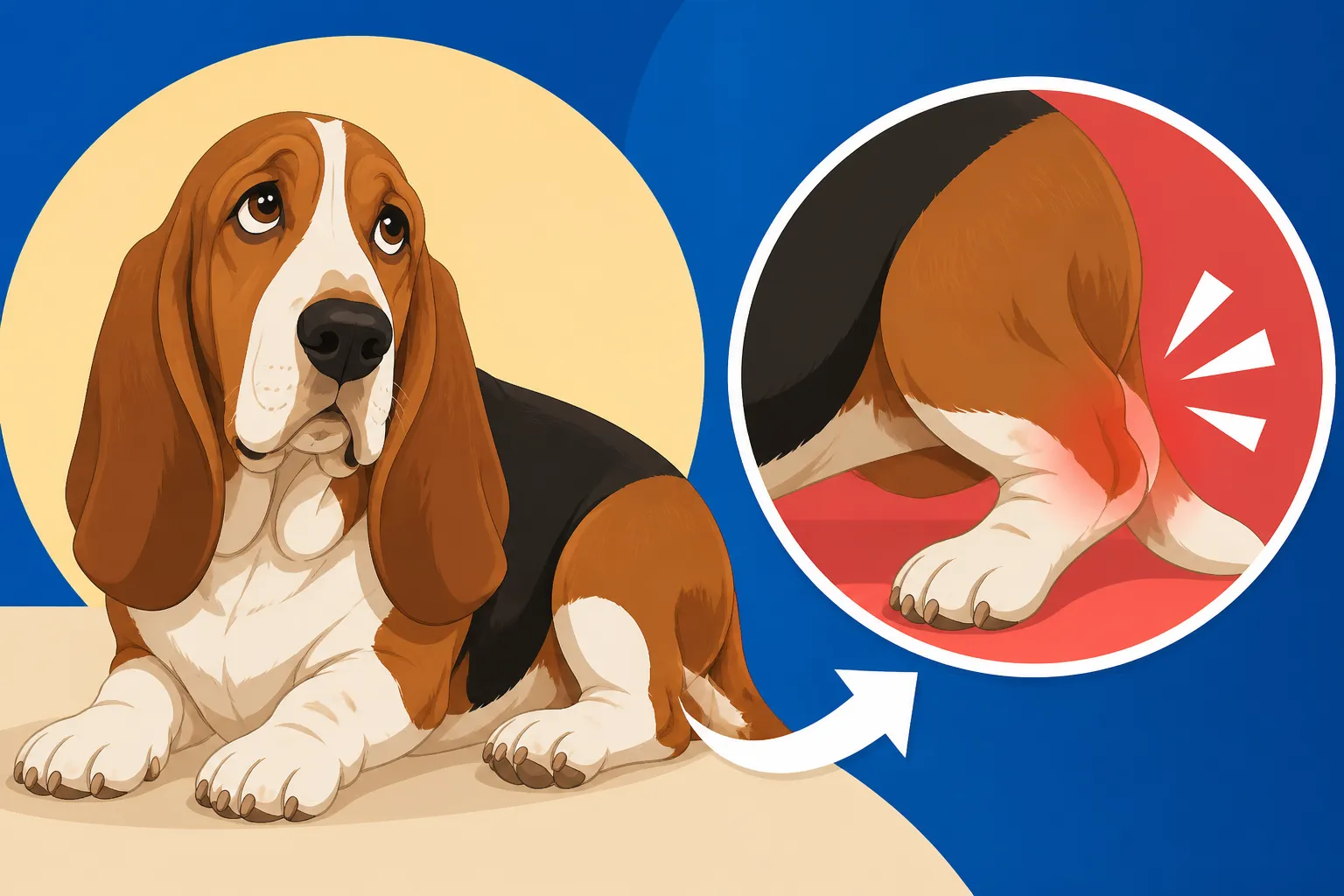
- Calluses and Skin Irritation: This is where the distinction between "sore hocks" as joint pain and "sore hocks" as skin discomfort comes in. Basset Hounds, due to their heavy bone structure and tendency to lie down with a thud, often develop thick, tough calluses on their hocks (and elbows). These are the body's way of protecting pressure points. However, if these calluses become too dry, crack, get infected, or are subjected to constant friction on hard surfaces, they can become quite painful and truly "sore." This kind of issue needs a different approach than joint pain, though both can make movement uncomfortable.
- Obesity: This is a huge factor. While a Basset Hound is Fat or Just Built That Way is a common debate, excess weight puts immense strain on all their joints, including the hocks. Every extra pound magnifies the forces acting on their legs, accelerating the onset and severity of arthritis and increasing the risk of injury. We've talked before about What Extra Weight Does to a Basset Hound, and it really can be detrimental to their long-term health and mobility. Keeping a Basset Hound at Its Correct Weight is paramount for preventing hock soreness and many other issues.
- Infections: In rarer cases, infections can occur within the joint (septic arthritis) or in the surrounding soft tissues, leading to severe pain, swelling, and lameness. This often follows a puncture wound or spreads from another infection in the body.
Recognizing the Signs of Hock Trouble in Your Basset Hound
Basset Hounds are famously stoic, and sometimes their pain isn't immediately obvious, making it crucial for owners to be vigilant. They might not cry out, but subtle changes in their behavior or physical appearance can signal that something is amiss with their hocks. You are their best advocate, so knowing what to look for is key.
Behavioral Changes That Indicate Pain
When a Basset Hound's hocks are bothering them, they might express it through changes in their everyday routines and demeanor. It’s not about them being dramatic, but about trying to minimize pain.
- Limping or Shifting Weight: This is often the most obvious sign. You might notice a subtle lameness, where they favor one leg, or they might put less weight on the affected hock. Sometimes, it's not a constant limp but appears after rest, especially after they've been lying down for a while, only to "warm out of it" as they move. They might try to distribute their weight unevenly, or even "bunny hop" with their back legs.
- Reluctance to Move or Play: If your Basset, usually eager for a waddle or a sniff-around, becomes hesitant to go for walks, climb stairs, or jump onto the couch (even if they know they shouldn't be on the couch!), it's a huge red flag. They might seem less enthusiastic about playtime or even resist standing up when called. This isn't laziness; it's pain.
- Difficulty Rising or Lying Down: Observe how your Basset transitions from lying to standing and vice-versa. If they struggle, groan, or take a long time to get comfortable, especially dragging their hind legs, their hocks or other rear-end joints could be causing discomfort. The Age a Basset Hound Counts as Senior is often when these changes become most noticeable, but they can occur earlier.
- Changes in Posture: A Basset Hound with sore hocks might stand or sit in unusual positions to relieve pressure. They might tuck a leg under themselves or hold it slightly out to the side. They might also shift their weight forward onto their front legs more than usual.
Physical Indicators to Look For
Beyond behavior, there are tangible physical signs you can look for during your regular checks or cuddle sessions. This is where getting hands-on (gently!) with your Basset is important.
- Swelling or Heat: Carefully feel your Basset's hocks. Compare one to the other. Is one swollen? Does it feel warmer to the touch than the other leg or other parts of their body? Swelling and heat are classic signs of inflammation, whether it's from arthritis or an injury.
- Tenderness or Pain on Palpation: Gently try to flex and extend the hock joint. If your Basset flinches, pulls their leg away, vocalizes, or shows any sign of discomfort, it's a strong indicator of pain. Always do this gently and stop immediately if your dog shows distress.
- Calluses, Redness, or Open Sores: As mentioned, calluses are common on Basset Hounds' hocks. Check these areas regularly. Are they excessively dry or cracked? Is there any redness around them, or worse, an open sore? These can be painful and prone to infection. If you see discharge, pus, or a foul odor, it's definitely time to see the vet.
- Muscle Atrophy: If a hock has been sore for a while, your Basset might stop using that leg as much, leading to the muscles in that leg (especially the thigh muscles) becoming smaller or weaker compared to the other leg. You might notice the leg looking thinner.
Preventative Measures and Management for Sore Hocks
The good news is that much can be done to prevent or manage sore hocks in Basset Hounds. It requires a proactive approach, a keen eye, and a willingness to adapt your home and routine to their unique needs.
Creating a Joint-Friendly Environment
Our homes, built for humans, aren't always ideal for a dog with short legs and a long back. Making some adjustments can drastically reduce strain on their hocks and other joints.
- Ramps and Steps: This is non-negotiable for most Basset Hounds. Jumping on and off furniture or in and out of cars puts tremendous stress on their spine, hips, and hocks. Invest in sturdy ramps or dog steps for access to sofas, beds, and vehicles. You can find excellent options online or at local pet stores. Whether a Basset Hound Should Use a Ramp isn't a question of if, but when.
- Non-Slip Flooring: Slippery floors like hardwood, tile, or laminate are a major hazard. Basset Hounds can easily slip, causing hyperextension or twisting injuries to their hocks. Use rugs, runners, or carpet sections in high-traffic areas where your Basset walks. Even adding non-slip pads to the bottom of their paws can help.
- Orthopedic Beds: A plush, supportive bed is essential. A cheap, thin bed won't cushion their joints properly. Look for orthopedic beds with memory foam that conform to their body, providing support and relieving pressure points, especially on their hocks and elbows. An orthopedic bed can prevent calluses from forming or worsening and offer comfort for existing joint pain. You can read more about What an Orthopedic Bed Costs for a Basset Hound if you're exploring options.
- Moderate Exercise: While Bassets aren't marathon runners, regular, moderate exercise is vital for maintaining muscle strength, joint flexibility, and a healthy weight. Think consistent, shorter walks on soft surfaces like grass, rather than long, strenuous hikes on pavement. Avoid excessive jumping or rough play that could jar their joints.
Nutritional Support and Weight Management
What goes into your Basset Hound's bowl plays a huge role in their overall joint health. Nutrition and weight are two sides of the same coin when it comes to preventing sore hocks.
- Maintaining an Ideal Weight: We touched on this, but it bears repeating: obesity is the enemy of healthy joints. Work with your vet to determine your Basset Hound's ideal weight and stick to a strict feeding plan. Feeling for a Basset Hound's Ribs Under Loose Skin is a good indicator of their body condition. If they're overweight, focus on a controlled diet and appropriate exercise. There are many fantastic weight management dog foods available that can help shed those extra pounds without sacrificing essential nutrients.
- Joint Supplements: Many vets recommend joint supplements for Basset Hounds, especially as they approach middle age or if they show early signs of joint stiffness. Ingredients like glucosamine, chondroitin, MSM, and Omega-3 fatty acids can help support cartilage health, reduce inflammation, and improve joint lubrication. Brands like Nutramax's Dasuquin or Cosequin are popular choices, but always consult your veterinarian before starting any supplements to ensure they're appropriate for your specific dog. Understanding What Joint Supplements Cost a Basset Hound Owner can help you budget for this preventative measure.
- High-Quality Diet: A balanced, high-quality dog food provides the foundational nutrients for overall health, including bone and joint development and maintenance. Look for foods with good protein sources and appropriate fat content for your Basset's activity level and age.
Regular Vet Check-ups and Early Intervention
Your veterinarian is your most valuable partner in keeping your Basset Hound healthy, especially when it comes to joint issues. Don't wait until problems become severe.
- Annual Wellness Exams: Regular check-ups allow your vet to monitor your Basset's gait, examine their joints, and catch any subtle signs of trouble early. They can assess muscle mass, range of motion, and look for signs of pain or inflammation. Early detection of conditions like arthritis means early intervention, which can significantly slow progression and manage pain.
- Discussing Mobility Concerns: If you notice any of the behavioral or physical signs of hock trouble, don't hesitate to bring it up with your vet. Describe what you've observed in detail. They might recommend diagnostic imaging (like X-rays) to get a clearer picture of what's happening within the joint.
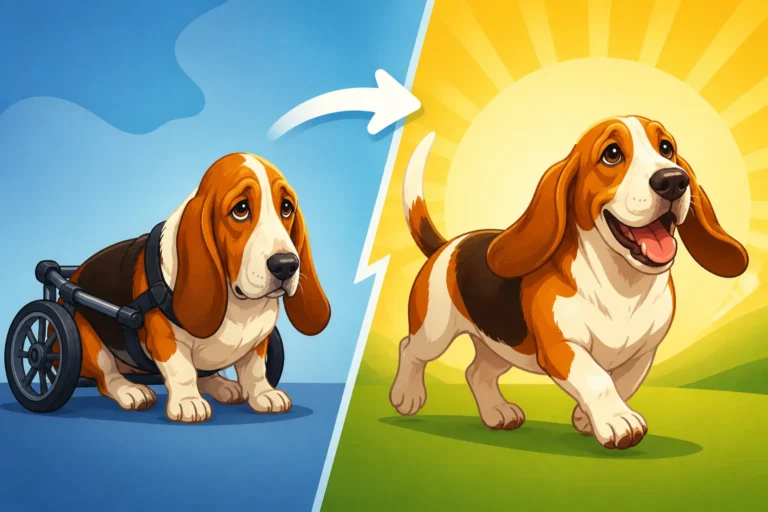
- Pain Management Strategies: If your Basset Hound is diagnosed with arthritis or another painful condition in their hocks, your vet can work with you to create a pain management plan. This might include anti-inflammatory medications (NSAIDs), physical therapy, therapeutic laser treatments, or even injections. Early and consistent pain management can dramatically improve your Basset's quality of life and keep them active for longer. Companies like Healthy Paws can provide pet insurance that helps cover the costs of these ongoing treatments, especially for chronic conditions like arthritis or unforeseen injuries.
- Callus Care: For simple calluses that aren't infected, regular moisturizing with paw balm or specialized callus creams (ensure they are safe for dogs to lick) can help keep the skin supple and prevent cracking. Keeping their bedding soft also helps. If a callus is severely cracked, bleeding, or infected, a vet visit is essential for proper cleaning and antibiotics.
| Sign Category | Specific Indicators | What it Might Mean | Action to Take |
|---|---|---|---|
| Behavioral Changes | Limping, favoring a leg | Pain, injury, arthritis | Observe closely, note frequency/severity, contact vet |
| Reluctance to jump, climb stairs, or play | Joint pain, muscle weakness | Provide ramps/steps, encourage gentle exercise, vet consult | |
| Difficulty rising/lying down | Joint stiffness, pain, weakness | Orthopedic bed, physical examination by vet | |
| Changes in posture (e.g., tucking a leg) | Trying to alleviate pressure/pain | Monitor, gentle palpation, consult vet | |
| Physical Indicators | Swelling or heat around the hock | Inflammation, injury, infection | Immediate vet visit, avoid manipulation |
| Tenderness to touch/manipulation | Acute pain, injury, arthritis flare-up | Gentle handling, vet assessment | |
| Dry, cracked, or infected calluses | Pressure sores, friction irritation, secondary infection | Moisturize calluses, soft bedding, vet for infection | |
| Muscle atrophy in the affected leg | Chronic pain, disuse of limb | Vet evaluation, potential physical therapy |
In conclusion, Basset Hounds are indeed susceptible to sore hocks, whether it’s due to underlying joint conditions like arthritis, acute injuries, or even superficial skin issues like calluses exacerbated by their unique anatomy and lifestyle. The key is vigilance, proactive care, and a close relationship with your veterinarian. By providing a safe, comfortable environment, managing their weight, considering appropriate supplements, and addressing any signs of discomfort promptly, you can help your sweet Basset enjoy a long, happy, and mobile life.
Disclaimer
This article is intended for informational purposes only and is not a substitute for professional veterinary advice, diagnosis, or treatment. Always seek the advice of your veterinarian or other qualified animal health provider with any questions you may have regarding a medical condition or the health and welfare of your pet.