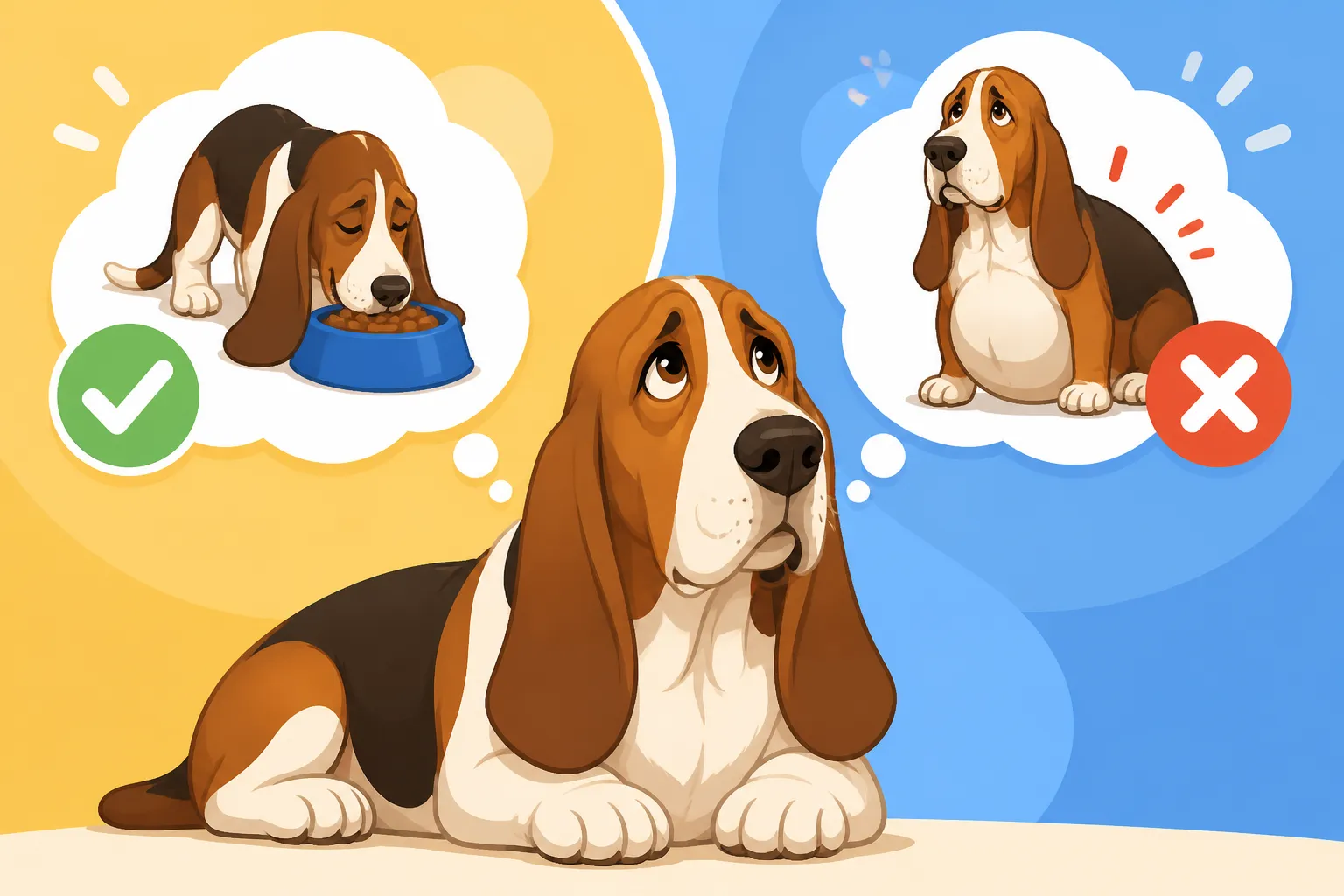
Whether a Basset Hound Bloats After Eating
It’s a scenario every Basset Hound owner dreads: you see your beloved, droopy-eared companion looking uncomfortable after eating, their belly distended, and a cold wave of fear washes over you. The worry about bloat, or Gastric Dilatation-Volvulus (GDV), is very real for owners of deep-chested breeds like Bassets. This guide aims to thoroughly explain what bloat is, why Basset Hounds are particularly susceptible, how to recognize the critical signs, and what preventative steps you can take to keep your furry friend safe.
Understanding Bloat (GDV) in Basset Hounds
Bloat is more than just an upset stomach; it's a terrifying, life-threatening emergency that can strike quickly and without much warning. For Basset Hound owners, understanding this condition isn't just helpful, it's absolutely crucial for their dog's survival.
What Exactly is Gastric Dilatation-Volvulus?
At its core, Gastric Dilatation-Volvulus (GDV), commonly known as bloat, is a condition where a dog's stomach fills with gas, food, or fluid, causing it to distend (dilate) excessively. This initial expansion is serious enough, but the real danger comes when the stomach then twists upon itself (volvulus). When the stomach twists, it effectively cuts off both the entrance and exit, trapping gas and fluid inside. It also cuts off blood supply to the stomach and often the spleen, leading to tissue death, shock, and a cascade of other severe physiological problems. It's an incredibly painful and rapidly progressing condition. Imagine having your stomach suddenly inflate like a balloon and then twist, cutting off everything – that’s essentially what happens to our poor Bassets.
Why Basset Hounds Are at Higher Risk
Basset Hounds, with their distinctive long, deep chests, unfortunately fall into the category of breeds predisposed to bloat. It's not just their unique build, though that plays a significant role. The exact cause of bloat isn't fully understood, but several factors contribute to a higher risk in breeds like ours:
- Deep Chest Conformation: The deep, narrow chest cavity of a Basset Hound allows more room for the stomach to swing and twist when it becomes distended. Breeds like Great Danes, Standard Poodles, and, yes, our Basset Hounds, share this common physical trait.
- Eating Habits: Bassets are often enthusiastic eaters. They tend to gulp down their food quickly, swallowing a lot of air in the process. This rapid ingestion of food and air can contribute to stomach distension, setting the stage for a twist. We've all seen our Basset vacuum up their dinner in seconds!
- Stress and Anxiety: Some studies suggest that stress can be a contributing factor. A dog experiencing anxiety might be more prone to digestive upset, potentially increasing bloat risk.
- Genetics: There appears to be a hereditary component to GDV. If a Basset Hound's close relatives have experienced bloat, their offspring may be at a higher risk. This is why asking breeders about the incidence of bloat in their lines is so important.
- Age and Sex: Older dogs tend to be at a slightly higher risk, and male Bassets might have a marginally higher incidence than females, though both sexes are susceptible.
It's a scary thought, knowing our lovable companions carry this inherent risk, but being aware is the first step toward prevention.
The Urgency of Bloat: Why Every Minute Counts
Bloat is not a "wait and see" situation. It is an immediate, life-threatening emergency that requires prompt veterinary intervention. When the stomach twists, blood flow to vital organs is compromised, leading to shock. The longer the stomach remains twisted, the greater the damage to the stomach tissue and other organs, including the heart and lungs. Toxins build up in the body, and the dog’s condition can deteriorate rapidly.
Within a matter of hours, or even less, bloat can become fatal. This isn't an exaggeration; many owners have lost dogs to bloat because they didn't recognize the signs quickly enough or couldn't get to emergency care in time. The survival rate dramatically decreases with every hour that passes without treatment. For us Basset owners, this means that if you even suspect bloat, you need to act immediately. There's no time for hesitation or for calling the vet for "advice" that delays getting your dog physically examined. Get in the car and go.
Recognizing the Signs and Symptoms of Bloat
One of the most challenging aspects of bloat is that the early signs can sometimes be subtle or easily mistaken for other digestive issues. However, knowing exactly what to look for and acting swiftly can literally save your Basset Hound's life.
Early Warning Signs to Never Ignore
The initial symptoms of bloat can appear suddenly and often progress rapidly. It's vital to be vigilant, especially after meals.
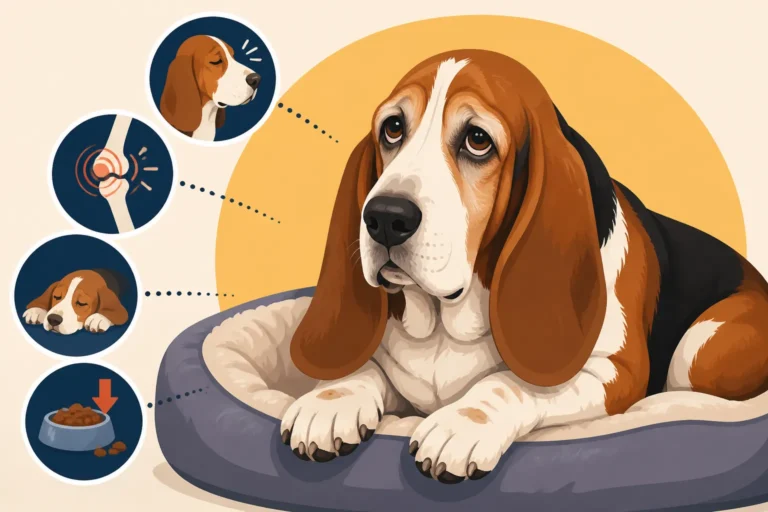
- Restlessness and Pacing: Your typically relaxed Basset might become unusually anxious, unable to settle down. They may pace around the house, shift positions frequently, or try to find a comfortable spot without success.
- Excessive Drooling: While Basset Hounds are known for their drool, an unusual increase in drooling, often thick and foamy, can be a sign of discomfort and nausea associated with bloat. This can also be linked to "The Drool a Basset Hound Produces and Cannot Swallow".
- Retching without Vomit: This is a classic, tell-tale sign. Your Basset will try to throw up, making repeated heaving motions, but nothing or very little comes out. This is because the twisted stomach prevents anything from passing. If your Basset Hound attempts to vomit repeatedly and is unsuccessful, consider it a flashing red light.
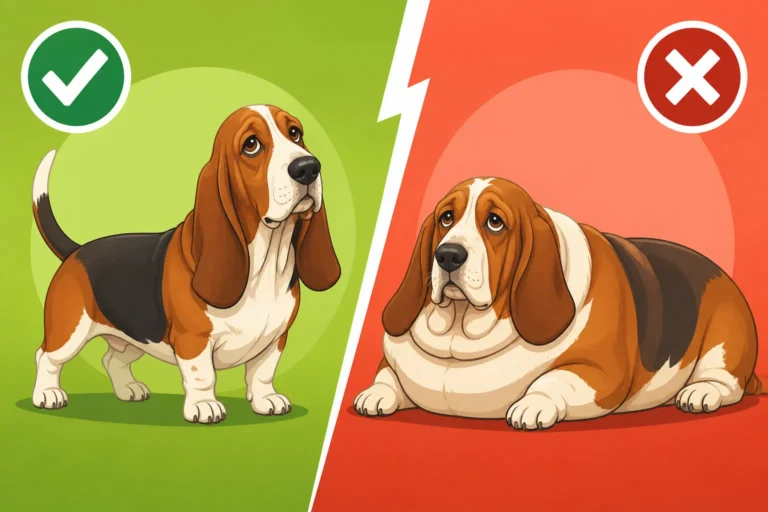
- Distended or Swollen Abdomen: While this can be a later sign, sometimes it develops early. The abdomen, especially on the left side, might appear visibly swollen and feel tight or drum-like to the touch. This can be harder to spot on Bassets due to their generally deep chests, but look for a pronounced, unnatural firmness.
- Pain and Discomfort: Your Basset might whine, groan, or look at their side. They might resist being touched on their abdomen, showing signs of pain or tenderness.
If you observe any combination of these signs, particularly the non-productive retching, it's time to act immediately. Don't wait for more symptoms to develop.
Advanced Symptoms and Emergency Indicators
As bloat progresses without intervention, your Basset Hound's condition will rapidly worsen, exhibiting more severe and undeniable emergency signs.
- Weakness and Collapse: As shock sets in, your Basset may become extremely weak, unable to stand, or may even collapse. Their legs might feel cold to the touch.
- Rapid, Shallow Breathing: The enlarged stomach puts pressure on the diaphragm, making it difficult for your dog to breathe effectively. You might see their chest heaving rapidly and shallowly.
- Pale Gums: Check your Basset's gums. If they are pale, white, or bluish, it indicates poor circulation and shock, a critical emergency. Healthy gums are typically pink and return to color quickly when pressed.
- Increased Heart Rate: Their heart will race as their body tries to compensate for the lack of oxygen and blood flow. This might be hard for an owner to accurately gauge, but it's an internal sign of severe distress.
- Lethargy and Unresponsiveness: Your Basset Hound may become very lethargic, unresponsive to your calls, and generally appear to be in a very poor state.
At this stage, your dog is in severe shock, and the situation is dire. Time is absolutely of the essence. There is no waiting game to be played here; it's a race against the clock.
Differentiating Bloat from Other Stomach Upsets
It can be tough to distinguish bloat from a simple upset tummy, especially in the early stages. Many gastrointestinal issues can cause discomfort, vomiting, or lethargy. However, there are key differentiators for bloat.
The most critical distinction is non-productive retching. If your Basset is repeatedly trying to vomit but nothing comes up, or only foamy saliva, this is the most significant red flag for bloat. A typical upset stomach, while unpleasant, usually results in actual vomiting of food or bile. Another difference is the speed of progression. While other issues might resolve or worsen slowly, bloat tends to accelerate rapidly. One moment your dog might just seem restless, the next they could be in severe distress.
Also, consider the abdominal distension. While some stomach issues can cause mild bloating, with GDV, the abdomen becomes very taut and hard, like a drum, and often visibly enlarged. If your Basset Hound is exhibiting any of these worrying signs, err on the side of caution. A quick trip to the emergency vet for a proper diagnosis is always better than waiting. Many insurance providers, like Healthy Paws, emphasize covering emergency conditions like bloat, highlighting the importance of not delaying care.
Proactive Feeding Strategies to Minimize Risk
Prevention is always better than cure, especially with a condition as dangerous as bloat. While you can't eliminate the risk entirely for your deep-chested Basset Hound, you can certainly adopt feeding practices that significantly reduce the chances of GDV occurring.
The Importance of Meal Size and Frequency
One of the most effective strategies is to change how you feed your Basset Hound. Instead of one or two large meals a day, consider breaking their daily food allowance into smaller, more frequent portions.
- Multiple Smaller Meals: Instead of feeding your Basset Hound a large breakfast and dinner, try to split their total daily food into three or even four smaller meals throughout the day. This helps prevent the stomach from becoming overly full and distended at any one time. Think about it, a smaller amount of food means less potential for gas build-up and less weight pulling on the stomach, making it less likely to twist. This approach aligns with advice often given regarding "How Much an Adult Basset Hound Eats Daily" to maintain their ideal weight and digestive health.
- Consistent Schedule: Try to feed your Basset at roughly the same times each day. Dogs thrive on routine, and a consistent feeding schedule can help regulate their digestive system and minimize stress-related eating behaviors. For puppies, establishing "The Meal Schedule a Basset Hound Puppy Needs" from an early age can set them up for healthier eating habits.
- Avoid Fermentable Ingredients: Some owners find that diets high in fermentable ingredients (like soy products or certain carbohydrates) can produce more gas, potentially increasing bloat risk. Discuss your Basset's diet with your vet to ensure it's balanced and appropriate.
Managing Eating Speed and Water Intake
How your Basset eats and drinks is just as important as what and when. Their enthusiastic nature can, unfortunately, be a liability here.
- Slow Feeder Bowls: If your Basset Hound "inhales" their food, a slow feeder bowl is an absolute game-changer. These bowls have obstacles or ridges that force your dog to eat around them, slowing down their intake significantly. This reduces the amount of air they swallow with their food. If you've ever wondered "Whether a Slow Feeder Suits a Basset Hound", the answer is a resounding yes for bloat prevention. Brands like Outward Hound offer excellent slow feeder options that can make a huge difference.
- Separate Eating Spaces: If you have multiple dogs, feed them separately to prevent competition, which can lead to faster eating. A calm environment is key.
- Water Management: Access to fresh water is always essential, but too much water too quickly, especially immediately before or after a meal, can also contribute to stomach distension. Offer smaller amounts of water more frequently, rather than a huge bowl all at once. If your Basset is panting heavily after exercise, let them cool down for a bit before offering water.
- Raised Bowls: The jury is still out on whether raised bowls truly prevent bloat. Some older theories suggested they might help, but newer research has shown mixed results, with some even suggesting a slight increase in risk for certain breeds. It's best to discuss "Whether a Basset Hound Should Eat From a Raised Bowl" with your veterinarian, considering your dog's individual needs and health history. For now, feeding from floor level remains the most commonly recommended approach.
Post-Meal Activity and Rest
What your Basset Hound does immediately after eating can also impact their bloat risk.
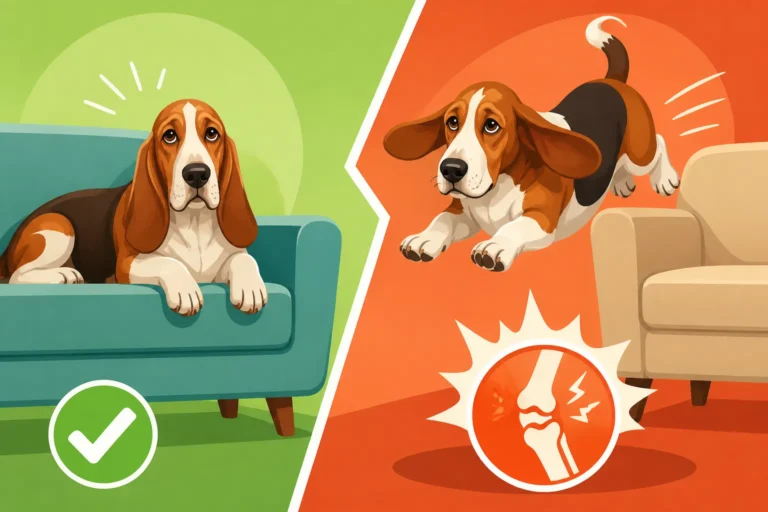
- Mandatory Rest Period: This is critical. Do not allow your Basset to engage in strenuous activity, rough play, or intense exercise for at least one hour before and, more importantly, two hours after eating. Jumping, running, and rolling can cause a heavy, full stomach to swing and potentially twist. Gentle pottering around the yard is fine, but anything more vigorous should be avoided.
- Monitor Water Intake After Exercise: If your Basset has just exercised and is thirsty, let them calm down and cool off before offering water. Gulping large amounts of water while still overheated can be risky.
- Minimize Stress: Try to keep meal times calm and relaxed. Avoid any situations that might cause anxiety or excitement around eating. A peaceful environment can aid digestion.
By implementing these feeding and post-meal strategies, you are taking significant steps to protect your Basset Hound from this devastating condition.
What to Do if You Suspect Bloat in Your Basset Hound
Despite all preventative measures, bloat can still occur. If you suspect your Basset Hound is suffering from GDV, knowing precisely what to do and acting with extreme urgency is paramount. This is a true emergency, and your actions in the first few minutes can make all the difference.
Immediate Actions and Emergency Contact
There is no time to waste when bloat is suspected. Your first and only priority is to get your Basset Hound to an emergency veterinary clinic.
- Do NOT "Wait and See": This cannot be stressed enough. Bloat progresses rapidly, and delaying even for an hour can drastically reduce the chances of survival. If you see signs like non-productive retching, restlessness, or a distended abdomen, consider it an emergency.
- Call Ahead: As you are literally walking out the door or driving to the clinic, call your emergency veterinarian. Inform them that you suspect your Basset Hound has bloat (GDV) and that you are on your way. This allows them to prepare their team and equipment for your arrival, saving precious minutes when you get there. Every second counts. Have the number for your nearest 24-hour emergency vet prominently displayed or saved in your phone.
- Transport Carefully: Move your Basset Hound as gently as possible. If they are in pain or struggling to move, you might need assistance to lift them into the car. Avoid any unnecessary jostling or rough handling.
- Do NOT Attempt Home Remedies: Never try to "de-gas" your dog yourself, give them antacids, or try to force them to vomit. These attempts are not only ineffective but can also cause further harm and waste critical time. The twisted stomach prevents any meaningful release of gas or fluid through the mouth or intestines.
Remember, your best defense against bloat's rapid progression is immediate action and professional veterinary care.
Preparing for a Veterinary Emergency
While your primary focus is getting to the vet, a little preparation can streamline the process once you arrive.
- Gather Information: Be ready to provide your vet with as much information as possible:
- When did you first notice symptoms?
- What exactly did you observe (retching, distension, lethargy, etc.)?
- When did your Basset last eat and drink? What did they eat?
- Has your Basset had any previous health issues or surgeries?
- Are they on any medications?
- Do you know their approximate weight? (This can be relevant for calculating medication dosages quickly.)
- Financial Considerations: Emergency surgeries for bloat can be very expensive, often running into several thousands of dollars. Having a plan, whether it's an emergency fund, a credit card, or pet insurance like Healthy Paws, can allow you to make critical decisions based on your dog's health rather than financial constraints. Many owners are shocked by "What a Basset Hound's Emergency Surgeries Cost", so it's wise to be prepared.
- Stay Calm (as much as possible): Your dog will pick up on your anxiety. While it's natural to be worried, try to remain as calm as you can to avoid stressing your Basset further. Speak to them in soothing tones.
Understanding Emergency Treatment and Prognosis
Upon arrival at the emergency clinic, the veterinary team will immediately assess your Basset Hound.
- Diagnosis: The vet will perform a physical examination, often taking X-rays to confirm if the stomach is dilated and twisted. They will also check for signs of shock.
- Stabilization: Initial treatment focuses on stabilizing your dog. This usually involves placing IV catheters to administer fluids and medications to combat shock. The vet may attempt to decompress the stomach by passing a tube down the esophagus or, if that's not possible, by inserting a large needle through the abdominal wall into the stomach to release gas.
- Surgery (Gastropexy): If GDV is confirmed, emergency surgery is typically required to untwist the stomach and assess any damage. During surgery, a procedure called a gastropexy is usually performed. This involves tacking the stomach to the abdominal wall to prevent it from twisting again in the future. While a gastropexy doesn't prevent dilation, it significantly reduces the chance of recurrence of the life-threatening twist.
- Post-Operative Care: After surgery, your Basset Hound will require intensive care, including pain management, IV fluids, and monitoring for complications like arrhythmias, kidney failure, or peritonitis. Recovery can be slow, but with successful surgery and diligent aftercare, many dogs go on to live full lives.
- Prognosis: The prognosis for bloat depends heavily on how quickly treatment is initiated and the severity of the damage. Dogs treated promptly before significant tissue death or severe shock have a good chance of survival. However, if treatment is delayed, the outlook becomes much graver. Early recognition and immediate veterinary attention are your Basset Hound's best hope.
Bloat is a frightening prospect for any Basset Hound owner, but by understanding the risks, recognizing the signs, and knowing exactly what to do, you empower yourself to protect your beloved companion.
Disclaimer
The information provided in this guide is for educational and informational purposes only and should not be considered a substitute for professional veterinary advice. If your Basset Hound is exhibiting any symptoms of bloat or other serious health concerns, please consult with a qualified veterinarian immediately.