Whether a Slow Feeder Suits a Basset Hound
It's a familiar scene in many Basset Hound households: you put down the food bowl, and before you can even take a step back, your beloved floppy-eared companion has inhaled their entire meal. It’s a race against the clock for them, and often, it leaves us worrying about choking, indigestion, or even something more serious like bloat. This guide is all about whether a slow feeder can be the game-changer your Basset needs to savor their meals and stay healthier.
The Basset Hound's Bottomless Pit: Why They Bolt Their Food
If you've ever watched your Basset Hound eat like it's their last meal on earth, you're not alone. It's a common, and often frustrating, trait that many Basset owners experience. There's a primal urgency to their eating habits, and it stems from a few factors inherent to our charming, low-slung friends.
Basset Hounds, with their incredible noses, were bred for tracking game, often in packs. In a pack environment, competition for food is real. The fastest eater gets the most, ensuring survival. While our modern Bassets aren't typically fending off rivals for their kibble, that instinct to eat quickly, to secure resources, is deeply ingrained in their DNA. It’s not necessarily greed; it’s a genetic blueprint from generations of working hounds. They’re simply following their instincts, and it’s tough to blame them for it.
Beyond instinct, the physical mechanics of a Basset Hound can contribute to rapid eating. Their broad muzzles and powerful jaws are efficient tools for gulping down food with minimal chewing. This speed can lead to a host of problems. Eating too fast means swallowing a lot of air, which can be a major factor in gastric dilatation-volvulus (GDV), commonly known as bloat – a life-threatening condition where the stomach twists. It's a terrifying prospect for any dog owner, and one we're always trying to prevent. Rapid ingestion also means less chewing, poorer digestion, and a higher chance of regurgitation or vomiting shortly after eating. It can also exacerbate issues for a Basset Hound with Whether a Basset Hound Has a Sensitive Stomach. We've all seen the mess, but more importantly, we worry about their comfort and long-term health. This quick eating habit also means they don't really register that they've eaten, which feeds into the perception that they are Feeding a Basset Hound That Would Eat Forever.
Understanding Slow Feeders: More Than Just a Pretty Bowl
So, what exactly is a slow feeder, and how does it aim to tackle this age-old Basset problem? Simply put, a slow feeder is a specially designed food bowl or mat that makes it more challenging for your dog to access their food, thereby slowing down their eating pace. Think of it as putting speed bumps in their dinner highway.
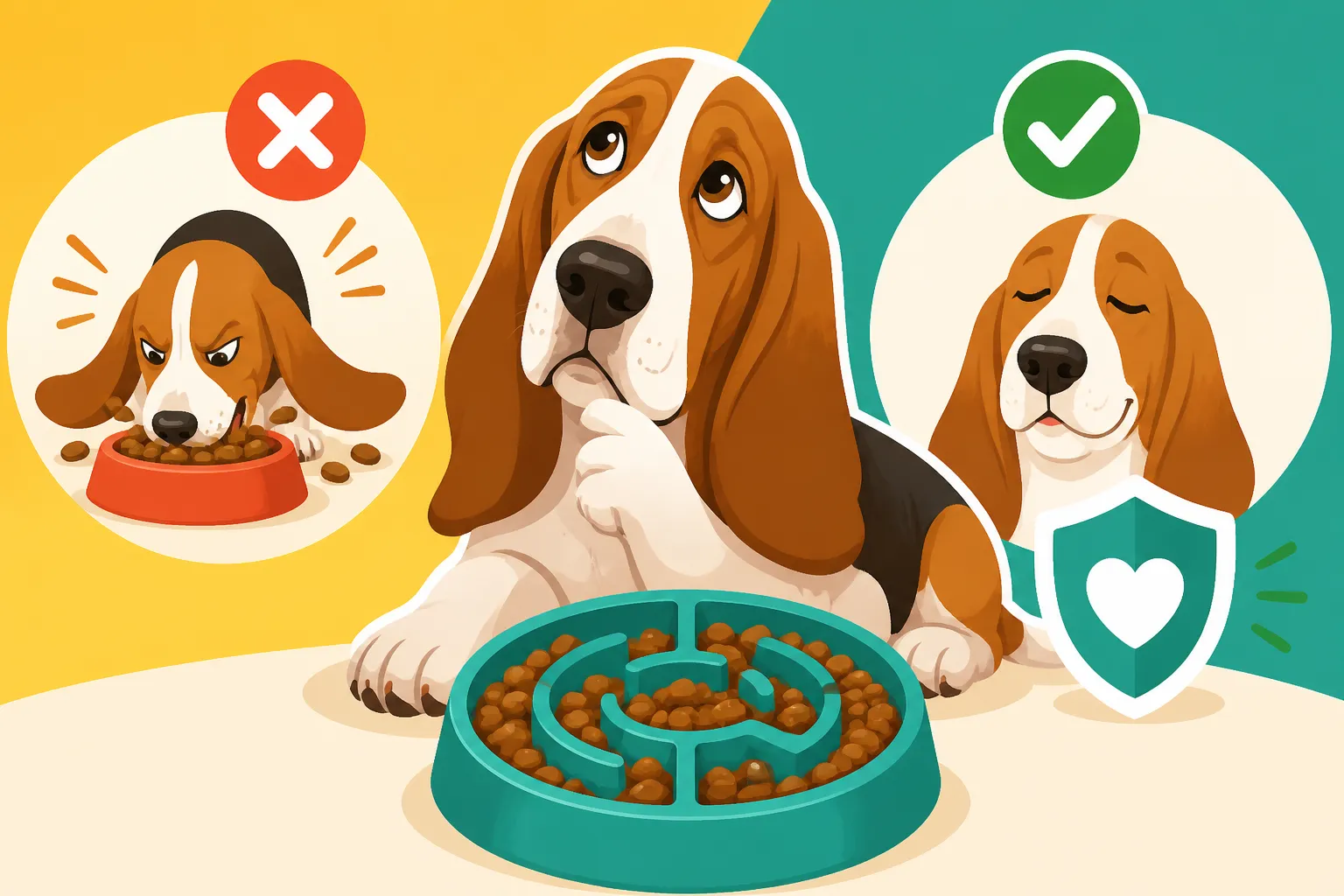
Instead of a wide-open bowl where your Basset can just shovel food into their mouth, slow feeders incorporate various obstacles like ridges, mazes, spirals, or raised sections. These designs force your dog to navigate around the impediments, taking smaller mouthfuls and working a little harder for each bite. This extended mealtime means they're not just gulping; they're actually engaging their brain and mouth muscles more. The goal is to stretch a two-minute meal into a ten or fifteen-minute activity, allowing their body more time to register fullness and aiding digestion. You can find a huge variety of these on platforms like Amazon or Chewy, ranging from simple designs to more complex puzzles.
There's a surprising array of slow feeder types, each with its own benefits and considerations for a breed like the Basset Hound.
Different Types of Slow Feeders
- Classic Ridge Bowls: These are often plastic or ceramic bowls with a pattern of raised ridges or a simple spiral in the bottom. They're a great entry-level option, easy to clean, and usually quite durable. They prevent huge gulps but are generally less frustrating for a dog than more complex puzzles.
- Maze or Labyrinth Bowls: These feature more intricate patterns, often resembling a true maze. They demand a bit more dexterity from your Basset as they have to use their tongue or nose to push food along the channels. These are excellent for mental stimulation and really slow down the most avid gobblers.
- Puzzle Feeders/Toys: Beyond just bowls, some slow feeders come as interactive puzzles. These might involve compartments your dog has to open, levers they need to push, or simply a toy that dispenses kibble one piece at a time when nudged. These are fantastic for engagement but can be messy and might not hold an entire meal for a large Basset.
- Snuffle Mats: While not strictly a "bowl," snuffle mats are fabric mats with many strips or pockets where you can hide kibble. Your Basset uses their incredible nose to sniff out and forage for their meal, mimicking natural hunting behavior. This is a wonderful option for mental enrichment and can be less frustrating than a hard plastic bowl for some dogs. Whether a Basset Hound Enjoys a Snuffle Mat
To help you decide, here's a quick comparison of popular slow feeder types:
| Type | Design | Challenge Level | Durability | Ease of Cleaning | Pros | Cons |
|---|---|---|---|---|---|---|
| Ridge Bowl | Raised bumps/lines | Low to Medium | High | Easy | Simple, effective for most, affordable | Less mental stimulation than puzzles |
| Maze Bowl | Intricate patterns, spirals | Medium to High | High | Medium | Good mental workout, significantly slows | Can be frustrating for some, harder to clean deep grooves |
| Snuffle Mat | Fabric strips/pockets to hide food | Medium to High | Medium | Low (machine wash) | Excellent for nose work, natural foraging | Can get damp/dirty, not always large enough for full meal, chewing risk |
| Interactive Puzzle | Movable parts, compartments, dispense toys | High | Medium | Medium | High mental stimulation, fun | Can be easily broken, not suitable for all meal types, messy |
The Benefits and Potential Drawbacks for Your Basset
Deciding if a slow feeder is right for your Basset Hound involves weighing the advantages against any potential downsides. For many Basset owners, the benefits far outweigh the challenges.
The Clear Advantages of Slow Feeding
The primary benefit, and often the driving reason owners consider these bowls, is the significant reduction in eating speed. When a Basset Hound Whether a Basset Hound Bolts Its Food, it's not just about manners; it's about health. By slowing them down, you directly address several critical health concerns:
- Reduced Risk of Bloat (GDV): This is perhaps the most crucial benefit. Bloat is often linked to eating too quickly and swallowing excessive air. A slow feeder helps mitigate this by encouraging smaller bites and less air intake. Knowing you're taking a proactive step against such a devastating condition can offer immense peace of mind. Whether a Basset Hound Bloats After Eating
- Improved Digestion and Nutrient Absorption: When food is eaten slowly and chewed more thoroughly, it allows the digestive system to work more efficiently. Saliva, which contains digestive enzymes, has more time to mix with the food. This can lead to better nutrient absorption and fewer episodes of indigestion, gas, or post-meal regurgitation. Your Basset's tummy will thank you!
- Enhanced Satiety and Weight Management: Eating quickly can prevent the brain from registering that the stomach is full. By extending mealtime, a slow feeder can help your Basset feel fuller sooner and for longer periods. This can be a secret weapon in the ongoing battle to keep a Basset Hound at its Keeping a Basset Hound at Its Correct Weight, preventing them from begging for more food shortly after their meal. Given how easily Bassets can gain weight, this is a huge plus.
- Mental Stimulation and Enrichment: Basset Hounds are intelligent, scent-driven dogs who love a challenge. A slow feeder turns mealtime into a mini-puzzle, engaging their minds and instincts. It’s an easy way to provide daily enrichment that can reduce boredom and potentially curb destructive behaviors that might arise from under-stimulation. This is especially true for the more intricate maze or puzzle feeders.
- Reduced Choking Hazard: Gulping large amounts of food can easily lead to choking. By forcing smaller, more deliberate bites, slow feeders drastically reduce this risk, making mealtime safer for your furry friend.
Potential Drawbacks and Considerations
While the benefits are compelling, it's also realistic to acknowledge that slow feeders aren't a magical cure-all, and they might come with a few minor considerations for some Bassets and their owners.
- Frustration for Some Dogs: Not every Basset takes kindly to having to "work" for their food. Some might become frustrated, pawing at the bowl, flipping it over (if it's light enough), or simply refusing to eat from it. Patience is key in these cases, and starting with a simpler design can help ease them into it.
- Cleaning Can Be More Challenging: Those intricate ridges and mazes that make slow feeders effective can also be a pain to clean. Food bits can get stuck in crevices, requiring more diligent scrubbing than a smooth, open bowl. Materials matter here; stainless steel or certain plastics might be easier than porous ceramic for deep cleaning.
- Durability Concerns: Particularly with plastic models, a determined Basset could chew on the raised sections, potentially damaging the bowl or ingesting plastic pieces. Look for robust, food-grade materials and supervise initial uses. Some Bassets are renowned for their chewing prowess, and a flimsy feeder won't last long.
- Mess Potential: While some slow feeders help contain mess, others can, paradoxically, create more. If your Basset gets overly enthusiastic or frustrated, they might knock food out of the bowl or fling it around, especially with certain puzzle feeders. This might require a mat underneath or a dedicated feeding area.
- Not a Solution for All Medical Conditions: While beneficial for preventing bloat from rapid eating, slow feeders aren't a substitute for veterinary care for other underlying digestive issues. Always consult your vet if your Basset has persistent digestive problems.
Implementing a Slow Feeder and Other Mealtime Strategies
So, you’ve decided to give a slow feeder a try. Great! The way you introduce it and integrate it into your Basset Hound’s routine can make all the difference in its success. Remember, our Bassets are creatures of habit, and anything new can be met with suspicion or, indeed, dramatic protest.
The first step is choosing the right slow feeder for your specific Basset. If your hound is prone to extreme frustration, start with a simpler design—a bowl with gentle ridges rather than a deep, complex maze. You can explore a wide selection on Chewy, often with reviews from other pet parents that might offer insights into how certain breeds react. Once you have it, supervise their first few meals closely. You want to ensure they aren't getting overly stressed or trying to chew on the bowl itself out of frustration. Make it a positive experience; praise them when they're interacting with it correctly, even if it's just a small lick.
Tips for Success with Slow Feeders
- Start Simple, Increase Challenge: Begin with an easy-to-navigate slow feeder. Once your Basset is comfortable and eating effectively from it, you can consider upgrading to a more complex maze or puzzle if you wish to offer more mental stimulation.
- Consistency is Key: Use the slow feeder for every meal. Bassets thrive on routine, and consistent use will help them accept it as their new normal.
- Consider Food Type: Dry kibble typically works best in most slow feeders. If you feed wet food, or fresh food from a service like Ollie, ensure the feeder's design can accommodate it without becoming excessively messy or impossible to clean. Some flatter, wider slow feeders are better for wet food.
- Multiple Dogs? Separate Them: If you have more than one Basset Hound (or other dogs), always feed them in separate, quiet areas. The presence of another dog can heighten their instinct to eat quickly, negating the purpose of the slow feeder and potentially causing anxiety or resource guarding.
- Hydration is Important: While slow feeders address eating speed, don't forget good hydration. Make sure fresh water is always available, especially after a meal.
- Meal Scheduling and Portion Control: A slow feeder complements a structured feeding schedule. Instead of free-feeding, which can lead to overeating, stick to measured portions at regular times. How Much an Adult Basset Hound Eats Daily and The Meal Schedule a Basset Hound Puppy Needs are crucial considerations, especially if you're trying to manage their weight. Weighing their food, rather than eyeballing it, ensures they're getting exactly what they need, especially when using a slow feeder to help them feel fuller.
Other Mealtime Strategies to Complement Slow Feeders
Beyond slow feeders, there are other methods you can employ to encourage slower eating habits and provide enrichment for your Basset:
- Scatter Feeding: This is a simple yet effective method. Instead of putting food in a bowl, scatter your Basset's kibble across a clean floor, a sniffing mat, or even outside in the grass (weather permitting). This forces them to forage, using their powerful nose and taking small bits at a time. It’s a wonderful way to tap into their natural hunting instincts.
- Multiple Small Bowls: Divide your Basset's meal into several small portions and place them in different bowls around the house. This forces them to move between bowls, slowing down the overall eating process.
- Hand Feeding/Training: While time-consuming, hand-feeding portions of their meal can be a great bonding exercise and a way to practice impulse control. Incorporate simple commands like "sit" or "wait" before offering each handful. This reinforces positive behavior and encourages a calmer approach to food.
- Chew Toys and Edible Chews: Offering a dental chew or a durable, food-dispensing toy after their main meal can extend their chewing time and help them feel more satisfied. Ensure these are appropriate for your Basset’s size and chewing style.
Ultimately, a slow feeder can be an excellent tool in your Basset Hound care arsenal. It addresses a very real health risk and provides an enriching experience that aligns with their natural instincts. With a little patience and the right approach, your Basset can go from a chow-down champion to a leisurely diner, leading to a happier, healthier hound. It’s all part of making sure our low-riders live the best, longest lives they can, without the worry of tummy troubles or the cost associated with What a Basset Hound's Emergency Surgeries Cost.
Disclaimer
This article is for general informational purposes only and does not constitute professional advice. Laws, prices and regulations vary by location and change over time. Consult a qualified professional for guidance on your specific situation.