Whether a Basset Hound Licks Its Paws
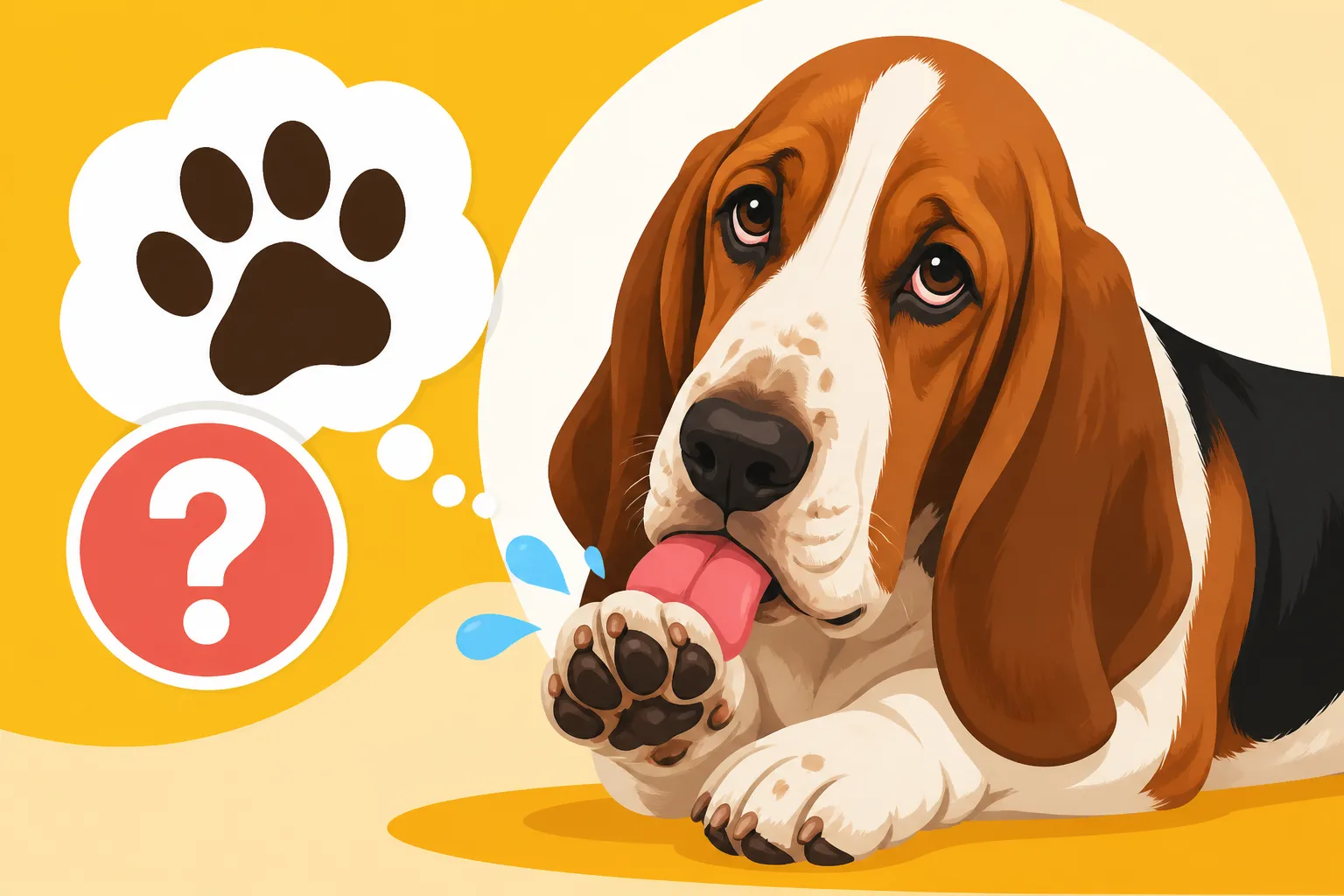
That incessant licking, sometimes a gentle murmur, sometimes an insistent gnawing, can quickly become a background soundtrack to your life as a Basset Hound owner. It's enough to drive you a bit batty, isn't it? You love your floppy-eared companion, but when they constantly have their nose (and tongue) glued to their paw, you start to worry. This guide is here to unravel the mystery behind why your beloved Basset Hound might be licking their paws and, more importantly, what you can do about it.
Understanding Why Your Basset Hound Licks Their Paws
It's natural for dogs to groom themselves, and a little paw licking is usually nothing to fret over. They clean off dirt, soothe a minor itch, or even just explore with their mouths. However, when that licking becomes persistent, obsessive, or leads to visible irritation, it's a clear sign that something more is going on beneath the surface. For Basset Hounds, with their love for exploring the world with their noses and their proximity to the ground, their paws are often the first point of contact with irritants.
Allergies: The Common Culprit
Oh, allergies. They are such a common, frustrating enemy for so many Basset Hounds, and often manifest directly on their paws. Imagine walking barefoot through a field of pollen or stepping on something irritating, and then having no hands to scratch with, only your mouth. That's often what it's like for your Basset. Their paws become itchy, inflamed, and the licking is a desperate attempt to find relief.
Environmental allergies are usually seasonal, triggered by pollen from trees, grasses, or weeds. You might notice your Basset licking more after walks, or during specific times of the year. Dust mites and molds are year-round culprits that can cause continuous irritation. Then there are food allergies, which can cause year-round itching, sometimes without a clear seasonal pattern. These often lead to redness, swelling, and sometimes even a yeasty smell from between their paw pads and toes. It's a miserable cycle, and many owners find themselves pulling their hair out trying to pinpoint the exact trigger. If you're dealing with persistent itching, you might want to look into Whether a Basset Hound Gets Allergies for a deeper dive.
Pain or Injury: A Hidden Ailment
Sometimes, the simplest explanation is the right one: pain. Your Basset Hound might be licking a paw because it hurts. Their paws take a beating – they're constantly exposed to rough terrain, hot pavement, icy surfaces, and all sorts of hidden dangers. A tiny thorn, a sharp stone, a cracked nail, or even a deep cut could be causing significant discomfort.
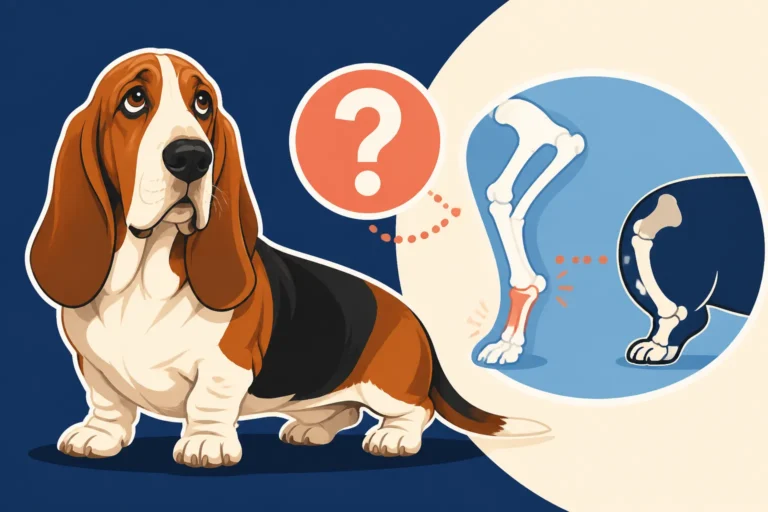
Think about a time you stubbed your toe or got a splinter; your first instinct is to rub it or tend to it. Your Basset does the same, but with their tongue. Sometimes the injury isn't obvious to the naked eye, like a muscle strain or a sprain in a joint. Basset Hounds are prone to certain orthopedic issues, and while paw licking isn't always a direct symptom, localized pain could be a factor. For instance, an older Basset might be experiencing referred pain from Arthritis in a Basset Hound at Seven, making them uncomfortable and leading to excessive licking. Be sure to gently examine their paws, including between the pads and toes, for any visible signs of trauma.
Infections: Yeast, Bacteria, and Interdigital Cysts
That distinct, Frito-like smell coming from your Basset's paws is often a tell-tale sign of a yeast infection. These opportunistic fungi thrive in warm, moist environments, and a Basset's floppy ears and often damp, folded skin make them prime candidates for such issues. Their paws, especially between the toes where air circulation is limited and moisture can get trapped, are no exception. The licking creates more moisture, perpetuating the cycle and making the infection worse.
Bacterial infections can also take hold, often as a secondary issue to constant licking and irritation. These can be intensely itchy and painful, leading to redness, swelling, pus, and sometimes even a foul odor. In some cases, Basset Hounds can develop Whether a Basset Hound Gets Interdigital Cysts, which are painful bumps between their toes that can rupture and drain, causing immense discomfort and persistent licking. If you notice any of these symptoms, especially that distinct smell or visible pus, it's definitely time to consider veterinary intervention, as these infections rarely clear up on their own. For more on yeast, check out Whether a Basset Hound Gets Yeast Between Its Folds.
Behavioral Reasons: More Than Just an Itch
Sometimes, the licking isn't purely a physical response to an irritant or pain; it can be deeply rooted in their emotional state. Basset Hounds, despite their generally laid-back demeanor, can experience stress, anxiety, or boredom just like any other dog. When a Basset is left alone for long periods without sufficient mental or physical stimulation, that boredom can manifest as compulsive licking. It's a self-soothing mechanism, similar to how some people bite their nails or twirl their hair.
Separation anxiety is another common behavioral trigger. If your Basset only licks their paws excessively when you're away, or right before you leave, it might be a coping mechanism for their distress. Chewing or licking can release endorphins, providing a temporary sense of calm. Over time, what starts as a mild habit can become an ingrained, destructive behavior. For more on this, you might explore Whether a Basset Hound Gets Separation Anxiety or Whether a Basset Hound Destroys Anything When Bored.
When Paw Licking Becomes a Problem You Can't Ignore
It's one thing for your Basset to give their paw a quick lick after a muddy walk, but it's another entirely when it becomes a constant, almost frantic activity. Knowing when to escalate your concern from "normal dog behavior" to "this needs attention" is crucial for your Basset's health and your sanity.
Key Signs to Watch For
The transition from casual grooming to problematic licking isn't always a sudden switch. It often creeps up on you. One day it's an occasional lick, the next it's a persistent habit. Here are some key indicators that your Basset's paw licking has crossed the line and warrants closer inspection:
- Redness and Inflammation: The skin between their toes or on their pads looks pink, cherry-red, or even purplish. It might also appear swollen.
- Hair Loss or Staining: Constant licking can cause the fur around the affected area to thin out or fall away. Saliva can also stain light-colored fur a reddish-brown hue.
- Foul Odor: A distinctive "yeasty" or otherwise unpleasant smell emanating from the paws. This is a big red flag for infection.
- Cracked or Bleeding Pads: The paw pads may become dry, cracked, or even start to bleed from the constant moisture and trauma of licking.
- Limping or Favoring a Paw: If your Basset is holding up a paw, limping, or showing reluctance to put weight on it, pain is likely involved.
- Visible Sores or Bumps: Open wounds, scabs, pustules, or interdigital cysts are clear signs of an underlying issue.
- Changes in Behavior: Beyond the licking, is your Basset more irritable, restless, or showing other signs of discomfort? Are they trying to bite you when you touch their paws?
- Night Licking: If the licking is so intense that it's keeping them (or you) awake at night, it's definitely a problem.
The Self-Perpetuating Cycle of Licking
One of the most insidious aspects of excessive paw licking is how quickly it can become a self-perpetuating cycle. What might start as a minor itch from an allergen can, through repeated licking, break down the skin barrier. This compromised skin then becomes an open invitation for bacteria and yeast to move in and set up shop. The resulting infection causes even more intense itching and pain, which, you guessed it, prompts more licking.
This cycle is incredibly difficult for your Basset to break on their own. The constant moisture from saliva further macerates the skin, making it weaker and more susceptible to deeper infections. Sometimes, owners will see their Basset licking for what seems like no reason, but the underlying issue has simply become chronic, a persistent discomfort that they are compelled to address with their tongue. Breaking this cycle often requires a multi-pronged approach, targeting the initial cause, managing secondary infections, and sometimes even addressing behavioral components.
What You Can Do at Home to Help
While a vet visit is often necessary for persistent paw licking, there are several things you can do at home to alleviate immediate discomfort and help manage the problem. Think of these as supportive measures that can work hand-in-hand with professional care.
Establishing a Routine Paw Care Regime
Good paw hygiene is paramount for Basset Hounds. Their low-slung bodies and massive paws are magnets for dirt, allergens, and moisture. Developing a consistent cleaning and inspection routine can make a world of difference.
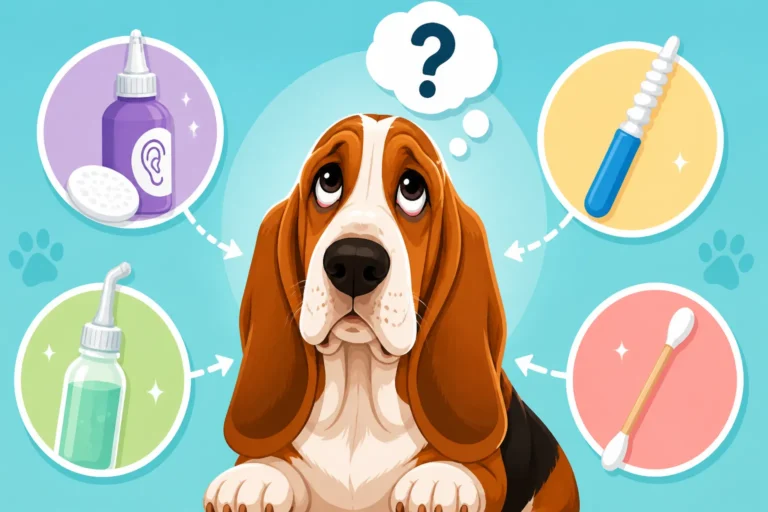
- Post-Walk Wipes: After every walk, especially if you've been in grassy or dusty areas, wipe your Basset's paws thoroughly. Use a damp cloth or pet-specific paw wipes. Look for wipes that contain soothing ingredients like aloe vera or witch hazel, and avoid harsh chemicals or perfumes. This removes potential allergens and irritants before they have a chance to settle and cause a reaction.
- Regular Inspections: Make it a daily habit to gently inspect each paw. Spread their toes apart, look between the pads, and check the nail beds. You're looking for foreign objects (like tiny burrs or pebbles), cuts, redness, swelling, or any unusual odors. This kind of regular, gentle handling also helps your Basset become more comfortable with paw examinations, which is helpful if a vet needs to get a closer look.
- Keeping Nails Trimmed: Long nails can change how your Basset walks, putting pressure on their toes and pads, potentially leading to discomfort. They can also snag and tear, causing acute pain. Regular nail trims are a must. If you're unsure how to do this safely, ask your vet or a professional groomer for a demonstration. Remember, Looking After a Basset Hound's Feet and Nails is vital for their overall comfort.
Environmental Management and Enrichment
Since allergies and boredom are significant contributors, managing their environment and providing mental stimulation can go a long way.
- Allergen Reduction: If you suspect environmental allergies, try to minimize exposure. Wipe down your Basset after outdoor excursions. Consider HEPA air filters in your home to reduce indoor allergens like dust mites and pollen. Wash their bedding frequently in hot water. If certain surfaces (like a specific type of carpet or cleaning product) seem to trigger itching, try to limit their exposure.
- Boredom Busters: A bored Basset is an unhappy Basset, and an unhappy Basset is often a licking Basset. Increase their mental and physical exercise. Even short, frequent walks can help, but remember Bassets aren't built for marathons. Engage them with puzzle toys like Kongs filled with frozen peanut butter or cream cheese, snuffle mats for their kibble, or hide-and-seek games. Scent work, where they use their incredible noses to find hidden treats or toys, can be particularly satisfying for a Basset Hound. A long-line walk in a safe, open area can also give them the freedom to explore scents without being off-leash.
- Protective Gear: In extreme weather or on challenging terrain, consider dog boots. These can protect their paw pads from hot pavement, icy surfaces, road salt, or rough trails, preventing cracks and injuries that lead to licking.
Dietary Considerations
What goes into your Basset's body can significantly impact their skin health. If you suspect food allergies or sensitivities, diet changes might be necessary.
- Hypoallergenic or Novel Protein Diets: These specialized diets use protein sources your dog hasn't been exposed to before (like venison, duck, or kangaroo) or extensively hydrolyzed proteins that are broken down so small their immune system doesn't recognize them as allergens. This can be a game-changer for Bassets with food allergies. It’s important to commit to a strict elimination diet under veterinary guidance, meaning no other treats, chews, or table scraps for several weeks, to accurately identify if food is the culprit.
- Omega-3 Fatty Acids: Supplements like fish oil are fantastic for skin and coat health, helping to reduce inflammation and support the skin barrier. While not a cure-all, they can provide systemic support and contribute to overall skin resilience, making it less reactive to irritants. Always consult your vet for appropriate dosages.
When to Consult Your Veterinarian
There's a point where home care simply isn't enough, and trying to self-diagnose and treat can actually prolong your Basset's suffering. When in doubt, a trip to the vet is always the safest and most responsible course of action.
The Veterinary Diagnostic Process
When you bring your paw-licking Basset to the vet, they won't just guess at the problem. They'll employ a systematic approach to get to the root cause.
- Thorough Physical Exam: Your vet will start with a comprehensive physical examination, paying special attention to your Basset's paws. They'll look for swelling, redness, lesions, foreign bodies, and any signs of pain or discomfort. They'll also check other areas prone to allergies and infections, such as their ears (which, let's be honest, can be an adventure with a Basset!), and skin folds.
- Diagnostic Tests: Depending on what they find, your vet may recommend several tests:
- Cytology: This involves taking a swab or impression of the affected skin and examining it under a microscope to identify yeast, bacteria, or inflammatory cells. This is a quick and often very informative test.
- Skin Scrapings: To check for mites, which can cause intense itching, even on paws.
- Fungal Cultures: If a more stubborn fungal infection is suspected.
- Blood Tests: To check for underlying systemic issues that might predispose your Basset to skin problems, such as Signs a Basset Hound's Thyroid Has Failed.
- X-rays: If a bone or joint injury is suspected, especially if your Basset is limping or avoiding weight bearing.
- Allergy Testing: If allergies are strongly suspected, your vet might discuss options for allergy testing, either through blood tests or intradermal skin tests, to identify specific environmental allergens.
Professional Treatment Options
Once the underlying cause is identified, your vet will recommend a tailored treatment plan. This could involve a combination of approaches:
- Medicated Shampoos and Wipes: For topical infections, your vet might prescribe medicated shampoos, foams, or wipes containing antifungal or antibacterial agents. These help clean the skin, reduce pathogen load, and soothe irritation.
- Oral Medications: For more severe or widespread infections, oral antibiotics or antifungals may be necessary. For allergic reactions, antihistamines, corticosteroids, or newer immunomodulatory drugs can provide significant relief from itching and inflammation.
- Pain Management: If pain is the primary driver, your vet will prescribe appropriate pain relievers or anti-inflammatory medications.
- Dietary Trials: As mentioned, strict elimination diets are often crucial for diagnosing and managing food allergies. Your vet will guide you through this process.
- Behavioral Modification: If anxiety or boredom is a significant factor, your vet might suggest behavioral therapy, environmental enrichment strategies, or in some cases, anti-anxiety medications to help break the compulsive licking habit.
- Surgery: In rare cases, such as a severe foreign body embedded deep in the paw or persistent, painful interdigital cysts that don't respond to other treatments, surgical removal might be considered.
Remember, addressing these issues can sometimes be costly, especially for chronic conditions like allergies or recurring infections. This is where pet insurance can be a real lifeline. Companies like Healthy Paws can help alleviate the financial burden of diagnostic tests, medications, and ongoing treatments, allowing you to focus on getting your Basset the best possible care without constant worry about your budget. It's a proactive step that many Basset owners consider, especially given some of the breed's common health challenges. While Whether a Basset Hound's Ear Infection Ever Clears is a common concern for Basset owners, the same kind of persistent issues can plague their paws, making robust pet insurance like Healthy Paws incredibly valuable.
Common Causes of Paw Licking and Their Primary Symptoms
Here's a quick overview to help you recognize potential issues:
| Cause | Primary Symptoms | Other Indicators |
|---|---|---|
| Allergies | Red, inflamed skin between toes/pads; itching. | Hair loss, brown saliva staining, yeasty odor, other itchy areas (ears, belly). Often seasonal or related to diet. |
| Pain/Injury | Limping, holding paw up, sudden onset of licking, visible wound (cut, thorn), swollen paw. | Reluctance to walk, yelping when paw is touched, changes in gait. |
| Infections (Yeast/Bacteria) | Redness, swelling, foul "Frito" smell (yeast), pus (bacteria), greasy or flaky skin. | Exacerbated by moisture, can occur secondary to allergies or injury. |
| Boredom/Anxiety | Licking when left alone, during quiet times, or when stressed; no obvious physical paw issues initially. | Destructive behaviors, restlessness, whining, changes in appetite. Can lead to physical irritation over time. |
| Parasites | Intense itching, visible mites (sometimes), redness. | Can affect other parts of the body, often widespread itching. Less common exclusively on paws. |
Don't let your Basset Hound suffer in silence with persistently itchy or painful paws. It's a solvable problem, and with a little detective work and your vet's expertise, you can help your furry friend get back to enjoying their walks and naps without the constant need to lick. Investing in their health early, and considering a plan like Healthy Paws, ensures you're prepared for whatever comes their way.
Disclaimer
This article is intended for informational purposes only and does not constitute medical advice. Always consult with a qualified veterinarian for any health concerns or before making any decisions about your Basset Hound's health or treatment plan.