Looking After a Basset Hound’s Feet and Nails
Oh, the Basset Hound foot! It's one of those things that looks deceptively simple, isn't it? Many new Basset owners, and even some seasoned ones, often underestimate the unique challenges that come with caring for those wonderfully heavy, yet delicate, paws and the nails that sprout from them. It's not just about a quick trim; it's about understanding their entire foundation to prevent pain, mobility issues, and costly vet visits down the line. This comprehensive guide is here to walk you through everything you need to know to keep your Basset's feet happy and healthy.
Understanding the Unique Basset Hound Foot
Let's face it, a Basset Hound isn't built like your average Labrador or even a nimble Beagle. Their distinctive structure, from those famously short legs to their heavy bone, all play a significant role in how their feet are designed and what care they require. Ignoring these fundamental differences is a surefire way to run into trouble.
The Anatomy of a Basset Hound's Paw
Take a good look at your Basset's paw. What you'll notice is a sturdy, compact foot, often described as having "heavy bone." This isn't just a quaint descriptor; it means their bones are denser and more substantial than many other breeds of similar size. They have large, well-arched pads, which are meant to provide cushioning and traction as they tirelessly follow a scent trail. Think of those thick pads as their natural shock absorbers. However, beneath those sturdy pads, Bassets have fairly delicate skin, especially between the toes, which can be prone to irritation. Their nails are often quite thick and strong, designed for digging and gripping varied terrain, which also means they can become formidable weapons if not kept in check. And let's not forget those dewclaws, often present on the front legs, which some Bassets even have on their hind legs—these are particularly important to monitor as they don't typically wear down naturally.
How Their Build Affects Foot Health
The Basset Hound's low-slung, heavily boned frame puts unique stresses on their feet and lower limbs. Their entire body weight is carried on those short, sturdy legs, which means their paws bear a significant load. This can predispose them to certain issues if not managed correctly. For instance, the way they walk, with their characteristic rolling gait, can sometimes cause their paws to splay slightly. The skin between their toes, being somewhat protected by dense fur and the overarching foot structure, can also become a breeding ground for moisture if not dried properly, leading to fungal or bacterial issues. Furthermore, their inherent drive to sniff and follow a scent means they are constantly exploring various terrains, from rough pavement to muddy fields, which can take a toll on their paw pads. Neglecting their feet is akin to neglecting the very foundation of their mobility, leading to discomfort and potentially more serious conditions over time. It's truly a case where preventative care makes all the difference for The Old Basset Hound That Cannot Get Off the Floor.
The Importance of Regular Nail Care
Many Basset owners, myself included, have learned the hard way that a Basset's nails aren't just an aesthetic concern. They are vital to their comfort, gait, and overall skeletal health. Letting them go too long is akin to wearing shoes that are several sizes too small for us humans.
The Dangers of Overgrown Nails
When a Basset Hound's nails become too long, they start to touch the ground when the dog is standing or walking. This isn't just a minor annoyance; it forces their toes to splay and pushes their paw pads up, changing the natural angle of their foot. Imagine if you had to walk on your tiptoes all the time. This unnatural pressure can lead to chronic pain in the toes, feet, and even further up the leg into the joints. It can contribute to conditions like Arthritis in a Basset Hound at Seven because their gait is altered, placing undue stress on their elbows and hips. Overgrown nails are also more prone to catching on carpets, furniture, or rough terrain, leading to painful tears or even avulsions (where the nail is ripped off completely). These injuries are incredibly painful, bleed profusely, and often require veterinary intervention. Moreover, dewclaws, which often don't touch the ground at all, can curl inwards and grow into the paw pad, causing deep, festering wounds that are easily missed until your Basset starts limping. It’s a silent, creeping problem that many owners don't fully grasp until their beloved Basset is clearly uncomfortable.
Preventing Long-Term Foot Issues
The good news is that preventing these issues is completely within your control. Regular, consistent nail care is the cornerstone of long-term foot health for your Basset. By keeping their nails at an appropriate length, you ensure their paws can bear weight correctly, promoting a natural gait and reducing stress on their joints. This means their toes stay properly aligned, their pads make full contact with the ground, and they can move without discomfort. It also drastically reduces the risk of accidental tears and ingrown dewclaws. Think of it as investing in their future mobility and comfort. Properly maintained nails contribute to a happier, more active Basset who can enjoy their walks and sniffs without pain. It’s a commitment, yes, but one that pays dividends in your Basset’s quality of life. Understanding Whether Long Nails Change a Basset Hound's Feet is key to appreciating this preventative effort.
Essential Tools for Basset Hound Nail Trimming
You can't go into battle without your trusty arsenal, and nail trimming for a Basset Hound is certainly a battle for some of us! Having the right tools on hand can make all the difference between a quick, relatively stress-free session and a wrestling match that leaves both you and your hound frazzled.
Types of Nail Clippers and Grinders
When it comes to the main event, you essentially have two camps: clippers or grinders. Each has its pros and cons, and what works best often comes down to personal preference for both you and your Basset.
- Scissor-style Clippers: These are often the easiest for beginners and provide a quick, clean cut. Brands like Safari or Millers Forge offer sturdy, sharp options. They come with a safety guard that can help prevent cutting too much, but many experienced owners remove it as it can obstruct the view of the quick. The key with clippers is sharpness; dull clippers can crush the nail, causing pain and splintering.
- Guillotine-style Clippers: These have a small hole where you insert the nail, and a blade slides across to make the cut. They can be very effective for quick, efficient trims, especially on thicker nails. However, some find them harder to maneuver, and getting the nail positioned correctly can be tricky, particularly if your Basset is squirmy.
- Nail Grinders: These are rotary tools that slowly file the nail down, essentially sanding it. Brands like Dremel offer dedicated pet nail grinders, or you can use a regular Dremel tool with a sanding drum. The main advantage of grinders is that they reduce the risk of cutting the quick (the sensitive part of the nail with blood vessels and nerves). You can take off tiny bits at a time, making it a more controlled process. They also smooth the nail, preventing sharp edges. The downside for many Basset owners is the noise and vibration, which can be alarming to sensitive dogs. It takes patience and desensitization to get your Basset comfortable with a grinder. However, for Bassets with dark nails where the quick is almost impossible to see, a grinder can be a lifesaver. You can often find a good selection of these on sites like Amazon or Chewy.
Ultimately, you might find that a combination works best – using clippers for the bulk of the length, then a grinder for finishing touches and shaping, especially if you have a Basset with very thick nails.
Must-Have Accessories for Stress-Free Trims
Beyond the primary trimming tool, a few accessories can turn a daunting task into a manageable routine:
- Styptic Powder (or cornstarch/flour): This is non-negotiable. No matter how careful you are, accidents happen, and you might nick the quick. Styptic powder immediately stops the bleeding. Keep it within arm's reach every single time you trim. If you don't have styptic powder, cornstarch or flour can serve as a temporary alternative, though they are not as effective. Knowing you have this safety net can significantly reduce your anxiety.
- High-Value Treats: Bassets are famously food-motivated, and treats are your best friend here. We're talking about their absolute favorite, high-octane snacks – bits of cheese, cooked chicken, or even specialized soft training treats. These are crucial for positive reinforcement, distracting them, and making the experience as pleasant as possible. Consistency with treats and praise can make a world of difference in building a positive association with nail trims.
- Good Lighting: Seriously, don't underestimate this. A bright headlamp or a well-lit room will help you see the quick more clearly, especially if your Basset has dark nails. Trying to trim nails in dim light is asking for trouble.
- A Comfortable, Non-Slip Surface: A bath mat, a carpeted area, or even a soft dog bed can provide a stable, comfortable surface for your Basset to lie or stand on. This helps them feel more secure and less likely to squirm.
- An Extra Set of Hands: If possible, having a partner or friend help can be invaluable. One person can hold, comfort, and dispense treats, while the other focuses on the trimming. This can significantly speed up the process and reduce stress for everyone involved.
Gathering these tools beforehand will set you up for success and make the entire experience smoother for both you and your Basset.
| Tool Type | Pros | Cons | Best For |
|---|---|---|---|
| Scissor-style Clippers | Quick, clean cut; generally easy to use; affordable | Higher risk of cutting quick; can be intimidating to some dogs | Fast trims; experienced owners; Bassets with lighter nails |
| Guillotine Clippers | Efficient for thick nails; precise cut | Can be hard to position; less common; not ideal for very large nails | Quick trims on cooperative Bassets; good for medium-thick nails |
| Nail Grinder (Dremel) | Low risk of cutting quick; smooth finish; good for dark nails | Noise/vibration can scare dogs; takes longer; more expensive | Dark-nailed Bassets; owners who fear the quick; desensitized dogs |
| Styptic Powder | Instantly stops bleeding from quick | Can sting slightly; not a substitute for careful trimming | Essential safety net for all trimming methods |
| High-Value Treats | Positive reinforcement; distraction; builds good association | Can lead to weight gain if overused; not always effective for severe fear | Encouraging cooperation; making trims a positive experience |
A Step-by-Step Guide to Trimming Your Basset's Nails
Alright, it’s showtime! Trimming a Basset’s nails doesn’t have to be a dreaded chore. With preparation, patience, and a positive attitude, you can make it a routine that’s manageable for both of you. Remember, slow and steady wins the race, especially with a Basset.
Preparing for a Successful Nail Trim Session
Preparation is absolutely key, and it starts long before you even pick up the clippers. First, choose a time when your Basset is relaxed and perhaps a little tired. After a nice walk or a hearty meal can be ideal. Avoid times when they're overly energetic or anxious. Gather all your tools beforehand: your chosen clippers or grinder, styptic powder, and those irresistible high-value treats. Make sure you have good lighting – a headlamp can really illuminate those dark nails and help you spot the quick.
Next, get your Basset comfortable. This might mean having them lie down on their side, sitting in your lap, or even just standing calmly on a non-slip surface. Many Bassets are prone to "the Basset slump" once they realize what's happening, so find a position that minimizes wrestling. For puppies, or Bassets new to nail trims, focus on desensitization. Start by just touching their paws and toes, praising and treating them. Gradually introduce the clippers or grinder, letting them sniff it, turning it on briefly (if a grinder), and associating the sound and feel with positive experiences. Don't rush into trimming. Spend a few days or even weeks just handling their feet and rewarding them for tolerance. Think about how you would gently introduce the concept of Teaching a Basset Hound to Tolerate Ear Cleaning; paw handling is very similar.
The Trimming Technique: Angle, Quick, and Rewards
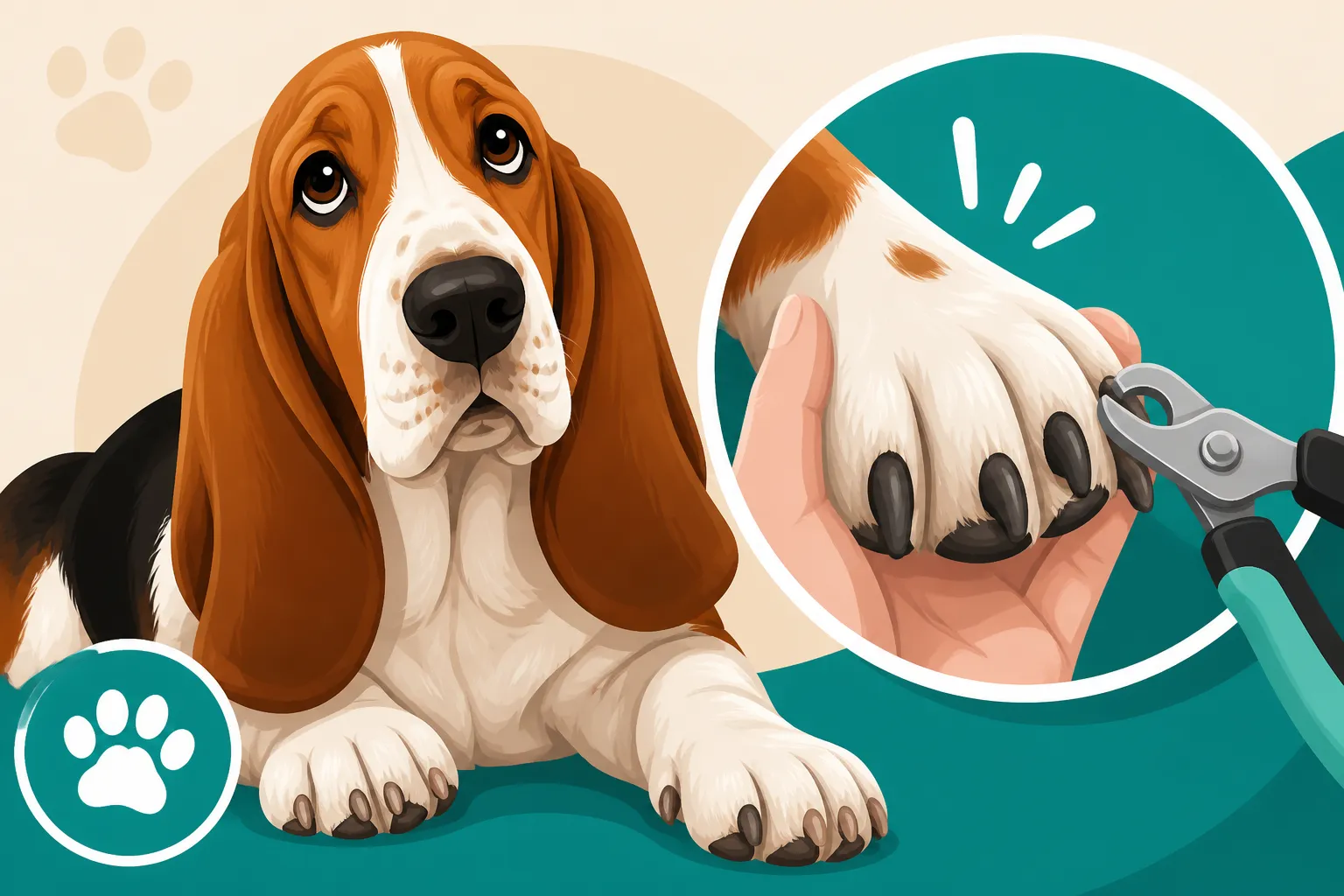
Now for the actual trimming. If using clippers, hold your Basset’s paw firmly but gently. Isolate one toe at a time. Identify the quick – on lighter nails, it's often a pinkish area; on dark nails, it's much harder to see, appearing as a small dark dot in the center of the cut nail, surrounded by a white ring. The general rule is to cut only the tip, where the nail starts to curve, before it reaches the quick. The correct angle is straight across, or with a slight upward angle, following the natural curve of the paw, so the nail doesn't interfere with their stance. Aim for short, shallow cuts. It’s better to trim a little bit frequently than to try and take off too much at once.
With a grinder, touch the spinning head to the tip of the nail for just a second or two, then pull away. This prevents the nail from getting too hot and allows you to gauge how much you're taking off. You're aiming to shorten the nail until it's flush with the paw pad and doesn't click on the floor when your Basset walks. Again, aim for small, consistent passes.
After each nail (or even after just a few successful cuts, especially in the beginning), lavish your Basset with praise and immediately offer a high-value treat. The goal is to create a positive association, teaching them that nail trims equal delicious rewards. Don't feel pressured to do all nails at once. If your Basset gets too stressed, do just one paw, or even one nail, and come back later. Consistency in short, positive sessions is far more effective than an infrequent, stressful ordeal. Remember, How Often a Basset Hound's Nails Need Cutting really depends on their activity levels, but generally, every 2-4 weeks is a good target.
What to Do if You Cut the Quick
It happens. Even the most careful and experienced owners will occasionally nick the quick. Don't panic! Your Basset will likely yelp, pull their paw away, and there will be blood. It can look alarming, but it's usually not serious, just painful and messy.
The moment you see blood, grab your styptic powder. If you don't have it, cornstarch or flour will work in a pinch, but not as effectively. Take a generous pinch of the powder and firmly press it onto the bleeding tip of the nail. Apply steady pressure for about 10-20 seconds. This usually stops the bleeding. If it continues, reapply the powder and pressure. Avoid wiping the blood away too frequently, as this removes the forming clot.
Once the bleeding stops, offer comfort and reassurance to your Basset. They might be a bit shaken, and that's perfectly understandable. Don't immediately try to trim more nails. Give them a break, offer some extra cuddles and treats, and try again another day. The last thing you want is for them to associate nail trims with pain and trauma. If the bleeding is excessive, won't stop, or the nail looks severely damaged, it's time for a quick call to your vet. They can provide professional care and advice. Learning to handle these occasional mishaps calmly is crucial for maintaining your Basset's trust and making future nail trims less stressful.
Beyond Trimming: Comprehensive Foot Care for Basset Hounds
Nail trimming is just one piece of the Basset Hound foot care puzzle. Their unique conformation and low-slung bodies mean their paws are constantly interacting with the ground, making them susceptible to a host of other issues. A holistic approach to foot care ensures their comfort and well-being.
Cleaning and Inspecting Paws Regularly
Because Basset Hounds are built so close to the ground, their paws are like little magnets for dirt, debris, and moisture. After every walk, especially if you've been in muddy, wet, or sandy areas, it's essential to clean and inspect their paws. This isn't just about tidiness; it’s about preventing problems before they escalate.
Take a few minutes to gently wipe down each paw, including between the toes and around the paw pads. You can use a damp cloth, a mild pet-safe wipe, or even a shallow bowl of lukewarm water for a quick rinse. Pay close attention to the fur between their pads, as this can trap burrs, small stones, thorns, or even sticky seeds. These foreign objects can cause immense discomfort, lead to limping, or even penetrate the skin and cause infection. During this cleaning, take the opportunity to visually inspect each paw. Look for any signs of redness, swelling, cuts, punctures, or crusty discharge. Gently spread their toes apart to check for hidden irritations. Don't forget their dewclaws; ensure they aren't curling in or snagging on anything. This regular inspection helps you catch minor issues early, often before they become painful or require a vet visit. It's a simple habit that can save a lot of heartache.
Addressing Paw Pad Issues: Cracks, Dryness, and Irritation
Basset Hound paw pads are tough, but they aren't invincible. They can suffer from dryness, cracking, and irritation, especially with exposure to harsh surfaces, extreme weather, or certain chemicals.
- Dryness and Cracking: Just like our skin, paw pads can dry out, particularly in arid climates or during cold, dry winters. Dry pads are more prone to cracking, which can be quite painful for your Basset. If you notice dryness or small cracks, consider applying a paw balm. Products from brands like Musher's Secret or natural balms found on Chewy or Amazon can help moisturize and protect their pads. Look for ingredients like shea butter, beeswax, or coconut oil. Apply a small amount and gently massage it into the pads, especially before bedtime, to allow it to soak in.
- Irritation and Redness: Environmental factors are often the culprits here. Walking on hot pavement can cause burns, while contact with road salt, de-icers, or lawn chemicals can irritate the pads and skin between the toes. Always rinse or wipe your Basset’s paws after walks on treated surfaces. Allergies can also manifest as itchy, red, or swollen paws, leading to excessive licking or chewing. If you suspect allergies, or if the irritation persists, consult your vet. They might suggest a topical cream, a paw soak, or even a dietary change. It's important to differentiate between superficial irritation and more serious issues like Whether a Basset Hound's Pads Crack.
Dealing with Interdigital Cysts and Infections
One particular concern for Basset Hounds, due to their unique foot structure and short fur between the pads, is the propensity for interdigital cysts and infections. These are essentially inflamed lumps that form between the toes, often caused by foreign bodies (like tiny hairs or plant material) burrowing into the skin, or by chronic irritation and secondary bacterial/fungal infections.
- Interdigital Cysts: These can be incredibly painful and often look like red, swollen, sometimes oozing bumps between the toes. Your Basset will likely limp, lick their paw excessively, and may resist you touching the area. Often, these require veterinary attention to diagnose and treat, which might involve antibiotics, anti-inflammatories, or even surgical removal in stubborn cases. Early detection during your regular paw inspections is vital to manage them before they become severe. Understanding Whether a Basset Hound Gets Interdigital Cysts Between Toes is a crucial part of Basset ownership.
- Fungal/Bacterial Infections: The warm, moist environment between a Basset’s toes can be a perfect breeding ground for yeast or bacteria. These infections often present as redness, itchiness, a distinct odor (often yeasty or cheesy), and sometimes a brownish discharge. Again, excessive licking and chewing are common signs. Your vet will likely prescribe topical antifungals or antibiotics, and sometimes oral medications, depending on the severity. Keeping the fur trimmed short between the pads can help increase air circulation and reduce moisture, but always be careful not to nick the skin.
For all paw pad and interdigital issues, if you see persistent lameness, swelling, discharge, or if your Basset is clearly in pain, do not hesitate to contact your veterinarian. Self-treating can often mask a more serious underlying problem.
Protecting Your Basset Hound's Paws
Our Bassets might be hardy hounds, but their paws are still vulnerable to the elements and everyday hazards. Proactive protection can go a long way in preventing injuries and discomfort, ensuring they can continue to enjoy their adventures.
Safeguarding Against Extreme Temperatures and Surfaces
Think about the environment your Basset's paws encounter daily. The ground can get surprisingly hot or cold, and surfaces can be rough or irritating.
- Hot Pavement and Sand: In warmer months, asphalt, concrete, and even sand can reach scorching temperatures, easily burning delicate paw pads. A good rule of thumb is: if it's too hot for your bare hand, it's too hot for your Basset's paws. Walk your Basset during cooler times of the day – early mornings or late evenings. Stick to grassy areas when possible. These burns can be very painful, leading to blistering and infection, and require veterinary care.
- Cold Surfaces, Snow, and Ice: Winter brings its own set of challenges. Freezing temperatures, ice, and snow can cause frostbite or cracking in paw pads. More insidious are the de-icing salts and chemicals used on sidewalks and roads. These can be corrosive and extremely irritating, not only to the pads but also if ingested when your Basset licks their paws after a walk. Always rinse your Basset's paws thoroughly after winter walks to remove any residue.
- Rough Terrain: While Bassets are hounds, consistent walks on very rough gravel, rocky paths, or abrasive surfaces can wear down their pads, making them sore and susceptible to injury. Keep an eye on the surfaces you're choosing for your daily strolls.
Being mindful of the ground conditions and adjusting your walking schedule or route accordingly is a simple yet effective way to protect those precious paws.
Choosing Appropriate Paw Protection (Boots, Balms)
Sometimes, simply avoiding harsh conditions isn't enough, or it's simply not feasible. That's where paw protection comes into play.
- Paw Balms: As mentioned earlier, balms are excellent for moisturizing dry pads and can provide a protective barrier against some irritants, like mild road salt or rougher ground. Apply them before walks in challenging conditions, and again at night. Products like Musher's Secret or other natural wax-based balms are designed for this purpose. They create a thin, breathable layer that helps shield the pads without interfering with their natural function. You can easily pick these up from Chewy or Amazon.
- Dog Boots/Paw Protectors: For more extreme conditions, dog boots can be a lifesaver. If you live in an area with heavy snow, ice, or scorching pavement, boots offer comprehensive protection against temperature extremes, sharp objects, and irritating chemicals. The challenge, of course, is getting your Basset to tolerate them! It requires gradual introduction and positive reinforcement. Start by having them wear one boot for a few minutes indoors, offering lots of treats and praise. Gradually increase the time and number of boots. Look for boots that are durable, waterproof, and have a good grip. Ensure they fit well – not too tight to cut off circulation, but snug enough not to fall off. While they might look a bit silly at first, the protection they offer can be invaluable for your Basset's foot health.
Remember, the goal is not to coddle your Basset, but to protect their natural tools for exploring the world. Thoughtful use of balms and, when necessary, boots can significantly contribute to their long-term paw health.
When to Seek Professional Help
While home care goes a long way, there are definitely times when your Basset Hound's paw issues warrant professional attention. Knowing when to call the vet can prevent minor problems from escalating into serious health concerns.
Signs Your Basset Needs Professional Foot Care
Your Basset Hound communicates discomfort in various ways, and their feet are no exception. Pay close attention to these signs that indicate it's time for a professional veterinary evaluation:
- Persistent Limping or Lameness: If your Basset is consistently limping, favoring a paw, or refusing to put weight on a leg, this is a clear red flag. It could indicate a sprain, fracture, deep cut, foreign object embedded in the paw, or severe pain from overgrown nails or an infection. Don't assume they'll just "walk it off."
- Excessive Licking, Chewing, or Biting at Paws: While some occasional paw licking is normal, obsessive licking, chewing, or biting often points to an underlying issue. This could be pain, itchiness from allergies, an infection (bacterial, fungal, or parasitic), or even anxiety. If it's more than a quick clean, investigate.
- Swelling, Redness, or Discharge: Any noticeable swelling, intense redness, or the presence of pus, blood, or unusual discharge from between the toes or around the pads indicates inflammation or infection. This is especially true for Whether a Basset Hound Gets Interdigital Cysts Between Toes.
- Changes in Nail Appearance: Beyond just being long, look for brittle, cracked, or discolored nails. If a nail is torn or split deeply, or if there's bleeding that won't stop with styptic powder, it's a vet emergency.
- Reluctance to Walk or Play: A Basset Hound typically loves their walks, even if they sometimes have a mind of their own on scent. If your dog is suddenly reluctant to go for walks, seems stiff, or avoids playing, foot pain could be a major contributing factor. This ties into issues like The Back Trouble a Basset Hound Is Built Into or Why One Basset Hound in Seven Has Bad Elbows, where foot discomfort can exacerbate other skeletal pains.
- Odor from Paws: A strong, unpleasant odor, particularly a yeasty or cheesy smell, usually indicates a fungal or bacterial infection.
If you observe any of these symptoms, a trip to the vet is in order. Early diagnosis and treatment can often resolve issues quickly and prevent more severe complications.
Finding a Basset-Friendly Groomer or Vet Tech
Sometimes, the nail trimming battle is just too much, or you simply prefer a professional touch for routine care. That's perfectly understandable! Finding a groomer or vet tech who is experienced with Basset Hounds can make a world of difference.
- Look for Experience with Hounds/Brachycephalic Breeds: Bassets have unique challenges. Their thick nails and often deep-set quicks require a skilled hand. A groomer familiar with hounds or even brachycephalic breeds often understands the patience and technique required for sensitive feet and faces. Ask around for recommendations from other Basset owners in your area or local breed clubs.
- Prioritize Patience and Positive Reinforcement: A good groomer or vet tech will use gentle handling techniques, positive reinforcement (treats!), and take breaks as needed. Avoid anyone who suggests harsh methods or muzzling without first attempting gentler approaches. Schedule a "meet and greet" or a short introductory session where your Basset can simply get comfortable with the person and environment without any actual trimming taking place.
- Clear Communication is Key: Be upfront about your Basset’s temperament and any past challenges with nail trims. Ask about their specific techniques for Bassets, whether they prefer clippers or grinders, and how they handle accidental quick cuts. Discuss the cost – knowing What a Basset Hound's Nail Trim Costs upfront helps avoid surprises.
- Utilize Vet Techs: Don't forget your veterinary clinic! Vet techs are often highly skilled in nail trims and can be a great option, especially if your Basset is particularly anxious or has underlying health issues. They also have access to medical-grade styptic powder and are trained to handle any emergencies. Many clinics offer "nail trim appointments" that are quick and affordable.
Whether you're doing it yourself or seeking professional help, consistent and knowledgeable foot and nail care is an investment in your Basset Hound's long, happy, and comfortable life. Those adorable, chunky paws are the foundation of their joyful, scent-driven existence, and keeping them in top shape is truly a labor of love.
Disclaimer
This article is for general informational purposes only and does not constitute professional advice. Laws, prices and regulations vary by location and change over time. Consult a qualified professional for guidance on your specific situation.