Whether a Basset Hound Reacts to Its Food
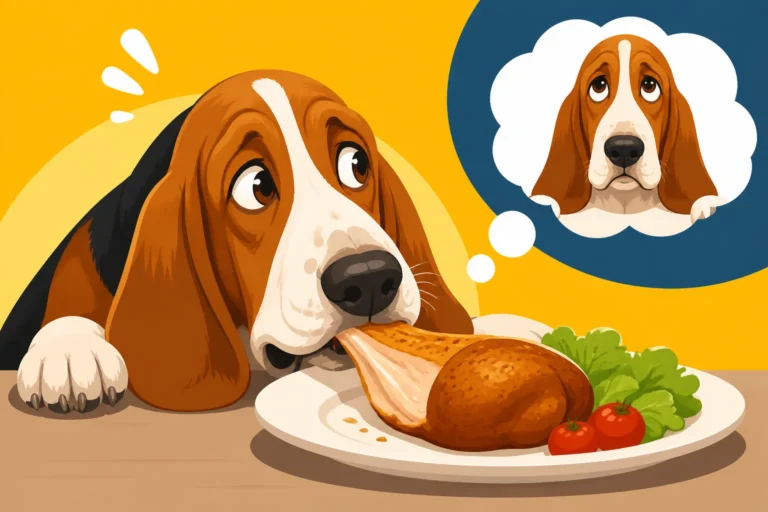
It's incredibly frustrating and heartbreaking when your beloved Basset Hound isn't feeling their best, and you suspect their food might be the culprit. You’ve probably spent countless hours researching, trying different kibbles, and watching closely for signs, all while your furry friend continues to itch, scratch, or have an upset tummy. This guide is here to shed light on how Basset Hounds can react to their food, what those reactions look like, and how you can work towards finding a comfortable, healthy diet for your floppy-eared companion.
Understanding Food Reactions in Basset Hounds
When we talk about a dog reacting to its food, it's not always as simple as a clear-cut allergy. There’s a whole spectrum of sensitivities that can make a Basset Hound uncomfortable, from true immune-mediated allergies to more common food intolerances. Understanding the difference is the first crucial step in helping your pup.
Allergy vs. Intolerance: What's the Difference?
This distinction is key, even though the symptoms can sometimes overlap. A food allergy in dogs, just like in humans, involves an immune system response. The dog's body mistakenly identifies a protein in the food as a harmful invader and launches an attack. This immune reaction can manifest in various ways, often affecting the skin or the digestive system, and can sometimes even lead to respiratory issues, though that's less common. True food allergies are relatively rare, affecting only a small percentage of dogs, but Basset Hounds can certainly be among them. The reaction can be immediate, or it can develop over hours, making it tricky to pinpoint the exact trigger.
On the other hand, a food intolerance is a digestive issue. It doesn't involve the immune system. Instead, your Basset Hound's digestive system simply can't process a particular ingredient properly. This could be due to a lack of a specific enzyme needed to break down a food component, sensitivity to certain additives, or even consuming too much of a particular food. Symptoms of intolerance are almost exclusively gastrointestinal, though discomfort from a bad tummy can sometimes lead to secondary issues. For example, if they're constantly feeling nauseous, they might seem generally unwell. Many dogs that owners believe have a food allergy actually have an intolerance.
Common Culprits in Basset Hound Diets
So, what are these mysterious ingredients that might be causing trouble for your Basset? The vast majority of food allergies in dogs are to protein sources, not grains, as popular myths might suggest. Beef, dairy, chicken, lamb, soy, pork, fish, and wheat are the most common allergens. Notice how most of these are common protein sources found in almost every commercial dog food! It's less about the type of ingredient (like "chicken") and more about the specific protein structure that the immune system decides to attack.
For Basset Hounds, given their predisposition to certain skin and ear issues, it can be even harder to tease out if a food reaction is at play. Their long, floppy ears are already a prime breeding ground for infection, so an allergic reaction manifesting in the ears can easily be mistaken for just another round of The Ear Infections That Never Really Leave a Basset Hound. Similarly, their skin folds create pockets that are prone to irritation, making it difficult to discern if something like Skin Fold Infections on a Basset Hound is a primary issue or secondary to a food allergy causing overall skin inflammation. Beyond true allergies, some Bassets might have a sensitive stomach that struggles with rich foods, certain fats, or even particular types of fiber, leading to an intolerance.
Signs Your Basset Hound Might Be Reacting to Its Food
Identifying a food reaction in your Basset Hound requires careful observation because many of the symptoms can mimic other health problems. It's like a puzzle where all the pieces look similar!
Skin and Coat Indicators
The skin is often the first place we see signs of a food allergy in Basset Hounds. You might notice your dog is excessively itchy, constantly scratching, licking, or chewing at themselves. This isn't just a casual scratch; it's persistent, sometimes frantic itching that can disrupt their sleep and daily life. You might observe:
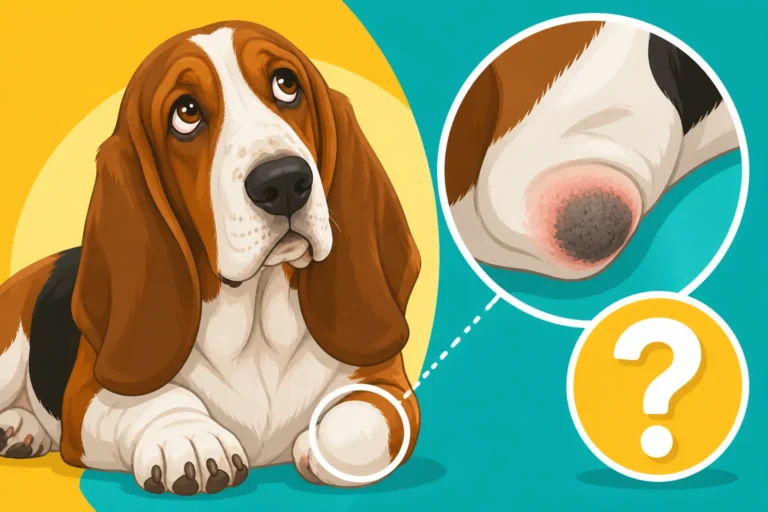
- Redness and inflammation: Their skin might look flushed, particularly in the armpits, groin, belly, or between their toes.
- Rashes or bumps: Small red bumps, scabs, or even raw patches can appear from self-trauma. This intense scratching can quickly lead to what we call "hot spots," which are painful, inflamed skin lesions. If you notice your Basset Hound developing Whether a Basset Hound Gets Hot Spots, especially recurring ones, food could be a factor.
- Excessive paw licking: A Basset Hound endlessly licking its paws, sometimes to the point of discoloration or raw skin, is a classic sign of allergies. It's worth considering Whether a Basset Hound Licks Its Paws might be linked to what's in their bowl.
- Chronic ear infections: Those wonderful long ears, while a breed hallmark, are already prone to issues. If your Basset Hound is getting recurrent ear infections that just don't seem to clear up, despite diligent cleaning and treatment, it could be a manifestation of a food allergy. The inner ear canal lining can become inflamed and itchy, creating the perfect environment for yeast and bacteria to thrive.
- Poor coat quality: A dull, greasy, or dry coat, or excessive shedding beyond normal seasonal changes, can also point to a dietary issue.
It’s easy to dismiss these as just "allergies" or "sensitive skin," especially since Basset Hounds are generally prone to these issues. However, if you're consistently battling these problems, it's time to dig deeper into their diet. These are often the same frustrating symptoms seen when a Basset Hound Whether a Basset Hound Gets Allergies from environmental factors, making it even more challenging to differentiate without a structured approach.
Digestive Distress and Other Unsettling Symptoms
While skin issues are common, food reactions can also hit your Basset Hound's digestive system hard. If your pup has Whether a Basset Hound Has a Sensitive Stomach, certain foods can easily throw them off balance. Look out for:
- Vomiting: Frequent vomiting, especially within a few hours of eating, can indicate a problem.
- Diarrhea: Chronic or recurring loose stools, or even watery diarrhea, is a common sign of intolerance or allergy.
- Excessive gas: More flatulence than usual, especially if it's particularly foul-smelling, can point to digestive upset.
- Abdominal pain or discomfort: Your Basset might seem restless, have a distended belly, or show reluctance to be touched on their abdomen.
- Changes in appetite: They might become unusually picky, or conversely, seem ravenously hungry but still lose weight if nutrients aren't being absorbed.
- Weight loss or poor growth in puppies: If a dog isn't properly absorbing nutrients due to chronic digestive upset, they can struggle to maintain a healthy weight or grow properly.
- Reluctance to eat: Sometimes, a dog will simply refuse to eat certain foods if they've learned it makes them feel unwell.
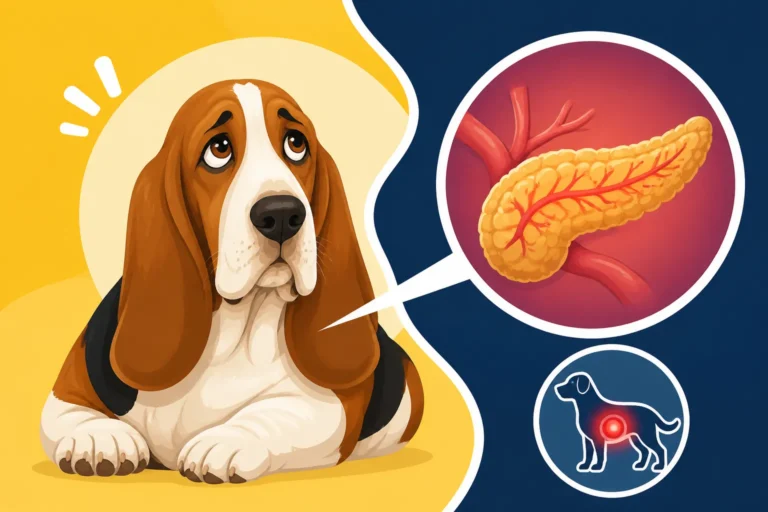
It's important to remember that these digestive symptoms can also be indicative of other health problems, some quite serious, such as Whether a Basset Hound Gets Pancreatitis or inflammatory bowel disease. This is why a veterinary consultation is always essential to rule out other causes before embarking on a dietary change. Additionally, broader systemic issues like Signs a Basset Hound's Thyroid Has Failed or Whether a Basset Hound Gets Hypothyroidism can sometimes present with overlapping symptoms like skin issues or changes in coat, so a thorough vet check is crucial to get an accurate diagnosis.
Navigating a Food Reaction Diagnosis and Management
If you suspect your Basset Hound is reacting to its food, don't despair! While it can feel like a long and winding road, there are clear steps you can take with your veterinarian to identify the culprit and find a suitable diet.
The Elimination Diet: Your Best Tool
When it comes to definitively diagnosing a food allergy, an elimination diet is the gold standard. There are no reliable blood or saliva tests for food allergies in dogs at this time, so don't be swayed by marketing claims. This diet involves feeding your Basset Hound a novel protein source (one they've never eaten before, like kangaroo or venison) or a hydrolyzed protein diet (where the proteins are broken down so small the immune system can't recognize them as allergens) for a strict period, typically 8-12 weeks.
Here's how it generally works:
- Consult your vet: This is non-negotiable. Your vet needs to rule out other medical conditions and guide you on the best type of elimination diet for your Basset. They might suggest a prescription hydrolyzed protein diet, such as Purina Pro Plan Veterinary Diets HA or Royal Canin Hydrolyzed Protein, or help you choose a limited ingredient commercial food with a novel protein. Your vet can also advise if Whether Prescription Food Is Needed for a Basset Hound long-term.
- Strict adherence: This is the hardest part for most owners. During the elimination phase, your Basset Hound can eat ONLY the prescribed food. No treats (unless they are the same novel protein or veterinary approved), no table scraps, no flavored medications, no flavored chew toys, not even a lick of spilled food on the floor. Every single ingredient that goes into your Basset's mouth must be accounted for. Even a tiny slip-up can invalidate weeks of effort and restart the process. This strictness is critical for success.
- Observation: During this period, you'll diligently monitor your Basset for improvement in their symptoms. If the food was indeed the problem, you should see a significant reduction in itching, scratching, paw licking, ear infections, or digestive upset.
- The re-challenge phase: If symptoms improve, you'll then reintroduce individual ingredients from their old diet, one at a time, for about a week. If the original symptoms return when a specific ingredient is reintroduced, you've found your culprit! For example, if you reintroduce chicken and within a few days, your Basset is scratching their ears raw again, you know chicken is likely the problem.
This process requires immense patience and commitment, but it's truly the most effective way to pinpoint food allergies. Remember, for Basset Hounds, who are notoriously good at scavenging, this might mean being extra vigilant about what they pick up on walks.
Long-Term Dietary Solutions and Support
Once you've identified the problematic ingredients, the goal is to find a diet that avoids them completely. This might mean sticking with a prescription hydrolyzed diet, or finding a high-quality, limited-ingredient commercial food that steers clear of the identified allergens. Always look for foods with clearly defined ingredients, and be wary of "novel protein" foods that might contain hidden common allergens. For example, some fish-based diets might still contain chicken meal.
Working closely with your veterinarian or a veterinary nutritionist can help you formulate or choose a balanced and appropriate diet for your Basset Hound's long-term health. They can also guide you on introducing treats or supplements safely. Many pet insurance providers, like Healthy Paws, recognize the chronic nature of allergies and intolerances and may offer coverage for diagnostic tests, prescription foods (if medically necessary and not considered a general maintenance food), and ongoing veterinary care related to these conditions, which can be a huge relief given the potential costs involved in managing chronic issues. When selecting What a Basset Hound Costs a Year to Keep, it's important to factor in potential dietary needs.
Furthermore, managing secondary issues is vital. If your Basset has had chronic ear infections, continue with regular ear cleaning routines, perhaps with specific Which Ear Cleaner Suits a Basset Hound recommended by your vet. For skin fold issues, consistent cleaning with appropriate Which Wipes Suit a Basset Hound's Face Folds will still be important to prevent secondary bacterial or yeast infections, even if the underlying food allergy is managed.
Managing a Basset Hound with food sensitivities is a commitment, but seeing your floppy-eared friend comfortable, itch-free, and enjoying their food is the ultimate reward.
| Feature | Food Allergy | Food Intolerance |
|---|---|---|
| Immune System | Involved (mistakes food protein as threat) | Not involved (digestive issue) |
| Symptoms | Primarily skin (itching, rashes, ear infections), can be GI (vomiting, diarrhea) | Primarily GI (vomiting, diarrhea, gas, discomfort) |
| Onset | Can be immediate or delayed (hours to days) | Usually within hours of eating |
| Amount of Food | Small amounts can trigger a reaction | Often dose-dependent (more food = more severe symptoms) |
| Diagnosis | Elimination diet with re-challenge | Elimination diet (less formal challenge often used) |
| Common Triggers | Beef, chicken, dairy, wheat, soy, lamb, fish | Lactose, certain fats, additives, rich foods |
Disclaimer
This article is intended for informational purposes only and does not constitute veterinary advice. Always consult with a qualified veterinarian for any health concerns or before making any decisions about your Basset Hound's diet or medical care.