Whether Prescription Food Is Needed for a Basset Hound
It's incredibly frustrating when your beloved Basset Hound isn't feeling their best, especially when tummy troubles or skin issues start to crop up. You just want them to be happy and comfortable, and figuring out the right diet can feel like a never-ending puzzle. This guide will walk you through when a prescription food might be necessary for your Basset, what to expect, and how to navigate the options available to ensure your floppy-eared companion thrives.
Understanding the Basset Hound's Unique Dietary Needs
Basset Hounds, with their distinctive long bodies, short legs, and soulful eyes, are absolutely charming, but their unique physical structure and genetic predispositions can sometimes lead to specific health challenges that impact their diet. It's not just about filling their bowl; it's about providing nutrition that supports their specific needs and anticipates potential problems. Owners often find themselves wondering if their Basset's quirks are normal or a sign of something deeper.
The Basset Hound's Sensitive Stomach
Many Basset Hound owners quickly discover that their furry friends can have incredibly sensitive digestive systems. One day, everything is fine, and the next, you're dealing with an upset tummy, loose stools, or even vomiting. This isn't just an inconvenience; it can be a sign that their diet isn't quite agreeing with them. Their gastrointestinal tracts can be prone to inflammation or react strongly to certain ingredients, making mealtime a constant balancing act. It can be particularly challenging to pinpoint the exact culprit, leaving you cycling through different commercial foods, always hoping the next one will be the magic bullet. You might notice they get an upset stomach from certain treats or even from scavenging a little too much during their enthusiastic backyard explorations. This sensitivity often leads to a persistent search for a diet that offers gentle, consistent digestion.
Managing Weight and Joint Health
The Basset Hound's signature long back and short, sturdy legs are adorable, but they also make them particularly susceptible to joint problems and spinal issues like Intervertebral Disc Disease in a Basset Hound. Carrying extra weight places immense stress on these vulnerable areas, exacerbating conditions like elbow dysplasia or arthritis, which can begin to show up as early as seven years old. Keeping a Basset at a lean, healthy weight is paramount for their long-term comfort and mobility. This means their diet needs to be carefully managed for calorie content without sacrificing essential nutrients. High-quality protein helps maintain muscle mass, while specific supplements within their food, like glucosamine and chondroitin, can offer crucial support for cartilage and joint fluid. Many Bassets are excellent at looking perpetually starved, making it tough to resist those pleading eyes, but understanding What Extra Weight Does to a Basset Hound is key to their well-being.
Allergies and Skin Sensitivities
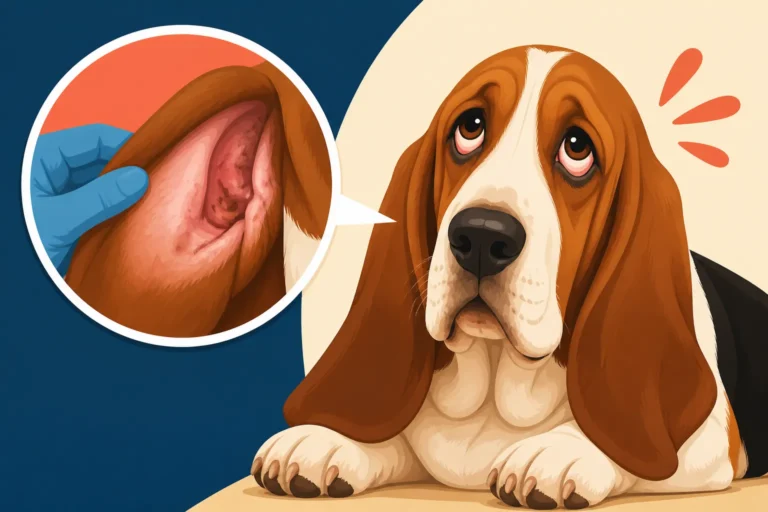
Bassets are also known for their wonderfully wrinkled skin and long, floppy ears, both of which can be hotbeds for skin infections and allergies. Their deep skin folds can trap moisture and debris, leading to irritation, while environmental or food allergies can manifest as itchy skin, chronic ear infections (learn more about Whether a Basset Hound Gets Allergies), or even paw licking. If you've ever dealt with a Basset constantly scratching, gnawing at their paws, or shaking their head due to inflamed ears, you know how miserable they can be. Diet often plays a significant role here, with certain proteins or grains triggering an allergic response. A diet free from common allergens can sometimes work wonders in reducing inflammation and improving coat and skin health, making the daily task of cleaning The Skin Under a Basset Hound's Folds a bit less daunting.
Common Health Issues That May Warrant Prescription Food
When your Basset Hound isn't quite themselves, a trip to the vet is always the first step. Often, certain recurring or severe health conditions will lead your veterinarian to suggest a specialized prescription diet. These diets aren't just fancy foods; they are formulated with specific nutritional profiles designed to support the body's healing processes or manage chronic conditions.
Gastrointestinal Upsets and IBD
If your Basset Hound is frequently experiencing vomiting, diarrhea, chronic soft stools, or a general lack of appetite, it could be more than just a passing bug. These symptoms, especially if they persist, might indicate underlying gastrointestinal issues such as Inflammatory Bowel Disease (IBD) or severe food sensitivities. IBD causes chronic inflammation of the digestive tract, making it difficult for your Basset to properly absorb nutrients and leading to ongoing discomfort. In such cases, a veterinarian might recommend a prescription gastrointestinal diet. These diets are typically highly digestible, low in fat, and often contain specific fibers or prebiotics to promote a healthy gut microbiome. They aim to reduce the workload on the inflamed digestive system and allow it to heal, helping to alleviate symptoms and improve your Basset's overall comfort. It's truly heartbreaking to watch your usually enthusiastic eater turn away from their bowl, and a specialized diet can often make a world of difference.
Urinary Tract and Kidney Concerns
Another area where diet plays a critical role for some Basset Hounds is urinary and kidney health. Certain breeds can be predisposed to forming bladder stones, or they might develop kidney disease as they age. If your Basset Hound shows signs like frequent urination, straining to urinate, blood in their urine, or a sudden increase in thirst, your vet will likely run tests to check for urinary crystals, stones, or kidney function. For these conditions, prescription diets are formulated to either dissolve existing stones (like struvite stones) or prevent their recurrence by modifying urinary pH and mineral content. For kidney disease, these diets typically feature controlled levels of protein, phosphorus, and sodium to reduce the workload on the kidneys and slow the progression of the disease. It’s a delicate balance, as you want to ensure they get enough protein to maintain muscle mass while protecting their kidneys.
Dealing with Food Allergies
True food allergies are often misdiagnosed as simple sensitivities, but for a Basset Hound, they can lead to chronic skin itching, ear infections that just won't clear up, or persistent gastrointestinal distress. An allergic reaction isn't just an upset tummy; it's an immune system overreaction to a specific protein source, whether it's chicken, beef, dairy, or even common grains. The constant scratching and discomfort can be miserable for your dog and frustrating for you, especially when you're trying everything you can think of to bring them relief. When a food allergy is suspected, your vet will often recommend an elimination diet or a specialized hydrolyzed protein diet. These diets break down proteins into such tiny components that the immune system doesn't recognize them as allergens, effectively "hiding" the trigger. This can be a game-changer for Bassets suffering from severe, chronic allergies, finally giving their irritated skin and ears a chance to heal. Knowing Whether a Basset Hound Reacts to Its Food can save a lot of discomfort and vet visits.
When Your Veterinarian Might Recommend a Prescription Diet
The decision to put your Basset Hound on a prescription diet is never taken lightly and always comes after a thorough examination and diagnostic process by your trusted veterinarian. It's not usually the first step, but rather a targeted intervention based on specific findings.
The Diagnostic Process
Before recommending a prescription diet, your vet will conduct a comprehensive diagnostic workup. This might involve a physical examination, blood tests to check organ function and rule out other diseases, urine analysis to look for crystals or signs of infection, and sometimes imaging like X-rays or ultrasounds to visualize internal organs. For suspected food allergies, the diagnostic process often includes a strict elimination diet. This means feeding your Basset a novel protein source they've never encountered before (like duck or venison) or a hydrolyzed protein diet for several weeks, then carefully reintroducing ingredients one by one to identify the trigger. It's a meticulous process that requires patience, but it's essential to ensure the correct diagnosis and the most effective treatment plan. Without this careful investigation, you might be treating symptoms without addressing the root cause, leading to ongoing issues for your Basset.
Trialing a Novel Protein or Hydrolyzed Diet
If food allergies or severe sensitivities are suspected, your vet might suggest a trial of a novel protein diet. This involves feeding a food where the primary protein source is something your Basset has never eaten before, like kangaroo or alligator, alongside a limited number of carbohydrates. The idea is that if their immune system hasn't encountered it, it won't react to it. Even more specific are hydrolyzed protein diets, which are a common and highly effective tool for diagnosing and managing food allergies. In these foods, the protein molecules are broken down into such small peptides that the immune system doesn't recognize them as foreign, thus preventing an allergic reaction. This approach gives your Basset's body a break from potential allergens, allowing symptoms like itchy skin or digestive upset to subside. This trial period, usually 8-12 weeks, is crucial. During this time, absolutely no other foods, treats, or table scraps can be given, as even a tiny bite of an allergen can ruin the trial. It's tough, especially with a Basset's unwavering focus on food, but the relief it can bring is immeasurable.
Long-Term Management Strategies
Once a prescription diet proves successful in managing your Basset Hound's health condition, it's often a long-term, if not lifelong, commitment. These diets are carefully balanced to provide all the necessary nutrients while addressing the specific medical issue. For example, a Basset on a kidney-support diet will need to stay on that diet indefinitely to protect their kidneys. Similarly, a Basset with severe food allergies will likely thrive best on their hydrolyzed or novel protein diet for the foreseeable future. Your vet will monitor your Basset's progress with regular check-ups, blood tests, and other diagnostics to ensure the diet is still effective and to make any necessary adjustments. This long-term management strategy isn't just about controlling symptoms; it's about optimizing their quality of life and potentially extending their healthy years. It’s important to remember that these aren't temporary fixes but ongoing pillars of their health management.
Navigating the World of Prescription Dog Foods
Once your vet has recommended a prescription diet, you'll find there's a specific world of pet food designed for medical conditions. It’s a bit different from simply picking up a bag of kibble at the grocery store, and understanding the nuances is important.
Types of Prescription Diets Available
Prescription diets are categorized by the specific health conditions they are designed to address. You’ll find formulas for a wide array of issues:
- Gastrointestinal Support: These are for sensitive stomachs, IBD, and other digestive issues. They are typically highly digestible, low in fat, and may include prebiotics and probiotics. Brands like Royal Canin Gastrointestinal Low Fat or Purina Pro Plan EN Gastroenteric are common examples.
- Urinary Health: These diets help manage or dissolve bladder stones (like struvite or calcium oxalate) and prevent recurrence. They often adjust mineral levels and urinary pH. Hill's Prescription Diet c/d Multicare or Royal Canin Urinary SO are frequently prescribed.
- Dermatological/Allergy Support: For Bassets with food allergies or skin sensitivities, these diets use hydrolyzed proteins or novel protein sources. Examples include Royal Canin Hydrolyzed Protein or Hill's Prescription Diet z/d.
- Weight Management: While many commercial foods offer "weight control," prescription weight loss diets are more strictly formulated with lower calories and higher fiber to help dogs safely lose weight under veterinary supervision. Hill's Prescription Diet r/d or Purina Pro Plan OM Overweight Management are often used.
- Kidney Support: For Bassets with kidney disease, these diets control protein, phosphorus, and sodium levels to ease the burden on the kidneys. Royal Canin Renal Support or Hill's Prescription Diet k/d are staples in this category.
- Joint Support: Although many adult maintenance foods contain joint supplements, some prescription diets are specifically enhanced with ingredients like glucosamine, chondroitin, and omega-3 fatty acids to help manage arthritis and other joint conditions.
Each type is formulated with a precise balance of nutrients, vitamins, and minerals to target the specific issue without creating new deficiencies.
Understanding Ingredients and Formulations
The ingredients in prescription diets are chosen not just for nutritional value, but for their specific therapeutic properties. For instance, a hydrolyzed protein diet means that the protein source (like chicken or soy) has been broken down into such tiny fragments that your Basset's immune system doesn't recognize it as a threat, thereby avoiding an allergic reaction. This is very different from a "limited ingredient" diet, which simply reduces the number of ingredients.
In a urinary diet, magnesium and phosphorus levels are carefully controlled, and ingredients might be added to either acidify or alkalinize the urine to prevent specific stone formations. Kidney diets meticulously restrict phosphorus and moderate protein to lessen the load on compromised kidneys. These diets often include higher levels of omega-3 fatty acids for anti-inflammatory benefits, which can be helpful for Bassets with allergies or joint pain. The precise formulation is backed by scientific research and clinical trials, making these foods a form of medical treatment. It's a testament to how far veterinary nutrition has come that we can offer such targeted support to our pets.
Where to Purchase Prescription Food
Unlike regular pet food, you can't just pick up prescription diets off any store shelf. They require a veterinarian's authorization, much like a prescription medication for people. This ensures that your Basset Hound is truly getting the right food for their diagnosed condition and that you're not self-diagnosing or potentially delaying proper treatment.
Most veterinary clinics stock a selection of the most commonly prescribed diets, offering convenience for initial purchases. However, for ongoing supplies, many pet owners turn to online retailers specializing in pet food and supplies. Reputable online stores like Chewy and other similar online pet pharmacies are popular options. They typically require you to submit your vet's prescription information, which they then verify directly with your clinic before shipping the food. This system ensures safety and adherence to veterinary recommendations. Some brands also offer direct-to-consumer options with vet approval. Always ensure you are purchasing from a verified source to guarantee the authenticity and quality of the specialized diet.
Alternatives to Traditional Prescription Diets
While prescription diets are often the gold standard for managing specific health conditions, they aren't always the only path. For some Basset Hounds, or for owners who prefer a different approach, there are carefully considered alternatives that can be explored in consultation with your vet.
Carefully Crafted Home-Cooked Meals
For Basset Hounds with extremely sensitive systems or complex allergies, home-cooked meals, developed and balanced by a veterinary nutritionist, can be a viable alternative. This isn't about throwing together some chicken and rice; it's a precise science. A board-certified veterinary nutritionist will create a recipe tailored exactly to your Basset's specific dietary needs, caloric requirements, and any medical conditions. This allows for absolute control over every single ingredient, which can be invaluable for identifying and avoiding allergens that might even be hidden in commercial "limited ingredient" foods.
However, this approach comes with significant commitment. It requires diligent adherence to the recipe, careful measurement of ingredients, and often supplementing with specific vitamins and minerals to ensure complete and balanced nutrition. Without proper formulation and supplementation, a home-cooked diet can easily lead to nutritional deficiencies or imbalances, which can be detrimental to your Basset's health in the long run. It's a labor of love, but for some Bassets, it's the only way to manage their unique health challenges effectively. You might also explore fresh food options like Ollie, which can offer highly digestible, human-grade ingredients, but always discuss these with your vet to ensure they meet your Basset's specific therapeutic needs.
Commercial Limited Ingredient Diets
For Bassets with suspected food sensitivities rather than full-blown allergies, or those whose issues aren't severe enough to warrant a prescription hydrolyzed diet, a commercial limited ingredient diet (LID) might be a good starting point. These diets are designed with fewer ingredients, typically featuring a single animal protein source (like salmon, lamb, or duck) and one carbohydrate source (like sweet potato or peas). The idea is to reduce the number of potential allergens or irritants your Basset is exposed to, making it easier to pinpoint what might be causing issues.
LIDs are available over-the-counter from most pet supply stores and online retailers. While they don't require a vet prescription, it's still crucial to introduce them under veterinary guidance. Your vet can help you choose the most appropriate LID and guide you through a proper food trial to assess its effectiveness. While LIDs can be very helpful for many Bassets, it's important to understand they are not the same as prescription hydrolyzed diets and may not be sufficient for severe allergies where even trace amounts of a common protein can trigger a reaction.
Supplements and Probiotics
Sometimes, dietary management for Basset Hounds isn't solely about the main food, but also about what you can add to it. Supplements and probiotics can play a supportive role, particularly for conditions like sensitive stomachs, mild joint issues, or skin problems.
- Probiotics: These beneficial bacteria can help restore a healthy balance to your Basset's gut microbiome, which is crucial for digestion and immune function. If your Basset struggles with occasional soft stools, has recently been on antibiotics, or generally has a sensitive tummy, a vet-recommended probiotic supplement can sometimes make a noticeable difference.
- Omega-3 Fatty Acids: Often sourced from fish oil, omega-3s (EPA and DHA) are powerful natural anti-inflammatories. They can be incredibly beneficial for Bassets with allergic skin conditions, reducing itchiness and improving coat health. They also support joint health, potentially easing discomfort from arthritis, and even contribute to cognitive function.
- Joint Supplements: Glucosamine and chondroitin are popular joint supplements that help support cartilage health and joint fluid production. For Bassets predisposed to or already showing signs of joint issues, these can be added to their regular food, especially if their diet doesn't contain therapeutic levels.
It’s vital to discuss any supplements with your veterinarian before introducing them. Not all supplements are created equal, and some can interact with medications or be inappropriate for certain conditions. Your vet can recommend high-quality, vet-approved products and advise on the correct dosage for your Basset's specific needs. They can also help you determine if these additions are enough, or if a more comprehensive dietary change, like a prescription food, is truly necessary.
Cost Considerations and Long-Term Management
Deciding to put your Basset Hound on a prescription diet is a commitment not just to their health, but also financially. It’s important to have a realistic understanding of the costs involved and how to plan for them. As an owner, it's not just about What Feeding a Basset Hound Costs Monthly for regular kibble.
The Price Tag of Specialized Nutrition
Let's be upfront: prescription diets generally cost more than standard commercial dog foods. This higher price reflects the extensive research and development that goes into formulating these therapeutic diets, the quality of specialized ingredients, and the rigorous testing they undergo. You're paying for a product that is designed to act as a part of your Basset's medical treatment, not just a meal.
The cost can vary significantly depending on the specific diet (e.g., hydrolyzed protein diets tend to be among the most expensive), the brand, and where you purchase it. You might find yourself spending a notable amount more per bag or per case of wet food. For a large, robust breed like a Basset Hound, who eats a fair amount, these costs can quickly add up over weeks, months, and years. This financial aspect is a significant consideration for many owners, especially if the diet is needed long-term. It's a necessary expense for your Basset's well-being, but it definitely impacts the household budget.
Pet Insurance and Prescription Food Coverage
Given the higher cost of prescription diets, many Basset Hound owners wonder if pet insurance can help cover these expenses. The answer is nuanced and depends heavily on your specific pet insurance policy and the reason for the prescription diet.
Generally, pet insurance policies are designed to cover the costs of unexpected illnesses and accidents. If a prescription diet is prescribed as a treatment for a covered illness or condition, some policies might cover a portion of the cost. For instance, if your Basset is diagnosed with IBD and a gastrointestinal prescription diet is part of the treatment plan, it could be eligible for coverage. However, if the diet is for long-term maintenance of a chronic condition, or if it's considered preventative, coverage might be limited or excluded.
Pre-existing conditions are almost universally excluded by pet insurance providers. If your Basset already had the condition that requires a prescription diet before you enrolled them in a policy, it’s highly unlikely to be covered. It's crucial to thoroughly review your policy's terms and conditions, or even better, call your insurance provider directly to understand what is and isn't covered. Companies like Healthy Paws, or other reputable pet insurance providers, often have clear guidelines, but it's always best to clarify. It might be worth checking Whether an Insurer Excludes a Basset Hound's Ears for specific breed-related conditions, as dietary exclusions might operate similarly.
Budgeting for a Basset Hound's Special Diet
If your Basset Hound needs a prescription diet, integrating this into your regular pet budget is essential for long-term financial stability. First, get a clear estimate from your vet or preferred retailer on the monthly cost of the specific food your Basset will require. Don't forget to factor in shipping costs if you're ordering online.
Consider adjusting other areas of your pet spending. Perhaps you can reduce expenses on less essential items like certain toys or treats, or opt for DIY grooming instead of professional services. Creating a dedicated savings fund for your Basset’s medical expenses, including food, is a smart strategy. Even setting aside a small amount each week can build up over time. Some owners explore loyalty programs offered by online retailers like Chewy or by specific food manufacturers, which can sometimes provide discounts or free shipping on recurring orders. Remember, Setting Money Aside for a Basset Hound's Vet Bills is always a good idea, and this applies equally to ongoing prescription food costs. It’s about being proactive and prepared, ensuring your Basset gets the specialized nutrition they need without causing undue financial stress.
Comparing Diet Options for Basset Hounds
To help you visualize the different approaches to Basset Hound nutrition, especially when dealing with specific health concerns, here's a comparison of typical diet options:
| Diet Type | Primary Purpose | Key Characteristics | Requires Vet Prescription? | Typical Cost (vs. standard food) | Pros | Cons |
|---|---|---|---|---|---|---|
| Standard Commercial Kibble | General health & maintenance | Varies widely; common proteins, grains, fillers | No | Low | Widely available, convenient, many options | May trigger allergies/sensitivities, less targeted for health issues |
| Limited Ingredient Diet (LID) | Mild sensitivities, elimination trials | Single novel protein/carb source, fewer ingredients | No (Vet guidance recommended) | Moderate | Easier to identify triggers, fewer potential irritants | Not hydrolyzed, may still trigger severe allergies, not medically targeted |
| Prescription Hydrolyzed Diet | Severe food allergies, IBD diagnosis/management | Proteins broken down to unrecognisable peptides | Yes | High | Highly effective for allergies, very digestible | Most expensive, requires vet authorization, limited palatability for some |
| Prescription Therapeutic Diet | Specific conditions (kidney, urinary, GI, etc.) | Scientifically formulated for medical conditions | Yes | High | Direct medical support, proven efficacy | High cost, requires vet authorization, specific to one condition |
| Veterinary-Formulated Home-Cooked | Extreme sensitivities, specific control | Tailored ingredients, precisely balanced by nutritionist | Vet guidance essential | Variable (ingredients + nutritionist fee) | Full control over ingredients, fresh, highly palatable | Time-consuming, risk of nutritional imbalance if not precise, specialist consultation cost |
| Fresh Food (e.g., Ollie) | General health, some sensitivities | Human-grade ingredients, gently cooked | No (Vet consultation advised) | Moderate to High | Highly palatable, fresh ingredients, less processed | May not be nutritionally complete for specific medical conditions, higher cost than kibble |
This table should give you a clearer picture of the spectrum of dietary choices available for your Basset Hound, helping you understand where prescription foods fit into the broader picture of their health and well-being.
Disclaimer
This article is for general informational purposes only and does not constitute professional advice. Laws, prices and regulations vary by location and change over time. Consult a qualified professional for guidance on your specific situation.