Setting Money Aside for a Basset Hound’s Vet Bills
One of the biggest worries for any Basset Hound parent, myself included, is that unexpected trip to the vet. It’s not just the immediate panic for your beloved floppy-eared companion, but the sudden dread of the bill that comes with it. These wonderful hounds, with all their unique charm, also come with some well-known health quirks that can lead to some truly eye-watering veterinary expenses. This guide is all about helping you understand those potential costs and, more importantly, how to wisely set aside money to soften the financial blow when those inevitable vet visits roll around.
Understanding the Basset Hound's Unique Health Landscape
It's a truth universally acknowledged among Basset Hound owners that our dogs are built a little… uniquely. Those adorable long ears, that characteristic droopy face, and that long, low body are all part of their charm, but they also contribute to a specific set of health challenges that can make vet bills a recurring part of life. Knowing what you're up against is the first step in being financially prepared.
Common and Chronic Conditions
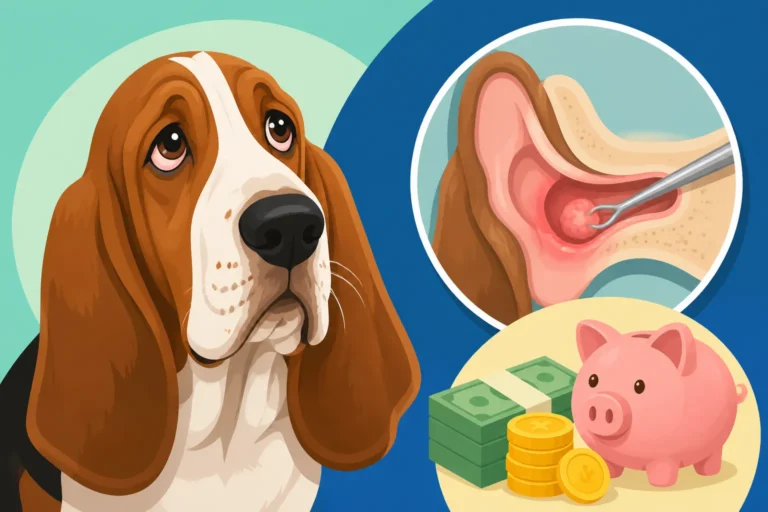
Let's be frank: Basset Hounds are prone to certain conditions that often require ongoing management, not just a one-time fix. Top of the list are those magnificent, sweeping ears. They're air-traps and moisture-traps all in one, making them a perfect breeding ground for infections. I know, I know, we love them, but we also spend a lot of time cleaning them! These aren't just minor irritations; The Ear Infections That Never Really Leave a Basset Hound can become chronic, requiring frequent vet visits, specialized cleaners, and sometimes long courses of medication. You might find yourself back at the clinic every few months for flare-ups, and each visit adds up.
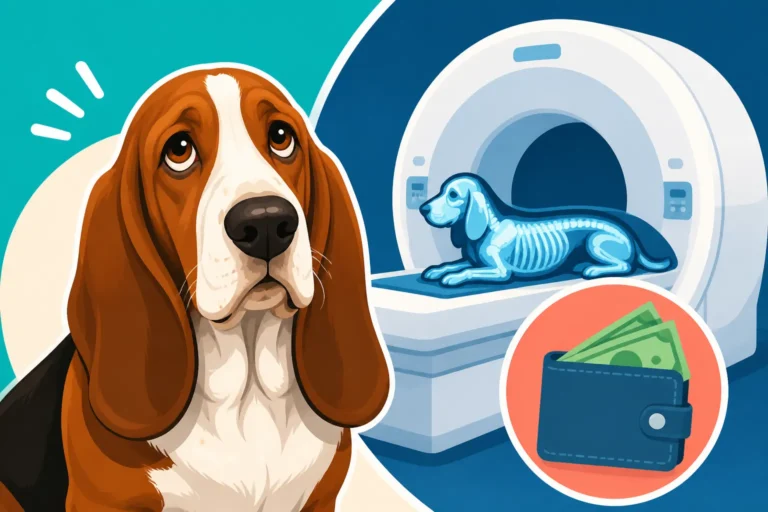
Then there's the back. That long, low body isn't just for show; it's a design that makes them particularly susceptible to Intervertebral Disc Disease (IVDD), often referred to as a "slipped disc." This can range from mild discomfort to full-blown paralysis, often requiring emergency surgery and extensive physical therapy. It's a terrifying prospect, and the costs associated with diagnostics (like MRIs), surgery, and post-operative care can be substantial. Beyond that, their unique facial structure can lead to eye issues like glaucoma or eyelid problems such as entropion (inward rolling) or ectropion (outward rolling), which often need surgical correction or lifelong medication. The Glaucoma a Basset Hound Inherits can appear suddenly and require immediate attention to save their sight. These aren't just simple fixes; they often require specialized care and ongoing financial commitment.
The Unseen Costs of Genetic Predispositions
Even if you do everything right – choosing a reputable breeder who screens their dogs – Basset Hounds carry certain genetic predispositions that can lead to health challenges down the line. It's not a fault of breeding entirely; it's just part of their genetic makeup from centuries of development. Conditions like Elbow Dysplasia, where the elbow joint doesn't form correctly, can cause pain and arthritis from a relatively young age. This often means regular pain management, joint supplements, and sometimes surgical interventions, which can quickly add up over the course of your dog's life.
Another lesser-known but critical genetic condition is Thrombopathia, a bleeding disorder. While not every Basset Hound will have it, being a carrier or affected can mean unexpected complications during routine procedures like neutering, or if they suffer an injury. This can lead to longer hospital stays, transfusions, and more intensive care, dramatically increasing the cost of what might otherwise be a straightforward vet visit. While some conditions can be screened for by responsible breeders, it's never a 100% guarantee against future issues. The important thing is to be aware that these possibilities exist and to factor them into your financial planning. Even seemingly minor incidents can escalate quickly when these underlying predispositions are at play, turning a simple cut into a major medical event.
Strategies for Budgeting for Basset Hound Healthcare
Okay, so we know Basset Hounds can be a bit of a financial commitment when it comes to their health. But don't despair! Being proactive with your financial planning can make a world of difference when those unexpected vet bills inevitably arrive. It's about having a system in place that works for you and your beloved hound.
The Emergency Fund vs. Savings Account Approach
When it comes to putting money aside, you essentially have two main ways to go about it: a dedicated emergency fund or a specific savings account earmarked solely for your Basset's vet bills. Both have their merits, and the best choice often depends on your personal financial habits.
A dedicated emergency fund for your Basset is all about having readily accessible cash. This might be a separate checking account or a high-yield savings account that you can access without penalty. The benefit here is liquidity – if your Basset suddenly needs emergency surgery for a disc issue, you need access to funds immediately. You don't want to be waiting for a transfer to clear or dealing with withdrawal limits. The downside can be the temptation to dip into it for other emergencies if you're not disciplined.
On the other hand, a savings account specifically for vet expenses can be a great way to build up a substantial buffer over time. You might set up an automatic transfer of a certain amount each payday, watching it grow. This is fantastic for those predictable but expensive recurring costs, like ongoing allergy medications or regular joint injections as your Basset ages. It feels less like an "emergency" fund and more like a planned expense. The drawback? It might not be as immediately liquid as a true emergency fund, and if a huge, unforeseen expense hits early on, you might not have accumulated enough yet. Many owners find a hybrid approach works best: a smaller, easily accessible emergency stash for immediate needs, alongside a growing savings account for long-term health management.
Pet Insurance: A Financial Safety Net
Pet insurance is becoming increasingly popular, and for good reason, especially with breeds like Basset Hounds. Think of it like health insurance for people – you pay a monthly premium, and in return, the insurer covers a percentage of your eligible vet bills after you meet a deductible. For a Basset Hound, whose breed-specific issues can lead to some truly astronomical costs, this can be a huge relief.
Policies vary widely, but most comprehensive plans cover accidents, illnesses, surgeries, diagnostic tests, and emergency care. Some even offer optional wellness add-ons for routine care. What's crucial to understand for Bassets is how pre-existing conditions are handled. If your dog already has chronic ear infections before you get a policy, that specific condition might be excluded. This is why getting insurance when your Basset is a puppy, before any major health issues arise, is often recommended.
Companies like Healthy Paws are well-known in the pet insurance space and can offer peace of mind when facing large, unexpected bills like those for What a Basset Hound's Emergency Surgeries Cost. Instead of having to find thousands of dollars upfront for an MRI and potential back surgery, you would pay your deductible and your percentage, and the insurance company would reimburse you for the rest. It helps turn a potentially crippling one-time expense into manageable monthly premiums. Just remember to read the fine print carefully, understand your deductible, reimbursement percentage, and annual limits. Insuring a Basset Hound Against Eyes, Ears and Backs is a topic many Basset owners eventually grapple with.
Wellness Plans and Routine Care Budgets
Beyond the big, scary emergencies, there's a whole world of predictable, routine vet care that also costs money. These are the expenses you know are coming: annual check-ups, vaccinations, deworming, flea and tick prevention, and heartworm medication. These aren't usually covered by standard pet insurance (unless you have a wellness add-on), so budgeting for them separately is key.
Many veterinary clinics offer their own wellness plans. These are typically monthly subscription services that cover a set amount of routine care, like annual exams, basic vaccinations, and sometimes even a dental cleaning. They can be a great way to spread out the cost of preventative care, making it feel less like a lump sum expense. However, they are not a substitute for comprehensive pet insurance, as they don't cover unexpected illnesses or accidents.
For those who prefer to self-manage, setting a specific monthly budget for routine care is straightforward. If you know your Basset's annual check-up costs, say, a certain amount, and vaccinations another, you can divide that by twelve and put that amount aside each month. This ensures that when the time comes for the annual booster shots or a refill of preventative meds, the money is already there. This approach allows you to be prepared for the ongoing, necessary expenses that keep your Basset healthy, without dipping into your emergency funds.
Practical Tips for Reducing and Managing Vet Expenses
Even with the best budgeting and insurance in the world, vet bills can still feel like a constant drain. Thankfully, there are many practical steps you can take to not only manage these costs but potentially reduce their frequency and severity. A little bit of proactive care and smart shopping can go a long way in keeping your Basset Hound healthy and your wallet happier.
Proactive Preventative Care
This is perhaps the single most impactful way to keep vet bills down in the long run. Many of the Basset Hound's common ailments can be lessened, delayed, or even prevented with consistent preventative care.
- Ear Care: Those long, heavy ears are a magnet for trouble. Regular, diligent cleaning with a vet-approved ear cleaner is paramount. I've found that getting into a routine of The Twice Weekly Ear Ritual a Basset Hound Owner Signs Up For can drastically reduce the incidence of painful, costly ear infections. Skipping it might save you a few minutes now, but it could cost you significantly more in vet visits and antibiotics later.
- Weight Management: Basset Hounds love to eat, and they are notoriously good at putting on weight. Unfortunately, What Extra Weight Does to a Basset Hound is substantial: it exacerbates joint problems, strains their long backs, and can contribute to other health issues like diabetes. Keeping a Basset Hound at Its Correct Weight through controlled portions and regular, moderate exercise is critical. An overweight Basset is a Basset more likely to have expensive mobility issues.
- Dental Health: Don't forget their pearly whites! Dental disease is incredibly common in dogs and can lead to painful infections, organ damage, and expensive dental cleanings under anesthesia. Brushing your Basset's teeth regularly, providing dental chews (if appropriate), and annual vet checks can catch issues early.
- Skin Fold Care: Those adorable wrinkles around their face and neck can trap moisture and debris, leading to skin fold infections. Regular cleaning and drying of these areas can prevent discomfort and vet trips.
By being consistent with these preventative measures, you're not just saving money; you're significantly improving your Basset Hound's quality of life.
Smart Shopping for Supplies and Medications
You don't always have to buy everything directly from your vet's office, especially for routine supplies and non-prescription items. Shopping around can offer considerable savings.
- Food: High-quality food is an investment in your Basset's long-term health. Brands like Ollie (fresh food options) or a vast selection of premium kibble available on sites like Chewy can cater to your Basset's specific dietary needs. While the upfront cost might seem higher, good nutrition can help maintain a healthy weight and support overall well-being, potentially reducing future health issues. Just ensure any major dietary changes are discussed with your vet.
- Routine Medications & Supplements: For ongoing medications (like joint supplements or certain allergy medications) that don't require immediate vet dispensing, ask your vet if they can write a prescription you can fill at an online pet pharmacy or even a human pharmacy (for some medications). Prices can vary wildly, so a quick comparison shop online can save you a bundle. Similarly, for ear cleaners, grooming supplies, or even joint supplements, Chewy and other online retailers often have competitive prices and frequent sales. Just be sure you're buying legitimate products from reputable sources.
- Preventative Treatments: Flea, tick, and heartworm medications are essential. Discuss with your vet the most cost-effective and appropriate options for your region and your Basset's lifestyle. Sometimes, buying a 6- or 12-month supply at once can be cheaper than monthly purchases.
Understanding Vet Bill Components
Walking out of the vet with a bill that feels opaque is incredibly frustrating. Don't be afraid to ask questions! Before any major procedure or even extensive diagnostics, ask for a detailed estimate.
- Itemized Estimates: Request an itemized breakdown of estimated costs. This helps you understand what you're paying for: consultation fees, blood work, X-rays, medication, anesthesia, surgical time, hospitalization, etc.
- Discuss Options: For some conditions, there might be different diagnostic or treatment paths with varying costs. For instance, if an X-ray is needed, ask if it's strictly necessary or if there's a less expensive initial diagnostic step. For medications, ask if a generic equivalent is available.
- Payment Plans: If you're hit with a large, unexpected bill, many vet clinics understand the financial strain and offer payment plans or work with third-party financing options. Don't be afraid to ask about these possibilities before treatment begins, if possible. Knowing what goes into What a Basset Hound Costs a Year to Keep will help you manage these expenditures better.
Long-Term Financial Planning for Your Basset Hound's Golden Years
Just like us, Basset Hounds don't stay spry puppies forever. As they gracefully (or sometimes rather clumsily!) age, their health needs often shift, and typically, the frequency and cost of vet visits increase. Preparing for these golden years is a critical part of being a responsible Basset owner.
Preparing for Senior-Specific Health Challenges
Once your Basset Hound hits around seven or eight years old, they generally start to be considered seniors. This is the time when new health challenges can begin to emerge or existing conditions can worsen.
- Arthritis and Mobility Issues: That long back and those short legs, coupled with years of carrying a dense body, often lead to arthritis. This isn't just a minor ache; it can significantly impact their quality of life, making it hard for them to get up, lie down, or climb stairs. Managing arthritis often involves ongoing medication (anti-inflammatories, pain relievers), joint supplements, and sometimes physical therapy. You might also need to invest in practical aids like orthopedic beds, ramps, or steps to help them navigate your home safely. The Old Basset Hound That Cannot Get Off the Floor is a heartbreaking sight, but with the right care, you can make their senior years comfortable.
- Cognitive Decline: Some older Bassets might experience cognitive dysfunction, similar to dementia in humans. This can lead to confusion, changes in sleep patterns, house-soiling, and anxiety. While there's no cure, certain medications and supplements can help manage symptoms, requiring more vet consultations and ongoing prescriptions.
- Organ Function Decline: As Bassets age, their kidneys, liver, and heart might not function as efficiently. Regular senior wellness checks, which typically include comprehensive blood work and urinalysis, become even more important to catch these issues early. Dietary changes to specialized senior or prescription foods might also be necessary, adding to your monthly food budget.
- Lumps and Bumps: Older dogs are more prone to developing lumps and bumps, some benign, others more concerning. Each new growth often warrants a vet visit, possibly a fine needle aspirate, or even surgical removal and biopsy, all of which come with costs.
These age-related issues are not typically sudden emergencies but rather ongoing conditions that require consistent management and financial outlay.
Revisiting Your Financial Strategy as Your Basset Ages
As your Basset Hound transitions into its senior years, it's a really smart move to re-evaluate your financial strategy for their care. What worked when they were a spry puppy might not be sufficient now.
- Pet Insurance Considerations: If you have pet insurance, understand how your premiums might change as your dog ages. Some policies increase premiums significantly with age, or may introduce new exclusions for conditions that are more common in seniors. If you've had the policy since they were young, chronic conditions that developed during coverage should still be covered, but it's always good to confirm. If you don't have insurance, getting it for a senior dog can be challenging, as many pre-existing conditions will likely be excluded, and premiums can be quite high. This emphasizes the importance of getting coverage early if you choose this route.
- Boosting Your Savings: Regardless of whether you have insurance, consider increasing your dedicated savings contributions as your Basset ages. Think of it as building a "senior care buffer." You know more vet visits are likely on the horizon, so having extra funds available will alleviate stress. This could mean allocating a larger portion of your monthly budget specifically to their vet savings account.
- Long-Term Care Planning: Sit down and honestly assess the potential long-term costs for conditions like arthritis, diabetes, or kidney disease. Discuss with your vet what to expect financially if your Basset develops a chronic condition. Having this realistic understanding allows you to make informed decisions and prepare financially, rather than being blindsided by continuous expenses. This might mean making adjustments to other household budgets to prioritize your beloved senior Basset's comfort and health.
Being prepared for the financial realities of senior pet care means you can focus on making their last years as comfortable and joyful as possible, without the added burden of financial panic.
| Financial Approach | Best For | Pros | Cons |
|---|---|---|---|
| Emergency Fund | Unexpected accidents, sudden illnesses | Immediate access to cash; no claims process | Requires discipline to save; may not cover huge costs early on |
| Pet Insurance | Major illnesses, accidents, emergency surgeries | Covers large, unforeseen expenses; predictable monthly premium | May not cover pre-existing conditions; deductibles & reimbursement |
| Wellness Plan | Routine preventative care | Spreads cost of annual exams, vaccines; promotes regular care | Not insurance; doesn't cover illness/accidents; limited coverage |
| Dedicated Savings | General vet bills, planned procedures, long-term conditions | Flexible for any vet expense; money grows over time | Might not grow fast enough for immediate large expenses |
Disclaimer
This article is for general informational purposes only and does not constitute professional advice. Laws, prices and regulations vary by location and change over time. Consult a qualified professional for guidance on your specific situation.