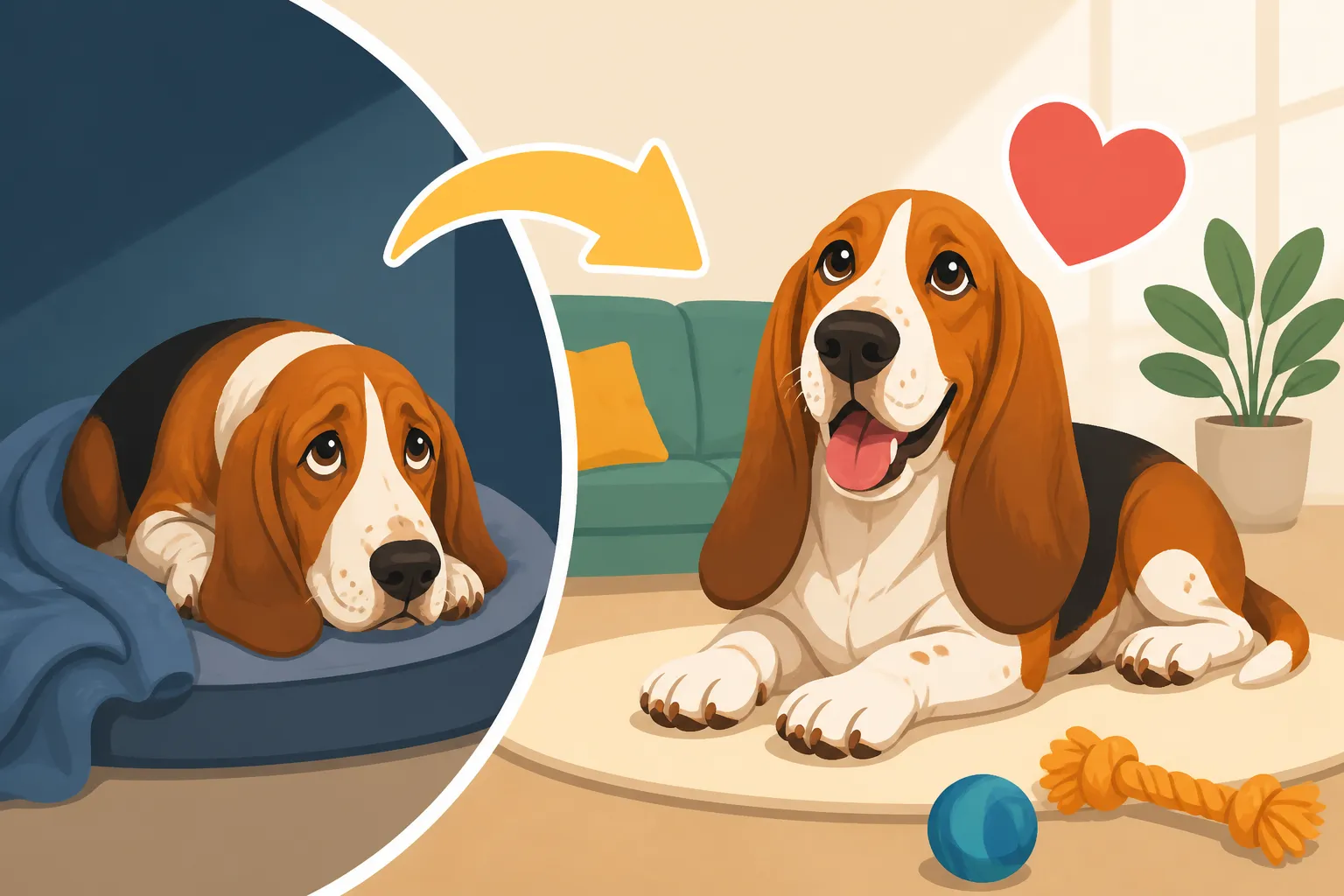
Whether an Adopted Basset Hound Settles Quickly
Bringing a new dog into your home is always a mix of excitement and a little bit of anxiety. You've prepared the space, bought the bowls, and imagined all the happy moments, but there's always that lingering question: how long will it really take for them to feel at home? For those of us who welcome an adopted Basset Hound into our lives, that question can feel even bigger, especially with their unique personalities. This guide will delve into what you can realistically expect when an adopted Basset Hound settles into a new home, offering practical advice and understanding for a smoother transition.
Understanding the Basset Hound Temperament and How it Affects Settling In
When you bring home an adopted Basset Hound, you're not just getting a dog; you're inviting a personality, a history, and a whole lot of hound charm into your world. Their inherent nature plays a huge role in how quickly they adapt to new surroundings.
The Basset's Natural Disposition: Patience and Persistence
Basset Hounds are, at their core, incredibly good-natured dogs. They are typically calm, affectionate, and famously tolerant, making them wonderful companions. They usually enjoy being part of the family action, but they also possess a remarkable sense of independence, often driven by their extraordinary noses. This means they're usually not the type to panic or cling excessively, which can be a relief in the initial settling period. They might observe their new environment with a quiet, thoughtful intensity, processing every smell and sound.
However, this independence also means they might not be immediately effusive with affection or desperate for constant human interaction. They might explore a new room with their nose to the ground, seemingly oblivious to your presence, not out of disinterest, but because their primary sense is calling them to investigate. It's a hallmark of the breed, and understanding that their focus might be elsewhere in those early days helps manage expectations. They're taking it all in, one sniff at a time.
The Role of Their Past: Unknowns in Rescue
One of the biggest variables with an adopted Basset Hound is their past. Unlike a puppy from a known breeder, a rescue dog often comes with an unknown history. They might have been surrendered due to a change in family circumstances, house training issues, or even chronic health problems their previous owners couldn't manage. This "baggage," for lack of a better word, profoundly impacts how they settle. A Basset who has experienced neglect or trauma might be more timid and take longer to trust, requiring immense patience and a gentle approach.
Conversely, a Basset who was simply rehomed because their previous family couldn't handle their baying or their relentless scent drive might adjust relatively quickly to a home that understands and embraces these traits. It's also possible that they've spent time in a foster home, which can be a huge advantage. Foster parents often provide valuable insights into the dog's personality, quirks, and readiness for a permanent home, making the transition smoother for both you and your new companion. Always ask the rescue organization for as much information as they can provide about their past.
The "Honeymoon Period" and Why It's Crucial for Basset Hounds
The initial weeks and months with an adopted Basset are often referred to as the "honeymoon period," and it’s a critical time for establishing trust, routine, and understanding. It's not always smooth sailing, but recognizing this phase helps you prepare.
The First Few Days and Weeks: Observing, Not Pushing
Many seasoned rescue adopters talk about the "3-3-3 rule," and it's a helpful guideline, though every dog is unique. It suggests:
- 3 Days: Your Basset might be overwhelmed, shy, or shut down. They're absorbing everything, processing the new smells, sounds, and faces. Don't expect their true personality to shine through yet. Give them space, a quiet den, and let them approach you on their terms. This is a time for observation, not for pushing them into interactions they might not be ready for.
- 3 Weeks: They're starting to settle into the routine and feel a bit more comfortable. Their personality will begin to emerge, and you might see more of their playful or affectionate side. However, they're still testing boundaries and figuring out where they fit. This is when some behavioral issues might surface, as they gain confidence.
- 3 Months: By now, your Basset should truly feel at home. They understand the routine, trust their new family, and their true personality is fully on display. This is when you'll really start to bond deeply and see them as a fully integrated member of your household.
For a Basset Hound, this early period is often characterized by intense sniffing and exploring. Their world revolves around scent, so expect them to take their time investigating every corner of your home and yard. Whether a Basset Hound's Ears Sweep Scent Upward is a common question, and indeed, their long ears and dewlaps are designed to help them funnel scents towards their powerful noses. Allow them this time to process their new reality through their most dominant sense.
Establishing Routine and Trust: The Basset's Need for Predictability
Basset Hounds, like many dogs, thrive on routine. A predictable schedule provides a sense of security and helps them understand what’s expected of them. This is especially vital for an adopted dog who may have experienced instability or a lack of routine in their previous life.
Consistency in feeding times, potty breaks, walks, and even bedtime rituals will go a long way in helping your Basset settle. They learn quickly when to expect meals, when it's time to go outside, and when they can anticipate some cuddle time on the couch. This predictability reduces anxiety and builds trust. Imagine being in a completely new place where nothing makes sense – a consistent schedule acts like a map, guiding them through the unfamiliar. When offering treats for good behavior or during training, opt for high-value, palatable options. Some owners find that fresh food brands, like Ollie, can be highly motivating for Bassets, who are famously food-driven. This can be a game-changer when you're trying to establish positive associations with their new home and routines.
Common Challenges and How to Navigate Them During Adjustment
While Bassets are generally adaptable, there are certain breed-specific traits and common rescue scenarios that can make the settling period a bit more challenging. Knowing what to expect helps you prepare.
Separation Anxiety and Baying: Addressing the Basset's Vocal Nature
Basset Hounds are known for their distinctive vocalizations – their deep, mournful bay. While charming in small doses, excessive baying or howling can be a significant issue, especially if it stems from separation anxiety. Many Bassets form strong bonds with their human companions and can become distressed when left alone. This often manifests as persistent baying, howling, or even destructive behavior. You might find yourself asking Whether a Basset Hound Howls When Left, and the answer is often a resounding yes.
Addressing this requires patience and consistent training. Start with very short periods of alone time, gradually increasing the duration as your Basset becomes more comfortable. Provide engaging enrichment toys, like puzzle feeders, to keep their minds occupied. Some dogs benefit from having a comfort item with your scent, or even a radio or TV left on. If the baying is truly persistent and causing issues with neighbors (for whom The Bay a Basset Hound Uses and the Neighbors Hear might become a problem), professional help from a certified dog trainer or veterinary behaviorist might be necessary. It's a common reason Bassets are surrendered, so be prepared to work through it with love and understanding.
House Training and Scent Drive: Managing Expectations
House training can be a hurdle for some adopted Bassets. They might have been previously house-trained but then regressed due to stress, a change in environment, or a lack of consistent reinforcement in their previous home or rescue setting. Their incredible scent drive can also complicate matters. If there were other animals in the house before, or if they had accidents in a previous home, their nose might lead them to "mark" those same spots in your home.
Treat your adopted Basset like a puppy when it comes to house training, even if they're an adult. Take them out frequently – every couple of hours, after waking up, and after eating and drinking. Reward successful potty breaks outdoors enthusiastically. Clean up any indoor accidents thoroughly with an enzymatic cleaner to eliminate the scent and prevent re-marking. Consistency is key here. Understanding How Long a Basset Hound Puppy Takes to House Train can help set realistic expectations, even for an adult dog learning a new routine.
Health Concerns: The Unseen Baggage
Unfortunately, many Basset Hounds end up in rescue due to chronic health issues that their previous owners couldn't or wouldn't manage. This can significantly impact how quickly they settle, as discomfort can make any dog anxious, irritable, or less willing to engage. Common Basset Hound ailments include chronic ear infections (leading to questions like The Ear Infections That Never Really Leave a Basset Hound), joint problems like Intervertebral Disc Disease in a Basset Hound due to their long backs, and obesity.
A comprehensive vet check-up soon after adoption is paramount. This allows you to identify and address any underlying health issues that might be causing discomfort or behavioral changes. Knowing what you're dealing with medically allows you to provide appropriate care, which in turn helps your Basset feel better and, consequently, settle more quickly. Considering pet insurance from a provider like Healthy Paws can be a wise financial decision, as Bassets often come with a predisposition to certain conditions that can incur significant veterinary costs over their lifetime. A healthy Basset is a happy, settling Basset.
Strategies for a Smoother Transition
Making the transition as smooth as possible for your adopted Basset Hound involves thoughtful preparation and consistent application of good management practices.
Creating a Safe and Predictable Environment
A safe, predictable, and comfortable environment is paramount for any adopted dog. For a Basset, this means having their own designated space where they can retreat and feel secure. This might be a crate, a dog bed in a quiet corner, or even a separate room if needed. Ensure they have fresh water, appropriate chew toys, and a comfortable bed. An orthopedic bed can be particularly beneficial, given their propensity for joint and back issues.
Baby gates can be invaluable for managing access to certain areas of your home, especially during the house-training phase or to prevent counter surfing. Brands like Chewy offer a wide selection of crates, gates, and orthopedic beds that can help you create this ideal sanctuary for your new hound. Establishing clear boundaries from day one, like which furniture they are allowed on (or not), helps them understand their place in the household. This structure, combined with their own safe haven, reduces stress and helps them feel more grounded.
Gentle Introductions and Socialization
If you have other pets or small children, introductions need to be handled carefully and gradually. Never force interactions. For other dogs, controlled, neutral territory introductions are best, followed by supervised, short interactions in the home. Always provide escape routes for all animals. For children, teach them how to interact respectfully with the dog, emphasizing gentle touches and quiet voices. A Basset Hound's generally placid nature makes them good family dogs, but every dog has a limit, and an adopted dog's history might make them more sensitive.
Continue positive socialization by gradually introducing them to new, positive experiences – quiet walks in the park, meeting calm, friendly people, or short car rides if they tolerate them well. Don't rush these experiences. The goal is to build positive associations with the new world around them, not to overwhelm them.
Patience, Persistence, and Professional Help
Ultimately, the timeline for an adopted Basset Hound to settle quickly is as unique as the dog itself. Some will waltz in and make themselves at home within days, while others may take many months to truly blossom. The most crucial ingredients you can provide are patience and persistence. There will be good days and challenging days. Celebrate the small victories – a wagging tail, a relaxed sigh, taking a treat gently from your hand.
If you encounter significant behavioral challenges that you're struggling to manage on your own, don't hesitate to seek professional help. A certified professional dog trainer or a veterinary behaviorist can provide tailored strategies and support. This is not a sign of failure, but a responsible step towards ensuring both you and your Basset Hound can live together harmoniously. Remember that providing What a Basset Hound Needs Every Day goes beyond food and water; it includes mental stimulation, gentle exercise, and consistent emotional support.
Here's a quick overview of the typical settling process for an adopted Basset Hound:
| Phase | Typical Duration | Basset Hound Behavior | Your Role |
|---|---|---|---|
| First Few Days | 1-3 Days | Shy, withdrawn, observing, intense sniffing, possibly not eating much. | Provide quiet space, minimal interaction, established potty routine, fresh food/water. |
| First Few Weeks | 1-3 Weeks | Personality emerges, testing boundaries, may show behavioral quirks (e.g., baying, marking). | Maintain consistent routine, gentle training, positive reinforcement, observe for health issues. |
| First Few Months | 1-3 Months | Fully integrating, confident, strong bond forming, true personality established. | Continue routine, consistent training, ongoing socialization, enjoy your well-adjusted companion. |
| Beyond 3 Months | Ongoing | Part of the family, reliable in routines, continued bonding and growth. | Maintain care, keep vet appointments, continue enrichment, cherish your Basset. |
Every Basset Hound has a different story, and their journey to feeling truly at home will reflect that. By providing a safe environment, consistent routine, and an abundance of patience and love, you're giving your adopted hound the best possible chance to settle in and become the cherished family member they were always meant to be.
Disclaimer
This article is for general informational purposes only and does not constitute professional advice. Laws, prices and regulations vary by location and change over time. Consult a qualified professional for guidance on your specific situation.