Whether a Rescue Basset Hound Comes With Records
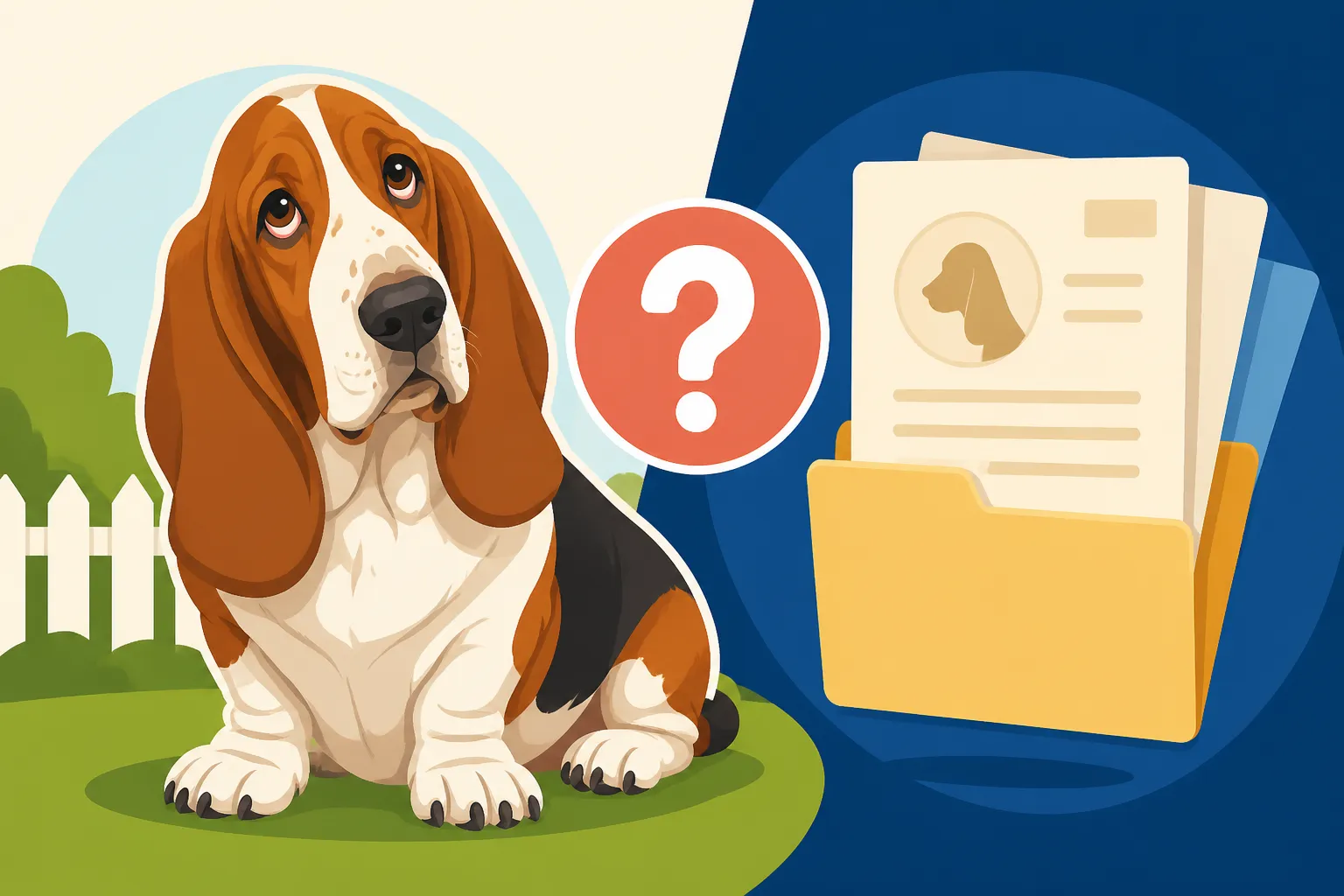
Bringing a rescue Basset Hound into your home is an incredibly rewarding experience, full of love and wagging tails. But let's be honest, it often comes with a big question mark: "Will my new furry family member come with their health records?" The simple, often frustrating truth for many hopeful adopters is that detailed historical records are rarely available, leaving you to piece together their past. This guide is here to walk you through the realistic expectations around rescue dog records and, more importantly, empower you with strategies to build a comprehensive health and behavioral history for your beloved Basset Hound from day one.
The Reality of Rescue Records: Often a Blank Slate
It's a common misconception that rescue organizations will have a thick file detailing every vet visit, vaccination, and quirky habit of your adopted Basset Hound. While we all wish that were the case, the reality is far more complex and often, unfortunately, sparse. Rescue groups work tirelessly to save dogs from various circumstances, and those circumstances rarely lend themselves to meticulous record-keeping.
Why Comprehensive Records Are So Rare
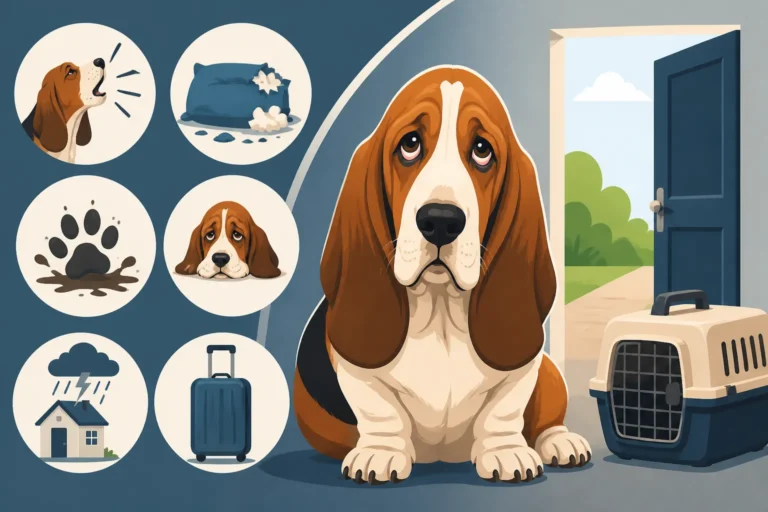
Imagine a Basset Hound found wandering as a stray, picked up by animal control, and then transferred to a rescue. This dog's history is a complete mystery. There's no previous owner to provide vet receipts or tell you about their diet. The rescue's records for this particular dog will start the moment they enter care. They'll document the intake date, initial assessment, and any immediate medical treatments. They won't know if the dog ever had The Ear Infections That Never Really Leave a Basset Hound before, or if they've always had that slight limp when getting up.
Even when a Basset Hound is surrendered by an owner, the records can be incomplete. Life happens, and sometimes people are forced to give up their pets due to unforeseen circumstances like financial hardship, a move to housing that doesn't allow pets, or severe allergies. In these stressful situations, gathering every single vet record might not be a priority, or the records themselves might be inconsistent. Perhaps the dog only saw a vet for emergencies, or vaccinations were spaced out irregularly. An owner dealing with a serious illness themselves might simply not have the capacity to compile a neat packet of information.
Then there are Basset Hounds rescued from neglectful situations. These dogs often arrive with significant health issues – untreated infections, dental problems, malnutrition, or chronic conditions that have gone ignored. Their records, if they exist at all, might only show fragmented visits, or worse, none at all. The rescue's focus immediately shifts to stabilizing their health and addressing urgent needs, not delving into a non-existent past. It's a tough pill to swallow, but understanding this common scenario helps set realistic expectations for your adoption journey.
What Records You Might Realistically Expect
So, what can you reasonably expect when adopting a rescue Basset Hound? Typically, the records you receive will focus on the care provided by the rescue organization itself. This is invaluable information and forms the critical starting point for your dog's new health history.
You should receive documentation of their spay or neuter surgery, which is usually a prerequisite for adoption from reputable rescues. This is a big one, as it prevents accidental litters and can have health benefits. You'll also likely get proof of up-to-date vaccinations, such as rabies, distemper, parvovirus, and potentially kennel cough. Many rescues will also deworm dogs and provide initial flea and tick prevention. Crucially, most rescue Basset Hounds will come microchipped, and you'll be given the registration information to transfer ownership into your name. This is a vital step for your peace of mind and your dog's safety.
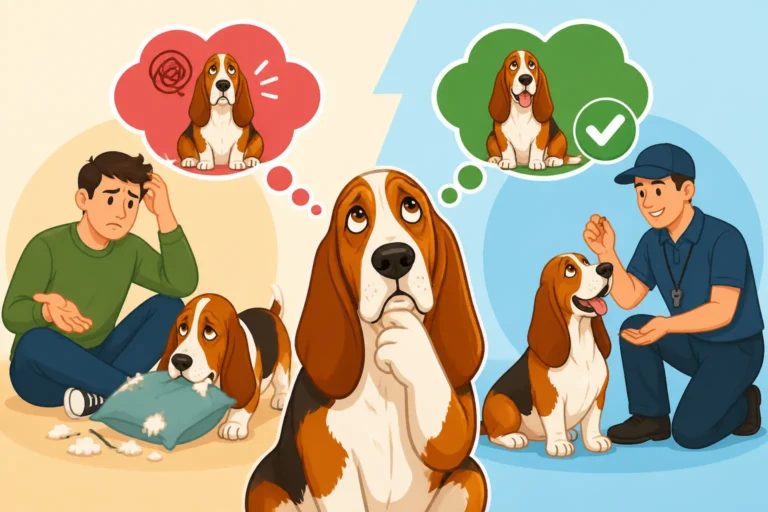
Beyond these basic medical necessities, you might also receive some informal behavioral notes. Foster parents often provide insights into a Basset Hound's personality, how they interact with other dogs, cats, or children, their house-training status, and any known quirks like Whether a Basset Hound Howls When Left or if they get nervous around loud noises. While not formal medical records, these observations are gold for helping your new Basset Hound settle into your home. The rescue might have information on specific health issues they treated, like an ear infection or skin irritation, and the medications administered during their stay. This will be the foundation upon which you build your comprehensive care plan.
Navigating the Information Gap: Your Role in Gathering Data
When you bring home a rescue Basset Hound, you're not just adopting a dog; you're becoming a detective of their past and the architect of their future. Because detailed historical records are often sparse, your proactive approach to gathering information and establishing new baselines is crucial for their long-term well-being.
Proactive Questions for the Rescue Organization
Don't be shy about asking questions! A good rescue organization will appreciate your thoroughness and willingness to learn. Before you finalize the adoption, make a list of questions to ask the foster parent or rescue coordinator. Think about what you need to know to properly care for your Basset Hound and prepare your home.
Here are some essential questions:
- Medical History (from rescue's care): What vaccinations has the dog received, and when? What deworming and parasite prevention has been given? Have they been spayed/neutered? Have they had any medical issues while in rescue care, even minor ones like skin rashes or stomach upset? What was the treatment? Was a microchip implanted, and is it registered?
- Known Health Concerns: Did the initial vet check reveal any ongoing issues, such as murmurs, dental disease, or joint stiffness that might indicate Arthritis in a Basset Hound at Seven? Have they had any blood work done?
- Diet and Eating Habits: What food are they currently eating (brand, type, frequency)? Do they have any known food sensitivities? Do they eat quickly or slowly? Do they guard their food? Whether a Basset Hound Bloats After Eating can be a concern, so understanding their eating habits is important.
- Behavioral Observations: How is their house training? Do they get along with other dogs or cats? How are they with children? Do they have any fears or anxieties (e.g., thunderstorms, separation anxiety)? Do they pull on the leash? Are they Whether a Basset Hound Is Loud? Do they show any signs of resource guarding?
- Daily Routine: What is their typical daily schedule for feeding, walks, and potty breaks? How much exercise do they seem to need or enjoy? How Many Miles a Basset Hound Can Walk can vary greatly depending on their age and health.
- Temperament: Are they shy or outgoing? Energetic or a couch potato? How do they react to strangers? Do they enjoy being handled, especially for ear cleaning or nail trims?
By asking these questions, you're not just getting information; you're demonstrating your commitment and building a relationship with the rescue, which can be a valuable resource even after adoption. Jot down everything you learn, creating your dog's first set of records.
The Importance of a "Pre-Adoption" Vet Visit
In some cases, if you're seriously considering a particular Basset Hound from a rescue, they might allow a "meet and greet" with your own veterinarian before adoption. This isn't always feasible, but if it is, take advantage of it. It's an opportunity for your vet to give the dog a once-over and offer a professional opinion on their general health before you commit.
More commonly, your first priority after adopting your Basset Hound should be to schedule a comprehensive vet visit within the first few days. Even if the rescue has provided some medical records, your vet needs to establish a baseline for your dog in your care. This initial examination is critical. Your vet will perform a thorough physical assessment, checking everything from their nose to their tail. They'll listen to their heart and lungs, check their teeth and gums, examine their skin and coat, and carefully inspect those long, floppy ears. This visit allows your vet to identify any immediate concerns and create a tailored preventative healthcare plan.
Your vet might recommend additional diagnostic tests, especially if the Basset Hound's past is unknown. This could include a full blood panel to check organ function and screen for common issues, a fecal test for parasites, and a urinalysis. Even without previous records, an experienced vet can often detect signs of past neglect or chronic conditions just through a physical exam and basic diagnostics. This initial visit also establishes you and your Basset Hound as clients, starting a new, comprehensive medical history from a trusted source.
Building a New Health History: Starting Fresh with Your Basset Hound
Welcoming a rescue Basset Hound often means you're writing their health story from a fresh page. While the lack of a detailed past can feel daunting, it’s also an opportunity to be incredibly thorough and proactive in establishing a robust health history moving forward. This is where you, as their dedicated owner, become their health advocate and record-keeper.
Establishing a Baseline with Your Vet
Your very first comprehensive vet visit with your new Basset Hound is paramount. Think of it as laying the groundwork for all future care. Your veterinarian will perform a thorough physical examination, looking for anything out of the ordinary. They'll check their eyes for signs of The Glaucoma a Basset Hound Inherits or Whether a Basset Hound Gets Cherry Eye, their ears for any discharge or odor indicating infection (a common Basset Hound woe, as detailed in How Often a Basset Hound's Ears Must Be Cleaned), and their mouth for dental disease, which is prevalent in many rescue dogs.
Beyond the physical exam, your vet will likely recommend a series of diagnostic tests to establish a baseline. This often includes:
- Complete Blood Count (CBC) and Chemistry Panel: These tests provide vital information about organ function, blood cell counts, and overall health. They can reveal underlying issues like anemia, kidney problems, or thyroid imbalances (like Whether a Basset Hound Gets Hypothyroidism).
- Fecal Examination: To check for intestinal parasites, which are common in rescue dogs, especially those from unknown backgrounds.
- Heartworm and Tick-Borne Disease Testing: Crucial for any dog whose prior preventative care status is unknown.
- Urinalysis: To assess kidney function and check for urinary tract infections or bladder stones.
- Dental Assessment: Many rescue Basset Hounds arrive with varying degrees of dental disease, which can impact overall health. Your vet might suggest a professional cleaning under anesthesia.
Discuss with your vet any specific concerns you have based on the information provided by the rescue or your own observations. For example, if the rescue mentioned a limp, you might discuss X-rays for potential Elbow Dysplasia in a Basset Hound or back issues like Intervertebral Disc Disease in a Basset Hound. This initial battery of tests, while an investment, gives you a clear picture of your Basset Hound's health status at the time of adoption, providing a crucial starting point for their new life.
The Value of Ongoing Observation and Documentation
Once you've established that baseline, your role shifts to ongoing observation and diligent documentation. You are now the primary source of information for your Basset Hound's health. Keep a journal or a digital file dedicated to their care. This should include:
- Daily Observations: Note changes in appetite, thirst, energy levels, urination, and defecation. Are they refusing to eat? Drinking excessively? Is their stool normal?
- Behavioral Changes: Any sudden shifts in temperament, new anxieties, or unusual behaviors should be documented. This can sometimes be an early sign of a medical issue.
- Medications and Supplements: Keep a precise record of all medications, dosages, and supplements your Basset Hound receives, including over-the-counter items like joint supplements (Whether a Basset Hound Needs Joint Supplements).
- Diet: Track the food brand, type, and any changes you make. Note any reactions to new foods or treats.
- Vet Visits: Document the date, reason for the visit, diagnosis, treatment, and any follow-up instructions.
- Weight: Weigh your Basset Hound regularly and record it. This helps monitor for What Extra Weight Does to a Basset Hound or unexplained weight loss.
This detailed record-keeping isn't just for your vet; it empowers you to notice patterns, communicate effectively with veterinary professionals, and advocate for your dog's health. If your Basset Hound starts shaking their head more, you can refer to your notes and see if it aligns with past ear issues or seasonal allergies. Over time, you'll build an invaluable, comprehensive health history that truly reflects your Basset Hound's unique journey with you.
Leveraging Technology and Support for Your Rescue Basset Hound
Even with limited historical records, the modern pet ownership landscape offers numerous tools and communities to support you and your rescue Basset Hound. From tracking devices to insurance, you're not alone in building a secure future for your new companion.
Microchips and Previous Owner Contact
As mentioned earlier, most reputable rescues will microchip your Basset Hound before adoption. This tiny device, implanted under the skin, is a lifesaver for reuniting lost pets with their families. When you register the microchip in your name, you become the official contact. While a microchip primarily serves as identification, it can sometimes offer a faint trail to a dog's past.
In rare instances, if the dog was previously registered and the original owner can be contacted (and is willing to cooperate), they might share some historical details or even medical records. However, this is far from guaranteed. Many owners who surrender or lose pets don't update their microchip information, or they simply don't have records to share. Furthermore, rescue organizations often have policies about contacting previous owners, respecting privacy, or if the dog was a stray, there might be no prior owner to find. The primary benefit of the microchip will be to keep your Basset Hound safe and traceable once they are officially yours. Ensure you always keep your contact information up-to-date with the microchip registry.
Pet Insurance and Wellness Plans
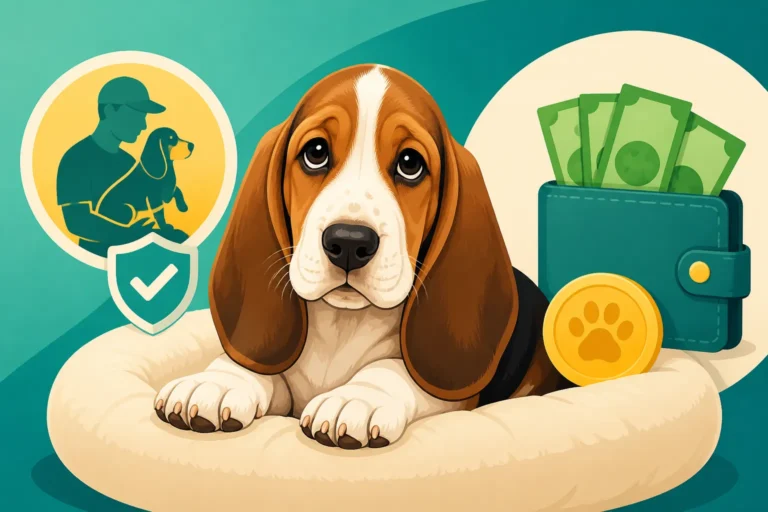
The unknown health history of a rescue Basset Hound can be a source of anxiety, particularly concerning potential future medical costs. This is where pet insurance can offer significant peace of mind. Investing in a good pet insurance policy, like those offered by Healthy Paws, early in your Basset Hound's adoption can help manage unexpected veterinary expenses. Without a complete history, it's harder to predict what pre-existing conditions might arise, but a policy started when the dog is healthy can cover a wide range of future accidents and illnesses. Be sure to research different providers and understand what they cover, especially concerning common Basset Hound ailments such as The Back Trouble a Basset Hound Is Built Into or chronic ear issues.
In addition to insurance, many veterinary clinics and third-party providers offer wellness plans. These plans typically cover routine preventative care, such as annual exams, vaccinations, and sometimes even dental cleanings, often at a discounted monthly rate. While they don't cover emergencies, they help you budget for the predictable aspects of your Basset Hound's health. Both pet insurance and wellness plans are proactive financial tools that support your commitment to your Basset Hound's well-being, especially when you're starting with a clean slate regarding their past medical care. What a Basset Hound Costs a Year to Keep can certainly add up, and these financial tools can help.
Online Resources and Community Support
You are not alone in your journey with a rescue Basset Hound! The internet is a vast resource for pet owners, offering communities and information that can fill in many of the gaps. Breed-specific online forums and social media groups dedicated to Basset Hounds are excellent places to connect with experienced owners. You can ask questions about common Basset Hound behaviors, health quirks, and seek advice from people who have navigated similar situations with their own rescue dogs. They might share tips on Teaching a Basset Hound to Have Its Ears Handled or recommendations for durable toys that can stand up to a Basset Hound's chewing.
For reliable products and information, sites like Chewy offer a wide array of vet-approved foods, supplements, and accessories tailored to specific breed needs. If your Basset Hound has specific dietary requirements, a fresh food delivery service like Ollie might be a good option, allowing you to control ingredients and ensure optimal nutrition, which is vital for starting a new dog off on the right foot. You can research different types of beds (What a Bed That Suits a Basset Hound Costs) or discuss training techniques for issues like separation anxiety. Always cross-reference information and consult your veterinarian for medical advice, but these communities can provide invaluable practical support and camaraderie.
Comparing Records: Breeder vs. Rescue
Understanding the difference in the type and depth of records you might receive between a reputable breeder and a rescue organization can help manage your expectations.
| Feature | Reputable Basset Hound Breeder (Ideal) | Basset Hound Rescue (Typical) |
|---|---|---|
| Parentage/Pedigree | Full multi-generational pedigree, health testing results for parents (e.g., hip/elbow scores, eye certifications), sometimes even temperament notes. | Often unknown, unless dog was surrendered with papers. More common to have no information. |
| Puppyhood Records | Detailed vaccination schedule, deworming history, vet checks from birth, growth charts, socialization notes. | Records begin at intake to rescue, cover initial vet visit, first vaccinations, deworming by rescue. Puppy history unknown. |
| Health Guarantee | Written contract outlining genetic health guarantees, usually for a specific timeframe. | Varies, but typically covers health for a short period post-adoption; rarely covers genetic predispositions due to unknown history. |
| Known Health Issues | Transparent disclosure of any minor issues (e.g., umbilical hernia) and proactive health screening. | Records of treatments received in rescue care (e.g., ear infections, dental extractions). Past issues often unknown. |
| Temperament/Behavior | Breeder can speak to early socialization, observed temperament traits, and parent's personalities. | Foster parents provide observations from the time the dog entered foster care. May not reflect past behaviors. |
| Diet History | Specific food fed, recommendations for transition. | Current food fed by rescue. Past diet unknown. |
| Spay/Neuter | Often requires a spay/neuter contract with an intact puppy, or puppy is already altered. | Dog usually altered before adoption, with proof of surgery provided. |
| Microchip | Often implanted and registered to breeder, then transferred to new owner. | Usually implanted and registered by rescue, then transferred to new owner. |
While the depth of information from a breeder is often more extensive and predictive due to controlled breeding and early life care, a rescue Basset Hound offers an immense amount of love and the opportunity to give a deserving dog a second chance. The lack of a detailed past simply means you get to write their best future.
When you bring home a rescue Basset Hound, it's true that you might not get a complete dossier of their life story. But what you do get is the immense satisfaction of providing a loving, stable home to a dog in need. By being proactive, asking detailed questions, establishing a solid medical baseline with your vet, and diligently documenting their new life, you're not just creating a health record – you're building a foundation of care, trust, and companionship that will last for all their wonderful years with you.
Disclaimer
This article is for general informational purposes only and does not constitute professional advice. Laws, prices and regulations vary by location and change over time. Consult a qualified professional for guidance on your specific situation.