What a Basset Hound’s Eye Pressure Check Costs
It’s a heart-stopping moment for any Basset Hound owner: you look into those soulful, droopy eyes and notice something isn't quite right. Maybe there's a cloudiness you hadn't seen before, or perhaps your usually calm companion is rubbing their face more often, or one eye just looks… different. The worry immediately sets in, and with that worry comes the inevitable question of what’s going on and what it might cost to find out. This guide is here to walk you through why an eye pressure check might be needed for your beloved Basset, what the process involves, and what you can expect in terms of expenses, helping you navigate these anxious times with a little more clarity.
Why a Basset Hound Needs an Eye Pressure Check
Basset Hounds, with their distinctive deep-set eyes and loose skin, are unfortunately predisposed to certain eye conditions. One of the most concerning of these is glaucoma, a condition where pressure builds up within the eye, leading to pain and, if untreated, irreversible vision loss. It’s not just a concern for older dogs; it can strike at various ages, and understanding the risks and signs is paramount for every Basset parent.
Recognizing the Signs of Eye Trouble in Your Basset Hound
Our Bassets are pretty stoic, aren't they? They often hide discomfort until a condition is quite advanced, which makes spotting early signs of eye trouble a real challenge. You might first notice subtle changes: perhaps one eye appears a little redder than usual, or seems slightly cloudy. Your Basset might start blinking more, or pawing at their face. Sometimes, the whites of their eyes might become more visible, or the pupil of one eye might appear dilated and unresponsive to light. The First Signs of Glaucoma in a Basset Hound often aren't dramatic, but rather a slow, creeping change that can be easy to miss in those deep-set eyes.
It's not always about pain, at least not initially. Sometimes it’s just a change in appearance or behavior. Maybe they're bumping into furniture more on one side, or they're reluctant to go into dimly lit rooms. Any change in your Basset's eyes, or their behavior related to their vision, warrants a call to your veterinarian. Don't wait for them to cry out in pain; by then, the condition could be far more advanced and harder to treat. Trust your gut if something seems off with those beautiful, expressive eyes.
Basset Hounds and the Risk of Glaucoma
It's a tough truth, but our Bassets are genetically wired to be at a higher risk for certain types of glaucoma. Specifically, primary open-angle glaucoma is a condition that can be inherited, meaning it's not caused by another underlying disease but rather by the eye's drainage system not working correctly from the start. This can lead to a slow, insidious build-up of pressure. The Glaucoma a Basset Hound Inherits is a serious concern, and because it's hereditary, responsible breeders will screen for it.
Understanding this breed-specific risk is vital. Even if your Basset shows no immediate symptoms, regular check-ups that include an eye examination can be beneficial, especially as they age. The Age Glaucoma Shows in a Basset Hound can vary, but staying proactive is key. If you've just brought home a puppy, discussing family history of eye conditions with your breeder is incredibly important. Knowing your dog's predisposition allows you and your vet to be vigilant, intervening early if necessary, which can make a world of difference in preserving their vision and comfort.
The Process of an Eye Pressure Check
So, you've noticed something, or perhaps your vet recommended a routine check because of your Basset's breed. What actually happens during an eye pressure check? It sounds intimidating, but for your dog, it's usually a quick and relatively painless procedure. It involves a specialized tool to measure the intraocular pressure (IOP) within their eyes, much like how a human eye doctor checks for glaucoma.
What to Expect During the Examination
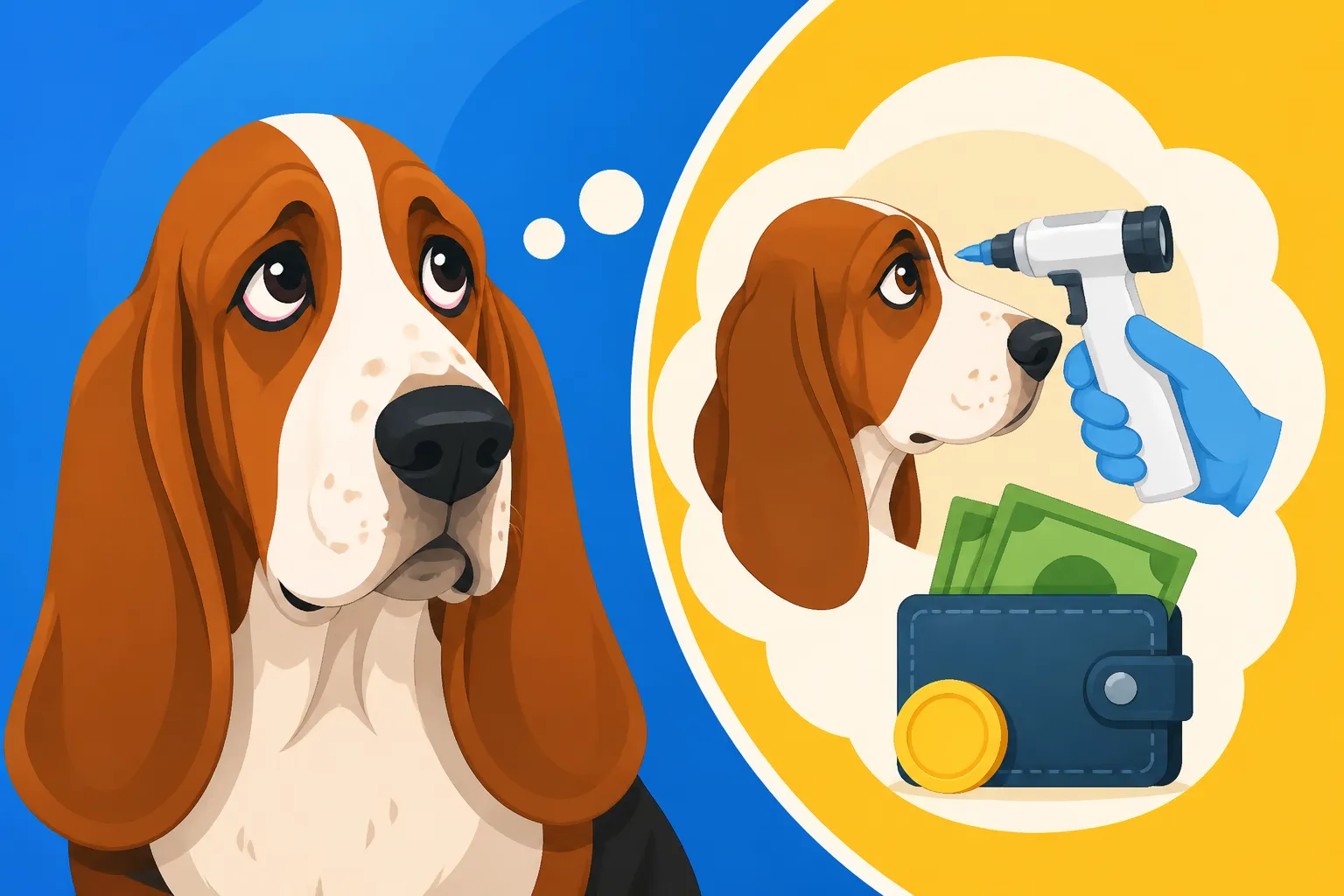
When you bring your Basset in for an eye pressure check, your vet will typically start with a thorough general eye exam. They'll look at the eyelids, conjunctiva, cornea, and overall structure of the eye. Then, for the pressure check itself, a topical anesthetic drop might be applied to the eye surface. This isn't to prevent pain, but rather to numb the cornea so your Basset doesn't feel the very light touch of the tonometry probe. Most Bassets tolerate this remarkably well, especially with a calm handler and some gentle reassurance.
The actual measurement only takes a few seconds per eye. Your vet or vet tech will gently hold your Basset's head still, usually with them in a standing or sitting position, and lightly tap a small probe against the surface of the eye. There’s no sharp pain involved, more like a tiny, soft tap. You'll hear a little beep or see a reading on the device. Several readings are usually taken from each eye to ensure accuracy, and these are then averaged. The whole process is much faster and less stressful than many owners anticipate, often over in just a couple of minutes.
The Different Types of Tonometry Used
When it comes to measuring eye pressure, veterinarians primarily use a device called a tonometer. There are a couple of common types you might encounter. The most widely used is the rebound tonometer, often referred to by a common brand name like TonoPen or iCare. This device works by rapidly and gently tapping a small, lightweight probe against the cornea and then measuring the rebound. It's incredibly quick, quiet, and typically doesn't require any restraint beyond holding your dog still.
Another type is the applanation tonometer, which requires the probe to flatten a small area of the cornea and then measures the force required. While still effective, rebound tonometers tend to be favored in general practice due to their ease of use and minimal invasiveness, making the experience less stressful for both the Basset and the vet. Regardless of the specific device, the goal is the same: to get an accurate reading of the intraocular pressure, which is crucial for diagnosing conditions like glaucoma and monitoring treatment effectiveness. Whether a Basset Hound Can Be Tested for Glaucoma is a definite yes, and these tools make it possible.
Understanding the Cost of an Eye Pressure Check
Now, let's talk about the dreaded dollar signs. The cost of veterinary care is a major concern for many Basset Hound owners, and an eye pressure check is no exception. It's not usually a standalone fee; it's often part of a broader consultation or diagnostic process. While I can't give you exact figures, I can certainly break down what contributes to the overall expense, so you're not blindsided when you receive the bill.
Factors Influencing the Price Tag
The cost of a Basset Hound's eye pressure check can vary quite a bit depending on several key factors. First and foremost is your location. Veterinary costs tend to be higher in urban areas compared to rural ones, simply due to overheads. The type of veterinary clinic also plays a role – a general practice vet might charge differently than a board-certified veterinary ophthalmologist, though for an initial screening, a general practice is usually sufficient. If you are referred to a specialist, expect a higher consultation fee, as their expertise is more specialized.
Another factor is whether the eye pressure check is part of a routine wellness exam or if it's an emergency visit for a suspected problem. Emergency fees are almost always higher. The complexity of the case can also influence costs; if the vet suspects a more serious issue, they might recommend additional diagnostics during the same visit, such as staining the eye to check for corneal ulcers, or performing a Schirmer tear test to assess tear production. These add to the total.
Here's a quick look at common components that build up the total cost:
| Component | Description | Impact on Cost |
|---|---|---|
| Veterinary Exam Fee | Standard consultation fee for the vet's time and expertise. | Usually the largest fixed cost. |
| Eye Pressure Check Fee | Fee specifically for using the tonometer. | Separate, but often included in 'diagnostic' fees. |
| Topical Anesthetic | Cost of the eye drops used to numb the cornea. | Minor, often included in the procedure. |
| Additional Diagnostics | e.g., fluorescein stain, Schirmer tear test, blood work. | Adds significantly, but often necessary. |
| Medication (if needed) | e.g., eye drops to lower pressure, antibiotics. | Variable, depends on diagnosis. |
| Specialist Referral | If a veterinary ophthalmologist is consulted. | Higher initial consultation, specialized tests. |
Remember, these are usually itemized on your bill, so don't hesitate to ask your vet for a detailed breakdown if you're unsure.
Beyond the Initial Check: Potential Further Costs
An eye pressure check is often just the first step. If the pressure is found to be high, indicating glaucoma, or if other issues are detected, then the financial implications can grow considerably. Your vet might prescribe eye drops to lower the pressure, which could be a lifelong treatment. Whether Eye Drops Control a Basset Hound's Glaucoma is a critical question, and if they don't, surgery might be on the table.
Glaucoma treatment is complex and can involve different types of eye drops, oral medications, or even advanced surgical procedures such as laser cyclophotocoagulation or even enucleation (eye removal) if the eye is blind and painful. What Glaucoma Surgery Costs a Basset Hound Owner can be substantial, and these ongoing or one-time procedures can add up quickly. It's a journey, and the initial eye pressure check is simply the diagnostic gateway. Being prepared for potential follow-up costs, emotionally and financially, is part of being a responsible Basset owner.
Managing Eye Health Costs for Your Basset Hound
The thought of escalating vet bills, especially for something as serious as eye health, can be overwhelming. But there are proactive steps you can take to help manage these expenses and ensure your Basset Hound gets the care they need without completely breaking the bank.
The Role of Pet Insurance in Eye Care
This is where pet insurance really shines, especially for a breed like the Basset Hound with known predispositions to certain conditions. A good pet insurance policy can cover a significant portion of diagnostic tests, treatments, and even surgeries related to eye conditions like glaucoma. Imagine the relief of knowing that if your Basset needs multiple eye pressure checks, specialized drops, or even surgery, a large percentage of those costs could be reimbursed. What Insuring a Basset Hound Runs Monthly is an upfront cost, but it can be a lifesaver in the long run.
Companies like Healthy Paws are well-regarded for their comprehensive coverage, often covering accidents, illnesses, emergencies, and even hereditary conditions (after waiting periods). It's crucial to enroll your Basset when they are young and healthy, before any symptoms of eye conditions appear, as pre-existing conditions are typically not covered. Take the time to compare policies, understand deductibles, reimbursement percentages, and annual limits. Look specifically at whether conditions like glaucoma are covered. Investing in pet insurance is often one of the smartest financial decisions you can make for your Basset's long-term health.
Budgeting for Your Basset Hound's Veterinary Needs
Even with insurance, or if you choose not to go the insurance route, having a dedicated fund for veterinary care is crucial. Setting aside a small amount each month into a "Basset Fund" can help cover routine check-ups, unexpected visits, and those initial costs before an insurance deductible is met. It’s a bit like a rainy-day fund, but for those floppy-eared family members.
Beyond direct veterinary costs, think about preventative measures. Good nutrition is foundational for overall health, including eye health. Brands like Ollie, which offer fresh, high-quality dog food, can contribute to your Basset's well-being, potentially reducing the frequency of illness. Regular exercise, appropriate for a Basset's unique build, and maintaining a healthy weight are also critical. What Feeding a Basset Hound to the Right Weight Costs is an important consideration for their overall health, including joints and eyes.
You might also consider where you source your general pet supplies. Retailers like Chewy offer a wide range of products, from prescription diets to specific cleaning supplies for those adorable Basset folds, often at competitive prices. Every little bit of thoughtful spending can contribute to managing your overall pet care budget. Ultimately, being proactive about your Basset’s health, from diet to regular vet visits, is the best way to safeguard both their well-being and your wallet. What a Basset Hound's Eye Care Costs can be significant, but preventative care and a solid financial plan can ease the burden.
Disclaimer
This article is for general informational purposes only and does not constitute professional advice. Laws, prices and regulations vary by location and change over time. Consult a qualified professional for guidance on your specific situation.