A Basset Hound in a House With Children
Bringing a Basset Hound into a home with children can feel like a big step, especially when you're trying to imagine how those long ears and deep bays will fit into the daily chaos of family life. Many families worry about finding a dog that is both patient and playful, without being overly boisterous or easily stressed by the unpredictable energy kids bring. This guide will walk you through everything you need to know to create a harmonious home where your Basset Hound and your children can thrive together, from understanding their unique temperament to practical tips for training and managing daily interactions.
Understanding the Basset Hound Temperament with Kids
One of the most common questions I get from families considering a Basset Hound is, "Are they really good with kids?" It's a valid concern, because while they have a reputation for being laid-back, every dog is an individual. Getting a handle on their general nature can set you up for success.
The Basset Hound's Gentle Nature
Basset Hounds are often described as exceptionally gentle dogs, and for good reason. They carry themselves with a calm, almost stoic demeanor, rarely displaying aggression. This inherent gentleness makes them generally suitable companions for children. They're not usually prone to sharp nips or excessive rambunctiousness that could accidentally knock a child over. Instead, they often prefer to observe the bustling activity from a comfortable spot, perhaps with one eye lazily open.
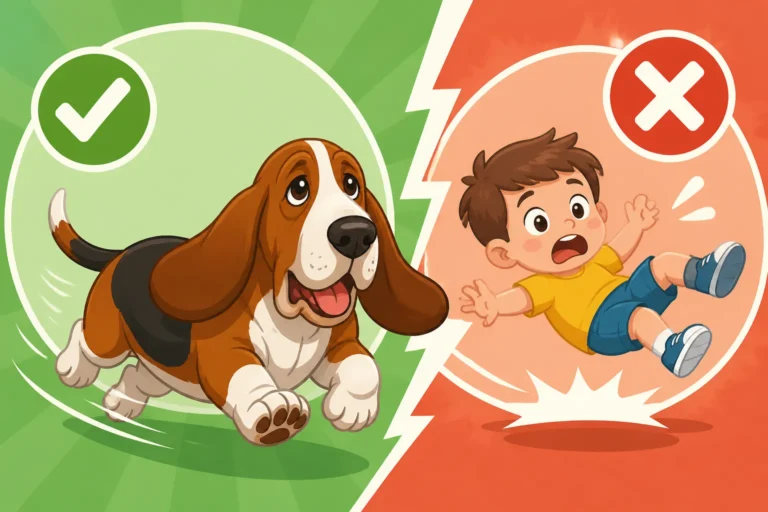
Their low center of gravity and sturdy build also contribute to their gentle interactions. They aren't prone to leaping and bounding like some higher-energy breeds, which reduces the risk of accidental bumps or tumbles with little ones. This can be a huge relief for parents of toddlers, who might be wary of a dog that's constantly underfoot or overly exuberant. They're more likely to offer a slow, deliberate tail wag or a soft nudge with their large heads than to jump excitedly.
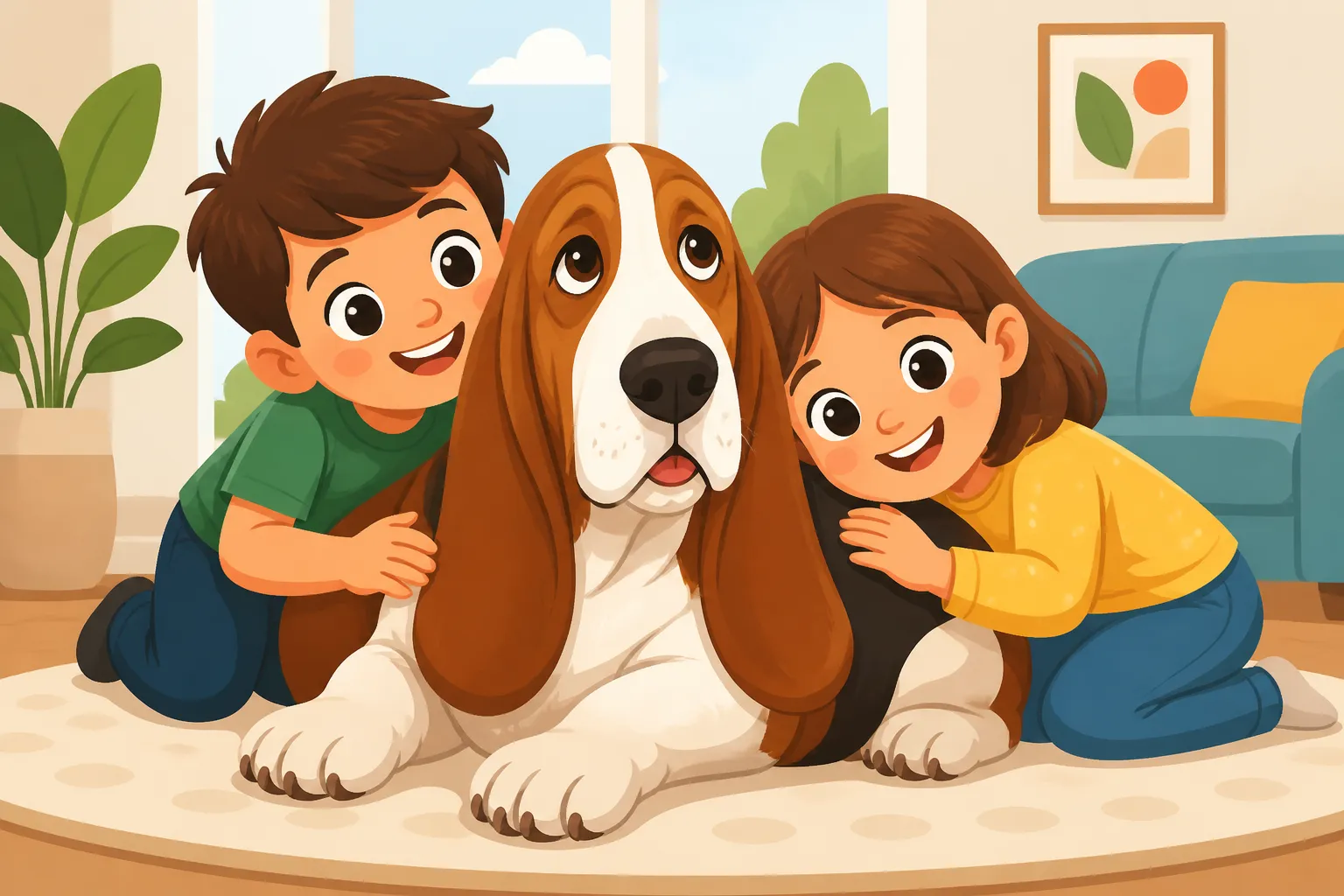
Furthermore, Basset Hounds tend to be quite tolerant of the unexpected pokes, prods, and curious investigations that children, especially younger ones, might offer. While no dog should ever be subjected to rough handling, a Basset is less likely to react sharply to an accidental ear tug or a sudden hug than a more sensitive or high-strung breed. They often just sigh deeply and shift positions, which is why they've earned their reputation as patient, almost unflappable family members.
Patience and Tolerance: Basset Hound Superpowers
If there's one superpower a Basset Hound possesses in a family home, it's their incredible patience. They seem to have an endless well of it, which is crucial when living with children. Kids, bless their hearts, are not always graceful or predictable. They might drop toys on the dog, make sudden loud noises, or simply want to cuddle at an inconvenient moment. A Basset Hound typically takes all of this in stride.
Their tolerance extends to various levels of noise and activity. While a sudden loud bang might startle any dog, a Basset is less likely to become anxious or agitated by the general hubbub of a busy household. They've been known to sleep through playtime, homework sessions, and even mild squabbles, often just lifting an eyebrow or letting out a characteristic "woof" before settling back into their slumber. This calm disposition helps keep the overall energy in the home stable, even when the kids are bouncing off the walls.
This patience also makes them excellent partners for quiet activities. A Basset Hound is perfectly content to lay at a child's feet while they read a book, watch a movie, or draw. They're natural snugglers, and their warm, soft bodies make them inviting companions for a child seeking comfort. They seem to understand the delicate balance between active play and calm companionship, adapting beautifully to the mood of the household. This is a huge bonus for families who want a dog that can truly integrate into all aspects of their lives, providing a comforting presence through thick and thin. Whether a Basset Hound Is Gentle With Toddlers is a common question, and their patient nature is a big part of the answer.
Potential Basset Hound Quirks to Consider
While Bassets are generally wonderful with children, it's important to be realistic about some of their breed-specific quirks that might need managing. Their powerful sense of smell, for instance, can lead them to follow their nose anywhere, sometimes right through a child's carefully constructed block tower or art project. They aren't being malicious; they simply have a mission, and a fascinating scent takes precedence. This means anything interesting on the floor, like a dropped snack or a small toy, might become a target.
Another quirk is their independent streak, often mistaken for stubbornness. When a Basset Hound decides it's had enough, or if a more exciting scent beckons, they can be surprisingly difficult to redirect. This isn't usually an issue of aggression, but rather a lack of interest in following commands when something more compelling is afoot. This can be frustrating for children (and adults!) who want their dog to play on command or move out of the way. You might find yourself gently nudging them rather than relying on a verbal command alone. This trait is often seen when you're trying to get them to walk when they don't want to, as detailed in The Basset Hound That Will Not Walk Any Further.
Their bay is another characteristic that needs consideration. Basset Hounds are vocal dogs, and their deep, resonant bay can be quite startling to young children or disruptive in a quiet household. While they don't typically bark excessively, that bay can be triggered by new sights, sounds, or, most commonly, an intriguing scent. Teaching a "quiet" cue early on is vital, but managing the volume of a Basset is an ongoing effort. It's a sound that carries, so if you live in close proximity to neighbors, it's something to be aware of.
Preparing Your Home for a Basset Hound and Children
Bringing any new dog into a family home requires preparation, and a Basset Hound is no exception. Thinking ahead about how to set up your space can prevent many common issues and create a safer, happier environment for both your dog and your kids.
Creating Safe Spaces for Everyone
Establishing clear "safe spaces" is paramount for both your Basset Hound and your children. For your Basset, this might be a crate or a designated dog bed in a quiet corner of the house where they can retreat when they need peace and quiet. This is especially important in a busy household with energetic children, as it gives the dog a sanctuary where they know they won't be disturbed. Teach your children that when the dog is in its bed or crate, it's off-limits – a non-negotiable rule. Brands like BAXTER & Bella offer excellent online resources that emphasize teaching children to respect a dog's personal space, which is invaluable.
Conversely, children also need their own safe spaces where they can play with their toys without fear of a curious Basset Hound "sampling" them. Baby gates can be your best friend here. Use them to block off areas where children's delicate toys are kept, or to create a "no-dog zone" in a play area. This prevents frustration for the children and protects your Basset from ingesting something they shouldn't. It's about setting boundaries that everyone can understand and respect, promoting a feeling of security for all members of the family.
Beyond physical spaces, establishing routines also contributes to a sense of safety and predictability. Consistent feeding times, walk schedules, and designated playtimes help your Basset Hound understand the rhythm of the household. When a dog knows what to expect, they are generally less anxious and more relaxed, making them better equipped to handle the spontaneity of children. A predictable routine also helps children learn when it's appropriate to engage with the dog and when the dog needs its alone time.
Essential Gear for a Kid-Friendly Basset Hound Home
Outfitting your home with the right gear can make living with a Basset Hound and children much smoother. A sturdy crate, sized appropriately for your Basset, is a must-have. It serves as that safe den we just talked about, a place for quiet time, and an aid for house-training. Look for durable, well-ventilated options that will last for years. You can often find a good selection on platforms like Amazon, offering various sizes and styles to fit your home and your dog's needs.
Beyond the crate, think about feeding solutions. Basset Hounds, with their long ears, often drag them through their food and water bowls. This isn't just messy; it can lead to ear infections if the ears are constantly damp. Elevated bowls can help, but a more common and effective solution is a snood. A snood is a fabric tube that you slip over your Basset's head, holding their ears back while they eat or drink. It's a simple, brilliant invention that saves you a lot of clean-up and helps keep those precious ears dry. Whether a Basset Hound Needs a Snood at Dinner is a question many new owners ponder, and the answer is usually a resounding "yes" if you want to keep things tidy and healthy.
Lastly, durable, safe toys are essential. Choose toys that are too large for your Basset to swallow and made from non-toxic materials. Since Bassets are strong chewers, you’ll want toys that can withstand some serious gnawing. Having a designated toy basket for the dog, separate from the children's toys, helps prevent confusion and potential resource guarding issues. Rotating toys can also keep your Basset engaged and less likely to seek out a child's toy for entertainment.
Childproofing from a Basset Hound's Perspective
When you childproof your home, you're usually thinking about small hands. But when you get a Basset Hound, you need to consider a super-powered nose and a low-slung body. Anything at ground level is fair game for a Basset, and with their powerful jaws and sometimes indiscriminate tastes, items that are harmless to children can be dangerous for a dog. This includes small toys, crayons, craft supplies, and even fallen food crumbs. Get down on your hands and knees and look at your house from a Basset's eye level – you'll be amazed at what you find.
Secure cabinets and drawers with childproof latches, especially those containing cleaning supplies, medications, or human food. Basset Hounds are clever and persistent when it comes to food, and they won't hesitate to "break in" if they smell something delicious. Move breakable or valuable items off low shelves and coffee tables. Remember, their long tails can clear a table in a single enthusiastic wag, so consider what's within tail-swath range.
Another crucial aspect of Basset-proofing is managing access to certain rooms. As mentioned before, baby gates are invaluable. They can prevent your Basset from getting into areas where children might leave small, ingestible items, or simply give your dog a break from constant supervision. Think about entryways, playrooms, or even the kitchen if your Basset is a counter-surfer (or rather, a low-counter-surfer). Being proactive about containment and security will protect both your dog and your children from potential accidents and frustrations.
Introducing Your Basset Hound to Children (and Vice Versa)
The initial introductions and ongoing management of interactions between your Basset Hound and your children are critical for building a positive, respectful relationship. It's not just about the dog accepting the kids, but also about the kids learning how to interact appropriately with their new canine family member.
Controlled First Meetings
When it's time for the first meeting, whether you're bringing a new puppy or an adult rescue home, control is key. Over-excitement from either side can lead to unintended consequences. For a puppy, allow the children to meet the Basset on neutral ground, perhaps in a quiet room, one child at a time, or in a very calm group if they're older. Keep the initial interactions short and positive. Have treats ready and reward gentle behavior from both the children and the dog. The First Year With a Basset Hound Puppy will be full of these introductions and learning moments.
For an adult Basset Hound, especially a rescue, follow a similar calm approach. Allow the dog to settle into your home for a day or two before introducing children. When they do meet, keep your Basset on a leash (a simple house line is fine) to gently guide interactions and prevent over-excitement or fear. Encourage children to offer a treat with an open, flat hand, and teach them to stroke the dog gently on the side of its body, avoiding the top of the head or pulling on those long ears. Always focus on positive reinforcement.
The goal of these first meetings is to create positive associations. You want your Basset Hound to view children as sources of good things (treats, gentle pets, calm attention) and children to see the dog as a gentle, approachable friend. Never force an interaction. If either the dog or the child seems uncomfortable, give them space and try again later, perhaps with even more distance or shorter duration. Slow and steady wins the race when building trust between a dog and kids.
Supervising Interactions for Success
Supervision isn't just for the first few days; it's an ongoing commitment, especially with Basset Hounds and children. Even the most tolerant Basset can have its limits, and children, particularly young ones, don't always understand dog body language. Always have an adult present when children are interacting with your Basset Hound, especially when they are playing. This allows you to intervene immediately if interactions become too boisterous, if the dog shows signs of discomfort, or if a child is being too rough.
Teach children to recognize when your Basset needs space. A dog turning its head away, yawning, licking its lips, or even just leaving the room are all signs that it's feeling uncomfortable and needs a break. Learning to read these subtle cues is invaluable. You might explain it as "the dog is saying 'I need a little quiet time now.'" Having a designated dog bed or crate that children know is off-limits helps reinforce this. You’re essentially teaching mutual respect.
Supervision also extends to resource guarding, which can be a concern with any breed, including Basset Hounds. This means ensuring that your Basset feels secure around its food bowl, favorite toys, and resting places. Never allow children to disturb a Basset while it's eating or sleeping. This is a non-negotiable rule. If you see signs of resource guarding, like growling or stiffening around food or toys, seek professional help immediately. Preventing these issues through consistent, supervised interactions is always the best approach. Whether a Basset Hound Guards Its Food is a key point to understand for safe interactions.
Teaching Children to Respect Their Basset Hound
It's not just about training the dog; it's equally, if not more, important to teach your children how to behave around their Basset Hound. Start early and be consistent. Teach them that dogs are living creatures with feelings, not toys. Explain that pulling ears, riding on their back, or startling them can hurt or scare the dog. Many resources, including online platforms like BAXTER & Bella, offer excellent guides and videos specifically for teaching kids about dog etiquette.
A critical lesson is gentle touch. Demonstrate how to pet a dog kindly, using soft strokes on their body rather than rough pats on the head. Practice "gentle hands" games, rewarding children when they interact calmly. Explain that the Basset's long, delicate ears are sensitive, and should be treated with extreme care. Teaching a Basset Hound to Have Its Ears Handled is a critical training step, and involving the children in this process, under supervision, can be beneficial.
Another important rule: "Leave the dog alone when it's eating or sleeping." This simple boundary can prevent countless issues related to resource guarding or startling a sleeping dog, which can lead to defensive snaps even from the gentlest Basset. Also, teach children to never take things directly from the Basset's mouth. If the dog has something it shouldn't, teach the "trade-up" method: offer a high-value treat in exchange for the item. Consistent reinforcement of these rules creates a safer, more respectful environment for everyone.
Training Your Basset Hound for a Harmonious Household
Training is fundamental to ensuring your Basset Hound is a well-behaved and safe member of your family, especially when children are involved. Bassets have a reputation for being a bit stubborn, but with the right approach, they are absolutely trainable.
Foundation Training for Family Life
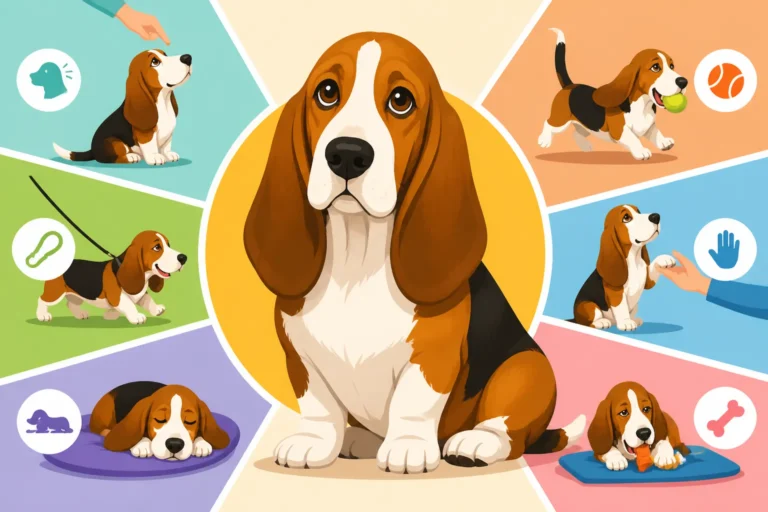
Start with the basics: sit, stay, come, and leave it. These commands are not just about obedience; they're about safety and communication. "Sit" and "stay" can be invaluable when greeting guests, managing excited children, or preventing your Basset from rushing out an open door. "Come" is critical, though remember that a Basset's recall can be notoriously unreliable outdoors once a scent is caught – The Recall a Basset Hound Will Never Reliably Give You is a classic Basset truism, so always use a leash or long line when outside.
The "leave it" command is perhaps one of the most important for a household with children. It teaches your Basset to ignore tempting items on the floor – whether it's a dropped cookie, a child's toy, or something potentially dangerous. Practice this extensively, rewarding generously with high-value treats when your Basset successfully disengages. This command can prevent accidental ingestion of small objects and reduces the likelihood of arguments over dropped food. Consider using online training programs, such as those offered by BAXTER & Bella, which provide structured lessons for these essential commands, often with video demonstrations that are easy to follow.
Remember that Basset Hounds are often highly food-motivated, which can be a huge asset in training. Use this to your advantage! Keep training sessions short, fun, and positive to hold their attention. Consistency from all family members, including older children, is also key. Everyone should use the same cues and reward system to avoid confusing your Basset. This collaborative approach not only trains the dog but also teaches children responsibility and patience. What Actually Motivates a Basset Hound often boils down to a tasty treat, so stock up!
Addressing Common Basset Hound Behaviors Around Kids
Basset Hounds, like all dogs, can exhibit behaviors that need careful management, especially around children. Their tendency to put their nose to the ground means they might track interesting scents right through a child's play area or outdoor game. Teach children not to leave food or small, tempting items within reach. If your Basset is overly focused on sniffing out crumbs, consider scatter feeding their meals in a designated, supervised area or using puzzle feeders to engage their nose in a constructive way.
Their deep bay, while characteristic, can be startling. Teach a "quiet" command early on, associating it with a calm presence and rewarding silence. You might find that your Basset bays less when adequately exercised (a good walk can often tire them out physically and mentally) and when their mind is stimulated with scent work or interactive toys. If the bay becomes excessive, especially when left alone, it could indicate separation anxiety, which should be addressed with professional guidance.
Another behavior to manage is their sometimes clumsy nature. Basset Hounds aren't exactly known for their agility, and their long bodies and short legs can sometimes lead to accidental bumps or trips, especially with small children. Teach children to move slowly and deliberately around the dog. Providing plenty of soft, comfortable dog beds on the floor, like those found on Amazon, can encourage your Basset to settle in designated spots rather than being constantly underfoot. This awareness from both dog and child helps prevent unintentional collisions.
Enrichment Activities to Prevent Boredom
A bored Basset Hound is more likely to develop undesirable behaviors, which can impact household harmony, especially with children. Engaging their powerful nose is the best way to prevent boredom. Scent work games, where you hide treats around the house for them to find, are fantastic. Snuffle mats and puzzle toys also provide mental stimulation and keep them occupied, diverting their attention from potentially bothering children or getting into mischief.
Regular, moderate exercise is also important. While Bassets aren't built for marathons, they still need daily walks to stay healthy and happy. Short, consistent walks (even 20-30 minutes twice a day) are usually sufficient. Involving older children in these walks, perhaps by letting them hold the leash (under adult supervision), can be a great way to bond and instill responsibility. Just remember to use a harness designed for their unique body shape to protect their necks and backs.
Finally, consistent, positive interaction with the family is the best enrichment of all. Basset Hounds thrive on companionship. Include them in family activities when appropriate, like relaxing on the couch during movie night or sitting nearby during playtime. These shared moments reinforce their place in the family and build strong, loving bonds with both adults and children. Remember, a well-stimulated Basset is a happy Basset, and a happy Basset is a better family companion. Whether a Basset Hound Needs Any Real Exercise is a question with a nuanced answer – they don't need intense exercise, but they do need consistent engagement.
Managing Mealtime and Resource Guarding
Mealtime can be a flashpoint in any multi-species household, and when children are involved, special care must be taken to prevent issues like resource guarding or accidental ingestion of forbidden foods. A proactive approach is always best.
Preventing Food-Related Issues
Basset Hounds are notoriously food-motivated, and this means they will often go to great lengths to acquire food. This can become problematic if children are prone to dropping snacks or leaving plates within reach. Establishing clear rules around food is crucial. Children should be taught never to feed the Basset from the table or their plates, and to clean up any dropped food immediately. This helps prevent begging and reduces the Basset's expectation of getting human food.
Feed your Basset Hound in a quiet, designated area where they won't be disturbed by children. This could be their crate, a separate room, or a specific spot in the kitchen. This teaches them that mealtime is a peaceful, predictable event. Always ensure children understand that approaching a dog while it's eating is a strict no-go. This simple rule dramatically reduces the risk of resource guarding incidents.
Consider using a slow-feeder bowl if your Basset tends to gobble down their food. This not only aids digestion but also prolongs mealtime, providing a bit more mental engagement. If your Basset has incredibly long ears that get in the way, remember the snood to keep them clean and dry. These practical steps combine to create a calmer, safer mealtime routine for everyone involved. Whether a Basset Hound's Ears Drag Through Its Food is a common challenge that snoods readily address.
Teaching Sharing and Boundaries Around Toys
While Bassets aren't typically known for aggressive resource guarding, it's wise to teach good habits around toys from the start. Encourage children to respect the Basset's toys, understanding that these are the dog's personal property. Likewise, teach your Basset to respect the children's toys. This can be achieved through consistent training with the "leave it" command and by providing plenty of their own appropriate toys.
Engage in "trade-up" games. If your Basset has a toy that a child wants, or an item it shouldn't have, teach your children (and practice yourself) to offer a higher-value treat in exchange for the item. This teaches the dog that giving things up results in something even better, preventing them from feeling the need to guard. Make it a positive, rewarding experience. This gentle approach builds trust rather than creating conflict.
Supervision is key during playtime with toys, especially if children are sharing toys with the dog. Make sure the toys are dog-appropriate and that interactions remain calm and positive. If you notice any tension or possessiveness from your Basset over a particular toy, put that toy away when children are around and consult with a professional trainer for guidance. It's always better to address potential issues early rather than letting them escalate.
Managing Treats and Scavenging Behavior
Treats are an important part of training, but they need to be managed carefully in a household with children. Teach children how to offer treats safely: with an open, flat hand, gently extending it to the dog. This prevents accidental nips and encourages soft mouths from the Basset. Supervise treat distribution, especially with younger children, to ensure the Basset isn't overwhelmed or snatching treats too quickly.
Basset Hounds are natural scavengers. Their powerful noses mean they will actively search for any dropped crumbs or forgotten snacks. This can be a concern with children, who might leave food behind unknowingly. Reinforce the "leave it" command constantly. Teach children to be meticulous about cleaning up after themselves, especially after meals or snacks. Even a small dropped grape or chocolate chip can be toxic to a dog.
Using designated treat-dispensing toys can be a great way to give your Basset treats in a controlled manner, providing mental stimulation without the potential for conflict over dropped items. Always ensure that any treats given are dog-safe and appropriate for your Basset's diet. Managing treats and preventing scavenging is an ongoing effort that requires consistency from every family member to ensure a safe and harmonious environment.
Health and Safety Considerations with Children
When you have both Basset Hounds and children under one roof, understanding the health and safety aspects of their coexistence is paramount. Both sides need to be protected from potential harm, and a lot of that comes down to recognizing signals and preventing accidents.
Recognizing Stress Signals in Your Basset Hound
Even the most patient Basset Hound can become stressed or overwhelmed in a busy household, and it's vital for adults (and older children) to recognize these subtle signals. A Basset might not growl or snap immediately; instead, they might display more subtle signs like lip licking, yawning (when not tired), turning their head away, avoiding eye contact, or even freezing in place. They might also try to retreat to their safe space. These are all indicators that your Basset is feeling uncomfortable and needs space.
Teaching children about these signals, perhaps by describing them as "dog language" or "the dog asking for a break," empowers them to be part of the solution rather than contributing to the problem. If you observe any of these signs, immediately remove the child from the interaction or guide your Basset to its quiet retreat. Never punish your dog for showing stress signals; they are communicating their feelings. Ignoring or punishing these early warnings can lead to more severe reactions later on.
Persistent stress can lead to health issues or changes in temperament. If your Basset Hound is consistently showing signs of stress around children, despite your best efforts, it's crucial to seek guidance from a certified professional dog trainer or veterinary behaviorist. They can help identify the root cause of the stress and develop a tailored plan to improve your Basset's comfort level and ensure the safety of everyone in the home. Whether a Basset Hound Snaps When Sore is a particularly important point – a dog in pain will have a much lower tolerance for interaction.
Preventing Accidents and Injuries
The unique physical characteristics of a Basset Hound mean you need to take specific precautions to prevent accidents and injuries. Their long backs and short legs make them prone to spinal issues, such as Intervertebral Disc Disease (IVDD). This means that jumping on and off furniture, or going up and down stairs frequently, can be risky. Teach children that the Basset is not a toy to be picked up or carried, and provide ramps or steps for furniture if your Basset insists on joining you. Whether a Basset Hound Should Jump Off Furniture is a definite no, and it's a rule children need to understand.
Bassets are also prone to ear infections due to their long, pendulous ears. Children need to understand that these ears are delicate and should never be pulled or handled roughly. Regular ear cleaning is essential, and involving older children in this process (under supervision) can teach responsibility while also making the dog more accustomed to handling. The Ear Infections That Never Really Leave a Basset Hound are a real concern, and preventing injury or infection is key.
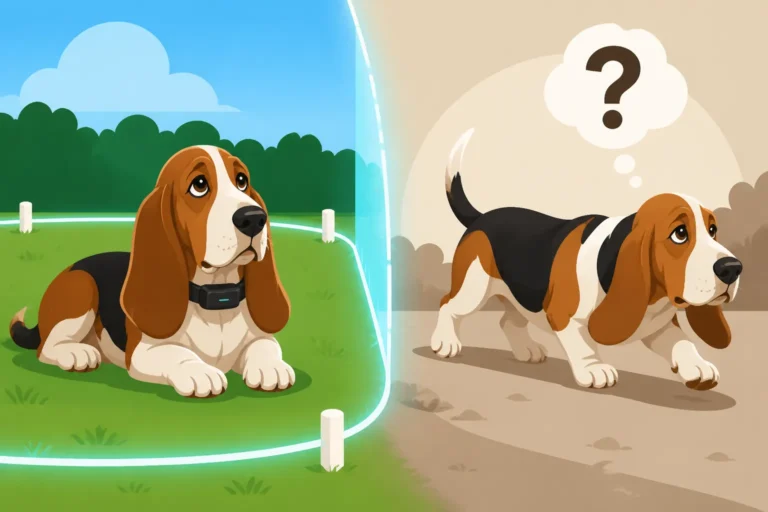
Supervision remains your strongest tool. Never leave young children unsupervised with any dog, regardless of temperament. This prevents accidental injuries to both the child and the dog. Make sure your Basset has a secure, fenced yard, as their powerful nose can lead them astray quickly, potentially into dangerous situations like roads. A securely fenced yard protects your Basset from running away and keeps them safe from external hazards. The Recall a Basset Hound Will Never Reliably Give You means you can't rely on voice commands to bring them back if they bolt.
Grooming Routines and Kids
Grooming a Basset Hound is a regular affair, and integrating children into this routine (appropriately) can be beneficial for everyone. Start early by teaching your puppy to tolerate handling, as detailed in Getting a Basset Hound Used to Ear Handling as a Puppy. This includes gentle touching of paws, ears, and mouth. When your Basset is comfortable, older children can be taught to participate in gentle brushing. Their short coats do shed, and a soft bristle brush or a rubber curry comb can be used gently. This provides a bonding experience and teaches children about responsible pet care.
The most crucial grooming task, and one where children's understanding is key, is ear care. Basset Hounds have those magnificent, heavy ears that are prone to trapping moisture and developing infections. Show children how delicate the ears are and explain why they should never be pulled. For older, responsible children, you might involve them in wiping the outer ear flap with a dog-specific ear wipe, under strict supervision. Never let children attempt to clean deep inside the ear canal.
Nail trims are another essential part of grooming. While children probably shouldn't handle the clippers, they can be present during the process, helping to distract or comfort the Basset. This familiarizes them with the routine and teaches them that even uncomfortable procedures are part of responsible pet ownership. Making grooming a calm, positive experience, with treats and praise, benefits both your Basset Hound and your children.
Beyond the Basics: Living a Full Life with Kids and a Basset Hound
Living with a Basset Hound and children isn't just about preventing problems; it's about fostering a rich, fulfilling life together. When managed well, Bassets can be truly wonderful family dogs, providing companionship, laughter, and a unique presence in the home.
Engaging Children in Basset Hound Care
Involving children in the daily care of your Basset Hound is a fantastic way to teach responsibility, empathy, and strengthens their bond with the dog. Age-appropriate tasks are key. Younger children can help by fetching the leash for walks, or by filling the water bowl (with supervision). They can also participate in giving out treats during training sessions, learning about positive reinforcement. This fosters a sense of ownership and connection.
Older children can take on more significant roles. They might be responsible for brushing the Basset’s coat a few times a week or helping with supervised walks. They can assist in preparing meals, ensuring the correct portion size is given, and making sure the food area is clean. Learning about What Feeding a Basset Hound to the Right Weight Costs and managing it is a valuable life lesson. Participating in these routines teaches children about the commitment involved in pet ownership and the importance of consistent care.
Beyond chores, encourage children to engage in positive interactions like gentle play or quiet companionship. Reading to the Basset Hound, for example, can be a calming activity for both child and dog. These shared experiences deepen the bond and transform the Basset from "the family dog" into a cherished, integral member of the family unit, with everyone playing a part in their well-being.
Family Activities That Include Your Basset Hound
One of the joys of having a Basset Hound is including them in family activities. While they aren't the most athletic breed, they love being part of the action. Gentle family walks in the park are perfect. Remember, Bassets need a harness and a leash, as their noses will lead them astray. Exploring new smells on a family walk is incredibly stimulating for them and a great way for everyone to get some fresh air.
Consider engaging in scent work games as a family. Hide and seek with treats in the yard or a treasure hunt using a snuffle mat can be a fun activity for children and a rewarding mental challenge for your Basset. These activities tap into their natural instincts and provide mental enrichment without over-exerting their bodies. It’s a fantastic way to bond and see your Basset thrive. Giving a Basset Hound's Nose Something to Do is truly the key to their happiness.
Quiet family time, like movie nights or simply relaxing on the couch, is also prime Basset Hound time. They are masters of the cuddle and will gladly join in, often draped across laps or nestled at feet. These moments reinforce their role as beloved companions and create lasting memories for children. The key is to adapt activities to your Basset's energy level and physical limitations, ensuring everyone has a positive and safe experience.
When to Seek Professional Help
While Basset Hounds are generally good-natured, sometimes behaviors arise that are beyond what an ordinary owner can manage, especially with children in the mix. If you notice any signs of aggression, such as growling, snapping, or biting towards children or other family members, it's imperative to seek professional help immediately. This is not a situation to handle alone. A certified professional dog trainer or a veterinary behaviorist can assess the situation and provide a safe, effective plan.
Persistent behavioral issues, such as severe separation anxiety (excessive baying, destructive behavior when left alone), significant resource guarding, or an inability to relax in the presence of children, also warrant professional intervention. These issues can severely impact the quality of life for both your Basset and your family. Online training resources, like those found with BAXTER & Bella, can offer initial guidance, but for serious behavioral problems, a one-on-one consultation is usually best.
Don't hesitate to reach out. Many people feel embarrassed or ashamed when their dog develops behavioral problems, but these are often treatable with the right expertise. Early intervention can prevent escalation and help your Basset Hound become the calm, cherished family member you hoped for. Investing in professional help is investing in the long-term happiness and safety of your entire household.
| Aspect | Pros for Basset Hounds with Children | Cons/Considerations for Basset Hounds with Children | Management Strategies |
|---|---|---|---|
| Temperament | Gentle, patient, tolerant, low-energy | Stubborn, strong prey drive, vocal (baying) | Consistent positive reinforcement, early socialization, noise desensitization. |
| Physical Build | Sturdy, not prone to jumping, good for cuddles | Prone to back issues (IVDD), long delicate ears | Teach gentle handling, provide ramps/steps, ear care routine. |
| Nose/Scent Drive | Excellent for scent games, easily entertained | Will follow nose anywhere, scavenges, can ignore recall | "Leave It" training, secure fencing, scent work activities, clean floors. |
| Grooming Needs | Short coat, easy to brush | Ear care is high priority, skin folds need cleaning | Involve children in gentle brushing, teach ear respect, Teaching a Basset Hound to Have Its Ears Handled. |
| Space Needs | Content indoors, enjoys a comfy bed | Needs safe retreat from chaos, can be clumsy indoors | Crate training, designated quiet spaces, baby gates, sturdy beds. |
| Training | Food motivated, enjoys companionship | Can be slow to learn, independent, inconsistent recall | Short, positive sessions, high-value treats, consistent cues, What Actually Motivates a Basset Hound. |
Disclaimer
This article is for general informational purposes only and does not constitute professional advice. Laws, prices and regulations vary by location and change over time. Consult a qualified professional for guidance on your specific situation.