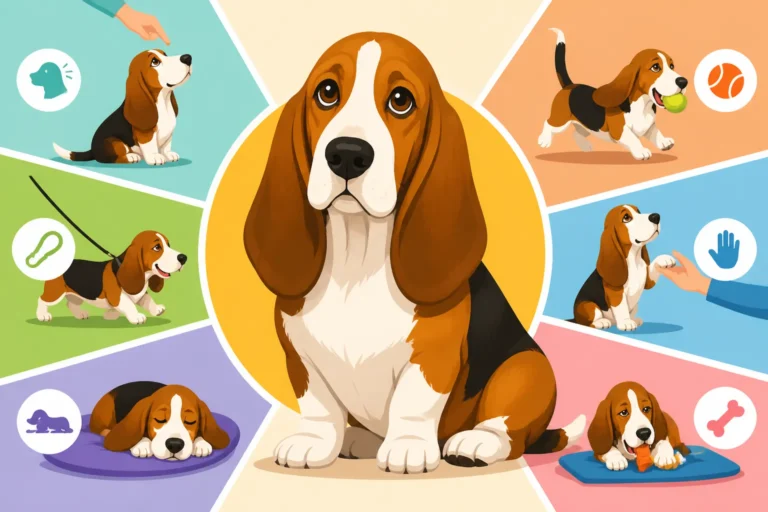
Whether a Basset Hound Needs Any Real Exercise
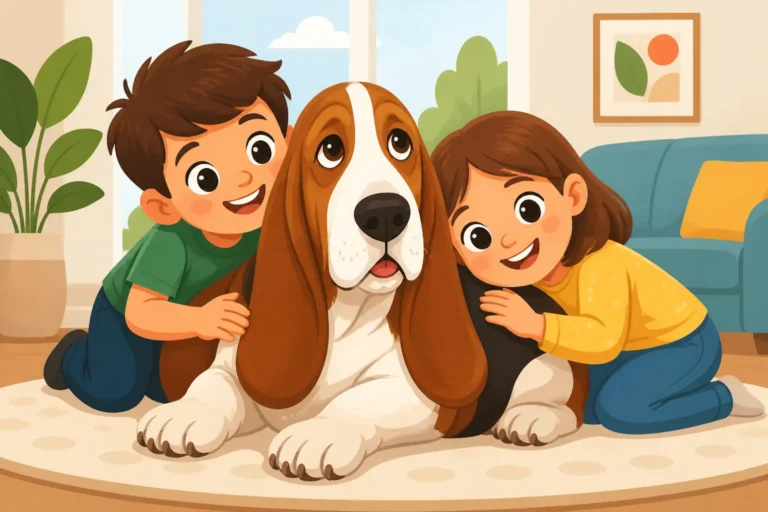
It's easy to look at a Basset Hound, with their famously droopy eyes and long, languid body, and assume they're practically a canine couch potato, content with little more than a stroll to the nearest fire hydrant. Many new owners, charmed by their laid-back demeanor, fall into the trap of thinking these dogs don't need much in the way of exercise. But that couldn't be further from the truth. This comprehensive guide will dispel the myth of the lazy Basset Hound and reveal the genuine physical and mental stimulation they truly need to thrive.
The Myth of the Lazy Basset Hound
Let's be honest, Basset Hounds aren't winning any agility competitions or marathons. Their unique physique, combined with their propensity for napping in sunbeams, gives them a reputation for being exceptionally lazy. But underneath that calm exterior lies a history of tireless work, and ignoring their innate need for activity can lead to a host of problems.
Why They Seem Sedentary
A Basset Hound's appearance is undeniably part of the charm, but it's also the root of much misunderstanding regarding their exercise requirements. With their short, stout legs, massive bone structure, and deep chests, they certainly don't look like an athlete built for speed or endurance. They often move with a characteristic slow, deliberate gait, nose to the ground, giving the impression that they're conserving energy for a lifelong slumber.
It's not uncommon to see a Basset Hound suddenly flop down mid-walk, seemingly protesting further movement, or stretching out for a long nap after a short burst of activity. These behaviors can easily be misinterpreted as a desire for a perpetually sedentary lifestyle. Owners might think, "Well, they stopped walking, so they must be tired," and unwittingly cut their exercise short. However, this perceived laziness is often a combination of their physical build limiting explosive movements and their instinct to conserve energy during long scent trails, rather than an absence of need for activity.
Their Hunting Dog Roots
To truly understand a Basset Hound's exercise needs, we have to look back at their origins. These magnificent hounds weren't bred to sit on velvet cushions; they were developed in France centuries ago as formidable hunting dogs. The name "Basset" itself comes from the French word "bas," meaning low, referring to their low-slung stature. This low build wasn't a quirk; it was a deliberate design for a specific hunting purpose.
Basset Hounds were prized for their incredible sense of smell – second only to the Bloodhound – and their ability to follow a scent trail relentlessly through dense underbrush. They were bred to be slow, methodical trailers, allowing hunters on foot to keep pace. This meant they needed incredible stamina, not speed. A Basset Hound might not run fast, but it could track for hours, covering miles and miles over varied terrain, with its nose glued to the ground. This historical role means they possess an inherent drive to "work" their nose and move their body, even if it's at a leisurely pace. They are, at their heart, working dogs, and that instinct for sustained activity needs an outlet.
Understanding a Basset Hound's Unique Physiology and Its Impact on Exercise
When we talk about Basset Hound exercise, we're not just talking about getting them moving; we're talking about how they move, and what types of movement their distinctive bodies are built for and, crucially, what they are not built for. Their adorable, exaggerated features come with specific considerations.
The Short Legs and Long Back Conundrum
The Basset Hound's iconic silhouette – those incredibly short legs supporting a surprisingly long, heavy body – is a marvel of selective breeding. But it's also a design that requires careful management when it comes to physical activity. Unlike many breeds that can safely jump, pivot, and run at high speeds, a Basset Hound's structure makes them particularly susceptible to certain injuries. Their long back, specifically, is a point of vulnerability. The Back Trouble a Basset Hound Is Built Into
High-impact activities, like repeatedly jumping on and off furniture, racing up and down stairs, or engaging in strenuous dog park wrestling, can put immense strain on their spinal discs. This can potentially lead to intervertebral disc disease (IVDD), a painful condition where the discs between the vertebrae bulge or rupture, sometimes resulting in paralysis. Similarly, the pressure on their joints from excessive or inappropriate exercise can exacerbate conditions like elbow dysplasia, which is regrettably common in the breed. Therefore, their exercise regimen must prioritize low-impact, consistent movement that supports their frame, rather than stressing it. We're looking for steady, horizontal motion, not vertical leaps or sudden twists.
Their Powerful Nose and Drive to Scent
If you've ever watched a Basset Hound on a walk, you've probably noticed their nose is almost always to the ground, sweeping back and forth like a furry metal detector. This isn't just a cute habit; it's their most powerful drive. The Basset Hound's nose truly is a wonder, putting them second only to the Bloodhound in terms of olfactory prowess. The Nose That Puts a Basset Hound Second to a Bloodhound Their long, velvety ears, heavy dewlap, and loose facial skin are even believed to help trap scent molecules, funneling them towards those sensitive nostrils.
For a Basset Hound, exercise isn't just about moving their legs; it's fundamentally about engaging their nose. A short walk around the block where they're rushed along and not allowed to sniff is barely exercise at all for them. They derive immense mental and physical satisfaction from following a scent trail, deciphering the invisible stories left behind by other creatures. This type of mental engagement is incredibly tiring and fulfilling. Activities like scent work, tracking games, or even just long, leisurely "sniffaris" where they dictate the pace and direction based on interesting odors, are paramount. It's a full-body and full-brain workout that respects their deepest instincts.
Recommended Exercise Regimens for Basset Hounds
So, with their unique build and powerful noses in mind, what does "real exercise" look like for a Basset Hound? It's less about speed and more about consistent, engaging activity that respects their physical limitations and harnesses their natural instincts.
Daily Walks: More Than Just a Potty Break
For a Basset Hound, daily walks are the cornerstone of their exercise routine, but they need to be the right kind of walks. We're not talking about a quick dash out and back for a potty break. We're talking about dedicated time to explore the world through their nose. Ideally, an adult Basset Hound should have at least two good walks a day, each lasting a minimum of 30 to 45 minutes, though longer is often better.
During these walks, allow them ample time to sniff. Seriously, let them sniff everything! That lamppost, that patch of grass, that crack in the pavement – these are like reading the local newspaper for your Basset. It provides incredible mental stimulation that burns energy and keeps their minds sharp. Think of it as a "sniffari" rather than a forced march. The goal isn't necessarily to cover a huge distance quickly, but to provide sustained, low-impact movement combined with rich olfactory experiences. A Basset Hound that gets proper sniffing time will be far more tired and content than one dragged along on a brisk, sniff-free jog. This is also a perfect opportunity to use a comfortable harness, readily available on platforms like Amazon, that distributes pressure evenly across their chest rather than their neck, which is better for their overall structure. How Far a Basset Hound Should Walk
Integrating Play and Mental Stimulation
While walks are essential, they shouldn't be the only form of activity. Basset Hounds, despite their appearance, can be playful and truly benefit from structured play and mental challenges. These activities not only provide physical movement but also tap into their problem-solving abilities and hunting instincts.
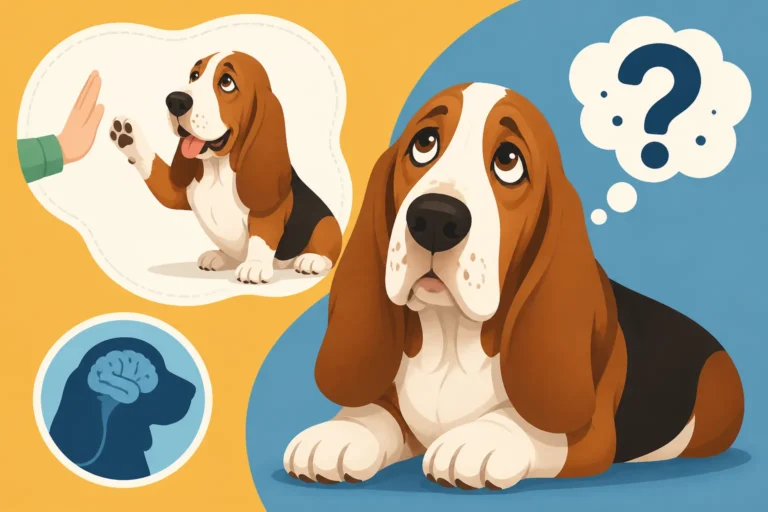
Consider incorporating games like hide-and-seek with treats or favorite toys around the house or yard. Their excellent nose makes them naturals at this! Puzzle feeders and snuffle mats, which require them to work to get their kibble or treats, are fantastic for engaging their minds and keeping them occupied. You can find a wide variety of these on Amazon. Short, positive reinforcement-based training sessions, teaching new tricks or reinforcing commands, also count as mental exercise. Even a few minutes of focused training can be surprisingly tiring for them. Remember, a tired mind often means a tired dog, and for a Basset, mental work is often more exhausting than physical exertion. What Actually Motivates a Basset Hound For those looking to really engage their Basset's brain and body through structured activities, online training programs, such as those offered by BAXTER & Bella, can provide excellent guidance and a library of ideas to keep things fresh and fun.
Avoiding Common Exercise Pitfalls
While it's clear Basset Hounds need exercise, it's equally important to understand what kind of exercise is not suitable for them. Misguided attempts at physical activity can quickly lead to injury or behavioral issues, turning a well-intentioned effort into a problem.
The Dangers of Over-Exercising and High-Impact Activities
Given their distinctive build, Basset Hounds are not designed for activities that involve excessive jumping, hard landings, or prolonged, high-speed running. Their long backs and relatively short legs make them particularly vulnerable. Activities like constantly jumping off beds or couches, repeatedly climbing or descending stairs, or engaging in intense, uncontrolled play with larger, more boisterous dogs can put tremendous stress on their spine and joints. This can lead to serious conditions like intervertebral disc disease (IVDD), which we've mentioned, or exacerbate orthopedic issues such as elbow dysplasia. Elbow Dysplasia in a Basset Hound
It's crucial to understand that forcing a Basset Hound to engage in activities they are not physically suited for is not beneficial; it's dangerous. While they may try to please you, their body isn't designed for it. Listen to your Basset Hound. If they are lagging behind, sitting down, or showing any signs of discomfort, it's time to slow down or stop. Opt for consistent, moderate activity over infrequent, intense bursts. Think "marathon, not sprint," and even then, a Basset's marathon is more of a leisurely sniff-a-thon. If you suspect your Basset has hurt its back, immediate veterinary attention is paramount. Intervertebral Disc Disease in a Basset Hound
The Trap of Under-Exercising: Weight Gain and Behavioral Issues
On the flip side, depriving a Basset Hound of sufficient exercise is equally detrimental. While they aren't hyperactive, a lack of regular physical and mental stimulation can lead to two primary problems: obesity and behavioral issues. Basset Hounds have an insatiable appetite and a metabolism that can be surprisingly efficient, making them prone to weight gain if their caloric intake isn't matched by their activity levels. An overweight Basset Hound is at a significantly higher risk for worsening joint problems, heart disease, diabetes, and a shortened lifespan. What Extra Weight Does to a Basset Hound Keeping a Basset at a healthy weight is one of the most important things an owner can do for their longevity and quality of life.
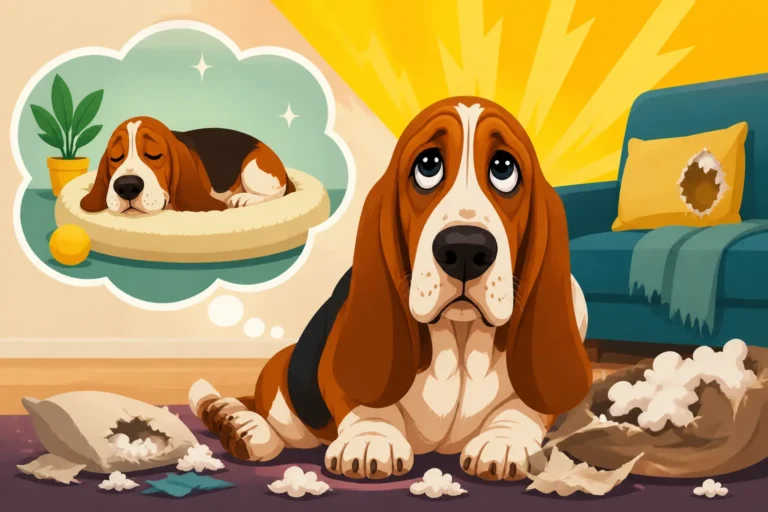
Beyond physical health, a bored and under-exercised Basset Hound is often a mischievous Basset Hound. Their intelligent, scent-driven minds need an outlet. If they don't get constructive engagement, they'll find their own entertainment, which often manifests as unwanted behaviors. This could include excessive howling or baying (especially when left alone), destructive chewing, digging, or even inappropriate urination indoors. Whether a Basset Hound Bays Indoors They might also become withdrawn or depressed. Providing them with consistent, appropriate exercise and mental enrichment isn't just about their physical health; it's about their overall well-being and maintaining a harmonious household.
Exercise Through the Basset Hound's Life Stages
A Basset Hound's exercise needs aren't static; they evolve as your dog grows from an adorable, clumsy puppy into a stately senior. Tailoring their activity to their age and physical development is key to a long, healthy life.
Puppyhood: Building a Foundation Safely
Basset Hound puppies are bundles of clumsy energy, all gangly legs and oversized paws. It's tempting to let them run and play endlessly, but it's crucial to remember that their bones and joints are still developing. During puppyhood, the focus should be on controlled, low-impact exercise that allows their bodies to mature safely. Forced, strenuous exercise can lead to permanent damage and contribute to orthopedic problems later in life.
Short, frequent play sessions in a safe, soft environment (like a carpeted room or grassy yard) are ideal. Think 5-10 minutes of gentle play, a few times a day. Their walks should also be short and focused more on socialization and sniffing than covering distance. A general rule of thumb for puppies is 5 minutes of structured exercise per month of age, twice a day. So, a four-month-old puppy would get about 20 minutes of exercise, twice daily. Avoid long hikes, repetitive jumping, or vigorous running on hard surfaces. Stairs, too, should be limited or avoided, with puppies carried up and down to protect their developing backs. Whether a Basset Hound Puppy Should Be Kept From Stairs Supervised, gentle play with other appropriate dogs can be excellent, but always ensure the play is respectful and not overly rough.
Senior Years: Adapting to Slower Paces
As a Basset Hound enters their senior years – typically around age 7 for this breed – their exercise needs will naturally shift. They might slow down, show signs of arthritis, or have less stamina. The goal now is to maintain mobility, manage pain, and keep them mentally stimulated without overtaxing their aging bodies. Regular, gentle exercise remains vital to prevent muscle atrophy, maintain joint flexibility, and manage weight.
Instead of long walks, consider shorter, more frequent outings. A leisurely stroll for 15-20 minutes, two or three times a day, might be more appropriate than one long trek. Pay close attention to their cues: if they're stiff, slow, or limping, it's time to consult your vet. Gentle swimming can be an excellent, low-impact exercise for senior Basset Hounds, as the water supports their joints. However, ensure they are supervised, as not all Bassets are natural swimmers, and their heavy bones mean they don't float easily. Exercise for an Old Basset Hound Mental stimulation remains just as important, if not more so, in senior dogs. Continue with puzzle toys, scent games, and short training refreshers to keep their minds engaged and prevent cognitive decline. Remember to provide soft, comfortable bedding and make your home senior-friendly with ramps or steps to help them access furniture safely.
Tools and Resources to Enhance Basset Hound Exercise
Making exercise safe, comfortable, and engaging for your Basset Hound often involves using the right gear and knowing where to find expert advice. These tools can make a significant difference in their quality of life.
Harnesses, Long Lines, and Sniffing Gear
When it comes to walking a Basset Hound, the right equipment is non-negotiable for their comfort and safety. Due to their deep chests and potential for pulling when on a scent, a well-fitting harness is almost always preferred over a collar. A harness distributes pressure across their chest and shoulders, preventing strain on their neck and throat, which is especially important given their delicate spinal structure. Look for harnesses with good padding and adjustable straps for a snug, secure fit. You'll find a vast selection of durable and comfortable harnesses suitable for Basset Hounds on Amazon. Which Harness Suits a Basset Hound
For those "sniffari" walks we discussed, a long line (a lead that's 15-30 feet long) can be a game-changer. It allows your Basset to explore a wider area, follow interesting scents, and enjoy a sense of freedom, all while remaining safely attached to you. This is particularly useful in open, safe areas where off-leash recall isn't reliable (which is often the case for scent hounds when on a trail!). Combine this with a snuffle mat at home – another great product easily found on Amazon – to provide dedicated nose work opportunities indoors, especially on rainy days. Whether a Basset Hound Enjoys a Snuffle Mat
Enrichment Toys and Training Programs
Beyond walks, enriching toys and structured training can significantly enhance a Basset Hound's physical and mental well-being. Puzzle toys, especially those that dispense treats, are fantastic for engaging their intelligent minds and encouraging problem-solving. These can keep them happily occupied for extended periods, reducing boredom and potential destructive behaviors.
For owners looking for more structured guidance on training and enriching their Basset Hound's life, online training programs can be an invaluable resource. Services like BAXTER & Bella offer comprehensive, self-paced programs that cover everything from basic obedience to advanced tricks and problem-solving, all designed with positive reinforcement methods in mind. These programs can help you understand how to motivate your Basset (often with food, let's be honest!) and teach you fun ways to integrate mental challenges into their daily routine. Regular short training sessions, even just 10-15 minutes a day, provide mental stimulation, strengthen your bond, and reinforce good habits, ensuring your Basset Hound is not only well-exercised but also a well-behaved and happy companion.
Comparative Exercise Needs: Basset Hounds vs. Other Breeds
Understanding a Basset Hound's exercise needs also benefits from seeing them in context. How do they stack up against other popular breeds, especially those often compared to them? It's not always about sheer quantity, but quality and type.
| Breed | Typical Exercise Need | Type of Exercise Preferred | Key Considerations for Exercise |
|---|---|---|---|
| Basset Hound | Moderate (1-2 hours daily) | Scent work, long sniffy walks, gentle play | Avoid high-impact, protect long back, prone to weight gain |
| Beagle | High (1.5-2.5 hours daily) | Running, scent work, vigorous play | More energetic, strong prey drive, needs secure yard |
| Labrador Retriever | High (2+ hours daily) | Fetch, swimming, running, hiking | Needs lots of vigorous exercise to avoid boredom |
| Bulldog | Low-Moderate (30-60 mins daily) | Short, slow walks, gentle play | Prone to overheating, brachycephalic airway syndrome |
| Dachshund | Moderate (1 hour daily) | Short walks, earthdog trials | Protect long back, avoid jumping/stairs |
As you can see, a Basset Hound's needs are distinct. While they may share some traits with Beagles, such as their scenting prowess, their physical build dictates a different approach to activity. They require more exercise than a Bulldog but far less vigorous activity than a Labrador. The key is to acknowledge their working dog heritage and provide outlets that truly engage their instincts and protect their unique physiology.
Disclaimer
This article is for general informational purposes only and does not constitute professional advice. Laws, prices and regulations vary by location and change over time. Consult a qualified professional for guidance on your specific situation.