Whether a Basset Hound Is Safe in an Unfenced Yard
Many Basset Hound owners dream of letting their floppy-eared companions roam freely, enjoying the smells and sights of the outdoors without the confines of a leash or fence. However, the reality of a Basset Hound's incredible scent drive and deeply ingrained hunting instincts often clashes with this ideal, making an unfenced yard a genuine safety concern for these unique dogs. This guide will delve into the inherent risks, why a Basset Hound's nose truly rules its world, and practical considerations for keeping your beloved hound safe and sound.
The Irresistible Call of the Scent Trail
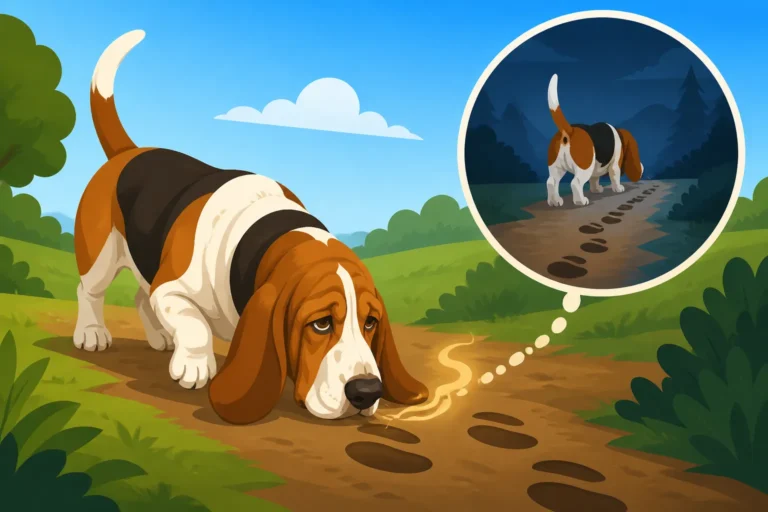
If you’ve ever owned a Basset Hound, you know their nose is not just a feature; it's their entire operating system. They were bred for centuries to follow scent trails, to work independently, and to stick with a scent until the source was found. This isn’t a suggestion; it’s a command written into their very DNA. To expect a Basset Hound to ignore a compelling scent is like asking a fish to ignore water – it’s just not going to happen.
A Nose That Knows No Bounds
The Basset Hound’s olfactory system is legendary. It’s often said that their nose is second only to a Bloodhound’s, making them one of the most powerful scent detectors in the canine world. Their long ears, low-slung body, and dewlap all work in concert to funnel scent particles directly to their incredible noses, amplifying every subtle trace. Imagine a world where every whiff is a vivid, compelling story unfolding before you, a mystery begging to be solved. That's a Basset Hound's reality, and once they latch onto a story, everything else fades into the background.
This profound sensory experience means that even the faintest trace of a rabbit that crossed the yard hours ago, a neighbor's cat, or even the remnants of a picnic from yesterday can become an irresistible siren song. They aren't being disobedient; they are simply fulfilling their most primal purpose. Trying to call them off when they are "nose down, world out" is often a fruitless endeavor, leading to immense frustration for owners who don't understand the depth of this instinct. This is why Why a Basset Hound Stops Hearing You When It Smells Something is such a critical topic for new owners to grasp.
The Consequences of an Unchecked Instinct
When a Basset Hound locks onto a scent in an unfenced yard, their world shrinks to that trail. They become singularly focused, oblivious to their surroundings, and deaf to your frantic calls. This isn't just an inconvenience; it's a profound safety hazard. A Basset Hound will follow a trail through bushes, across lawns, and yes, even across busy streets without a second thought for traffic or other dangers. Their slow, deliberate pace might seem to offer a false sense of security, but it also makes them incredibly vulnerable, as they are not agile enough to dart out of harm's way quickly.
Many owners recount harrowing tales of their Bassets disappearing for hours, only to be found miles away, still diligently following an invisible line of scent. This instinct is so strong that even a well-trained Basset Hound, in a moment of pure scent-driven bliss, can disregard all prior learning. It's not a matter of if they will follow a scent out of an unfenced space, but when.
The Myth of the "Safe" Unfenced Yard
The idea of a Basset Hound being "safe" in an unfenced yard, even a quiet one, is unfortunately a dangerous misconception. It implies that their temperament or intelligence somehow overrides their genetic programming, which simply isn't the case. While Basset Hounds are known for their generally docile and friendly nature, these traits do little to counteract their formidable noses when a compelling scent presents itself.
Why "Good Dog" Doesn't Apply When Scent Calls
You might have the most well-behaved Basset Hound in the world, one who sits, stays, and comes when called inside the house. You might even be able to let them out into a very quiet, contained area for a few minutes without issue. But a Basset Hound's obedience is highly conditional on the absence of a strong scent. The moment that scent hits their nose, their brain effectively switches into "tracking mode," and your voice becomes nothing more than background noise. They are not choosing to ignore you; they are literally incapable of processing your commands over the overwhelming sensory input of the trail. This is why The Recall a Basset Hound Will Never Reliably Give You often becomes a painful reality for owners.
This isn't stubbornness, though it certainly feels like it in the moment. It's instinct. It's the equivalent of a human hearing a fire alarm versus a quiet whisper. One demands immediate attention, the other can be easily missed. For a Basset, a scent trail is a fire alarm. Their low-slung bodies also mean they can sometimes squeeze under small gaps or through spaces you might not even realize are there, making escape surprisingly easy for them.
Real Dangers Beyond Getting Lost
An unfenced yard isn't just a risk for a Basset Hound getting lost; it opens them up to a myriad of serious dangers.
Traffic Accidents: This is perhaps the most immediate and terrifying threat. A Basset Hound, nose to the ground, is oblivious to cars. Their low stature makes them difficult for drivers to see, especially in low light or on winding roads. Even in a quiet neighborhood, one stray scent can lead them directly into a dangerous situation. Whether a Basset Hound Follows Its Nose Into Traffic is not a hypothetical question; it's a very real concern that has devastating consequences.
Harm from Other Animals: While Bassets are generally friendly, not all dogs, wildlife, or even people are. An unfenced Basset could wander into another dog's territory, encounter aggressive stray animals, or even become the target of larger predators depending on your location. Furthermore, their gentle nature doesn't mean they won't chase smaller animals like rabbits or squirrels, potentially putting them in harm's way with fences, roads, or even angry homeowners.
Ingestion of Toxins: The world is full of things a Basset Hound shouldn't eat. From discarded food scraps that could contain harmful ingredients to toxic plants, rodenticides, or antifreeze in someone's driveway, an unfenced Basset is a vacuum cleaner for anything interesting they find on their scent journey. Their strong foraging instinct means they'll investigate everything with their nose and often their mouth.
Theft and Misplaced Identity: A friendly, wandering Basset Hound is sadly an easy target for theft, especially a purebred. Even if not stolen, they can be picked up by well-meaning strangers who assume they are lost, leading to trips to the shelter and a stressful reunion process. The potential for a Basset Hound to get involved in a neighborhood incident, such as digging in a neighbor's garden or "trespassing," also opens up a host of legal and social headaches.
Safer Alternatives and Practical Solutions
The good news is that you absolutely can provide your Basset Hound with the freedom to explore and indulge their magnificent nose without risking their safety. It just requires a bit of thoughtful planning and a commitment to understanding their breed-specific needs.
The Securely Fenced Yard: Your Basset's Kingdom
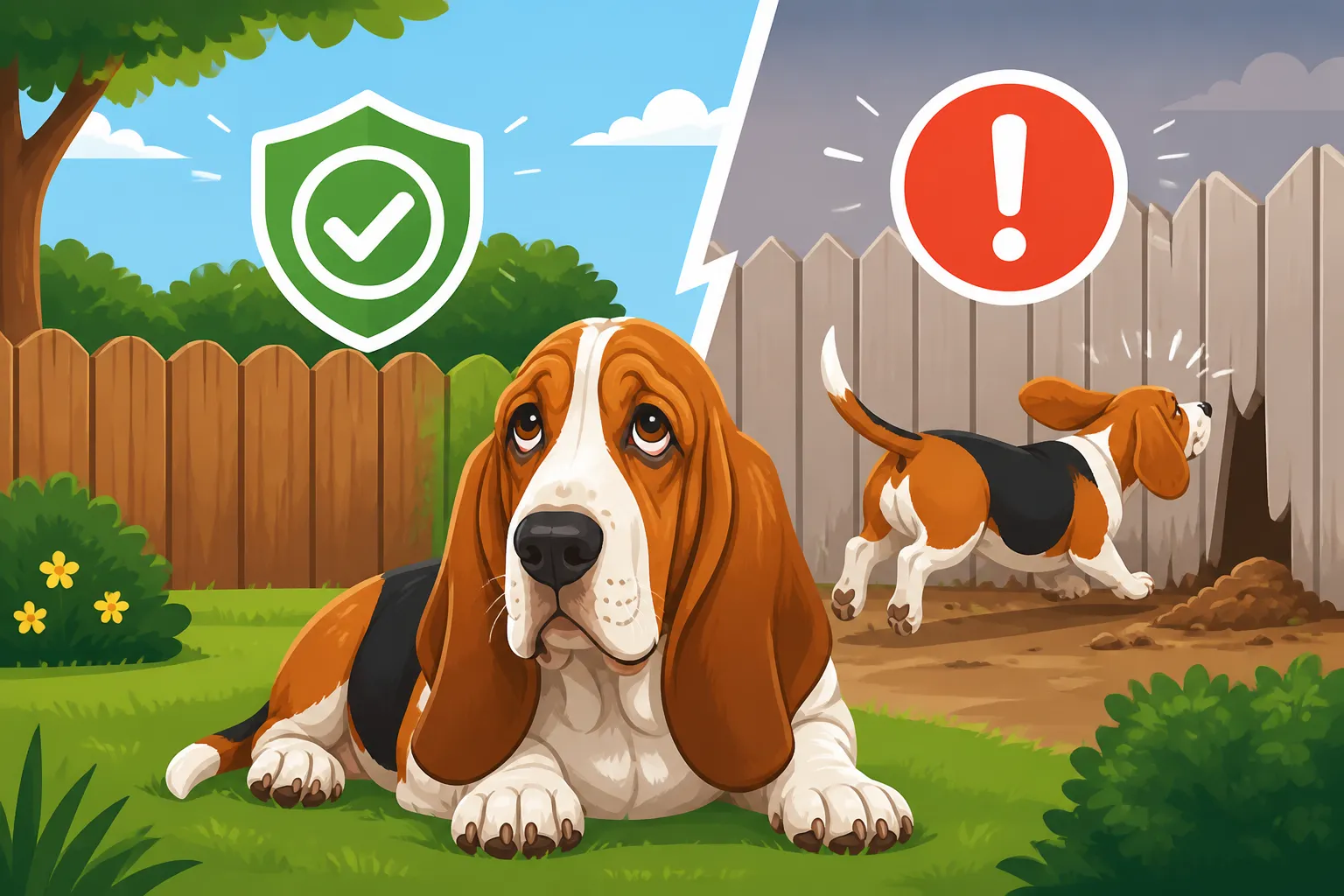
A robust, securely fenced yard is truly the gold standard for Basset Hound ownership. It provides them the freedom to wander, sniff, and sunbathe without constant supervision and without the risk of them chasing a scent into oblivion. When considering a fence, remember that Basset Hounds are not typically jumpers, but they are master diggers and can be surprisingly adept at squeezing through small gaps. Therefore, a fence needs to be:
- At least 4-5 feet high: While they don't jump high, a fence of this height provides a visual and physical barrier.
- Secure at the bottom: Consider burying the fence line or adding a footer to prevent digging. Bassets are notorious for tunneling under obstacles when a scent is strong. Whether a Basset Hound Digs Under a Fence is a definite 'yes' if the motivation is high enough.
- Gap-free: Regularly inspect your fence for any small openings, broken slats, or loose gates that a determined Basset could exploit.
Having a truly secure perimeter offers peace of mind and allows your Basset to enjoy the outdoor world in a safe, controlled environment.
Supervised Exploration and Long-Line Adventures
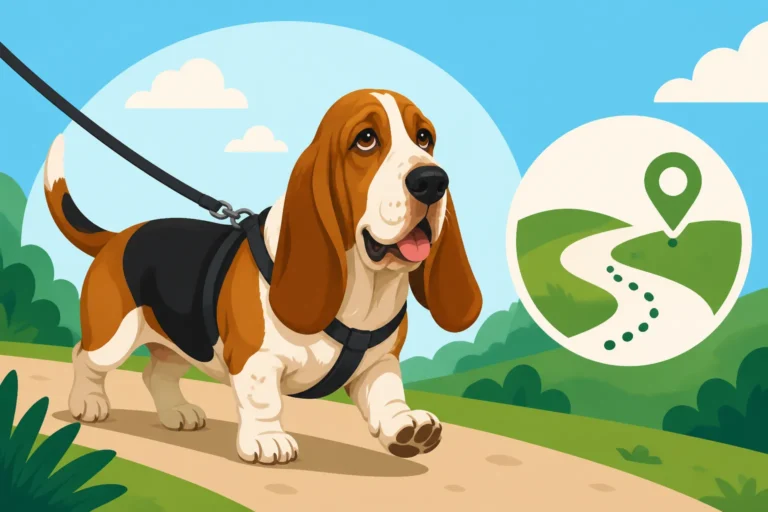
Even with a fence, Basset Hounds thrive on exploring new environments. For adventures beyond your secure yard, a long line is your best friend. A 20-30 foot training lead allows them to wander further, investigate interesting smells, and still remain safely connected to you. You can find these easily on platforms like Amazon. This gives them the sensation of freedom while you maintain control, preventing them from bolting into danger. It's a fantastic way to engage their natural instincts without the high-stakes risk of an unfenced area. You might also find resources from online dog training programs, such as BAXTER & Bella, that offer guidance on using long lines effectively with scent hounds. Whether a Long Line Is Enough for a Basset Hound really depends on the environment and your level of attentiveness.
For maximum enrichment, consider taking your Basset Hound to securely fenced dog parks (if they enjoy other dogs) or even renting a private, fenced dog field for an hour or two. These options provide novel scents and space to roam without the constant worry of escape.
Training for "Disengagement" (Not Recall)
While a rock-solid recall when a strong scent is present is almost an impossibility for a Basset Hound, you can still train for "disengagement." This involves teaching them to check in with you periodically or to respond to a specific noise (like a whistle) that signals a high-value treat is coming, encouraging them to break their focus on a scent, even if briefly. This is more about managing their focus than commanding an absolute return. Consistent, positive reinforcement training is key, and resources from reputable trainers or platforms like BAXTER & Bella can be incredibly helpful in developing these skills.
Technology for Peace of Mind
For those who worry about the worst-case scenario, modern technology offers some reassurance. GPS trackers for dogs are a fantastic tool that can be attached to their collar. While they don't prevent escape, they can greatly assist in locating a lost Basset Hound quickly. Knowing that Whether a Basset Hound Should Wear a Tracker is a smart precaution can offer immense comfort.
Here’s a quick comparison of methods for managing Basset Hounds outdoors:
| Method | Pros | Cons | Ideal Use Case |
|---|---|---|---|
| Unfenced Yard | Appears free, no upfront cost | Extremely high risk of escape, injury, or loss; constant stress | Not Recommended for Basset Hounds |
| Securely Fenced Yard | Safe freedom, peace of mind, self-exercise | Installation cost, requires maintenance, Bassets can dig | Primary outdoor space for daily relief and independent exploration |
| Long Line | Allows exploration, controlled freedom, safe | Requires active handler supervision, can tangle, limited range | Exploring new trails, parks, open fields with handler present |
| GPS Tracker | Aids in recovery of lost dog, peace of mind | Does not prevent escape, subscription fees, battery life | Added layer of security for all outdoor activities, especially walks and travel |
| Supervised Leash Walk | Full control, exercise, bonding | Limited freedom for sniffing, requires handler's time | Regular exercise, socialization, and preventing scent-driven bolt-offs |
In conclusion, while the dream of a Basset Hound frolicking freely in an unfenced yard is appealing, the reality of their genetics makes it an incredibly risky proposition. Prioritizing their safety through secure fencing, diligent supervision on a long line, and understanding their profound scent drive will ensure your Basset Hound lives a long, happy, and safe life.
Disclaimer
This article is for general informational purposes only and does not constitute professional advice. Laws, prices and regulations vary by location and change over time. Consult a qualified professional for guidance on your specific situation.