Whether an E-Collar Belongs on a Basset Hound
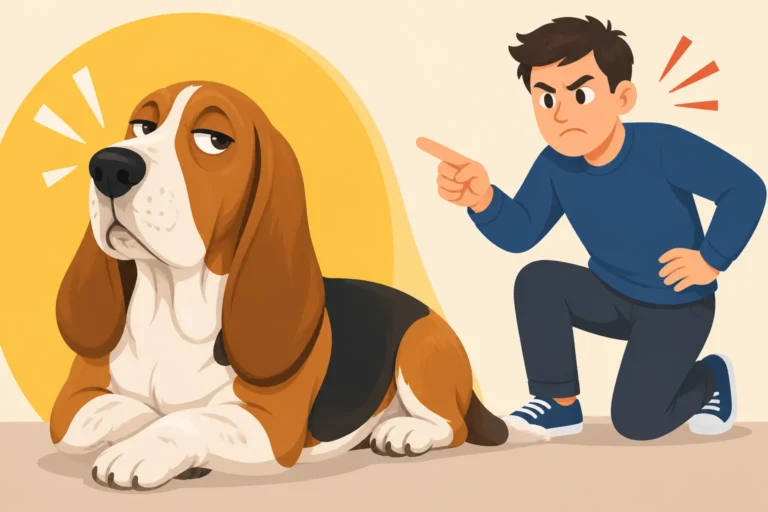
One of the most enduring frustrations Basset Hound owners face is feeling like their beloved, floppy-eared companion has selective hearing, especially when a tantalizing scent hits their incredible nose. You might find yourself at your wit's end, watching your hound become deaf to your calls, and perhaps, like many, you've started wondering about tools that offer a bit more "persuasion," such as an e-collar. This guide will delve into the complexities of using e-collars with Basset Hounds, exploring the reasons owners consider them, the potential pitfalls, and a range of positive, effective alternatives that respect your hound's unique nature.
Understanding What an E-Collar Is and How It Works
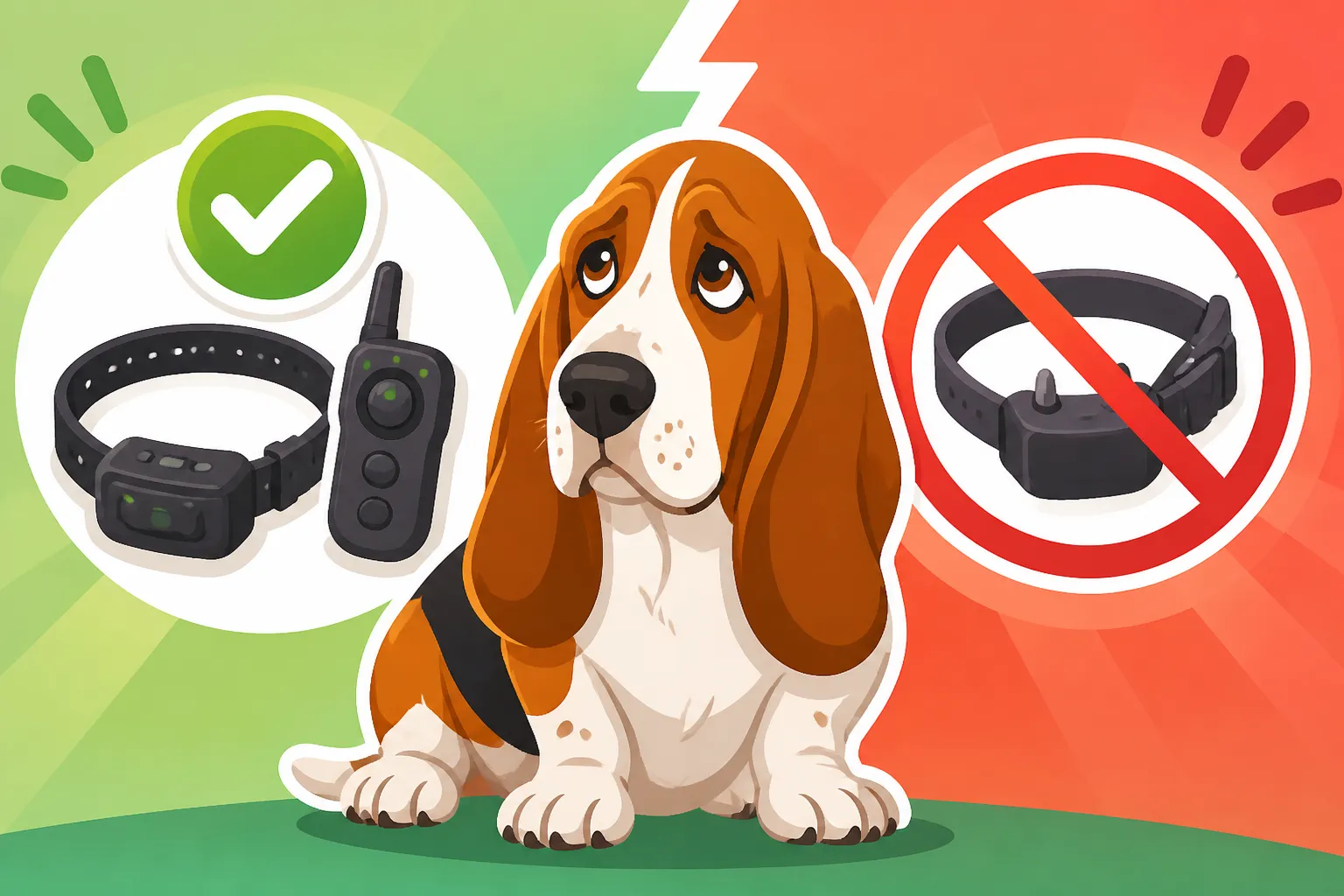
When we talk about e-collars, it's easy for misconceptions to fly around. Many people immediately think of "shock collars," conjuring up images of harsh, painful corrections. While older versions might have leaned more heavily on static stimulation, modern e-collars often offer a range of functions, from vibration and tone warnings to varying levels of static pulse. The idea behind them, from a training perspective, is to provide a consistent, remote correction or communication signal that the dog associates with a specific behavior.
Different Types of E-Collars Available
Not all e-collars are created equal, and it's important to understand the distinctions. Some are designed primarily for containment, like those used with invisible fences, providing a static correction if a dog crosses a boundary. Others are training tools, typically hand-held remote devices that allow an owner to deliver a signal at their discretion. These training e-collars usually come with multiple settings:
- Tone: A simple beep, often used as a warning or a "pre-correction" signal.
- Vibration: A tactile buzz against the dog's neck, similar to a phone vibrating. This can be a very effective distraction or reminder for sensitive dogs.
- Static Stimulation: This is where the "shock" perception comes from. Modern static corrections are often described as a mild muscle contraction or a TENS unit sensation, ranging from very low levels that are barely perceptible to higher levels intended for stronger deterrence. The goal, ideally, is to find the lowest effective level that gets your Basset's attention without causing fear or pain.
The crucial point here is that these tools are designed to be a consequence, a clear signal. For a Basset Hound, whose mind is often solely focused on a scent trail, trainers might use the e-collar to "break" that focus, redirecting their attention back to the handler. However, the efficacy and ethical implications of this approach are hotly debated, especially with a breed as sensitive and intelligent as the Basset.
The Theory Behind E-Collar Training
Proponents of e-collar training often argue that it offers a way to extend a handler's reach, providing immediate feedback even when a dog is far away or highly distracted. For a breed like the Basset Hound, known for its tenacious tracking ability, the allure of a scent can be so powerful that verbal commands or even hand signals become utterly irrelevant. A quick, consistent static pulse, they believe, can interrupt that intense focus and bring the dog's attention back to the human.
The theory suggests that with proper conditioning, the dog learns to associate the e-collar signal (perhaps a tone or vibration first, then a low static pulse if needed) with an undesirable action, or with the need to check back in with their handler. The hope is that the dog learns to avoid the undesired behavior or respond to commands to avoid the stimulation. This requires careful, consistent, and often professional guidance to ensure the dog understands what is being asked, rather than simply becoming fearful of the collar or their owner. Many Basset owners, desperate for reliable recall in a breed famous for ignoring it, are tempted by this promise of control.
Why Basset Hound Owners Consider E-Collars
Let's be real, owning a Basset Hound is a unique adventure, full of charm and… well, a fair bit of stubbornness, as many would say. The challenges often lead owners to look for solutions that promise more control, and e-collars sometimes pop up as a perceived quick fix.
The Infamous Basset Hound Recall Problem
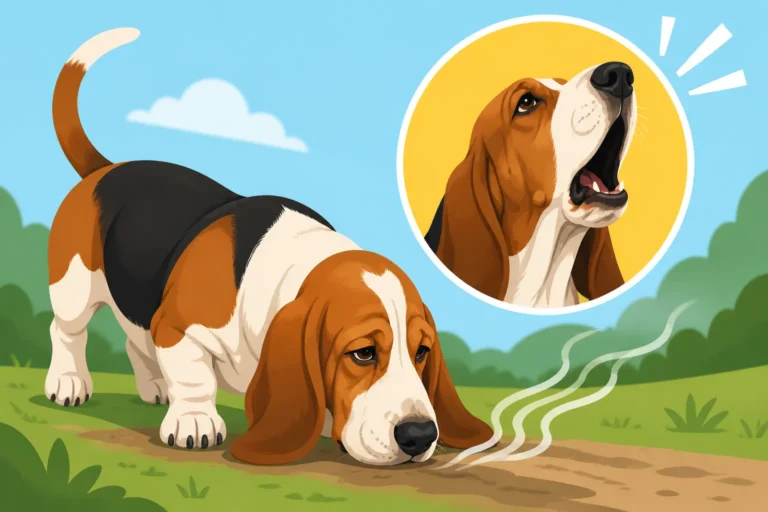
Ah, the Basset Hound recall – or lack thereof! It's practically legendary. You let your Basset off-leash in a seemingly secure area, they catch a whiff of something incredible, and suddenly, you cease to exist. They're gone, nose to the ground, a furry, low-slung, scent-driven missile. Yelling, pleading, even offering the tastiest treat often falls on deaf ears because their brain is entirely consumed by that scent. This isn't disobedience in the human sense; it's a hard-wired instinct, hundreds of years in the making. Why a Basset Hound Stops Hearing You When It Smells Something perfectly illustrates this struggle.
It's this exact scenario that drives many Basset owners to consider an e-collar. They envision a tool that can "cut through" the scent-induced trance, bringing their dog back from the brink of a dangerous situation, like bolting into a road or disappearing into thick woods. The frustration of watching your beloved companion ignore you, not because they don't love you, but because a squirrel's forgotten acorn scent is just that much more compelling, can lead to desperate measures. The desire for safety and peace of mind is incredibly strong.
Managing Scent-Driven Distraction and "Stubbornness"
Beyond recall, Basset Hounds are masters of distraction. A walk around the block can turn into a 20-minute sniffing marathon on one patch of grass. While this is part of their charm, it can also be incredibly challenging for daily routines or in situations where you need their attention quickly. This intense focus on scent often gets misinterpreted as "stubbornness," when in reality, it's just their breed's primary drive at work. Whether a Basset Hound Is Stubborn or Just Not Interested is a great read if you want to understand this better.
Owners might think an e-collar can provide a direct, unmistakable correction when their Basset becomes too engrossed in a scent. The hope is that the collar can "snap them out of it" and help them focus on the handler, making walks more manageable and training sessions more productive. It's an attempt to bridge the communication gap that a Basset's powerful nose often creates, especially when their prey drive kicks in.
The Potential Risks and Ethical Concerns of E-Collar Use
While the desire for control and safety is understandable, particularly with a breed as scent-driven as the Basset Hound, it's crucial to carefully weigh the potential downsides of e-collar use. There's a lot more to it than just getting a dog's attention.
Risk of Misuse and Negative Associations
The biggest concern with e-collars, regardless of the breed, is the potential for misuse. If not used with expert guidance and a deep understanding of dog behavior, an e-collar can easily become a tool that instills fear rather than facilitating communication. Imagine a Basset Hound, startled by an unexpected static pulse while intensely focused on a scent. Instead of associating the correction with ignoring your recall, they might associate it with the smell itself, or with you, or even with the location they were in. This can lead to a dog who is anxious, withdrawn, or even aggressive, as they try to avoid the source of their discomfort, which they may not properly understand.
Furthermore, if the correction level is too high, or if it's used inconsistently, it can break down the trust between you and your Basset. Your loyal, loving hound might start to see you as unpredictable or a source of punishment. This can hinder all other training efforts and damage your bond, which is built on positive interactions and mutual understanding. A fearful dog is not a well-trained dog, and it's certainly not a happy Basset.
Impact on a Basset Hound's Sensitive Nature
Basset Hounds, despite their sturdy appearance, are generally quite sensitive souls. They thrive on companionship, gentle handling, and positive reinforcement. They are not typically a breed that responds well to harsh methods or force. Using an e-collar, even at low levels, can be perceived as extremely aversive by a sensitive Basset, leading to unexpected and undesirable behaviors. They might become fearful of loud noises, strange people, or even their leash if they associate these things with the e-collar's unpredictable sensations.
Instead of learning to come when called, a sensitive Basset might learn to simply avoid situations where the e-collar might be activated. This could manifest as hiding, running away faster when called, or developing generalized anxiety. It's a fine line between getting a dog's attention and causing them psychological distress, and with a breed like the Basset, it's very easy to cross that line without realizing the long-term impact on their emotional well-being. Their deep, soulful eyes are not just for show; they reflect a genuinely affectionate and often soft disposition.
Ethical Considerations and Welfare Concerns
From an ethical standpoint, many animal welfare organizations and positive reinforcement trainers strongly advocate against the use of e-collars due to the potential for pain, fear, and negative behavioral side effects. The core argument is that there are humane and equally effective training methods available that don't rely on aversive stimuli. Is it truly fair to use a tool that could cause discomfort or fear, especially when a dog is simply acting on its innate instincts?
For a Basset Hound, whose very physiology is built for scent work – from their long ears sweeping scent upwards to their loose skin trapping odors – punishing them for following their nose feels inherently at odds with their nature. While safety is paramount, ensuring that safety comes at the expense of a dog's mental and emotional health is a complex ethical dilemma. Whether a Basset Hound's Ears Sweep Scent Upward explains just how ingrained their scenting ability is. Owners often ask Whether a Basset Hound Learns Slowly, but it's more about motivation than intelligence, and fear isn't a great motivator for learning.
Positive Alternatives to E-Collars for Basset Hounds
The good news is that you absolutely can have a well-behaved, safe, and happy Basset Hound without resorting to aversive tools like e-collars. It might require more patience and consistency, but the rewards of a strong, trusting bond are immeasurable.
Leveraging Positive Reinforcement and High-Value Rewards
The key to unlocking a Basset Hound's cooperation lies in understanding What Actually Motivates a Basset Hound. And let me tell you, it's usually food! Bassets are notoriously food-motivated, which is an incredible asset in training. Positive reinforcement, where you reward desired behaviors with something your Basset truly values, is incredibly powerful. Think tiny, smelly, delicious treats – cheese, cooked chicken, hot dogs – anything that makes their eyes light up and their nose twitch.
Instead of correcting unwanted behavior, focus on rewarding the right behavior. If you want your Basset to come when called, practice in a low-distraction environment first. When they take even one step towards you, celebrate and reward lavishly. Gradually increase distractions. Consistency is king here. Every time they choose you over a smell, it's a win that needs to be reinforced. This builds a positive association with your presence and commands, making you more interesting than the ground squirrels. You can find all sorts of high-value treats and training aids on sites like Amazon, from treat pouches to interactive puzzle toys.
The Power of the Long Line and Secure Environments
Given the Basset's undeniable urge to follow a scent, absolute off-leash freedom might not always be safe or practical, especially in unfenced areas. This is where a long line becomes your best friend. A long line (15-30 feet) allows your Basset to explore and satisfy their sniffing instincts while still keeping them safely connected to you. It's a fantastic way to practice recall in a controlled environment. When they hit the end of the line, you can gently reel them in while giving your recall cue and rewarding them when they reach you. Whether a Long Line Is Enough for a Basset Hound is a great resource if you're exploring this option.
Using a secure, fenced yard or a designated off-leash dog park (if your Basset is good with other dogs) is also crucial for safe exercise and mental stimulation. Many Basset owners also swear by a tracking collar that uses GPS, like those often available on Amazon, as an extra layer of security, allowing you to track your hound if they do manage to slip away. This provides peace of mind without needing to resort to electronic corrections.
Professional Guidance and Specialized Training
Sometimes, the challenges of Basset Hound ownership are simply beyond what a typical owner can manage alone, and there's absolutely no shame in seeking help! A professional dog trainer who specializes in positive reinforcement and has experience with scent hounds can be an invaluable resource. They can help you understand your Basset's motivations, teach you effective communication strategies, and develop a customized training plan that works for both of you.
Consider looking for trainers who offer scent work classes, such as tracking or nose work. These activities tap into your Basset's natural instincts in a constructive way, tiring them out mentally and physically, and strengthening your bond. Services like BAXTER & Bella offer online puppy and dog training programs that focus entirely on positive, force-free methods, which can be a fantastic way to get professional guidance from the comfort of your home. What a Basset Hound Needs Every Day includes mental stimulation like scent work as a core component of their well-being.
Comparison of Training Methods for Basset Hounds
To give you a clearer picture, let's look at a comparison of different training approaches and tools for Basset Hounds, highlighting their pros and cons.
| Method/Tool | Pros for Basset Hounds | Cons for Basset Hounds | Best Use Case |
|---|---|---|---|
| E-Collar | Instant, remote communication; potential for strong recall | Risk of fear, anxiety, misassociation; damages trust; ethical concerns; ineffective if not properly conditioned | Emergency situations where all else fails (highly debated); only with expert, humane guidance |
| Positive Reinforcement | Builds strong bond; motivates willingness to work; humane and ethical; long-lasting results | Requires patience and consistency; high-value treats can add calories; may not provide instant "off switch" for strong scent drive | Everyday training, obedience, building good habits, strengthening bond |
| Long Line | Safe exploration; allows recall practice in controlled setting; physical safety without electronic correction | Can get tangled; requires handler attention; not a substitute for trained recall | Practicing recall in open areas; safe exercise in unfenced spaces |
| Scent Work/Nose Work | Fulfills natural instincts; mentally stimulating; builds confidence; strengthens bond | Requires time investment; may not directly improve general obedience (though can build focus) | Providing mental enrichment; channeling natural Basset drives; managing boredom |
| Secure Fencing/GPS Tracker | Physical safety and containment; peace of mind for owners | Requires investment in infrastructure/device; does not address behavior issues directly | Preventing escape; monitoring location; allowing safe off-leash time in designated areas |
This table illustrates that while e-collars offer a promise of immediate control, they come with significant risks, especially for a sensitive breed like a Basset Hound. The long-term benefits and ethical considerations heavily favor positive reinforcement and management tools. The primary goal is always to keep your Basset safe and happy while respecting their innate qualities. The Recall a Basset Hound Will Never Reliably Give You covers more on why relying on a perfect recall with a Basset is often unrealistic.
Making an Informed Decision for Your Basset Hound
Choosing how to train your Basset Hound is a deeply personal decision, but it should always prioritize their welfare, safety, and your relationship with them. While the struggles with their incredible nose and "selective hearing" are very real, it's important to approach these challenges with understanding and empathy for their breed characteristics.
Prioritizing Safety Through Management and Training
Ultimately, safety is paramount. We want our Basset Hounds to be able to enjoy the world, sniff all the interesting things, and live full, happy lives without putting themselves in danger. For a Basset, this often means accepting that their nose will always be their strongest guide, and planning accordingly. This might mean always using a leash or long line in unfenced public areas. It means investing in robust fencing for your yard, or exploring secure dog parks.
Training, especially recall, should be a continuous process built on positive experiences. Reward every check-in, every time they choose you, even for a moment, over a distraction. Use high-value treats and make yourself the most exciting thing in their world. Consistency and patience will always win over force in the long run with a Basset. Remember, these hounds thrive on routine and clear, kind communication.
Consulting Experts and Ethical Considerations
If you are genuinely struggling, please reach out to certified professional dog trainers who employ humane, science-backed methods. Avoid trainers who promise quick fixes through aversive techniques. A good trainer will help you understand your Basset's behavior, teach you how to motivate them effectively, and help you implement strategies that build trust and confidence, not fear. What a Basset Hound Needs Every Day includes engaging their natural instincts as a key element of their daily routine, and professional trainers can guide you on how to do this constructively.
Consider the ethical implications: while e-collars can be used to stop a behavior, is it the most humane way, especially when a Basset is simply doing what it was bred to do? Many believe that working with a Basset's natural drives, rather than against them with punishment, leads to a happier, better-adjusted dog. Think about how you want your Basset to perceive you – as a loving leader they trust, or as a source of unpredictable discomfort? Our Bassets deserve our understanding and our commitment to using methods that nurture their spirit, even when their nose leads them on an adventure.
Disclaimer
This article is for general informational purposes only and does not constitute professional advice. Laws, prices and regulations vary by location and change over time. Consult a qualified professional for guidance on your specific situation.