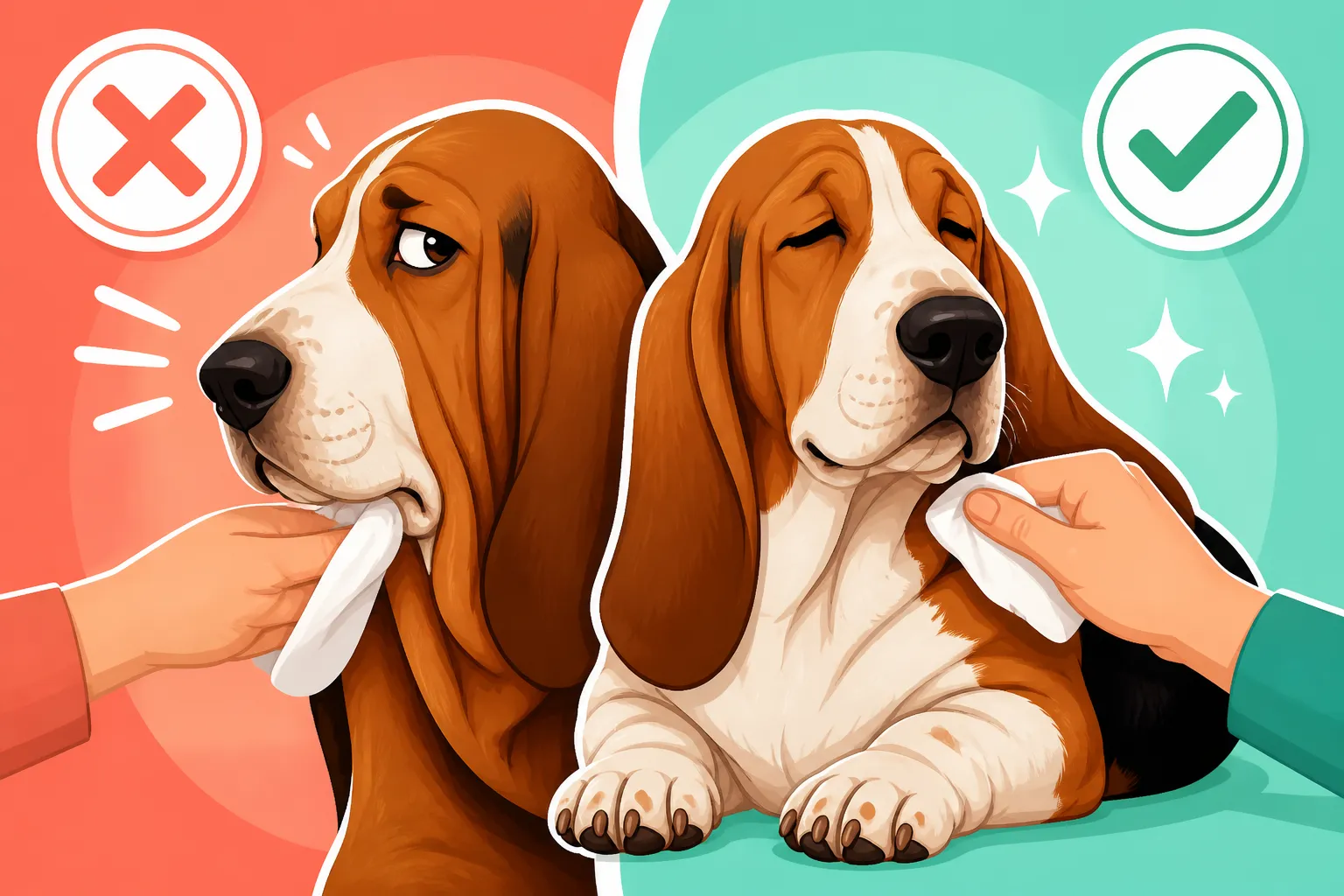
Whether a Basset Hound Lets You Clean Its Folds
Anyone who’s ever spent five minutes with a Basset Hound knows their adorable, wrinkly faces are a huge part of their charm. But let's be real, those charming folds also come with a unique set of challenges, especially when it comes to keeping them clean and healthy. This guide is all about whether your Basset Hound will actually let you tend to their folds, how to make it a positive experience for both of you, and why this routine care is so incredibly important for their comfort and lifelong well-being.
Understanding the Basset Hound's Unique Skin Folds
Basset Hounds are famous for their endearing, droopy skin and expressive wrinkles, particularly around their face and neck. While undeniably cute, these unique physical traits, which were originally bred to help them trap scent while on the trail, also create areas where moisture, dirt, and bacteria can accumulate. Many a Basset owner has been caught off guard by the sheer amount of maintenance these lovely folds require, and it's perfectly normal to feel a bit overwhelmed at first.
Why Basset Hounds Have So Many Folds
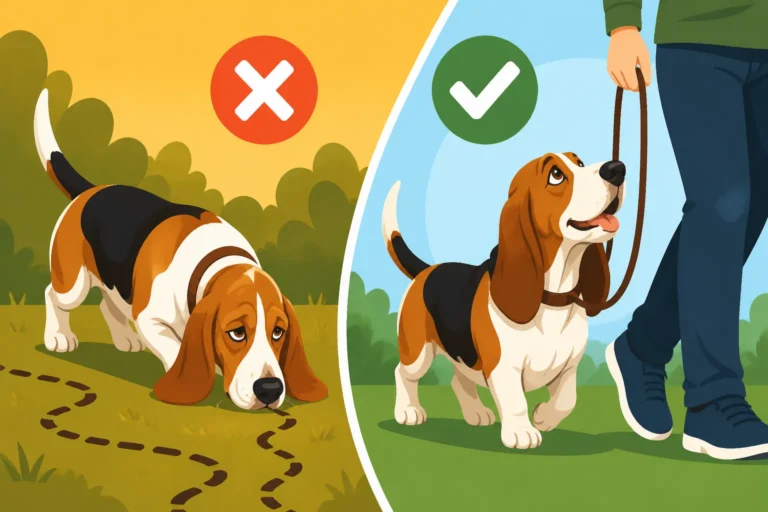
The characteristic loose skin of a Basset Hound isn't just for show; it's a deliberate part of their historical breeding. This excess skin, particularly around the head, forms deep wrinkles and a significant dewlap (the loose skin under their chin). When they are trailing with their nose to the ground, these folds and their long ears actually help to gather and concentrate scent, funneling it towards their incredibly powerful noses. It's a marvel of canine engineering for scent work, but it does come with its own set of care responsibilities.
Think of it as nature's way of enhancing their super-sniffer abilities. However, what's a boon for tracking can become a burden for hygiene. These folds, especially on the face, act like tiny, warm, moist caves. If you’ve ever wondered why your Basset Hound sometimes gets that distinct, not-so-fresh smell, these unventilated skin pockets are often the culprit. Understanding this evolutionary purpose helps us appreciate why they look the way they do, and why diligent cleaning is an essential part of responsible ownership.
The sheer volume of skin means that simply wiping the surface often isn't enough. You need to gently part the folds to reach the deeper crevices, which can be a sensitive spot for some dogs. It’s a bit like trying to clean under a rumpled blanket – you have to smooth it out to get into all the nooks and crannies. This is where patience and a gentle touch become your best friends, ensuring your Basset associates fold cleaning with comfort, not discomfort.
The Health Risks Associated with Skin Folds
Neglecting a Basset Hound's skin folds can unfortunately lead to a host of uncomfortable and sometimes serious health problems. The warm, dark, and often moist environment within these wrinkles is the perfect breeding ground for various microorganisms. Many owners find themselves at the vet wondering why their Basset has persistent skin issues, only to discover the root cause is often inadequate fold care. Skin Fold Infections on a Basset Hound is a common problem.
One of the most frequent issues is pyoderma, a bacterial skin infection. This happens when bacteria, normally present on the skin, overgrow in the moist, warm folds. You might notice redness, inflammation, hair loss, crusting, or even a foul odor coming from the affected areas. Another very common problem is yeast infections, particularly caused by Malassezia. This typically manifests as greasy, red skin, often with a brownish discharge and a distinct, somewhat sweet or yeasty smell. If you’ve ever noticed your Basset Hound's skin developing a strange scent, it might be a sign of a yeast issue. Whether a Basset Hound Gets Yeast Between Its Folds is a question many owners ask.
Beyond infections, continuous irritation can lead to chronic inflammation and discomfort. Imagine having perpetually damp, itchy skin in an area you can't scratch or air out properly. It's no wonder some Basset Hounds become irritable or resistant to handling if their folds are already sore. In severe, long-standing cases, the skin can thicken, become scarred, or even develop painful ulcers. These issues not only cause physical pain but can also affect your dog's overall mood and willingness to engage, making the simple act of cleaning even harder.
Common Areas Where Folds Cause Trouble
While Basset Hounds are gloriously wrinkly all over, certain areas are particularly prone to problems and require extra attention. Knowing these hotspots can help you focus your cleaning efforts and spot potential issues before they become serious. It's not just about the face; their entire body structure contributes to these potential trouble zones.
The most obvious problem areas are the facial folds, especially around the eyes, nose, and mouth. The deep wrinkles above the eyes can collect tear stains and debris, while the folds around the muzzle often trap food particles and moisture from drinking, leading to irritation. The prominent dewlap under their chin and neck is another significant area; because it often drapes over the chest, it can remain damp from drool, water, or just general humidity. This continuous dampness, especially in humid climates, can quickly lead to skin maceration and infection if not regularly cleaned and dried.
Don't forget the folds around their chest and armpits! While less visible, the loose skin in these areas can rub against itself, creating friction and trapping sweat and dirt, especially if your Basset is a bit on the heavy side. The skin between their toes can also be prone to issues, especially if they have deeper webbing or spend a lot of time in wet conditions. Even though we’re focused on the main folds, a general awareness of their entire skin structure is beneficial. Ultimately, a thorough weekly check and cleaning are paramount, covering all these potential problem spots.
Building a Positive Fold-Cleaning Routine
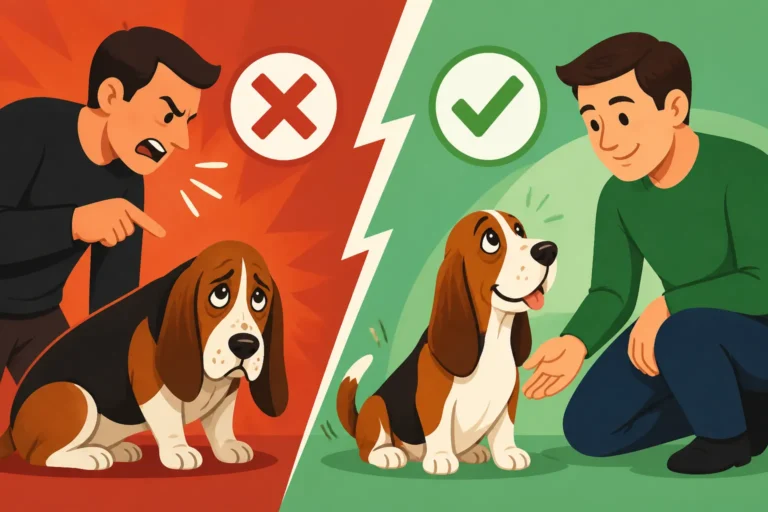
Getting your Basset Hound to "let you" clean their folds isn't about dominance or force; it's about building trust, positive association, and a routine that feels comfortable and predictable for them. Many Basset Hounds can be quite opinionated, and if an experience is unpleasant, they'll certainly let you know! The good news is that with patience and the right approach, even the most sensitive Basset can learn to tolerate, and even enjoy, their spa time.
Starting Early with Your Basset Hound Puppy
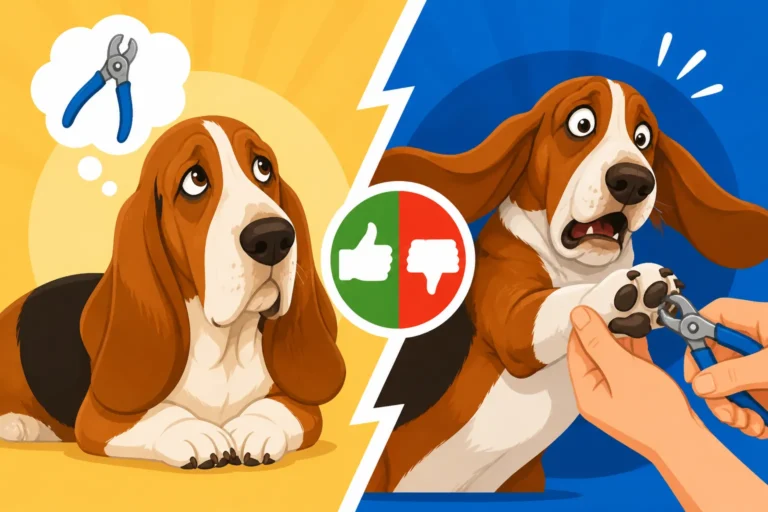
The absolute best time to introduce fold cleaning is when your Basset Hound is a puppy. Their minds are sponges, and positive early experiences lay the groundwork for a lifetime of cooperative care. Don't wait until there's a problem, or until your pup is a year old and set in their ways. Start gently and make it fun. This is also a crucial time for other types of handling, like getting them used to ear cleaning and nail trims. The First Year With a Basset Hound Puppy involves many such foundational steps.
Begin with very brief, gentle touches to their face and neck folds, always followed immediately by a high-value treat and praise. For example, touch a fold for a second, say "Good boy/girl!" and give a tiny piece of cheese or a delicious training treat. Gradually increase the duration and intensity of the touch. Don't rush it. The goal isn't to clean deeply yet, but to create a positive emotional response to being handled in those areas. You want them to think, "Oh, human touching my face means yummy snacks!"
Consider incorporating these "touch and treat" sessions into daily cuddle time. While they're relaxed and sleepy on your lap, gently lift a fold, give a treat, then move on. Keep the sessions short, positive, and end on a good note. Never force it. If your puppy pulls away, simply let them, wait a moment, and try again more gently. Training resources, such as those offered by BAXTER & Bella, often emphasize these foundational positive reinforcement techniques for cooperative care, which are invaluable for breeds like the Basset Hound.
Desensitization and Positive Reinforcement
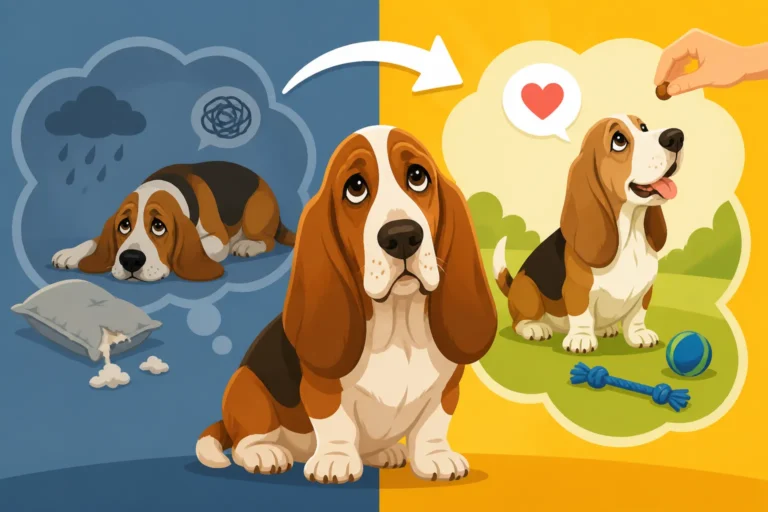
For an older Basset Hound who might already be wary or even resistant to fold handling, a systematic approach called desensitization and counter-conditioning is key. This means gradually exposing them to the process in a non-threatening way and changing their emotional response from negative to positive. It takes time, consistency, and a generous supply of their favorite treats. Getting a Basset Hound Used to Ear Handling as a Puppy shares similar principles for successful desensitization.
Start without any cleaning tools. Just use your fingers, as described for puppies. Touch a fold lightly, then immediately reward. Do this multiple times a day, for very short durations. Once they are comfortable with your touch, introduce the actual cleaning wipe or cloth. Let them sniff it. Place it near their face, reward. Touch a fold briefly with the dry wipe, reward. The trick is to go at their pace, not yours. If they show any signs of stress – yawning, licking lips, turning head away – you've gone too far too fast. Go back a step.
Once they tolerate the dry wipe, you can introduce a damp wipe, still very gently. Wipe a tiny spot, reward. The idea is to break down the entire process into minute, manageable steps. Remember, positive reinforcement isn't just about giving treats; it's about making the experience pleasurable. Soft voices, gentle movements, and a calm demeanor from you are just as important as the tasty reward. Over time, your Basset will learn to associate the cleaning process with good things, making the whole routine much less stressful for both of you.
Tools and Techniques for Effective Cleaning
Having the right tools can make a world of difference in how cooperative your Basset Hound is during fold cleaning. Fumbling with inappropriate supplies can prolong the process and make it uncomfortable. You don't need a huge arsenal, but a few key items will be incredibly helpful. You can find a great variety of specialized wipes and gentle cleansers on platforms like Amazon.
Here’s a simple table of recommended tools:
| Tool | Purpose | Key Features |
|---|---|---|
| Veterinary Wipes | Gentle cleaning, antibacterial/antifungal properties for problematic folds | Often contain chlorhexidine or ketoconazole; fragrance-free, pH-balanced |
| Soft Cotton Pads | General cleaning for less problematic folds, applying gentle solutions | Lint-free, soft texture to prevent irritation |
| Baby Wipes | For quick, gentle general cleaning (ensure they are fragrance-free!) | Hypoallergenic, alcohol-free, often soothing ingredients like aloe |
| Gentle Cleanser | Diluted, vet-approved solutions for deeper cleaning or stubborn dirt | Mild, non-irritating, can be water-based or specific pet formulations |
| Soft Towel/Cloth | Essential for drying folds thoroughly after cleaning | Absorbent, soft microfibre or cotton; dedicated "fold-drying" cloth is good |
| High-Value Treats | Crucial for positive reinforcement and distraction | Your Basset's absolute favorite; small, easy to swallow |
When it comes to technique, always be gentle. Gently part the folds to expose the skin underneath. Wipe away from the eye area if cleaning facial folds. Use a fresh part of the wipe or a new pad for each distinct area to avoid spreading bacteria. After cleaning with a damp wipe or solution, always follow up with a dry cloth or soft tissue to ensure the area is completely dry. Moisture is the enemy in these folds! A tiny bit of cornstarch (unscented) can also be used sparingly in very damp folds, after they are clean and dry, to help absorb residual moisture, but consult your vet first, especially if there's any active irritation.
Dealing with Resistance and Problem Folds
Even with the best intentions and a consistent positive routine, some Basset Hounds might still resist fold cleaning, or develop issues despite your best efforts. It's frustrating, absolutely. You might feel like you're doing everything right, and they're still unhappy or developing skin problems. Remember, Basset Hounds are often stoic, and sometimes a seemingly minor resistance can actually be a sign of deeper discomfort.
Recognizing Signs of Discomfort or Pain
Understanding your Basset Hound's body language is critical, especially when dealing with something as sensitive as their skin folds. They can't tell you in words if something hurts, so it's up to us to observe their cues. If your Basset Hound suddenly becomes resistant to handling an area they once tolerated, or if they seem particularly grumpy during cleaning, it's a red flag. It’s important to differentiate between general stubbornness and genuine pain or discomfort.
Signs of discomfort or pain can include flinching, yelping, nipping, pulling away sharply, lip licking, excessive yawning, turning their head away, or even trying to hide. Sometimes, they might seem generally lethargic or have a decreased appetite if the pain is significant. Visually, look for redness, swelling, hair loss, discharge (yellow, green, or brown), crusting, or a strong, unpleasant odor from the folds. Any of these signs indicate a potential infection or irritation that needs more than just routine cleaning. Don't ignore these signals; a quick check can prevent a small issue from becoming a big, painful problem.
If you notice any of these symptoms, it’s time to pause the regular cleaning routine and contact your veterinarian. Attempting to clean an already inflamed or infected area can be very painful for your dog and might even worsen the condition. Your vet can diagnose the specific issue, prescribe appropriate medication (like topical antibiotics or antifungals), and guide you on the best way to manage the affected folds. Proactive veterinary care for these issues can save your Basset Hound a lot of pain and save you from larger vet bills down the line. What a Basset Hound's Skin Fold Infection Costs to Treat can be significant, so early intervention is key.
When Professional Help is Needed
There are times when even the most diligent owner, armed with the right tools and positive reinforcement, needs to call in the professionals. Don't feel like a failure if this happens; some fold issues are simply beyond routine home care. Knowing when to seek professional help from your veterinarian or a professional groomer can prevent prolonged suffering for your Basset Hound and resolve issues more quickly.
If you suspect an infection (redness, pus, foul odor, pain), a vet visit is non-negotiable. They can properly diagnose whether it's bacterial, yeast, or a combination, and prescribe specific medications. Sometimes, severe or chronic fold infections may require oral antibiotics or antifungals in addition to topical treatments. In rare, extreme cases where medical management repeatedly fails, a veterinarian might discuss a surgical procedure called a fold resection (removing the problematic skin fold) to permanently resolve the issue. This is usually a last resort for chronic, painful conditions that impact the dog's quality of life.
For routine, but difficult, Basset Hounds, a professional groomer can also be a fantastic resource. A good groomer experienced with Basset Hounds can teach you techniques, recommend products, and often has a knack for handling dogs who are less than thrilled about being cleaned. They can help with nail trims and overall hygiene, and sometimes a fresh start with a professional cleaning can make ongoing home care easier. They can also often spot issues you might miss. Remember to choose a groomer who uses positive, gentle handling methods, especially for a breed as sensitive as a Basset.
Consistency is Key for Long-Term Success
Ultimately, ensuring your Basset Hound lets you clean their folds boils down to unwavering consistency and patience. There are no shortcuts with Basset Hounds; they thrive on routine and predictability. Establishing a regular schedule, whether it's daily spot checks or a twice-weekly thorough cleaning, will make the process smoother for everyone involved. The Twice Weekly Ear Ritual a Basset Hound Owner Signs Up For highlights a similar commitment required for their long ears.
Think of it as brushing your own teeth. You wouldn't skip it for weeks and then expect a quick fix. Similarly, neglecting your Basset's folds for too long only allows problems to fester, making the next cleaning session harder and potentially more painful. Even on busy days, a quick wipe and dry of the most problematic folds is better than nothing. Make it a habit, like mealtime or walkies, and integrate it seamlessly into your Basset's day.
Beyond the physical act of cleaning, maintaining a calm and positive attitude yourself is paramount. Dogs pick up on our stress. If you approach fold cleaning with dread, your Basset will sense it and likely mirror that anxiety. Keep the tone light, use soothing words, and always, always end with praise and a reward. Over time, this consistent, positive reinforcement will transform a dreaded chore into a manageable, and perhaps even anticipated, part of your Basset Hound's routine. It's a commitment, yes, but one that ensures your wrinkly friend stays healthy, happy, and smelling sweet.
Disclaimer
This article is for general informational purposes only and does not constitute professional advice. Laws, prices and regulations vary by location and change over time. Consult a qualified professional for guidance on your specific situation.