Whether a Basset Hound Objects to Nail Trims
If you've ever found yourself wrestling a floppy, vocal Basset Hound, covered in dog hair and possibly a little drool, all while trying to trim its nails, then you know the struggle is real. It's a task many Basset owners dread, but one that is absolutely crucial for their comfort and health. This comprehensive guide is here to walk you through why your Basset might be giving you such a hard time about nail trims and, more importantly, how to make the experience less of a battle and more of a calm, even positive, routine.
Why Basset Hounds Develop a Strong Dislike for Nail Trims
It’s easy to think your Basset is just being stubborn, but their aversion to nail trims often stems from deeper, very real reasons. These aren't just silly quirks; they're rooted in their physical makeup and past experiences. Understanding these underlying causes is the first step toward finding a more peaceful solution for both of you.
The Sensitive Nature of a Basset Hound's Paws
A Basset Hound's paws, while robust for tracking scents over varied terrain, are surprisingly sensitive when it comes to direct handling and manipulation. Each toe contains a quick, a bundle of blood vessels and nerves that extends into the nail. For many Bassets, the thought of this area being touched, let alone cut, can be incredibly unnerving. Imagine someone constantly poking at your sensitive fingernail beds; it’s not pleasant.
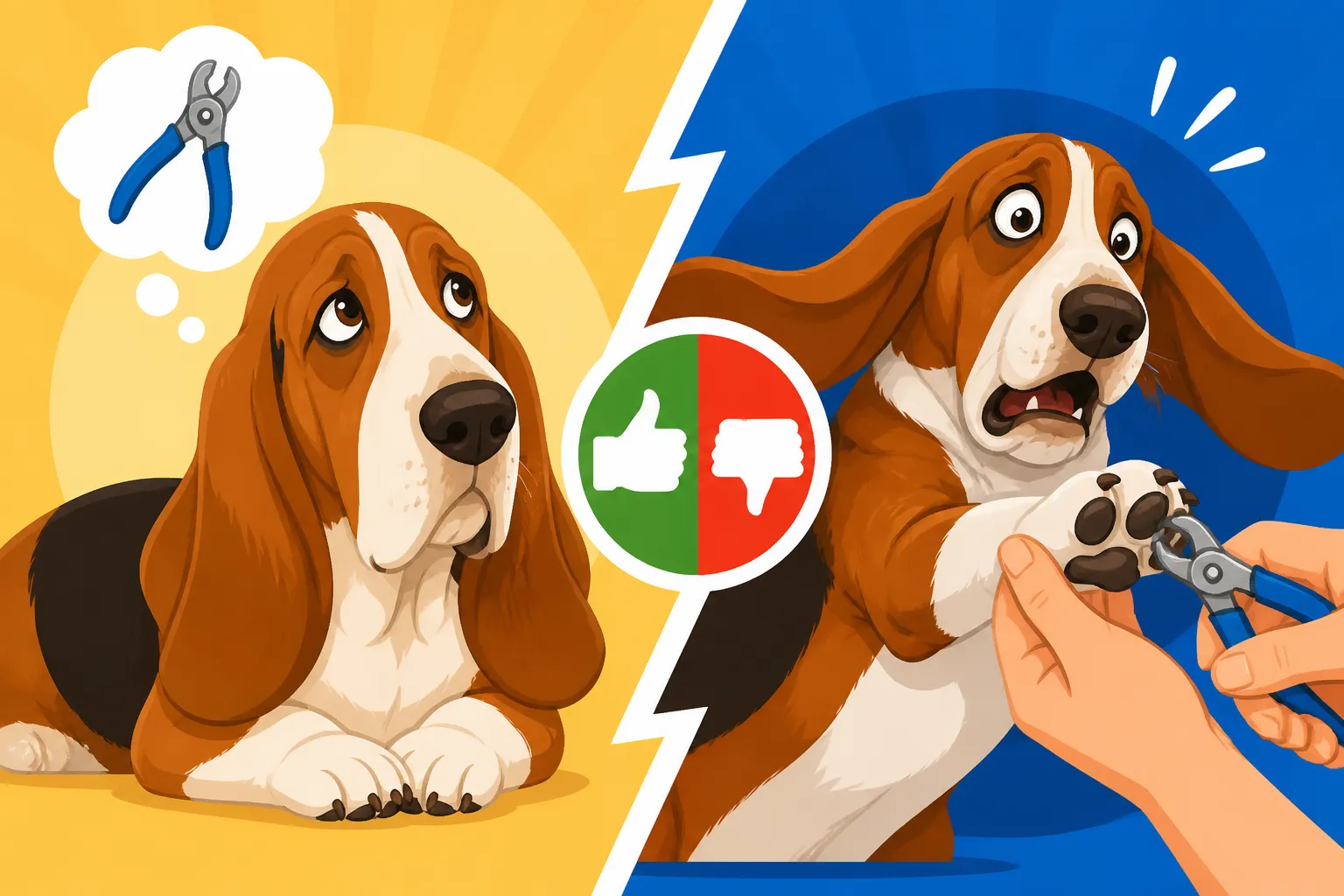
Furthermore, Basset Hounds have thick, dense nails, often dark in color, which makes identifying the quick even more challenging for owners. A single accidental cut into the quick is incredibly painful and can bleed quite a bit, instantly creating a traumatic memory. This isn't just a fleeting discomfort; that sharp, searing pain can instill a deep-seated fear, making every subsequent attempt at nail trimming a high-stress event for your dog. They associate the clippers, the position, and even your touch with that past agony.
Early Experiences and Negative Associations
Just like humans, dogs learn through association, and Basset Hounds, with their keen memories, are no exception. If their first experiences with nail trims were rushed, painful, or simply overwhelming, they can quickly develop a strong negative association that lasts a lifetime. Perhaps a puppy's nails were trimmed too aggressively by a previous owner or a groomer who wasn't familiar with their particular sensitivity.
Without proper, gentle introduction and positive reinforcement from a young age, a Basset Hound puppy might never learn to tolerate the process. Instead, they learn to brace, pull away, or even snap as a defense mechanism. This doesn't mean your dog is "bad"; it means they've learned that nail trims are something to be feared and avoided at all costs. Over time, this fear can generalize to anything related to paw handling, making even simple checks difficult. For some Bassets, the sight of the clippers or the sound of the grinder is enough to send them scurrying under the nearest piece of furniture. A positive beginning, such as discussed in The First Year With a Basset Hound Puppy, is so important for these foundational care tasks.
Physical Discomfort from Long Nails
It might seem counterintuitive, but overgrown nails themselves can contribute to a Basset's objection to trimming. When a dog's nails grow too long, they push up into the nail bed, putting pressure on the sensitive toe joints. This constant pressure can be quite painful and can even alter their gait, forcing them to walk on the backs of their paws rather than their pads.
Imagine walking in shoes that are too small, constantly stubbing your toes. That's a bit like what a Basset Hound experiences with long nails. The discomfort makes their paws a source of chronic pain, making them even more reluctant to have them touched. It’s a vicious cycle: long nails cause pain, which makes them hate trims, which means the nails get longer, and the pain intensifies. This can even contribute to more significant issues like Arthritis in a Basset Hound at Seven or general discomfort in their unique skeletal structure, impacting their overall mobility and quality of life.
Understanding the Importance of Regular Nail Care
While the struggle of nail trims can be incredibly frustrating, it's vital to remember that regular nail care isn't just a cosmetic concern; it's a fundamental aspect of your Basset Hound's overall health and well-being. Neglecting this crucial task can lead to a cascade of painful and potentially serious issues that impact their quality of life.
Preventing Pain and Mobility Issues
The Basset Hound's unique conformation, with their heavy bone and short, bowed legs, means that properly maintained nails are even more critical than for many other breeds. When nails become too long, they hit the ground before the paw pads do. This contact forces the toes backward, putting unnatural pressure on the delicate bones and joints of the paw. This chronic pressure can lead to severe discomfort and pain in their feet, hocks, and even up their legs and spine.
Over time, this unnatural gait can contribute to or exacerbate conditions like arthritis, particularly in older Bassets. The improper weight distribution can strain ligaments and tendons, leading to lameness and a reluctance to walk or play. You might notice your Basset struggling to get up, walking hesitantly, or even avoiding hard surfaces. This is often a direct result of the pain caused by overgrown nails impacting their entire skeletal structure. A Basset Hound that struggles to stand, like The Old Basset Hound That Cannot Get Off the Floor, might actually find immense relief from properly trimmed nails.
Avoiding Injuries and Infections
Long nails are not just uncomfortable; they are a significant injury risk. They can easily snag on carpets, furniture, or uneven terrain, leading to painful tears or even avulsion (the entire nail being ripped off). A torn nail often exposes the quick, which is excruciatingly painful and prone to infection. These injuries often require veterinary attention, including pain medication, antibiotics, and sometimes even sedation for proper cleaning and bandaging.
Beyond acute injuries, dirt and debris can accumulate more easily under long nails, creating a breeding ground for bacteria and yeast. This can lead to persistent paw infections, which manifest as redness, swelling, licking, and an unpleasant odor. These infections are not only uncomfortable for your Basset but can be challenging and costly to treat, often requiring long courses of medication. The prevention of such issues begins with consistent, proper nail care.
Impact on Posture and Skeletal Health
The Basset Hound's distinctive body shape, with its long back and short legs, already predisposes them to certain skeletal challenges, such as The Back Trouble a Basset Hound Is Built Into. Long nails can significantly worsen these issues by altering their posture and weight distribution. When nails are too long, a Basset will naturally shift its weight backward, away from its toes, to relieve the pressure.
This compensatory posture, maintained over time, puts undue stress on their joints, hips, and especially their spine. It can lead to muscle strain, imbalances, and even contribute to conditions like intervertebral disc disease (IVDD) by changing how their spine carries weight. Ensuring nails are kept short allows your Basset to stand and walk in a natural, balanced way, which is crucial for supporting their heavy frame and protecting their vulnerable back. It’s a small detail that has a profound ripple effect on their entire physical well-being.
Essential Tools and Techniques for a Less Stressful Trim
Once you understand why nail trims are so important and why your Basset might be resisting, the next step is equipping yourself with the right tools and knowledge to make the process as smooth as possible. Having the proper equipment and a clear, gentle technique can significantly reduce stress for both you and your furry friend.
Choosing the Right Nail Trimmers or Grinders
The market is flooded with various nail trimming tools, and finding the right one for your Basset Hound's thick, often dark nails is key. There are two main categories: clippers and grinders.
Nail Clippers:
- Guillotine Style: These have a small hole where you insert the nail, and a blade slides across to make the cut. They can be effective for thick nails but require a firm, quick squeeze to avoid crushing the nail, which can be uncomfortable.
- Scissor Style (Plier Style): These resemble small pliers with sharp, curved blades. They offer more control and a clear view of the nail, which can be advantageous, especially for Bassets with dark nails where the quick is harder to see. Many professional groomers favor this style for its precision.
Nail Grinders:
These battery-operated rotary tools file the nail down gently. They eliminate the risk of cutting the quick in one swift motion and can be less intimidating for dogs sensitive to the "snip" sound and sensation of clippers. However, they create a vibration and a distinct sound, which some Bassets might find alarming. They also generate heat, so you must use them in short bursts, touching the nail for only a second or two at a time. Many Basset owners find that a grinder, though initially requiring desensitization, offers a smoother experience in the long run.
For either option, ensure the tool is sharp and well-maintained. Dull clippers can crush or splinter the nail, causing pain, while a worn-out grinder won't be efficient. You can find a wide array of options on platforms like Amazon, from basic clippers to advanced grinders, allowing you to compare features and read reviews from other dog owners.
Here's a quick comparison:
| Feature | Nail Clippers (Scissor/Guillotine) | Nail Grinders |
|---|---|---|
| Method | Quick, decisive cut | Gradual filing and shaping |
| Speed | Faster if dog cooperates | Slower, requires patience |
| Risk of Quicking | Higher if quick is not visible or misjudged | Lower, but still possible if overdone |
| Sound | "Snip" sound, can be startling | Vibrating hum, can be startling or soothing |
| Feel | Pressure/pinch | Vibration, warmth |
| Nail Finish | Can leave sharp edges | Smooth, rounded edges |
| Best For | Quick trims on cooperative dogs, clear quicks | Anxious dogs, dark nails, quick retraction |
Creating a Positive and Calm Environment
The environment you create for nail trims is just as important as the tool you use. Your Basset Hound will pick up on your stress, so staying calm yourself is paramount. Choose a quiet time when both you and your Basset are relaxed, perhaps after a short, gentle walk or a cuddle session, but before mealtime so they're not overly stimulated by hunger.
Designate a specific, comfortable spot for nail trims. This could be on a soft blanket on the floor, on a sturdy table with a non-slip mat, or even on your lap if your Basset is small enough and comfortable there. Make sure it's well-lit so you can clearly see the nails. Have high-value treats ready – think small, soft, and extremely appealing morsels. If your Basset isn't particularly food motivated, a favorite toy or a gentle, soothing voice can also work wonders. The goal is to make this dedicated space synonymous with positive experiences. Remember, the less like a vet visit, the better.
Step-by-Step Trimming Techniques
Once you have your tools and a calm environment, it’s time for the actual trim. Remember, patience is key. Aim for short, frequent sessions rather than trying to do all nails at once.
- Prepare Your Supplies: Have your clippers or grinder, styptic powder (or cornstarch) in case of an accidental quicking, and a generous supply of high-value treats within easy reach.
- Position Your Basset: Gently position your Basset in a way that allows you comfortable access to their paws without causing them discomfort or forcing them into an awkward stance. Many Bassets do well lying on their side, while others prefer sitting or even standing if you can support their weight effectively.
- Handle the Paw Gently: Pick up a paw and gently but firmly hold a toe. Basset Hounds have a fair bit of loose skin around their paws, so you might need to stretch the skin back slightly to clearly expose the nail. Praise and offer a treat immediately for allowing you to touch their paw.
- Identify the Quick: For light-colored nails, the quick is easily visible as a pink area. For dark nails, it’s much harder. Look for the crescent-shaped tip of the quick when viewed from the underside of the nail. If you’re unsure, it’s always better to take off tiny slivers at a time. The very center of the nail, as you cut, will typically appear chalky white before you get close to the quick's pink or black center.
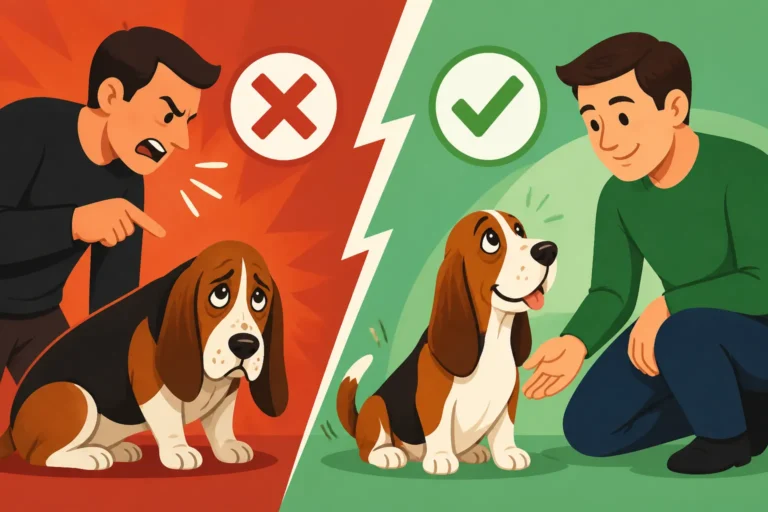
- The Cut (Clippers): Make a quick, clean cut at a 45-degree angle, just before the quick. If your Basset pulls away, stop, comfort them, and offer a treat. Don't punish them for being uncomfortable; it will only worsen the association.
- The File (Grinder): If using a grinder, turn it on before bringing it near your Basset's paw so the initial sound isn't startling. Touch the grinding head to the nail for just a second or two, then lift. Repeat, gradually shaping and shortening the nail. Continuously check for heat buildup.
- Reward, Reward, Reward: After each nail (or even after touching a paw without a trim), offer praise and a high-value treat. End the session on a positive note, even if you only managed one nail. The idea is to build a positive association, step by step.
If you accidentally cut the quick, apply styptic powder immediately with firm pressure. While it's upsetting, try to remain calm; your Basset will mirror your emotions. A single accident doesn't mean all is lost, but it does mean you'll need to go back to basics with desensitization. The goal is to keep the nails short enough so they do not click on hard floors, as discussed in How Often a Basset Hound's Nails Need Cutting.
Building Trust and Positive Associations with Nail Care
If your Basset Hound already has a strong aversion to nail trims, simply attempting to power through it will likely only worsen the problem. The key is to systematically change their emotional response through desensitization and counter-conditioning. This process requires patience, consistency, and a generous amount of positive reinforcement, but it’s absolutely worth it for a calmer, happier Basset.
Desensitization and Counter-Conditioning
This isn't a quick fix, but it's the most effective long-term strategy for fearful Bassets. The goal is to gradually expose your dog to the nail trimming stimuli while pairing it with something positive, like high-value treats, to change their emotional response from fear to anticipation.
- Start with Touch: Begin by simply touching your Basset's paws gently, rewarding them with a treat after each touch. Do this multiple times a day, keeping sessions very short (a few seconds). Gradually increase the duration and intensity of the touch, working your way up to holding each paw, then individual toes. Always stop before your Basset shows signs of stress.
- Introduce the Tools (Sight): Once your Basset is comfortable with paw handling, bring out the clippers or grinder. Don't touch them to the paw yet. Simply place them on the floor nearby, reward, and put them away. Over several days, gradually bring the tools closer to your Basset, always pairing their presence with treats.
- Introduce the Tools (Sound/Feel): For clippers, practice clicking them in the air, away from your Basset, while feeding treats. For grinders, turn it on for a second or two in another room, then near your Basset, gradually bringing it closer, always with treats. The goal is for the sound to predict something good.
- Simulated Trims: Once your Basset tolerates the sight and sound of the tools, start performing "fake" trims. Hold the clippers near a nail and pretend to snip, then immediately give a treat. Or, for a grinder, touch it (while off) to a nail, then reward. Gradually work up to actually touching the clipper blades or grinder head to a nail without cutting or filing, just for a fraction of a second, then immediately treat.
- The First Actual Trim: When your Basset is genuinely relaxed with all previous steps, attempt to trim one tiny sliver off one nail. Make it quick, offer the highest value treat, and then end the session. Build up slowly from there, one nail at a time, over days or even weeks. Never rush.
Many online training resources, including comprehensive programs from companies like BAXTER & Bella, often include detailed modules on desensitization for grooming tasks. These programs can offer structured guidance and support for owners tackling this challenging behavior.
Regular Handling and Praise
Consistency is the bedrock of building trust. It's not enough to only handle your Basset's paws when it's time for a trim. Incorporate gentle paw handling into your daily routine. During cuddle sessions, while watching TV, or when relaxing together, simply pick up a paw, gently rub their toes, and praise them.
This regular, low-stress handling helps normalize the sensation and reinforces that your touch around their paws is safe and loving, not always associated with the dreaded clippers. The more comfortable your Basset is with casual paw contact, the less alarming it will be when the clippers or grinder eventually make an appearance. Always use a calm, reassuring voice and positive reinforcement, letting them know they are a good dog for tolerating your touch.
Professional Help and Sedation Options
Despite your best efforts, some Basset Hounds have such a profound fear or history of trauma that home nail trims remain impossible. In such cases, don't feel like a failure. Seeking professional help is a responsible and often necessary step.
- Professional Groomers: Many experienced groomers are skilled in handling fearful dogs and use specialized techniques to make the process smoother. They might have a dedicated setup or use a different approach that your Basset responds to better.
- Veterinary Staff: Your veterinarian and their technicians are also experts in handling dogs, especially those with medical anxieties. They can often perform nail trims quickly and efficiently in a clinical setting.
- Veterinary Behaviorists: For severe cases of phobia, a veterinary behaviorist might be able to offer a tailored behavior modification plan, potentially including prescription anti-anxiety medication to help reduce your Basset's stress during the process.
- Sedation: In extreme cases, where fear is overwhelming and poses a risk to both the dog and the handler, light sedation might be recommended by your vet. This is typically a last resort but can be a humane option for Bassets who become uncontrollably distressed. It ensures the nails can be trimmed without causing further trauma, allowing the dog to remain calm and safe. This might be a topic to discuss with your vet alongside other routine care like Whether a Basset Hound Needs a Yearly Eye Pressure Check.
Remember, the goal is always your Basset's comfort and health. If you can't achieve it at home, there's no shame in enlisting the help of professionals.
Managing the Basset Hound's Unique Paw Structure
Basset Hounds aren't built like other dogs, and their distinctive paws present specific challenges when it comes to nail care. Understanding these anatomical quirks can help you approach trimming with greater confidence and effectiveness, making the process safer and more comfortable for your floppy-eared companion.
The Thick, Tough Nails of a Basset Hound
One of the first things you'll notice about a Basset Hound's nails is how incredibly thick and sturdy they are. Unlike some breeds with finer, more delicate nails, Bassets possess strong, dense claws built for gripping terrain and digging while on a scent trail. This thickness means that using flimsy or dull clippers is not only ineffective but can be painful, leading to crushed nails rather than clean cuts.
Their nails are often dark, making it nearly impossible to see the internal quick with the naked eye. This inherent challenge increases the risk of cutting too deep, which, as we've discussed, can quickly create a traumatic experience. Owners often find themselves hesitant, taking off too little nail out of fear, which then perpetuates the problem of overgrown nails. This is where a good quality, sharp scissor-style clipper or a powerful grinder becomes invaluable. Taking small, incremental cuts, even if it takes longer, is far better than a single, painful mistake. It's often helpful to look at the underside of the nail where the quick recedes from the tip as the nail grows.
Navigating the Droopy Skin and Loose Paws
The Basset Hound is renowned for its charmingly loose skin, particularly around its face, neck, and, yes, its paws. While this contributes to their endearing, mournful expression, it can also complicate grooming tasks like nail trims. The excess skin around their toes can make it difficult to isolate each nail cleanly, obscuring the view and increasing the risk of accidentally nipping the skin along with the nail.
When trimming, you'll need to gently but firmly hold the paw, carefully pulling back any loose skin or fur to ensure a clear line of sight and an unobstructed path for your tool. It requires a delicate touch and steady hand to maneuver the skin away from the nail before making a cut or applying the grinder. Don't be afraid to take your time to properly position the paw and the skin before each individual nail. Practicing this handling during non-trimming times can help your Basset become more accustomed to the manipulation required, as detailed in Teaching a Basset Hound to Tolerate Ear Cleaning, which also requires careful handling of loose skin.
Frequency and Consistency Are Key
Given their thick nails and the difficulty in seeing the quick, frequency and consistency are paramount when it comes to Basset Hound nail care. It’s a common misconception that if a dog’s nails are currently short, you can wait weeks or even months before the next trim. However, the quick inside the nail actually grows with the nail. If nails are allowed to get long, the quick will also extend, making it harder to trim them short without causing pain.
The best strategy is to trim a small amount off the tips of your Basset’s nails every week or two, rather than trying to take off a large amount less frequently. This regular, light trimming encourages the quick to recede over time, allowing you to gradually shorten the nail further and further back to a healthy length. Not only does this make the process less intimidating for both of you, but it also ensures their paws remain in optimal condition, preventing the discomfort and mobility issues associated with overgrown nails. If you find your Basset strongly objects to nail trims, you may want to consult with your vet or a certified professional dog trainer for guidance. Their expertise can provide invaluable support in making nail care a stress-free routine for your beloved Basset.
Disclaimer
This article is for general informational purposes only and does not constitute professional advice. Laws, prices and regulations vary by location and change over time. Consult a qualified professional for guidance on your specific situation.