Whether a Basset Hound Prefers a Pack
It's a common dilemma for Basset Hound owners, or those considering bringing one of these wonderfully floppy-eared companions into their lives: does my Basset Hound truly prefer to be part of a "pack," or are they content as a solo pet? Many people assume their laid-back nature means they're perfectly happy alone, but the truth is, a Basset Hound's deep-rooted heritage makes companionship a far more enriching experience for them. This guide will delve into the ancestral needs of your Basset and explore how you can best fulfill their inherent desire for social connection, whether that means adding another furry friend or simply doubling down on your role as their beloved pack leader.
The Basset Hound's Ancestral Pack Mentality
Before Basset Hounds were beloved couch potatoes, they were, first and foremost, working scent hounds. Their entire existence was built around the hunt, which, for hounds, almost always meant working in a group. This isn't just a quirky historical fact; it's a fundamental part of their genetic makeup that continues to influence their behavior and emotional needs today. Understanding this pack instinct is key to truly appreciating your Basset Hound's preferences.
Tracing Back the Pack Instinct
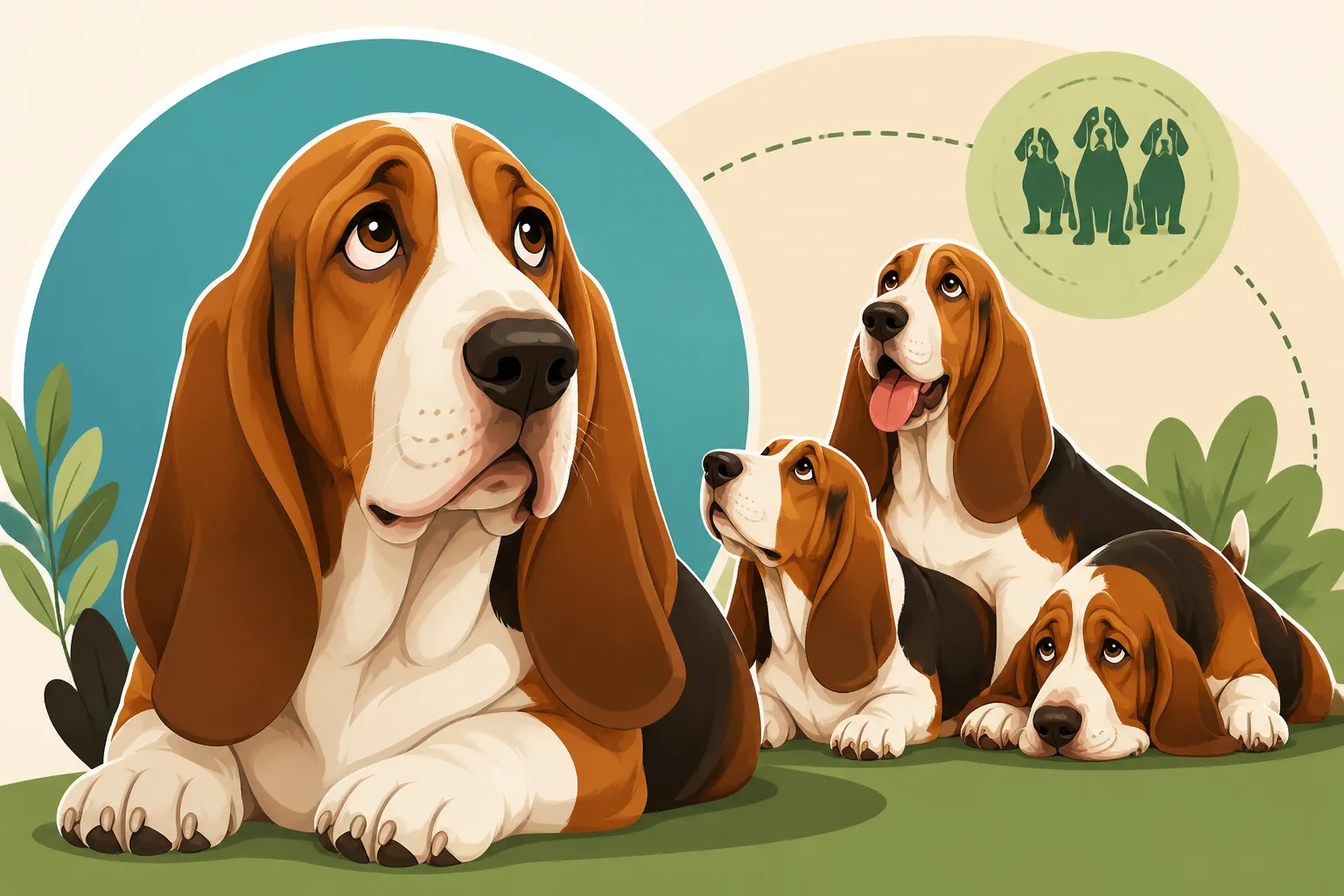
Imagine a group of Basset Hounds, noses to the ground, trailing a scent through dense underbrush. They weren't just individuals doing their own thing; they were a cohesive unit, relying on each other's keen noses, vocalizations, and collective drive to achieve a common goal. This communal effort fostered strong social bonds. They learned to communicate, to share resources (like the scent trail itself!), and to find comfort and security in numbers. This isn't about dominance hierarchies or alpha roles in the way some outdated theories suggested; it's about the innate understanding that there's safety, efficiency, and pleasure in being together. When you bring a Basset into your home, you're not just getting a dog; you're adopting an animal whose very being is wired for group interaction and shared experiences. They come from a long line of dogs who spent their days surrounded by their kin, and that doesn't just vanish with a comfy bed and a bowl full of kibble.
More Than Just Hunting Buddies
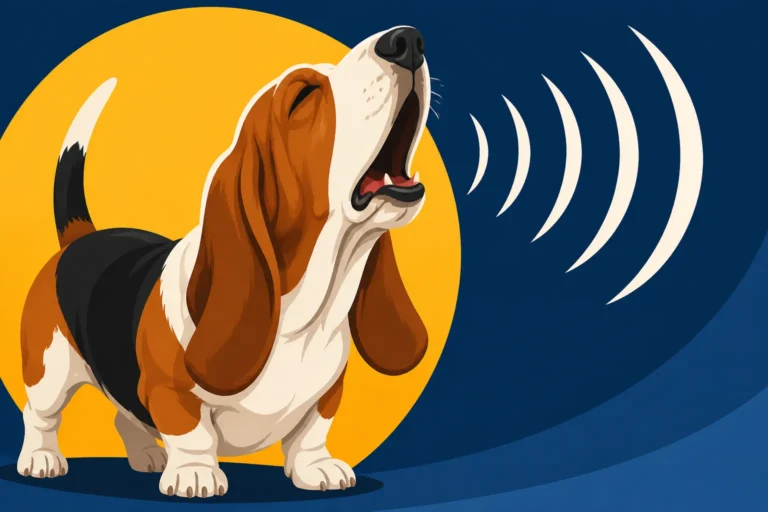
Beyond the practicalities of hunting, the pack provided immense emotional and psychological benefits. Hounds would sleep together, play together, and rely on each other for warmth and comfort. The baying that Basset Hounds are so famous for wasn't just to signal a find; it was a form of communication within the pack, a way to keep track of one another and coordinate their efforts. This constant interaction meant they were rarely truly alone. Fast forward to a modern home, and a Basset Hound that spends long hours by itself, no matter how much love it gets when you're there, can genuinely feel that something is missing. Their deep-seated comfort comes from presence and interaction. It’s why many Bassets follow you from room to room – they are keeping their pack together, making sure everyone is accounted for. This strong desire for closeness is a hallmark of the breed and a direct link to their pack-hunting past.
Understanding Your Basset Hound's Need for Company
So, how does this ancient pack instinct translate into your Basset Hound's daily life? It means they thrive on companionship, and prolonged solitude can be genuinely distressing for them. Their "pack" in a modern home might primarily be their human family, but the underlying need for constant presence and interaction remains powerful.
The Signs Your Basset Hound Craves Company
It's not always obvious when a Basset Hound is feeling the pinch of loneliness. They're often so good-natured, they might just seem a little more sleepy or less engaged. However, if you observe closely, you might notice subtle (or not-so-subtle) cues that your Basset is craving more company. Common signs can include an increase in baying or howling when left alone, which is their natural instinct to call out to their missing pack members. Some Bassets might engage in destructive behaviors, not out of malice, but as a way to cope with anxiety or boredom. Chewing on furniture, tearing up cushions, or rummaging through trash can be self-soothing behaviors for a dog feeling isolated. Whether a Basset Hound Gets Separation Anxiety is a very real concern for this breed precisely because of their innate desire for companionship. Others might become overly clingy when you are home, shadowing your every move, or even displaying attention-seeking behaviors like nudging you constantly or dropping toys at your feet, even if they don't want to play right then. A Basset Hound that seems lethargic or depressed, spending most of its alone time sleeping rather than engaging with toys or investigating sounds, could also be a quiet indicator of loneliness.
When a Human Becomes Their "Pack"
For many Basset Hounds, their human family is their pack. You represent their source of security, food, comfort, and social interaction. This is a wonderful bond, but it also places a significant responsibility on us to ensure their social needs are met. A Basset who sees you as their primary pack leader will bond incredibly deeply with you. They'll lean on you, follow you, and generally just want to be in the same room. This is why many Basset owners talk about their dogs being "velcro dogs" – they literally stick to you. This strong attachment means that when you're absent, the void can feel immense to them. It's not just missing you; it's missing their entire social structure. This can sometimes lead to Whether a Basset Hound Can Be Left Alone becoming a real challenge, as their pack instinct makes solo time a less natural state for them than it might be for some other breeds. Engaging with them, providing consistent routine, and making sure they get plenty of quality time and interaction when you are home goes a long way in fulfilling this deep-seated need.
The Benefits of a Multi-Dog Household for a Basset Hound
Given their pack heritage, it's not surprising that many Basset Hounds truly thrive in a multi-dog household. Another dog can provide a constant source of companionship, play, and comfort that even the most dedicated human simply can't always offer. This isn't to say a Basset needs another dog to be happy, but for many, it profoundly enriches their lives.
Companionship and Play
Having a canine companion means built-in entertainment and a constant presence. When you're out running errands or at work, another dog can offer a sense of security and activity. They can play together, chase each other around the yard, or simply snooze side-by-side. This kind of interaction is invaluable for a Basset Hound, whose ancestral life was full of dog-on-dog social cues and games. They learn from each other, reinforce good behaviors (and sometimes, let's be honest, bad ones!), and provide comfort. A younger Basset might learn valuable social skills from an older, more established dog, while an older Basset might find a renewed zest for life with a playful new addition. This peer-to-peer interaction is a huge part of what makes a Basset Hound feel truly at home in a "pack." They can engage in gentle wrestling, shared scent investigations, or just the quiet comfort of another canine body nearby.
Shared Experiences and Comfort
Beyond active play, there's immense comfort in shared experiences. Think about those times when a thunderstorm rolls in, or a strange noise spooks your dog. If there's another canine around, they often find reassurance in each other's presence. They might huddle together, or even feed off each other's bravery (or fear!). This mutual support system is a natural extension of their pack instincts. When you're gone, knowing there's another furry buddy to lean on can significantly reduce stress and loneliness. They share naps, patrol the fence line together, and provide a constant, low-level hum of companionship that can ward off feelings of isolation. This isn't just theory; many Basset owners report a noticeable positive change in their single Basset's demeanor after introducing a second dog. For some, it truly completes their Basset's world. If you're considering expanding your furry family, you might be surprised at how well a Basset Hound adapts, often welcoming a new companion with open paws, especially if you follow careful introduction protocols. Whether a Basset Hound Needs a Second Hound is a question many owners ponder, and for good reason, as the benefits can be profound.
| Aspect of Companionship | Solo Basset Hound (Human Pack) | Multi-Dog Household (Canine & Human Pack) |
|---|---|---|
| Primary Interaction | Human-led play & affection | Dog-on-dog play, human interaction |
| Loneliness Mitigation | Owner presence, routine | Constant canine presence, owner presence |
| Behavioral Enrichment | Puzzle toys, walks, training | Peer interaction, shared activities |
| Emotional Support | Owner comfort, predictable routine | Canine companion comfort, owner comfort |
| Physical Activity | Owner-initiated walks, play | Mutual play, owner-initiated activities |
Mitigating Loneliness Without Adding Another Dog
While a multi-dog household can be ideal for a Basset Hound, it's simply not feasible or desirable for every owner. Life circumstances, space, time, or finances might dictate that a single-dog home is the only option. The good news is, you absolutely can fulfill your Basset Hound's social needs and combat loneliness even as a solo pet owner. It just requires a conscious effort and creative strategies to become their ultimate pack leader.
Enriching the Solo Basset Hound's Life
For a Basset Hound thriving as an only dog, your role in providing rich, consistent companionship and mental stimulation is paramount. Regular, interactive play sessions are crucial. These aren't just about physical exercise, but about strengthening your bond and providing social engagement. Think about games that mimic their natural instincts, like scent work. Hiding treats around the house or yard and letting them use their incredible nose to find them can be incredibly engaging and tiring. Products found easily on Amazon, like snuffle mats or puzzle toys, can turn mealtime into a mental challenge, keeping their brains active even when you're busy. Giving a Basset Hound's Nose Something to Do is an excellent way to fulfill their innate desires. Daily walks, while important for physical health, are also prime opportunities for social interaction – with you, with other friendly dogs you meet, and with the world of smells. Vary your routes to keep things interesting. Moreover, make sure your Basset has comfortable, designated resting spots near where the family gathers. They might not always be "on" and playing, but simply being in the same room, observing their pack (you!), brings them immense comfort. Remember, a Basset Hound's ideal environment is not just physically comfortable but emotionally rich with presence and routine.
Professional Support and Socialization
Sometimes, despite our best efforts, life just gets in the way, and our Bassets spend more time alone than we'd like. This is where professional support and structured socialization can be a lifesaver. Doggy daycare, even a few days a week, can provide invaluable canine companionship and supervised play. It allows your Basset to interact with a varied "pack" of dogs in a safe environment, fulfilling that deep-seated social need. If daycare isn't an option, a reliable dog walker who can provide a mid-day visit and walk not only breaks up their solitude but also offers human interaction and a change of scenery.
For ongoing behavioral support or to help your Basset acclimate to new routines, online training resources can be incredibly helpful. Platforms like BAXTER & Bella offer comprehensive virtual training programs that can guide you through everything from basic obedience to managing common behavioral challenges. This can be particularly beneficial for owners looking to deepen their bond and communication, making their Basset feel even more secure and understood within their human pack. Attending obedience classes or even joining a local Basset Hound meetup group can also provide structured social opportunities for both you and your dog, allowing them to engage with other Bassets and reinforce their natural pack instincts in a positive way. The goal is to ensure your Basset Hound never feels truly isolated, always knowing they are a cherished and central member of your pack.
Disclaimer
This article is for general informational purposes only and does not constitute professional advice. Laws, prices and regulations vary by location and change over time. Consult a qualified professional for guidance on your specific situation.