Whether a Basset Hound Pulls Hard for Its Size
It’s a common misconception that because a Basset Hound is low to the ground and looks a bit docile, they’re easy to walk on a leash. Many a new Basset owner has quickly discovered that their seemingly placid dog can transform into a surprisingly strong, determined pulling machine the moment a captivating scent hits their incredible nose. This guide is all about tackling that specific frustration, understanding why your Basset pulls, and what you can actually do about it to make walks enjoyable again for both of you.
The Surprising Strength Behind a Basset Hound's Pull
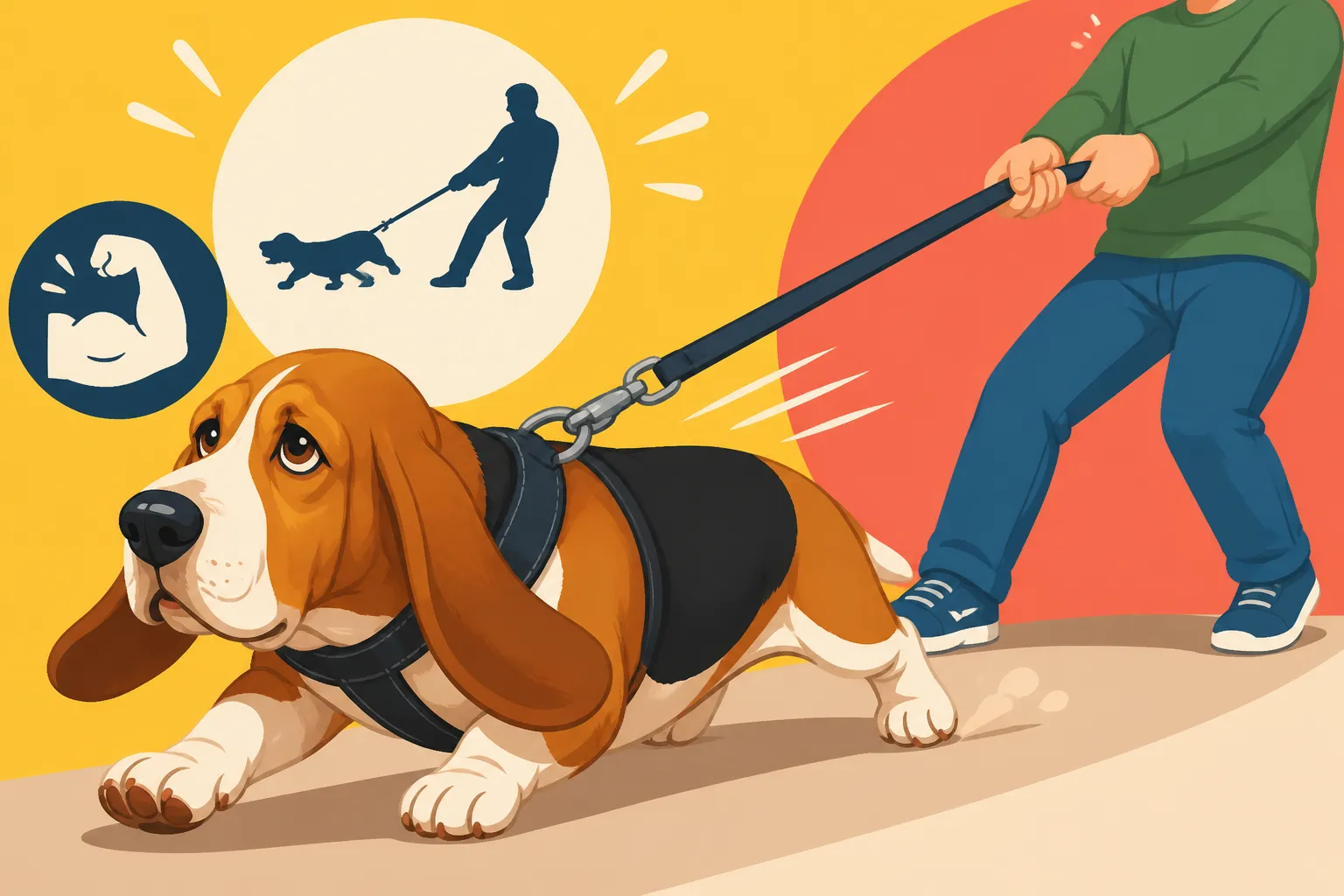
Don't let those soulful eyes and long, droopy ears fool you; Basset Hounds possess a remarkable physical strength that often catches their human companions off guard. When they lock onto a scent, their entire body becomes a lever, and they can pull with an intensity that feels much greater than their actual weight. It's not just about raw power; it's about their unique build working in conjunction with their primal drive.
Their Low Center of Gravity and Muscular Build
A Basset Hound might not look like a powerhouse, but their unique physique contributes significantly to their pulling prowess. They are built low to the ground, with short, sturdy legs, dense bone, and a surprisingly heavy body for their height. This low center of gravity means they can really lean into a pull, planting their feet and using their entire body weight to drag you forward. Imagine trying to move a heavy, wide-based object; it’s much harder than pushing something tall and slender. Your Basset Hound is that wide, heavy object.
Couple this with their deep chest and powerful musculature, particularly in their shoulders and hindquarters, and you have a dog that is literally engineered for endurance and pulling. They weren't designed to sprint, but rather to methodically follow a scent trail for hours, putting consistent pressure on their lead. Many an owner has likened walking a Basset Hound to trying to control a small, furry bulldozer. It's a full-body workout for you, and often, not the pleasant stroll you envisioned. This isn't laziness on your Basset's part; it's simply how their body works when driven by instinct.
The Irresistible Call of the Nose
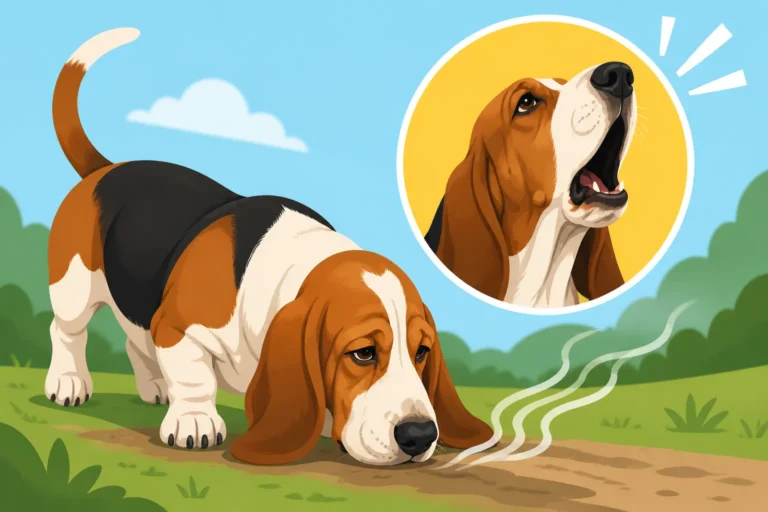
This is, hands down, the number one reason why a Basset Hound pulls: their nose. If you own a Basset, you already know about The Nose That Puts a Basset Hound Second to a Bloodhound. Their olfactory abilities are legendary, and for a Basset, the world is an intricate tapestry of smells, each one a story waiting to be explored. When a particularly intriguing scent crosses their path – be it a squirrel, a forgotten sandwich crust, or the lingering trail of another dog – it's as if a switch flips. The outside world, including your voice and tugs on the leash, simply ceases to exist.
They don't pull out of defiance or malice; they pull because their very being is compelled to follow that scent. It's an instinctual drive, hardwired into their DNA. Their long, pendulous ears are even thought to help sweep scents from the ground towards their nose, enhancing this powerful sensory experience. Trying to pull a Basset away from a hot trail is often like trying to pull a concrete block with a string. Their focus is absolute, and in that moment, the pull on the leash is merely a minor inconvenience compared to the thrill of the chase, even if the "chase" is just sniffing a faint odor on a lamppost.
The Real Impact of a Pulling Basset Hound
While a pulling Basset might seem like a minor annoyance, it can actually lead to a host of problems for both you and your beloved hound. It's more than just an inconvenience; it affects your bond, your safety, and your dog's long-term health.
Physical Strain and Potential Injuries for Both of You
Let’s be honest, walking a pulling Basset can leave you with a sore shoulder, aching back, or even a strained wrist. You end up constantly bracing yourself, twisting your body, and battling for control. It turns a relaxing walk into a wrestling match, and nobody enjoys that. For your Basset, the impact can be even more serious, especially if you're using a standard collar. Constant pressure and jerking on the neck can lead to:
- Tracheal damage: The windpipe can be crushed or irritated, leading to coughing or difficulty breathing.
- Thyroid issues: Some vets believe chronic neck pressure can impact the thyroid gland.
- Eye pressure: The strain can increase intraocular pressure, which is a concern for a breed already prone to eye issues like glaucoma. The Glaucoma a Basset Hound Inherits
- Neck and spinal injuries: While Basset Hounds are generally robust, repeated jerking can contribute to issues with their already long and vulnerable spine. The Back Trouble a Basset Hound Is Built Into
Beyond the physical, there's the emotional strain. What was meant to be quality time together becomes a source of frustration, making you dread walks. This can subtly erode the positive relationship you have with your dog, turning a shared activity into a chore.
Safety Concerns and Escape Risks
A Basset Hound on a mission can be surprisingly oblivious to its surroundings. If they pull hard enough, they might slip a poorly fitted collar, especially if they have a knack for backing out of it. An escaped Basset is a major safety concern; their nose will lead them wherever the scent takes them, often into dangerous situations like busy roads, without a second thought for traffic. Their low stature and single-minded focus make them incredibly vulnerable.
Furthermore, a sudden lunge after a scent could pull you off balance, leading to a fall, especially if you're walking on uneven terrain, ice, or are less steady on your feet. Imagine trying to hold onto a strong pulling dog while carrying groceries, or walking with a child. The risks quickly escalate. This is why having reliable control on a leash isn't just about good manners; it's a critical safety measure for everyone involved. Whether a Basset Hound Follows Its Nose Into Traffic is a very real concern.
Ruined Walks and Deterioration of the Bond
When every walk is a tug-of-war, the joy quickly drains out of the experience. Instead of enjoying the fresh air and your dog's companionship, you're constantly anticipating the next lunge, feeling annoyed, and perhaps even resenting the daily outing. This isn't fair to either of you. Your Basset isn't trying to be difficult; they're simply following their instincts. But when walks become a battleground, it diminishes the positive bond you share.
You might find yourself shortening walks, avoiding certain areas, or even skipping walks altogether because the thought of the struggle is too much. This deprives your Basset of vital mental stimulation and physical exercise, which can lead to other behavioral issues and even weight gain. What Extra Weight Does to a Basset Hound is a serious health concern for this breed. A dog that doesn't get enough outlets for its natural drives, like sniffing, might become more destructive or restless indoors. The goal is to make walks a positive, enriching experience for both of you, not a source of stress.
Effective Strategies for Managing a Pulling Basset Hound
So, what’s a Basset owner to do? Giving up on walks isn't an option. The good news is that with the right approach, patience, and consistency, you can teach your Basset Hound to walk politely on a leash. It takes understanding their unique drives and working with them, not against them.
Consistent Leash Training Techniques
The foundation of a good walk is consistent training, starting early if possible. While Basset Hounds can be perceived as stubborn, they are intelligent and respond well to positive reinforcement.
- Start with "Loose Leash Walking": The goal is for your Basset to walk beside you with a slack leash. Any tension on the leash should be a signal for you to stop, not for the dog to pull harder. When your dog pulls, simply stop moving. Stand still like a tree. Don't say anything, don't yank the leash. As soon as the leash slackens, even for a second, praise them softly and start walking again. Repeat, repeat, repeat. It teaches them that pulling gets them nowhere, and a loose leash gets them moving. This method requires immense patience, especially with a determined Basset.
- Change Direction: Another effective technique is to change direction frequently. If your Basset starts to pull ahead, immediately turn and walk in the opposite direction. This keeps them paying attention to you and prevents them from getting too far ahead on a scent. It also makes them realize that you are in charge of the direction of the walk, not their nose.
- High-Value Treats: Basset Hounds are often highly food-motivated, which is a powerful tool. Carry small, incredibly tempting treats – think cooked chicken, cheese, or hot dogs. Reward them generously and frequently when they are walking nicely by your side, especially when passing a tempting sniff-spot without pulling. Timing is key: the treat should be given as they are doing the right thing, not after they've already pulled. BAXTER & Bella, for example, often emphasizes positive reinforcement and using high-value treats in their online training programs to keep dogs engaged.
Remember, this isn't about crushing their spirit or their scent drive, but about teaching them a polite way to explore. Short, frequent training sessions are often more effective than long, drawn-out ones.
Harnessing Their Scent Drive Through Enrichment
Instead of fighting their natural inclination to sniff, lean into it! Giving your Basset appropriate outlets for their powerful nose can actually reduce pulling during regular walks because they're not as desperate to fulfill that drive.
- Designated "Sniff Walks": Dedicate certain walks to pure sniffing time. Use a longer leash (perhaps 6-10 feet, depending on your environment) and let them explore. Go to a park, a quiet field, or even your backyard. During these walks, the rule is: they lead with their nose. You follow. This fulfills their instinct without the pressure of strict loose-leash training. You'll find these walks are incredibly enriching and tiring for them.
- Scent Work Games: Bring the nose work indoors! Hide treats around the house and let your Basset find them. Use snuffle mats or puzzle toys. There are even organized dog sports like Nose Work or Barn Hunt that Basset Hounds excel at and absolutely love. This mental stimulation can be just as tiring as physical exercise and helps satisfy their innate desire to track. Giving a Basset Hound's Nose Something to Do explores this further.
- "Find It" on Walks: Incorporate quick "find it" games during your regular walks. Toss a treat into the grass a few feet away and say "find it!" This allows them a quick, controlled burst of sniffing and rewards them for engaging with you. You can find many affordable puzzle toys and snuffle mats on Amazon to kickstart this enrichment at home.
By proactively providing opportunities for scent exploration, you're not denying their nature but integrating it into their daily life in a constructive way. This can significantly reduce the intense, frantic pulling when they encounter an unexpected scent during a more structured walk.
The Right Equipment Makes a Difference
Using the correct equipment can dramatically improve your control and your Basset's comfort, making training much easier. Forget the traditional neck collar for everyday walks, as it can cause harm when a Basset pulls vigorously.
- Front-Clip Harnesses: These are often a game-changer for pulling dogs. Instead of clipping the leash to the back, it clips to a ring on the dog's chest. When your Basset pulls, the harness gently redirects their body sideways, making it harder for them to pull forward with full force. Brands like the Easy Walk harness or Freedom No-Pull harness are popular choices and readily available on platforms like Amazon. Ensure you get one that fits correctly; a Basset's deep chest and short legs can make fitting tricky.
- Head Halters (Haltis): For truly strong pullers, a head halter can offer excellent control. It works similarly to a horse halter, guiding the dog's head, and where the head goes, the body follows. Many dogs initially dislike head halters and will try to rub them off, so a slow, positive introduction with treats is essential. It puts pressure on the muzzle area rather than the neck, which is safer.
- Appropriate Leash Length and Material: A standard 4-6 foot leash is usually sufficient for training. Avoid retractable leashes, as they teach a dog that pulling extends their range and offer very little control. Opt for a comfortable, sturdy leash material that won't slip from your hands, even when wet. For sniff walks, as mentioned, a longer line can be fantastic for exploration. Which Harness Suits a Basset Hound delves into more detail about equipment.
Here's a quick comparison of common leash-walking equipment:
| Equipment Type | Pros | Cons | Best For |
|---|---|---|---|
| Standard Collar | Simple, holds ID tags. | Can cause neck/tracheal injury, offers little pulling control. | Holding ID tags, very polite walkers (rare for Basset Hounds). |
| Back-Clip Harness | Comfortable, doesn't put pressure on the neck. | Can still allow strong pulling, may encourage leaning into the harness. | Dogs who don't pull much, short-term use, carrying a backpack. |
| Front-Clip Harness | Redirects pulling, prevents neck strain, good control. | Can sometimes rub under armpits if ill-fitting, dog might initially chew. | Training loose-leash walking, general walks with a pulling Basset. |
| Head Halter | Excellent control, gentle redirection, good for very strong pullers. | Many dogs dislike it initially, requires careful introduction. | Owners needing maximum control, rehabilitating extreme pullers, safety in busy areas. |
| Long Line | Allows exploration while maintaining safety. | Can get tangled, requires space and awareness of surroundings. | Supervised sniff walks, recall practice in safe, open areas. Whether a Long Line Is Enough for a Basset Hound |
Choosing the right tool for the job can make a world of difference in your success and your Basset's comfort.
Patience, Consistency, and Understanding Their Nature
Ultimately, teaching a Basset Hound not to pull requires a significant amount of patience and a deep understanding of their inherent drives. They were bred for a purpose, and that purpose heavily relied on their nose. Expecting them to ignore every tantalizing scent is unrealistic.
Celebrate Small Victories and Stay Positive
There will be days when your Basset acts like they've never seen a leash before, and days when they walk beautifully. Celebrate the small victories! Five steps of loose-leash walking? That's fantastic! Acknowledge it, praise them, and reward them. It's easy to get frustrated when they revert to old habits, but remember that shouting or yanking the leash will only create a negative association with walks and potentially damage your relationship. Stay calm, stay positive, and restart your chosen training method.
Consistency is also paramount. Everyone in the household who walks the dog needs to be on the same page with training techniques and equipment. A Basset Hound will quickly learn who they can pull with and who they can't. If one person lets them pull, it undoes the hard work of others. Think of it as a long-term investment in enjoyable walks for the next The Ten to Twelve Years a Basset Hound Lives.
Seeking Professional Guidance if Needed
If you're truly struggling and feel like you're not making progress, don't hesitate to reach out to a professional dog trainer. A certified professional can observe your specific situation, offer tailored advice, and demonstrate techniques that might work best for you and your Basset Hound. Sometimes, an experienced eye can pinpoint a subtle cue or technique that you're missing.
Many trainers specialize in positive reinforcement and can help you effectively communicate with your scent-driven hound. They can also provide guidance on structured training programs, such as those offered by BAXTER & Bella, which might provide the framework you need to achieve your loose-leash walking goals. Remember, asking for help isn't a sign of failure; it's a sign that you're committed to giving your Basset the best possible life and ensuring your walks are a joy, not a battle.
Disclaimer
This article is for general informational purposes only and does not constitute professional advice. Laws, prices and regulations vary by location and change over time. Consult a qualified professional for guidance on your specific situation.