Whether a Basset Hound Is Good With Babies
Bringing a new baby home is an incredibly exciting time, but it's also completely normal to feel a swirl of anxieties, especially when you already have a beloved furry family member. Many Basset Hound owners wonder if their sweet, sometimes clumsy, companion will truly be safe and gentle around a fragile infant. This comprehensive guide is here to walk you through everything you need to know about preparing your Basset Hound for a new arrival and ensuring a harmonious, loving household for everyone.
Understanding the Basset Hound Temperament with Infants
When you picture a Basset Hound, you probably think of those long, droopy ears, sad eyes, and a waddle that just screams "gentle giant." For the most part, that image is spot on, which is a huge comfort when a baby is on the way. However, like any breed, they have their unique traits that need to be understood and managed when infants are in the picture.
The Basset Hound's Gentle Nature
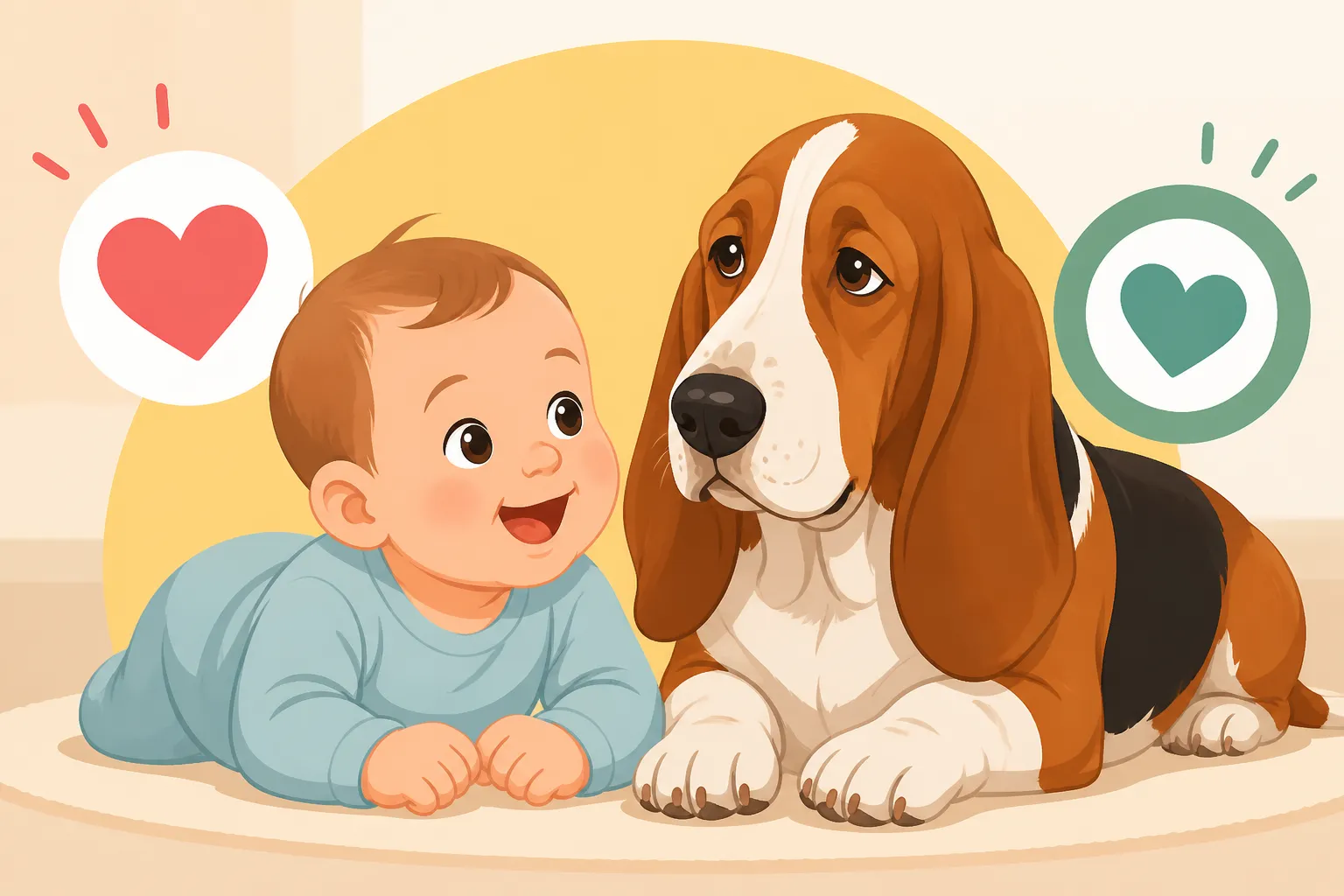
One of the most reassuring qualities of the Basset Hound is their inherently gentle and patient disposition. These dogs are generally known for being quite laid-back and tolerant, making them wonderful companions for families. They aren't typically a high-strung breed prone to sudden bursts of energy or aggression. Instead, they often prefer to observe quietly from a comfortable spot, taking in the world at their own leisurely pace. This calm demeanor can be a huge asset when introducing a tiny, unpredictable human into the home.
They are often described as easygoing, and this extends to their interactions with children. While no dog should ever be left unsupervised with an infant, a Basset Hound's generally placid nature means they are less likely to react impulsively or aggressively to a baby's cries, sudden movements, or accidental grabs. They tend to be more inclined to simply move away from an uncomfortable situation rather than confront it, which is exactly what you want when a baby is involved. Their low-key energy also means they're not constantly bouncing off the walls, which can be overwhelming for a new parent and potentially dangerous for a crawling baby.
Instincts and Sensory Sensitivities
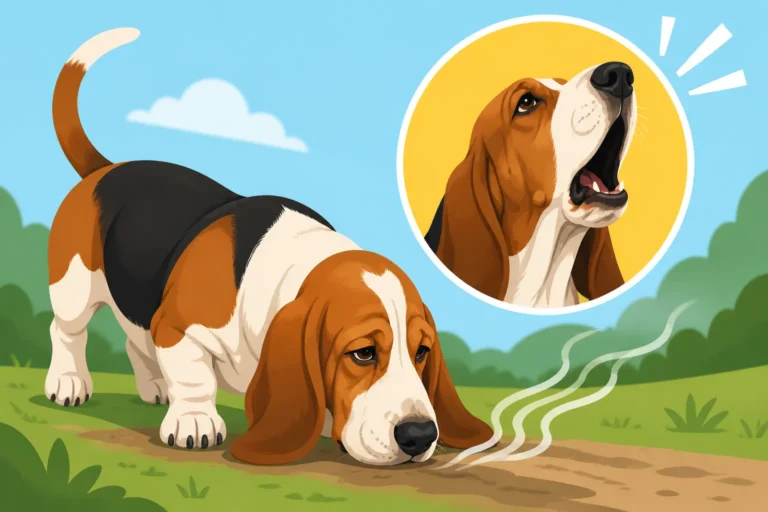
While gentle, Basset Hounds are still hounds through and through, and their powerful sense of smell is their defining characteristic. A new baby brings a whole new world of scents into the home – milk, diapers, baby lotions, and unique baby odors that are incredibly intriguing to a Basset Hound's nose. For your Basset, this isn't just a faint smell; it's an overwhelming tapestry of information, and their instinct might be to investigate deeply. This isn't aggressive, but it can be intrusive if not managed. They might want to sniff the baby all over, perhaps a bit too enthusiastically for a newborn's comfort or hygiene.
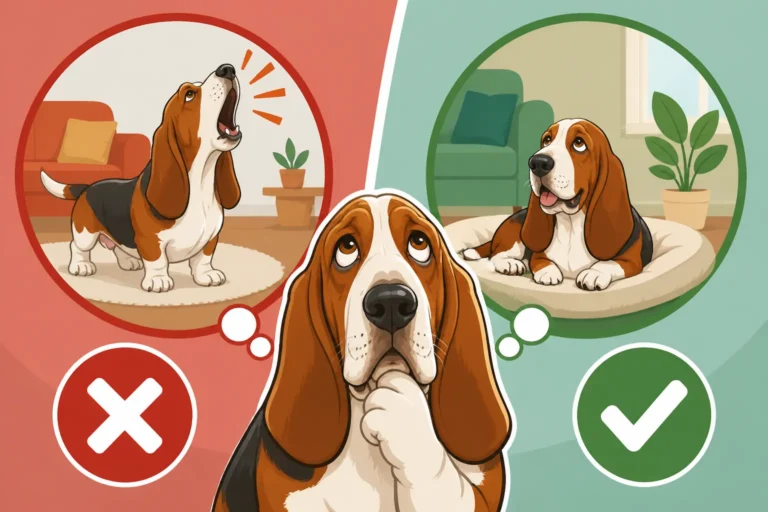
Beyond their nose, Basset Hounds also possess incredibly sensitive ears, those long, velvet-soft appendages designed to funnel scent upwards. While usually calm, a baby's sudden, piercing cry can be startling to any dog, and particularly to a Basset Hound. They might not react poorly, but a sharp yelp could make them flinch or even vocalize with their characteristic bay. Understanding these sensory inputs helps you anticipate how your dog might react and allows you to create a calmer environment for both your hound and your baby. Keeping an eye on their body language, especially around new sounds, is key.
Size and Physical Presence
Despite their low stature, Basset Hounds are surprisingly robust and heavy dogs. They are built with a lot of bone and muscle, making them quite substantial. An adult Basset Hound can weigh as much as some Labrador Retrievers, and while they might not stand tall, their sheer weight and broad bodies can be a concern around tiny infants. They aren't typically delicate in their movements, and a wagging tail or an excited lumber can easily bump into a bassinet, a baby on the floor, or a parent holding a baby.
It’s crucial to remember that these are rarely acts of aggression; they are almost always accidental. A Basset just isn't aware of its own bulk in the same way a smaller, daintier breed might be. A gentle nudge from their large head, meant as a friendly gesture, could unintentionally cause a baby to startle or even fall if unsupervised. This isn't to say they are dangerous, but it means you must be extra vigilant about their physical proximity and always ensure there's a barrier or close supervision when the baby is on the floor or in an unsecured space. Whether a Basset Hound's Legs Are Too Short to Be Sound also describes their unique build, which can influence their movement around small obstacles.
Preparing Your Basset Hound for a New Baby
Bringing a baby home is a huge change for everyone, including your Basset Hound. They thrive on routine and knowing their place in the pack. Proactive preparation is absolutely essential to make the transition as smooth and stress-free as possible for your dog, ensuring they embrace their new family member rather than resent them.
Gradual Introduction to Baby Sights and Sounds
Start the acclimatization process long before the baby arrives. Set up the nursery and all the baby gear – the crib, changing table, bouncy seat, stroller – so your Basset Hound can sniff and explore these new objects without the added excitement (or stress) of an actual baby present. Let them get used to seeing these items become part of the home landscape. Don't let them jump into the crib or chew on baby toys, but allow them to investigate calmly.
Another critical step is desensitizing them to baby sounds. Babies make a lot of noise, from coos and giggles to sudden, piercing cries. You can find recordings of baby sounds online and play them at low volumes, gradually increasing the volume over several weeks. Observe your Basset Hound's reaction. Are they startled? Do they seem curious or agitated? If they react negatively, keep the volume low and pair the sound with positive reinforcement, like a favorite treat or gentle praise. This helps them associate these new, sometimes alarming, sounds with pleasant experiences, rather than anxiety.
Reinforcing Basic Obedience and Boundaries
This is a prime opportunity to brush up on your Basset Hound's obedience skills. Even if they're generally well-behaved, a new baby will test those boundaries. Focus on commands like "sit," "stay," "down," and especially "leave it." The "leave it" command will be invaluable when your Basset tries to investigate a dropped pacifier or a diaper. "Off" is also crucial to prevent jumping on you or the baby, or on furniture where the baby might be resting.
Consider enrolling in a refresher obedience class or working with an online training program like BAXTER & Bella, which offers comprehensive resources for dog owners. Consistent training, using positive reinforcement, will not only strengthen your dog's manners but also reinforce their bond with you. It's not about making them perfect, but about ensuring they understand and respect boundaries, especially around the baby's space. This consistent effort will pay dividends in managing interactions. What Actually Motivates a Basset Hound delves into their unique training drives.
Creating Safe Spaces for Both Dog and Baby
Establishing clear, designated safe spaces is paramount. Your baby will need areas where they can be completely undisturbed by the dog, such as their crib, bassinet, and playpen. Similarly, your Basset Hound needs a retreat – a cozy bed or crate in a quiet corner where they can escape the commotion, chew on a favorite toy, and feel secure. This helps prevent stress and creates a sense of predictability.
Utilize baby gates, easily found on Amazon, to create physical barriers between rooms or to block off the nursery. These gates allow your Basset to still see and hear what's happening, without being able to physically enter the baby's space unsupervised. This visual connection helps them feel part of the family without posing a risk. It's about careful management, not exclusion. You'll also want to make sure your Basset Hound has comfortable, orthopedic bedding in their safe space, especially as they get older, as discussed in The Old Basset Hound That Cannot Get Off the Floor.
Managing Interactions Between Basset Hounds and Babies
Once your baby arrives, the real work of integration begins. This stage requires patience, consistency, and an eagle eye from parents to ensure everyone feels secure and loved.
Supervised Encounters and Body Language Reading
When the baby first comes home, manage initial introductions carefully. On the first day, have one parent greet the Basset Hound alone, without the baby, to minimize overexcitement. Then, with the baby securely in a carrier or held by one parent, allow the Basset Hound to approach calmly and sniff from a distance. Keep interactions short and positive, praising calm behavior. Always keep the Basset Hound on a leash for the first few encounters to maintain control.
Crucially, learn to read your Basset Hound's body language. Signs of comfort include a relaxed posture, soft eyes, a loosely wagging tail, and gentle sniffing. Signs of stress or discomfort might be yawning, lip-licking, turning away, stiffness, a tucked tail, or excessive panting. If you see signs of stress, calmly remove your dog from the situation and try again later. Never force an interaction. Remember, constant, vigilant supervision is non-negotiable. Even the most gentle Basset Hound can accidentally knock over a baby with an enthusiastic tail wag or curious sniff.
Preventing Resource Guarding and Jealousy
A new baby can feel like a threat to your Basset Hound's established resources – your attention, their favorite sleeping spots, even their food. It's vital to make sure your dog associates positive experiences with the baby's presence. Always give your Basset Hound attention and treats when the baby is around. If the baby is feeding, give your Basset a special chew toy or kong filled with peanut butter. When the baby is napping, make time for a short, dedicated play session or cuddle with your dog.
Avoid situations where your Basset might feel displaced. For instance, don't suddenly ban them from their favorite napping spot on the couch if it's near the baby. Instead, offer them an equally appealing (or even better) new bed nearby. Ensure their feeding schedule and walks remain consistent as much as possible, as a stable routine helps alleviate anxiety. Whether a Basset Hound Gets Separation Anxiety touches on the emotional needs of Bassets, which become even more important during significant household changes.
Establishing Clear Rules and Routines
Consistency is key when integrating a Basset Hound with a new baby. Establish clear rules and stick to them. For example, the nursery is always a dog-free zone unless you are actively supervising. The baby's toys are not dog toys. Your Basset should not be allowed to lick the baby's face, especially a newborn's. These rules protect the baby's health and safety, and help the Basset Hound understand boundaries.
Maintain your Basset Hound's regular routine for feeding, walks, and playtime as much as possible. Predictability reduces stress and helps them understand that while a new person has arrived, their world hasn't been completely upended in a negative way. A well-exercised Basset Hound is also a calmer Basset Hound, so even short, sniffing-focused walks are beneficial. Consider a comfortable harness from Amazon to manage their strong pull during walks, as explored in Whether a Basset Hound Pulls Hard for Its Size.
Addressing Common Concerns and Misconceptions
It’s easy to get caught up in worries when bringing a baby home, especially with a dog that has some distinct breed traits. Let's tackle some common concerns specific to Basset Hounds.
The "Stubborn" Basset Hound and Training Challenges
Basset Hounds have a reputation for being stubborn, which isn't entirely unfair. They are scent hounds, and once their nose is engaged, their ears often seem to switch off. This can make training them around distractions, like a curious baby, feel challenging. However, it's more accurate to describe them as independent thinkers who are highly motivated by food and praise. They aren't trying to be difficult; they simply have a strong drive to follow their nose.
When preparing your Basset for a baby, patience is your best friend. Harsh corrections are ineffective and can damage your bond. Instead, focus on high-value treats and consistent positive reinforcement. Short, engaging training sessions work far better than long, tedious ones. If your Basset seems to ignore you, it's often not defiance but a lack of motivation or an overwhelming distraction. Work on commands in a quiet environment first, then gradually introduce more distractions. Whether a Basset Hound Is Stubborn or Just Not Interested provides more insight into their unique learning style. An online resource like BAXTER & Bella can offer tailored positive reinforcement strategies.
Accidental Injury vs. Aggression
One of the biggest fears parents have is a dog harming their baby. With Basset Hounds, it's crucial to distinguish between an accidental injury and genuine aggression. True aggression from a Basset Hound is rare; they are not typically an aggressive breed. However, their physical build and sometimes clumsy movements mean accidental bumps or knocks are a real possibility. A Basset might innocently try to get closer to the baby, inadvertently stepping on a limb or bumping a head with their heavy body or tail.
These incidents, while frightening, are almost always unintentional. The Basset Hound isn't acting maliciously; they're simply not aware of their size or the baby's fragility. This is why supervision and physical barriers are so important. It's about preventing opportunities for accidents, not about managing an aggressive dog. Teaching children, as they grow, to respect the dog's space and how to interact gently is also part of this equation, as detailed in A Basset Hound in a House With Children.
Lifelong Management and Ongoing Training
Integrating a Basset Hound with a new baby isn't a one-and-done event; it's an ongoing process that evolves as your child grows. A newborn baby has different needs and poses different interactions than a crawling baby, a toddler, or a young child. What worked for a baby in a bassinet might not work for a curious toddler who wants to pull on ears or grab toys.
Continuous training, socialization, and monitoring will be part of your family's life. As your child reaches new developmental stages, you'll need to re-evaluate and reinforce rules for both your dog and your child. Continue to provide your Basset Hound with mental and physical exercise, and opportunities to be a cherished family member, separate from their role with the baby. This helps prevent boredom and stress, which can lead to behavioral issues. Remember, a happy, well-adjusted Basset Hound is a safer Basset Hound. The Ten to Twelve Years a Basset Hound Lives reminds us that this is a long-term commitment.
Here's a quick look at the considerations when introducing a Basset Hound to a baby:
| Aspect | Pros (Basset Hounds & Babies) | Cons (Basset Hounds & Babies) | Mitigation Strategies |
|---|---|---|---|
| Temperament | Generally gentle, patient, tolerant, and low-key. | Can be "stubborn" with training, prone to vocalization (baying). | Consistent positive reinforcement training; desensitize to baby cries. |
| Physicality | Not prone to sudden, frantic movements. | Heavy body, low stature, potential for accidental bumps/trips. | Strict supervision, baby gates (Amazon), safe spaces for both. |
| Instincts | Not typically aggressive, generally good-natured. | Strong scent drive leading to intense sniffing; sensitive ears. | Teach "leave it," manage proximity, introduce baby smells gradually. |
| Attention Needs | Can be content observing from a distance. | May seek attention or get jealous if feeling displaced. | Provide dedicated attention, special treats when baby is present. |
| Maintenance | Relatively low grooming needs (though drool/ears need care). | Prone to ear infections, requiring regular cleaning, potential cost. | Regular ear care routine, e.g., The Twice Weekly Ear Ritual a Basset Hound Owner Signs Up For. |
Disclaimer
This article is for general informational purposes only and does not constitute professional advice. Laws, prices and regulations vary by location and change over time. Consult a qualified professional for guidance on your specific situation.