Whether a Basset Hound Needs a Deep Bowl or a Shallow One
One common frustration Basset Hound owners face at mealtime is the inevitable mess that comes with those gloriously long ears and droopy jowls. Choosing the right food and water bowl might seem like a small detail, but for a Basset, it can make a huge difference in hygiene, comfort, and even their long-term health. This guide will walk you through the nuances of selecting the ideal bowl type, exploring why bowl depth is so crucial for our low-slung, big-eared companions.
Understanding the Unique Basset Hound Anatomy and Its Impact on Feeding
Before we dive into bowls, let's really think about what makes a Basset Hound a Basset Hound. Their distinct physical characteristics are not just charming; they significantly influence how they eat and drink. Ignoring these traits can lead to discomfort, mess, and even health issues.
The Low-Slung Stance and Long Ears
The Basset Hound's iconic low-slung body and impossibly long ears are central to their breed standard and their incredible scenting ability. These ears, often dragging on the ground or, in this context, into their food and water, are a constant consideration. Imagine trying to eat a bowl of soup with your hair constantly falling into it – that's a daily reality for a Basset with improperly chosen bowls. Their short legs mean they're already closer to the ground, and their body length means they're not exactly agile when bending. This combination makes navigating a standard deep bowl a genuine challenge. Their ear leather, being so pendulous and often quite delicate, can easily get soaked, coated in kibble, or worse, become a breeding ground for bacteria if not dried properly after every meal. This is a perpetual struggle for many Basset owners, and it's a key factor in deciding on the right feeding solution.
The Drooly Mouth and Loose Facial Skin
Beyond the ears, Basset Hounds possess loose, abundant skin, particularly around their face and neck, forming characteristic wrinkles and a prominent dewlap. This isn't just for show; it's part of their design for scent trailing, helping to trap scent particles. However, at mealtime, these features become a magnet for food and water. The jowls and loose lips mean that a clean drink often results in a wet, drippy chin. When combined with a deep bowl, this issue is compounded, leading to more splash, more dribble, and more food residue clinging to their facial folds. Our Basset friends are also known for their impressive drool production, especially when excited by food. This lovely trait, combined with their facial structure, means that anything that minimizes contact between their face and the food itself is a huge win for cleanliness. The Drool a Basset Hound Produces and Cannot Swallow is a real thing, and it often ends up outside the bowl.
The Case for Shallow Bowls for Basset Hounds
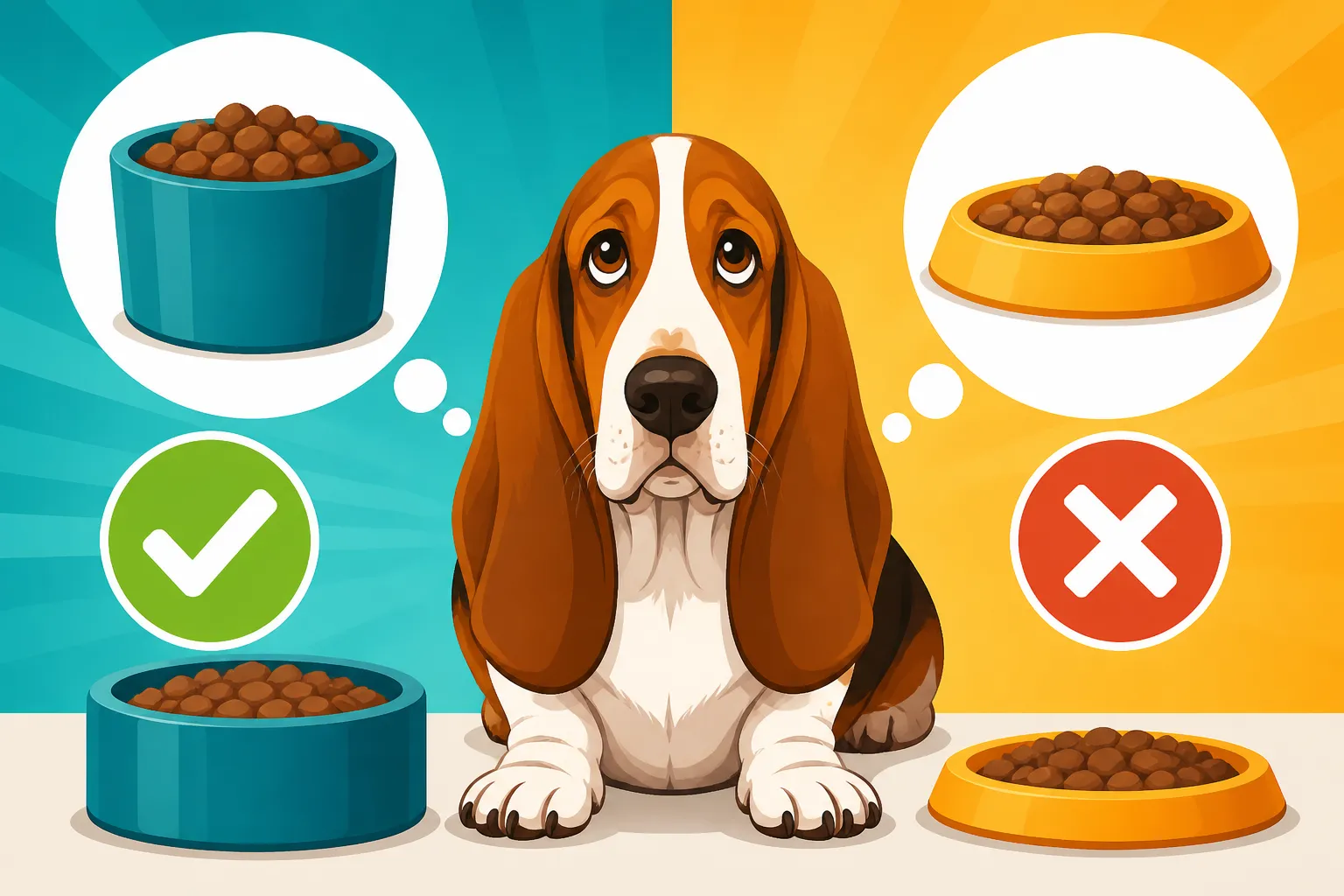
Given their unique build, it becomes clear why many Basset Hound owners find that shallow bowls are often the superior choice for both food and water. They directly address several of the breed's inherent challenges.
Keeping Ears Out of the Food and Water
This is arguably the number one reason to opt for a shallow bowl. A wider, shallower bowl allows the Basset to approach the food or water with less risk of their long ears dipping in. Think of a soup plate versus a cereal bowl. The wider opening and reduced depth of a shallow bowl means their ears can fall to either side outside the perimeter of the bowl, or at least rest on the rim, rather than plunging into the contents. This simple change can dramatically cut down on wet, sticky ears. Imagine the relief for your Basset not having its ears saturated with water or coated in gravy multiple times a day. It's a small adjustment that leads to a much cleaner and more comfortable experience for them, and less post-meal cleanup for you. For more insights on this specific issue, check out Whether a Basset Hound's Ears Drag Through Its Food.
Minimizing Facial Fold Irritation and Mess
Basset Hounds have those adorable, loose facial folds, but these can easily trap food particles and moisture. When a Basset pushes its face into a deep bowl, these folds become a haven for kibble crumbs, wet food residue, and water. This creates a perpetually damp and food-laden environment, which can lead to skin irritation, bacterial growth, and that distinctive "Basset smell" that isn't always pleasant. With a shallow bowl, their face doesn't need to plunge as deeply, reducing the contact between their delicate skin folds and the food or water. This minimizes the chance of trapped debris and moisture, making it easier for you to perform routine cleanings. Keeping these areas dry and clean is paramount, and a shallow bowl is a proactive step in preventing issues like Skin Fold Infections on a Basset Hound.
Easier Access for Their Short Snouts
Despite their large size, Basset Hounds have relatively short muzzles and a distinct head shape. A deep, narrow bowl can make it challenging for them to comfortably reach the bottom without pushing their entire head, including their eyes and jowls, into the food. This awkward angle can lead to frustration and a messier eating experience. Shallow bowls, on the other hand, provide a much more natural and comfortable approach. Their short snout can easily reach the food, and they don't have to strain their neck or contort their head. This ergonomic advantage ensures that mealtime is a pleasant experience, not a wrestling match with their dinner. It's about making their natural eating posture as comfortable as possible, rather than forcing them into an awkward one.
The Case Against Deep Bowls for Basset Hounds
While deep bowls might be perfectly fine for many other breeds, they pose several specific disadvantages for Basset Hounds due to their unique physical traits. Understanding these drawbacks can help you avoid common pitfalls.
The Hygiene Headache: Soaked Ears and Chins
We've all seen it: a Basset Hound finishes drinking from a deep water bowl, lifts its head, and leaves a trail of dripping water and slobber across the floor, furniture, and often, right into your lap. This isn't just about general mess; it's a hygiene concern. When their long ears are constantly wet, or caked with food from a deep bowl, it creates an ideal environment for yeast and bacteria to flourish. This can lead to persistent ear infections, an already common problem for the breed. Think about how often you need to clean a Basset Hound's ears. A deep bowl only exacerbates this issue, turning every meal and drink into a potential health hazard for their sensitive ears. Preventing wet ears at mealtime is a significant step in reducing the frequency and severity of ear-related problems. How Often a Basset Hound's Ears Must Be Cleaned often goes up if their bowls are causing constant dampness.
Potential for Skin Issues and Odor
Beyond ear infections, the constant dampness and trapped food particles in the facial folds and dewlap from deep bowls can lead to more generalized skin issues. Moisture trapped in these areas can cause dermatitis, hot spots, and unpleasant odors. The skin can become red, inflamed, and itchy, making your Basset uncomfortable and potentially leading to more serious infections that require veterinary intervention. Imagine trying to keep the skin under your chin healthy if it was constantly wet and had food mashed into it. That's the challenge a Basset faces with a deep bowl. The extra effort required to constantly wipe their face after every meal and drink to prevent these issues becomes an exhausting chore for owners. While regular cleaning is always necessary, a shallow bowl reduces the initial accumulation of moisture and food, making your job much easier. Cleaning the Folds a Basset Hound's Face Is Made Of is a vital part of their care, and the right bowl choice can significantly reduce the difficulty.
Awkward Eating Posture and Bloat Concerns
For a Basset Hound with its short legs and long body, bending down to eat from a deep bowl can be physically awkward. They might splay their front legs, hunch their back, or even lie down to try and reach the food more comfortably. This unnatural posture isn't ideal for their long, sensitive spines, which are already prone to issues like Intervertebral Disc Disease in a Basset Hound. While bloat (Gastric Dilatation-Volvulus or GDV) is a serious and life-threatening condition, and the link between bowl height and bloat is complex and debated in veterinary circles, some theories suggest that certain eating postures or gulping air can be contributing factors. Anecdotally, some owners report that an awkward posture can lead to faster eating and more air intake. While the primary recommendation for bloat prevention often revolves around slow feeding and managing exercise around meals, ensuring comfortable eating is always a good idea. A shallow, stable bowl allows them to eat in a more natural, less strained position.
Specialized Bowl Solutions and Accessories
Beyond just the depth of the bowl, there are several other considerations and accessories that can significantly improve your Basset Hound's mealtime experience, tackling common issues like rapid eating and general mess.
Elevated Bowls and Slow Feeders
Elevated bowls are a topic with varying opinions among veterinary professionals, particularly concerning bloat risk. For Basset Hounds, who are low to the ground, an elevated bowl might seem like a good idea to reduce neck strain. However, for some breeds, including larger, deep-chested dogs, some studies have suggested a potential link between elevated bowls and an increased risk of bloat, though this is not universally accepted and research is ongoing. For a Basset, if you do choose an elevated stand, ensure it's not too high, just enough to bring the bowl slightly off the floor to a comfortable level where they don't have to bend their head excessively downwards, but also not so high that they're stretching upwards. The goal is a neutral neck posture.
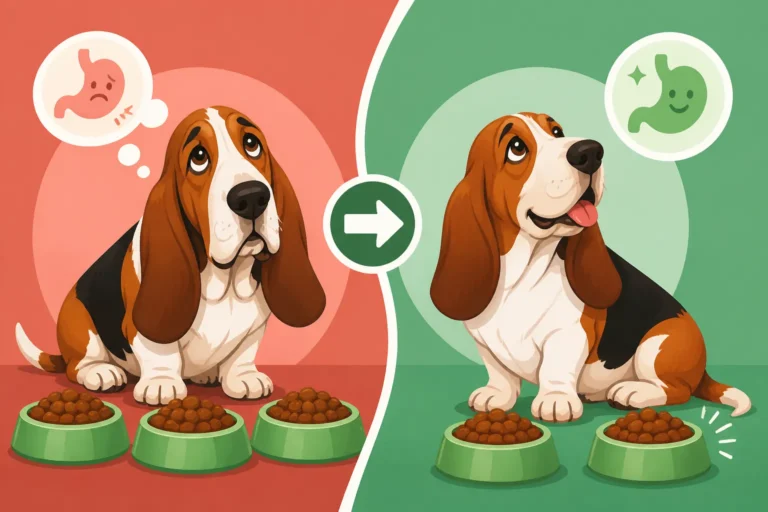
Slow feeder bowls, on the other hand, are almost universally beneficial for Basset Hounds who tend to "hoover" their food. These bowls have internal ridges or mazes that force the dog to eat around obstacles, significantly slowing down their intake. This not only reduces the risk of gulping air (which some believe contributes to bloat) but also aids digestion and makes mealtime last longer, providing a bit of mental stimulation. Brands like Outward Hound offer a variety of slow feeders in different shapes and sizes, many of which are designed with a wide, shallow profile that would work well for a Basset. These are readily available on platforms like Amazon and Chewy. If your Basset typically [Bolts Its Food], a slow feeder is a wise investment.
Snoods: The Basset Hound's Mealtime Essential
If you've never heard of a snood, you're in for a revelation! A snood is a tubular fabric head covering, essentially a flexible scarf, that gathers and holds your Basset Hound's long ears back and up, preventing them from dangling into their food or water bowl. It's a simple, yet incredibly effective solution for maintaining ear hygiene and reducing mealtime mess. Imagine your Basset enjoying a clean, uninterrupted meal without sticky ears. Snoods come in various materials, from light cotton for everyday use to waterproof fabrics for particularly sloppy eaters. They are a game-changer for Basset owners who are tired of constantly wiping food off ears. You can find them from various pet accessory makers, often on sites like Amazon or specialized Basset Hound supply stores. For many Basset owners, a snood is not just an accessory; it's an essential part of their feeding routine, often more effective than any bowl design alone in keeping those ears pristine. Learn more about them in Whether a Basset Hound Needs a Snood at Dinner.
Materials and Cleaning Considerations
When selecting any bowl, the material is also important. Stainless steel is often recommended by veterinarians because it's non-porous, durable, easy to clean, and resistant to bacterial growth. Ceramic bowls can also be good, but they are heavier and can chip or break. Plastic bowls, while inexpensive, can scratch easily, creating crevices where bacteria can harbor, and some dogs can develop contact allergies to plastic. Whatever material you choose, daily cleaning is paramount. Even with the best bowl design, food residue and drool can accumulate. A quick wash with soap and water after each meal will go a long way in maintaining hygiene. For water bowls, daily rinsing and scrubbing are essential to prevent biofilm buildup. Brands like Chewy offer a wide selection of stainless steel bowls, from shallow designs to slow feeders, making it easy to find suitable options.
Making the Best Choice for Your Basset Hound
Ultimately, finding the perfect bowl for your Basset Hound might involve a little trial and error, but by understanding their unique needs and observing their habits, you can make an informed decision that benefits both you and your furry friend.
Observing Your Dog's Eating Habits
Every Basset Hound has its own personality, and that extends to their eating and drinking style. Take a moment to simply watch your dog during meal and water times. Do they plunge their entire head in? Do their ears always get soaked? Do they push the bowl around? Do they eat so fast they practically inhale their food? Noticing these behaviors will give you valuable clues about what kind of bowl will best suit them. For instance, if your Basset is a particularly enthusiastic eater who seems to struggle with depth, a wider, more shallow option will be crucial. If they are prone to leaving puddles everywhere after drinking, a water bowl designed to minimize splash might be helpful, even if it's still shallow. Maybe your Basset is a gulper, in which case a slow feeder is a non-negotiable. Don't be afraid to experiment a little.
Experimenting and Adapting
The world of pet supplies offers a vast array of choices, and what works for one Basset might not be ideal for another. Start with a shallow, wide stainless steel bowl as a good baseline. If ear wetting is still an issue, consider adding a snood. If speed eating is a problem, integrate a slow feeder. You might find that a combination of solutions works best – perhaps a shallow slow feeder for food and a different style of shallow bowl for water.
For example, I've had success with shallow, wide ceramic bowls for food, which are heavy enough not to be pushed around, combined with a stainless steel shallow bowl for water, or even a fountain to encourage more drinking while keeping the water fresh. For Bassets with particularly sloppy jowls, sometimes even just keeping a dedicated "drool towel" near their eating area can make a huge difference in keeping your floors clean. Platforms like Chewy and Amazon offer a huge selection, making it easy to try out different styles without breaking the bank. And remember, their needs might change as they age. An older Basset with arthritis might benefit even more from a slightly elevated bowl to reduce strain on their joints, in conjunction with a shallow design. The Old Basset Hound That Cannot Get Off the Floor will certainly appreciate any efforts to make mealtime more accessible.
Here's a quick comparison of common bowl types for Basset Hounds:
| Feature | Shallow, Wide Bowl | Deep Bowl | Slow Feeder Bowl | Elevated Bowl (Shallow) | Snood (Accessory) |
|---|---|---|---|---|---|
| Ear Contact | Low | High | Low to Moderate | Low | Eliminates |
| Facial Mess | Low | High | Low to Moderate | Low | Reduces |
| Comfort | High | Low | High (forces slower) | Moderate to High | Adds comfort, reduces mess |
| Hygiene | Easy to maintain | Harder to maintain | Requires regular cleaning | Easy to maintain | Keeps ears clean |
| Eating Speed | Can be fast | Can be fast | Significantly slows | Can be fast | No direct impact |
| Cost | Moderate | Low to Moderate | Moderate | Moderate to High | Low to Moderate |
| Pros for Basset | Keeps ears/face cleaner, comfortable | Readily available, inexpensive | Aids digestion, reduces gulping | Reduces neck strain (if right height) | Essential for ear hygiene |
| Cons for Basset | Can still eat quickly | Major hygiene issues, awkward | May be frustrating initially | Bloat risk (debated), can be pricey | Another item to put on/take off |
Choosing the right bowl for your Basset Hound isn't just about feeding them; it's about providing a comfortable, hygienic, and enjoyable experience that respects their unique physical attributes. By prioritizing shallow designs, considering slow feeders, and perhaps investing in a snood, you can make mealtime a much cleaner and happier affair for everyone involved.
Disclaimer
This article is for general informational purposes only and does not constitute professional advice. Laws, prices and regulations vary by location and change over time. Consult a qualified professional for guidance on your specific situation.