Cleaning the Folds a Basset Hound’s Face Is Made Of
That adorable, deeply wrinkled face of a Basset Hound is undeniably one of their most charming features. But, let's be honest, those same charming wrinkles can quickly become a hidden source of trouble if not properly cared for. Trapped moisture, food particles, and debris can lead to uncomfortable skin irritations, infections, and unpleasant odors, leaving both you and your beloved hound feeling miserable. This comprehensive guide is here to walk you through everything you need to know about keeping your Basset's face folds clean, healthy, and happy, ensuring their signature look remains a joy, not a worry.
The Beauty and Burden of Basset Hound Folds
There's something uniquely captivating about a Basset Hound's face. The way their skin drapes, creating those expressive, soulful eyes and a perpetually worried brow, is part of their iconic appeal. However, as any Basset owner quickly learns, this distinctive feature isn't just for show – it comes with a certain responsibility to maintain their skin health.
Why Basset Hounds Have So Many Wrinkles
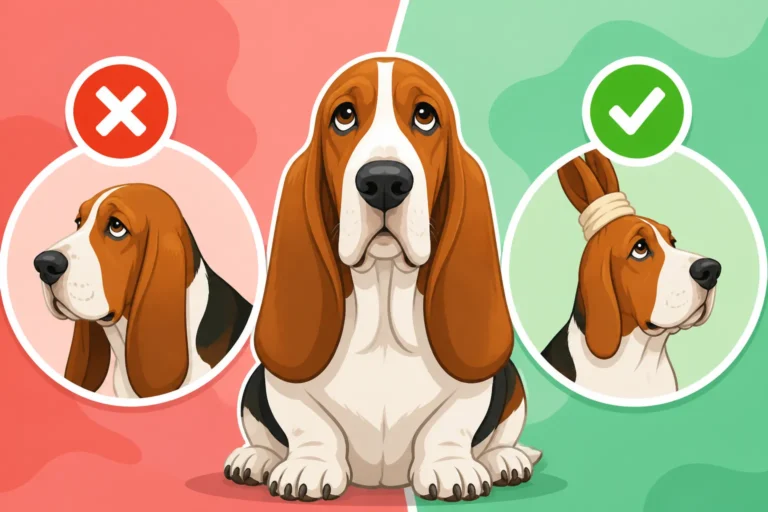
The copious amounts of loose skin, particularly around the head and neck, are a hallmark of the Basset Hound breed. This characteristic isn't accidental; it’s a direct result of selective breeding over centuries. Historically, Basset Hounds were developed in France for hunting small game like rabbits and hare. Their low-slung bodies allowed them to track scent close to the ground, and their long, heavy ears, combined with the loose skin around their face and dewlap, were believed to help collect and funnel scent towards their incredibly powerful noses. It’s a fascinating example of form following function, even if that function now translates more often to lounging on the sofa than trailing a bunny.
Beyond their hunting prowess, these wrinkles contribute to the Basset Hound's endearing expression, often giving them a gentle, slightly melancholic look that melts hearts. The folds aren't just superficial; they represent a significant genetic trait, often associated with a condition called achondroplasia, which also gives them their short legs. While we adore these characteristics, it's crucial to understand that this abundance of skin creates an environment that requires diligent care. The deep crevices and folds, particularly around the muzzle, eyes, and lower jaw, can become warm, moist pockets. Without regular attention, these pockets can quickly turn into a haven for unwanted guests, leading to discomfort for your furry friend.
Common Issues Arising from Neglected Folds
Ignoring those charming wrinkles can quickly lead to a host of problems, the most prevalent being skin fold dermatitis, a fancy term for inflammation of the skin folds. Imagine having crumbs, sweat, and dirt trapped in a warm, dark crease on your own skin all day, every day – it wouldn't take long before irritation set in, right? It's the same for your Basset. The constant friction, coupled with trapped moisture from drool, food, or even just humidity in the air, breaks down the skin's natural barrier. This compromised skin becomes incredibly vulnerable.
Once the skin barrier is weakened, it's an open invitation for opportunistic pathogens. Yeast infections, often caused by Malassezia fungi, thrive in these warm, moist environments. You might notice a yeasty, somewhat sweet or sour smell emanating from the folds, accompanied by reddish-brown discoloration or a greasy feeling. Whether a Basset Hound Gets Yeast Between Its Folds delves deeper into this common issue. Bacterial infections are also a significant concern, leading to painful pustules, oozing, and a truly foul odor. Left untreated, these infections can spread, causing significant discomfort, itching, and even systemic issues. Your Basset might start rubbing their face on furniture, pawing at their muzzle, or becoming withdrawn due to the persistent irritation. It’s a frustrating cycle for both dog and owner, and one that highlights the critical need for a consistent and thorough cleaning routine.
Essential Tools for a Sparkling Basset Face
Before you embark on your Basset's facial fold cleaning mission, having the right arsenal of tools is key. Think of it like preparing for a delicate art project – you need the right brushes and cleaners to achieve the best results without causing any damage. Skimping on quality or using inappropriate products can make the problem worse, so let's get you equipped.
Gentle Cleansers and Wipes
When it comes to cleaning those sensitive skin folds, gentleness is paramount. You're not scrubbing a dirty floor; you're caring for delicate skin. Start with a good quality, canine-specific cleanser. For daily maintenance, non-medicated, pH-balanced wipes or a mild, unscented dog shampoo diluted with water can be excellent choices. Look for ingredients that are soothing and non-irritating, such as aloe vera, chamomile, or oatmeal extracts. Avoid anything with harsh chemicals, strong perfumes, or alcohol, which can dry out and further irritate the skin. Many pet supply stores, including large online retailers like Chewy or Amazon, offer a wide variety of gentle pet wipes specifically designed for sensitive areas, often labeled as "hypoallergenic" or "tearless."
If your Basset Hound is prone to recurring infections or already showing signs of irritation, your vet might recommend medicated wipes or solutions. These often contain antiseptic ingredients like chlorhexidine, which targets bacteria, or miconazole, which is antifungal. These are powerful tools, but they should only be used under veterinary guidance, as misuse can sometimes lead to resistance or further irritation. Always read the labels carefully and follow instructions precisely. Remember, the goal is to clean and protect, not to strip the skin of its natural defenses. Which Wipes Suit a Basset Hound's Face Folds provides further details on selecting the best products.
Drying Aids and Protective Balms
Cleaning is only half the battle; drying is arguably even more important, especially for a Basset's deep folds. Moisture is the enemy here. After cleaning, you'll need soft, absorbent materials to ensure every crevice is thoroughly dry. Cotton pads, soft gauze squares, or even dedicated microfiber cloths work wonderfully. The key is to blot and gently wipe away all moisture, rather than rubbing vigorously, which can cause irritation. Keep a separate, clean cloth or cotton pad for each fold to avoid spreading any potential bacteria or yeast.
Once the folds are clean and completely dry, you might consider applying a protective barrier. For Bassets with chronically moist or irritated folds, a thin layer of a pet-safe, zinc oxide-free balm or barrier cream can be a lifesaver. Zinc oxide, commonly found in human diaper rash creams, can be toxic if ingested by dogs. Instead, look for products specifically formulated for canine skin folds, often containing ingredients like calendula, shea butter, or specific waxes that create a breathable barrier without clogging pores. These balms can help repel moisture and reduce friction, providing an extra layer of defense against irritation. Again, you can often find these specialized products on platforms like Amazon or Chewy, but always ensure they are clearly marked as pet-safe. Whether a Basset Hound's Folds Need Drying After Cleaning offers more insights into this crucial step.
The Step-by-Step Basset Face Cleaning Routine
Establishing a regular, calm routine for cleaning your Basset Hound's face folds is paramount. It’s not just about hygiene; it’s about building trust and making it a positive experience for your dog. A fearful or resistant Basset will make the process much harder, so patience and positive reinforcement are your best friends.
Gathering Your Supplies and Preparing Your Hound
Before you even call your Basset over, gather all your supplies. Having everything within arm's reach prevents you from having to step away, which can break your dog's focus or patience. You'll need: your chosen gentle cleanser or wipes, a stack of soft cotton pads or clean cloths, a few high-value treats (think tiny pieces of cooked chicken or cheese), and possibly a protective balm. Choose a quiet, well-lit area where both you and your Basset can be comfortable. A non-slip mat on the floor or a raised grooming table (if your Basset is used to it and it's safe for their back) can help.
Once your supplies are ready, gently call your Basset. Avoid sudden movements or a stern tone, as this can create negative associations. Lure them to your designated spot with a treat. Start with some gentle petting and praise, associating this pre-cleaning ritual with good things. If your Basset is particularly wiggly or resistant, short, frequent sessions are better than one long, stressful one. You might even begin by just touching their face folds and giving a treat, gradually working up to the full cleaning process over several days. The key is to make it a positive, predictable part of their routine, almost like a mini spa session that ends with a tasty reward.
The Gentle Cleaning Process
Now for the actual cleaning! This needs to be a thorough yet gentle operation. The aim is to get into every crease without causing discomfort.
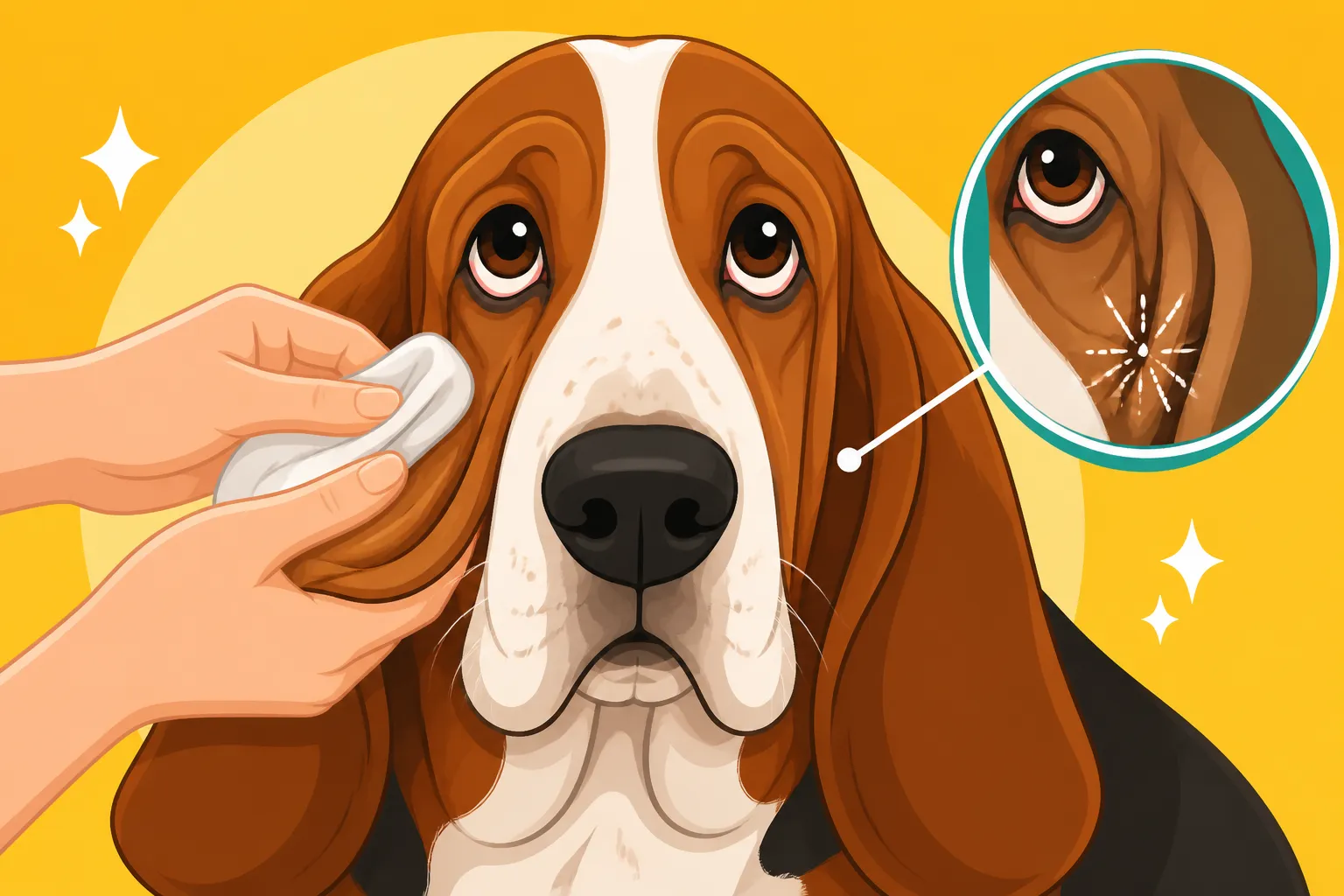
- Lift and Expose: Gently lift the outermost folds around their muzzle, eyes, and along the jawline to expose the skin underneath. You'll often find discharge or crusting right below the eyes, and dampness deeper in the muzzle folds.
- Initial Wipe: Take a clean, damp cotton pad (or an appropriate pet wipe) and carefully wipe away any visible debris, food particles, or discharge from the surface of the folds. Be especially diligent around the eyes, as Bassets often get tear staining and gunk in these areas. Cleaning a Basset Hound's Face Wrinkles emphasizes the importance of getting into every nook.
- Deep Cleaning (if using liquid cleanser): If you're using a liquid cleanser, apply a small amount to a fresh cotton pad, making sure it’s damp, not soaking wet. Starting with the cleanest areas first (usually around the eyes, then moving to the muzzle), gently wipe deep into each fold. You might need to use your thumb and forefinger to spread the folds apart gently. Work slowly, one fold at a time, using a fresh pad for each section to prevent spreading bacteria. Pay close attention to the deep wrinkles above their nose and below their chin, where moisture often accumulates.
- Repeat as Needed: Continue this process until the cotton pads come away clean. You might be surprised by how much accumulates in those seemingly innocuous folds!
- Be Observant: As you clean, take note of the condition of the skin. Look for redness, swelling, sores, or any unusual odors. This visual check is crucial for catching potential problems early.
Remember to keep talking to your Basset in a soothing voice throughout, offering words of encouragement and reassurance.
Drying and Finishing Touches
This is the make-or-break stage. A clean but damp fold is almost worse than a dirty one because it creates the perfect environment for bacterial and yeast growth.
- Meticulous Drying: Using fresh, dry cotton pads or a soft, absorbent cloth, gently blot and wipe every single fold you just cleaned. You must ensure the skin is completely dry, not just superficially. Lift each fold again, pressing the dry pad into the crease to absorb all moisture. Don't rush this step. It might feel tedious, but it's essential. If the area feels even slightly damp, continue blotting. Consider using a cool hairdryer on a very low setting if your Basset tolerates it, but be extremely careful not to overheat or startle them.
- Protective Barrier (Optional): If your Basset is prone to fold dermatitis, now is the time to apply a thin layer of your chosen pet-safe protective balm. Use your fingertip to gently spread a tiny amount into the deepest parts of the dry folds. The goal is a barely-there film, not a thick layer that could trap more moisture.
- Reward and Release: Once you're certain all folds are clean, dry, and potentially protected, lavish your Basset with praise and those high-value treats. Make it clear that they've been a very good hound! This positive reinforcement is vital for making future cleaning sessions easier. A good snuggle or a short play session afterward also helps solidify the positive association. Whether a Basset Hound Needs Wiping After Every Meal is a great article that touches on preventing mess in those folds after dinner.
Frequency and Signs Your Routine Needs Adjustment
Establishing a consistent routine is foundational, but understanding how often you need to clean those folds, and recognizing when your current approach isn't quite cutting it, is equally important. Every Basset Hound is an individual, and their needs can change over time.
How Often to Clean Those Adorable Folds
For most Basset Hounds, a daily or every-other-day cleaning routine is ideal for preventative care. Think of it like brushing your own teeth – it's a daily habit that prevents bigger problems down the line. However, several factors can influence this frequency. A Basset who drools heavily, is a messy eater, or enjoys face-planting in mud puddles might need daily attention. Similarly, dogs living in humid climates or those with known skin sensitivities (like Whether a Basset Hound Gets Allergies) may benefit from more frequent cleaning.
Consider your Basset's lifestyle and diet. If they're on a new food or experiencing seasonal allergies, you might find their folds become irritated more easily, requiring a temporary increase in cleaning frequency. It's a proactive approach: you're not waiting for a problem to appear; you're actively working to prevent one. A quick daily check of the folds, even if it's just a visual inspection and a dry wipe, can save you a lot of trouble and vet visits in the long run. Regular maintenance helps keep yeast and bacteria from gaining a foothold, ensuring your Basset stays comfortable and smelling sweet, not sour. Whether a Basset Hound's Ear Odor Is Normal discusses similar principles for ear care, highlighting the importance of preventative hygiene.
Red Flags: When to Seek Veterinary Advice
Even with the most diligent cleaning routine, sometimes issues can arise or worsen. It's crucial to know the signs that indicate your at-home care might not be enough and that a veterinary visit is warranted. Ignoring these red flags can lead to prolonged discomfort for your Basset and more complicated, expensive treatments down the road.
Watch out for these symptoms:
- Persistent Redness and Inflammation: While a little temporary redness after a thorough cleaning might be normal for sensitive skin, persistent or worsening redness, especially if accompanied by swelling or heat, is a clear sign of inflammation or infection.
- Strong, Foul Odor: A healthy Basset's folds shouldn't smell strongly. A particularly unpleasant, pungent, or "cheesy" smell is often indicative of a bacterial or yeast infection thriving deep within the folds. Whether a Basset Hound Smells Because of Its Skin delves into how skin issues contribute to overall odor.
- Discharge and Oozing: Any yellow, green, or thick white discharge, or any clear fluid that persistently oozes from the folds, points directly to an infection that needs professional attention.
- Pain or Sensitivity: If your Basset flinches, whines, tries to bite, or pulls away aggressively when you attempt to clean their folds, it's a sign that the area is painful. This pain could be due to deep inflammation, an abscess, or a severe infection.
- Excessive Itching or Rubbing: A Basset constantly pawing at their face, rubbing their muzzle on furniture or the carpet, or shaking their head excessively is likely experiencing intense itchiness, a common symptom of skin fold dermatitis and infection.
- Bleeding or Open Sores: Any breaks in the skin, bleeding, or open sores within the folds are serious and require immediate veterinary examination to prevent further infection and ensure proper healing.
If you observe any of these signs, don't delay. Schedule an appointment with your veterinarian. They can accurately diagnose the underlying cause (e.g., bacterial, yeast, or both) and prescribe appropriate medicated treatments, which might include oral antibiotics, antifungals, or stronger topical solutions. Early intervention is always best to prevent minor irritations from escalating into severe, chronic conditions.
Preventing Future Fold Frights
While daily cleaning is reactive in a sense, a holistic approach to your Basset Hound's health can significantly reduce the likelihood and severity of future skin fold issues. Prevention is always better than cure, and by addressing potential triggers and maintaining overall well-being, you can set your Basset up for success.
Dietary Considerations and Allergies
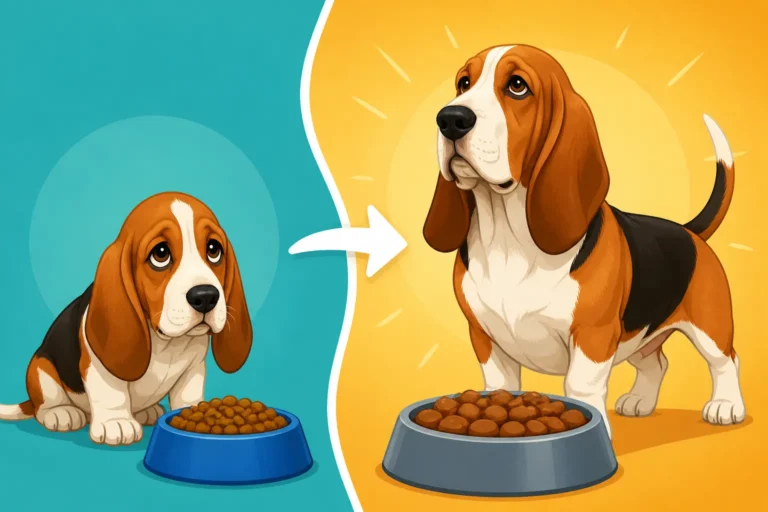
Believe it or not, what goes into your Basset Hound's belly can often show up on their skin. Food sensitivities and allergies are a common cause of skin problems, including inflammation and itchiness that can exacerbate fold dermatitis. If your Basset is experiencing chronic skin issues despite a diligent cleaning routine, it might be time to look at their diet. Certain ingredients, most commonly chicken, beef, dairy, wheat, or soy, can trigger allergic reactions in sensitive dogs. These reactions often manifest as itchy skin, ear infections, and yes, irritated skin folds.
Choosing a high-quality, balanced diet with easily digestible ingredients is a good starting point. Some owners find success with novel protein diets (using proteins like duck, venison, or fish) or hydrolyzed protein diets, which are designed to be less allergenic. Brands like Ollie, known for their fresh, human-grade dog food, focus on transparency and quality ingredients, which some owners find beneficial for sensitive dogs. However, switching food should always be done gradually and ideally in consultation with your vet. If a food allergy is suspected, your veterinarian might suggest an elimination diet, which is the most accurate way to identify the offending ingredients. This involves feeding a strictly controlled diet for several weeks to see if symptoms improve, then reintroducing ingredients one by one. Addressing a dietary trigger can often dramatically reduce skin inflammation, making fold maintenance much easier. Whether a Basset Hound Reacts to Its Food provides a deeper dive into this topic.
Environmental Factors and Grooming Habits
Your Basset's living environment also plays a crucial role in their skin health. High humidity can make it harder to keep folds dry, increasing the risk of yeast and bacteria. Ensuring good ventilation in your home and avoiding overly damp sleeping areas can help. Regularly washing their bedding removes allergens, dirt, and bacteria that could transfer to their skin. Similarly, consider the type of bowls they eat and drink from. Plastic bowls can harbor bacteria and some dogs are sensitive to plastic, so stainless steel or ceramic options might be better. Keeping drinking bowls clean and full of fresh water is also important, as constant wetness around the mouth can contribute to fold issues.
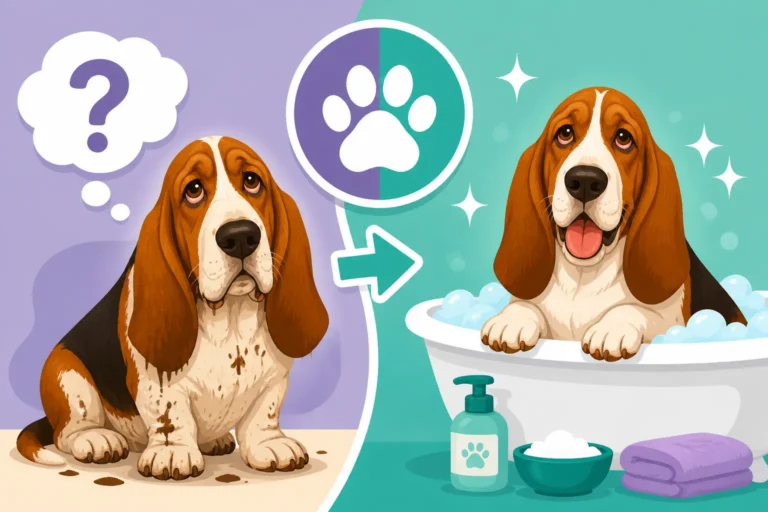
Beyond the folds themselves, regular overall grooming contributes to skin health. While Basset Hounds have short coats and don't require elaborate grooming, occasional bathing with a gentle, dog-specific shampoo helps remove dirt, allergens, and excess oils from their skin and coat. However, don't over-bathe, as this can strip natural oils and dry out the skin. After bathing, ensure your Basset is thoroughly dried, especially in and around all their skin folds. Whether a Basset Hound's Folds Need Drying After Cleaning is a helpful resource here. Regular brushing with a rubber curry comb can also help stimulate circulation and remove loose hair, contributing to overall skin vitality. These small habits create a healthier environment for your Basset's skin, making those facial folds less prone to problems.
Regular Vet Check-ups for Skin Health
Never underestimate the power of regular veterinary check-ups for maintaining your Basset Hound's skin health. Your vet is your best partner in preventing and managing issues with those adorable, yet sometimes problematic, folds. During routine wellness exams, your vet can conduct a thorough examination of your Basset's skin, including a detailed inspection of all the folds that you might miss or might not be able to fully assess at home. They can spot early signs of irritation or infection before they become severe.
Discussing breed-specific predispositions with your veterinarian is also invaluable. Basset Hounds are known for their skin issues, and your vet can provide tailored advice based on your dog's individual history, local climate, and any recurring problems. If your Basset has had previous fold infections, your vet might recommend specific preventative measures, medicated wipes to use periodically, or suggest testing for underlying conditions like hypothyroidism, which can impact skin health. They can also perform skin scrapings or cytology (examining cells under a microscope) if an infection is suspected, to determine whether it's bacterial, yeast, or a combination, ensuring the correct treatment is prescribed. Early detection and intervention by a professional are critical for preventing chronic skin conditions and ensuring your Basset Hound remains comfortable and happy. It's a key part of What a Basset Hound Needs Every Day for a long, healthy life.
Specialized Care for Stubborn Folds
Sometimes, despite your best efforts with regular cleaning and preventative measures, those Basset Hound folds can be stubborn. Recurring infections or particularly severe dermatitis require a more targeted approach, often involving veterinary-prescribed treatments. This isn't a sign of failure on your part, but rather an indication that the problem has gone beyond simple hygiene and needs medical intervention.
Medicated Wipes and Solutions
When you're dealing with a persistent or active infection, your veterinarian will likely prescribe medicated wipes or solutions. These aren't your everyday gentle cleansers; they're formulated with specific active ingredients to combat yeast and bacteria. Common active ingredients include chlorhexidine, which is a broad-spectrum antiseptic effective against many bacteria and some yeasts, and miconazole, an antifungal agent specifically targeting yeast. Sometimes, a combination of both is used.
It's crucial to use these medicated products exactly as directed by your vet. This usually involves cleaning the folds thoroughly with the medicated solution once or twice a day for a specified period. You might be instructed to leave the solution on for a few minutes before gently drying, to allow the active ingredients to work their magic. Do not stop treatment prematurely, even if the folds appear to be clearing up, as this can lead to a relapse and potentially create resistant strains of bacteria or yeast. Understanding the purpose of these ingredients – whether it's to kill bacteria, fungi, or both – helps you appreciate why consistency and adherence to the vet's instructions are so important. They are powerful tools in your fight against skin fold infections, but only when used correctly.
The Role of Antifungal and Antibacterial Treatments
For more severe or deeply rooted infections, topical wipes and solutions might not be enough. In such cases, your veterinarian may prescribe oral medications, such as antibiotics to fight bacterial infections or antifungals for yeast overgrowth. These systemic treatments work from the inside out, addressing infections that have taken hold beneath the surface or are widespread. Just like with medicated wipes, it's vital to complete the entire course of oral medication, even if your Basset appears to be feeling better after a few days. Stopping early can lead to incomplete eradication of the infection and a quick return of symptoms, potentially making future treatments less effective.
In some instances, a vet might also recommend medicated shampoos designed to be used during baths, especially if the skin issues extend beyond just the facial folds. These shampoos often contain similar active ingredients to the wipes but are applied to the entire coat, left on for a contact time, and then rinsed thoroughly. The key here is to dry your Basset meticulously after such a bath, paying extra attention to all skin folds, to avoid trapping moisture and undoing the benefits of the medicated wash. Recurring or chronic skin fold issues can sometimes point to an underlying problem, such as allergies (Whether a Basset Hound Gets Allergies) or even a thyroid imbalance (Signs a Basset Hound's Thyroid Has Failed), which your vet will investigate to provide a long-term solution rather than just treating the symptoms.
Here's a quick comparison of common cleaning and protective products for Basset Hound facial folds:
| Product Type | Primary Use | Key Benefits | Considerations |
|---|---|---|---|
| Gentle Pet Wipes | Daily maintenance, light cleaning | Convenient, easy to use, quick refresh | May not be enough for active infections; choose pH-balanced. |
| Liquid Cleansers | Routine cleaning, deeper clean | Can be more thorough for deep folds, customizable dilution | Requires cotton pads/cloths, rinse/dry thoroughly. |
| Medicated Wipes | Active bacterial/yeast infections | Targeted treatment with antiseptics/antifungals | Vet-prescribed; must follow instructions carefully; avoid overuse. |
| Protective Balms | Preventative, reduce friction/moisture | Forms a barrier, soothes irritation, moisturizes | Ensure pet-safe (zinc-free); apply thinly to completely dry skin. |
| Soft Cotton Pads | Application of cleansers, drying | Gentle, absorbent, disposable | Use multiple for different areas to prevent cross-contamination. |
| Microfiber Cloths | Drying, general wiping | Highly absorbent, reusable, soft | Must be kept impeccably clean; wash frequently. |
Disclaimer
This article is for general informational purposes only and does not constitute professional advice. Laws, prices and regulations vary by location and change over time. Consult a qualified professional for guidance on your specific situation.