Whether a Basset Hound Gets Dental Disease
It's easy to get lost in the velvety ears and soulful gaze of a Basset Hound, but as loving as these dogs are, they come with their own set of unique health considerations. One area that often gets overlooked, yet can cause significant discomfort and lead to serious systemic health problems, is their dental health. Many Basset Hound owners find themselves wondering if their beloved companion is destined for dental woes. This comprehensive guide aims to shed light on why Basset Hounds are particularly susceptible to dental disease, how to spot the signs, and, most importantly, how to keep their mouths healthy and pain-free for a long and happy life.
The Unique Dental Challenges of Basset Hounds
Our Bassets are truly one-of-a-kind, from their low-slung bodies to their expressive faces. While these traits make them utterly charming, they also contribute to certain predispositions, including dental issues. It’s not just about getting lucky; understanding their anatomy helps us be proactive.
Why Basset Hounds Are Prone to Dental Issues
One of the biggest reasons Basset Hounds frequently develop dental problems is their unique skull and jaw structure. They are a chondrodystrophic breed, meaning they have a form of dwarfism that results in short legs and a long body. While their body is long, their muzzle often isn't proportionally long enough to accommodate all 42 adult teeth without crowding. Imagine trying to fit a full set of human teeth into a much smaller jaw – it would be a tight squeeze, right? That's what happens in many Basset Hounds. This crowding creates nooks and crannies where food particles and bacteria can easily get trapped, leading to plaque formation.
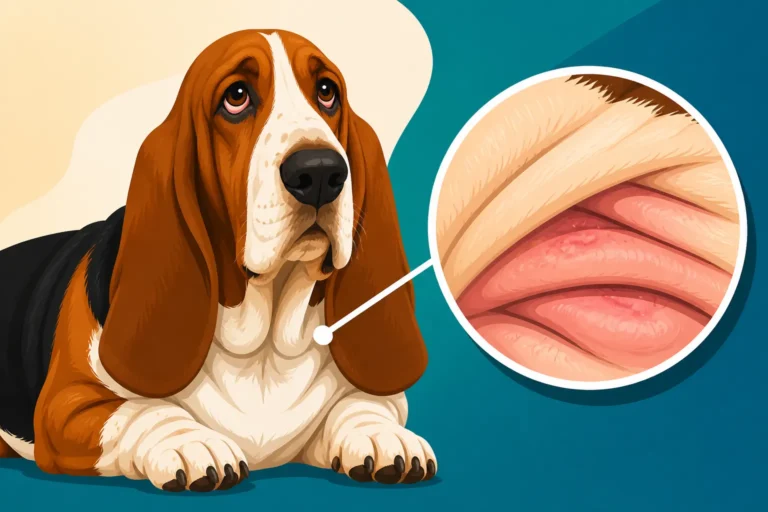
Beyond the crowded teeth, their characteristic droopy lips and jowls can also play a role. These folds, while adorable, can sometimes create a moist, warm environment around the gums, especially on the outside of the teeth, which can be conducive to bacterial growth. This means that regular cleaning, not just of their ears (which we talk about in depth in topics like How Often a Basset Hound's Ears Must Be Cleaned), but also of their mouth, becomes even more crucial for Bassets.
Common Dental Conditions Seen in Basset Hounds
Just like us, Basset Hounds are susceptible to a range of dental problems, with some being far more prevalent due to their breed-specific anatomy. The most common starting point is plaque and tartar buildup. Plaque is a sticky film of bacteria, food particles, and saliva that constantly forms on teeth. If not removed, it hardens into tartar (calculus), a rough, porous substance that adheres strongly to the tooth surface, creating a perfect breeding ground for more bacteria.
This buildup often leads directly to gingivitis, which is inflammation of the gums. You might notice your Basset's gums looking red, swollen, and perhaps bleeding slightly when they chew or if you try to brush them. If left unchecked, gingivitis progresses to periodontal disease, a more severe condition where the inflammation spreads to the deeper supporting structures of the tooth. This can cause irreversible damage, including bone loss, gum recession, and ultimately, tooth loss. Beyond periodontal disease, Bassets can also suffer from fractured teeth from chewing on inappropriate hard objects, or dental abscesses, which are painful infections at the root of a tooth that can cause significant swelling and discomfort, sometimes even impacting their general demeanor and appetite. Sometimes, puppy teeth (deciduous teeth) don't fall out when they should, leading to retained deciduous teeth, which further crowds the mouth and traps food.
Recognizing the Signs of Dental Disease in Your Basset
It’s often said that dogs are masters at hiding pain, and dental discomfort is no exception. As loving owners, we need to be vigilant and know what to look for to catch these issues early. Ignoring the subtle cues can lead to worsening conditions and more invasive, costly treatments down the line, which is why understanding What a Basset Hound Costs a Year to Keep includes budgeting for potential vet visits.
Early Warning Signals to Watch For
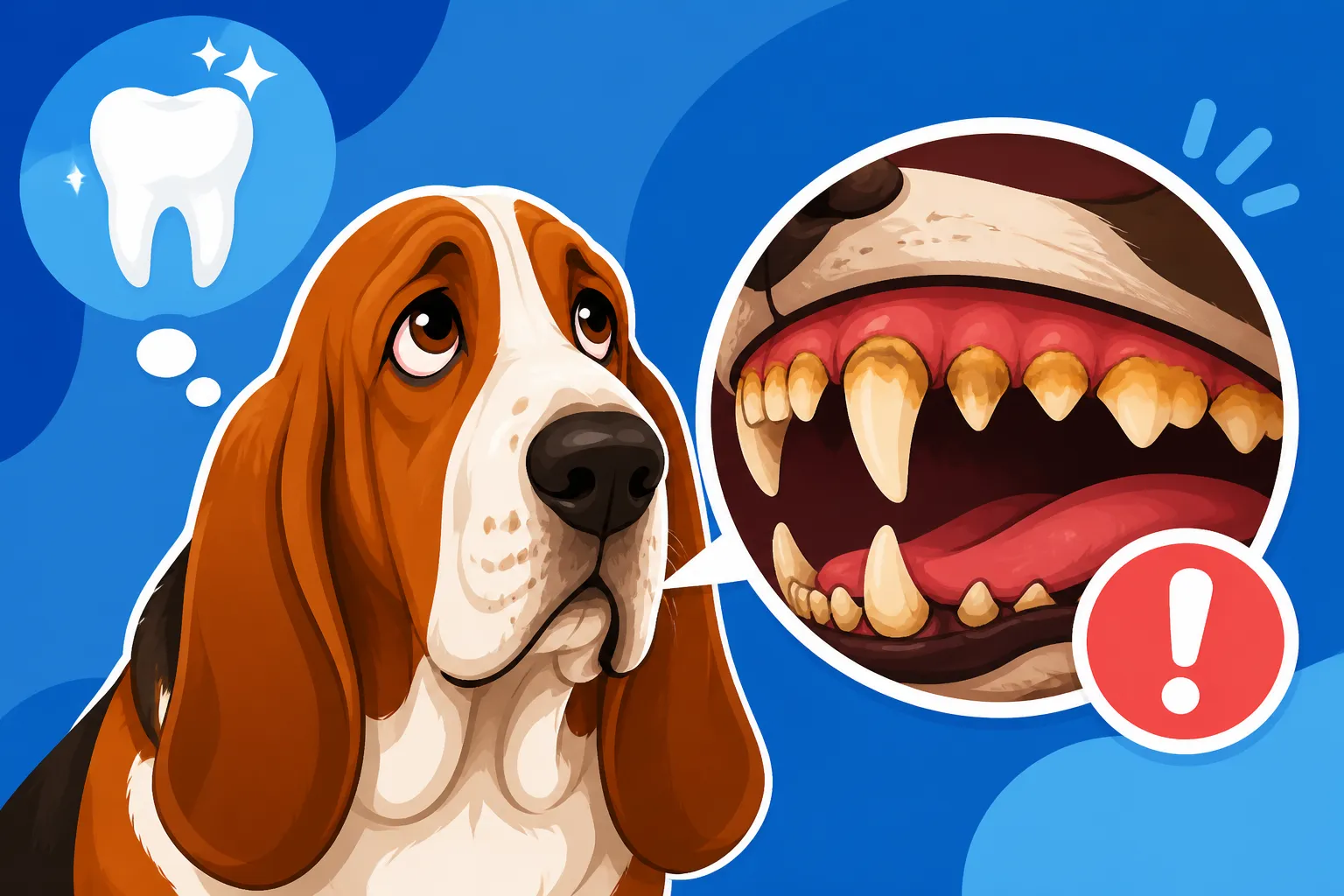
The number one sign of dental disease, and often the first thing owners notice, is bad breath, or halitosis. Now, no dog has minty fresh breath all the time, but if your Basset's breath could knock a buzzard off a garbage truck, that's a huge red flag. It's not just "dog breath"; it's usually a sign of excessive bacterial growth in the mouth. When you lift their floppy lips, take a peek at their gums. Healthy gums should be a nice salmon pink color. If they appear red, swollen, or look like they're bleeding easily – perhaps you see a little blood on their chew toy or in their water bowl – this indicates gingivitis.
Another tell-tale sign is the visible accumulation of yellow or brown material on their teeth, especially along the gumline. This is tartar, and once it's there, brushing alone won't remove it effectively. Pay attention to how your Basset eats. Are they suddenly reluctant to chew on their favorite hard kibble or dental treats? Do they drop food from their mouth or chew only on one side? These subtle changes in eating habits can be an indication of pain. For a breed that often seems like Feeding a Basset Hound That Would Eat Forever, any hesitation around food is worth noting.
Advanced Symptoms and When to Seek Veterinary Care
As dental disease progresses, the symptoms become more obvious and concerning. You might notice your Basset pawing at their mouth frequently, rubbing their face against furniture, or drooling excessively, sometimes with blood-tinged saliva. At this stage, you might even spot loose or missing teeth. If the infection has progressed to form an abscess, you could see swelling under their eye (particularly common for upper canine or premolar abscesses) or along their jawline. This swelling can be painful and indicates a serious infection that requires immediate veterinary attention.
Beyond the mouth, advanced dental disease can manifest in changes to their overall behavior. A dog in chronic pain might become more withdrawn, lethargic, or irritable. They might show less interest in playing or going for walks. These generalized symptoms mean the infection has likely become quite severe and could be affecting their systemic health. Don't delay in seeking veterinary care if you observe any of these advanced signs. Untreated dental infections can lead to severe complications, including infections of the heart, kidneys, and liver, which can significantly impact The Ten to Twelve Years a Basset Hound Lives.
Proactive Dental Care: Keeping Your Basset's Pearly Whites Healthy
The good news is that much of Basset Hound dental disease is preventable with consistent, proactive care. It might seem daunting at first, but incorporating dental hygiene into your daily or weekly routine can make a world of difference.
The Importance of Regular Brushing and Oral Hygiene at Home
The gold standard for at-home dental care is regular tooth brushing. Ideally, this should be done daily, but even two to three times a week can be incredibly beneficial. You'll need a dog-specific toothbrush (angled brushes or finger brushes work well for Bassets) and enzymatic dog toothpaste – never use human toothpaste, as it contains ingredients toxic to dogs, like xylitol. Start slowly, letting your Basset lick the toothpaste off your finger, then introduce the brush for short sessions, focusing on the outside surfaces of their upper teeth where plaque tends to accumulate most. Gentle massage is key; don't scrub too hard.
For Bassets who resist brushing, other options can help. Dental wipes are pre-moistened pads you can use to wipe plaque off their teeth and gums. Oral rinses and water additives, which contain antibacterial agents, can also help reduce bacteria in the mouth and freshen breath, though they are less effective than brushing. Dental chews and toys specifically designed for dental health can aid in scraping away plaque, but always choose appropriate sizes and textures to prevent tooth fractures. Brands like Greenies or VeggieDent chews, or even certain durable rubber toys, can be good choices. Remember, anything too hard can crack a tooth, which would then require emergency surgery. This is just one of the reasons why you should understand What a Basset Hound's Emergency Surgeries Cost and consider pet insurance like Healthy Paws.
Professional Dental Cleanings and Examinations
While home care is vital, it cannot replace professional veterinary dental cleanings. Just like we need our teeth professionally cleaned, so do our Bassets. These procedures are performed under general anesthesia, which allows the veterinarian to thoroughly examine every tooth, probe under the gumline, take dental X-rays (to check for issues below the gumline that aren't visible), scale away all plaque and tartar both above and below the gumline, and polish the teeth to smooth the surfaces, making it harder for new plaque to adhere.
During these cleanings, any necessary extractions of diseased or fractured teeth are performed. The frequency of professional cleanings varies but typically ranges from every one to three years, depending on your Basset's individual needs and your at-home care routine. Yes, the cost can be a concern, and anesthesia always carries some risk, but the benefits of preventing pain and systemic disease far outweigh these concerns. Many owners find that pet insurance providers, such as Healthy Paws, offer coverage for these crucial procedures, making it more manageable to ensure your Basset gets the care they need. It's a proactive step that aligns with providing What a Basset Hound Needs Every Day for their overall wellbeing.
Dietary Considerations for Dental Health
The food you choose for your Basset Hound can also play a role in their dental health. While kibble is generally better than wet food for mechanically scrubbing teeth, not all kibbles are created equal. Some veterinary dental diets, such as Hill's Prescription Diet t/d or Royal Canin Dental, are specifically formulated with larger kibble sizes and unique fiber matrices that help scrub the tooth surface as your dog chews, reducing plaque and tartar accumulation. These diets are often clinically proven to reduce plaque and tartar by a certain percentage.
When considering treats, be mindful of their dental impact. Many regular treats are high in sugar or stick to teeth. Opt for dental-specific treats or natural, safe chews. Raw bones are a controversial topic; while some advocate for them for dental health, they carry risks of tooth fractures, choking, or internal injury. If you choose to offer them, supervise closely and select appropriate sizes and types (e.g., raw recreational bones, not weight-bearing bones that are too hard). Always remember that proper nutrition is fundamental for a Basset Hound, especially when considering How Much a Basset Hound Should Weigh to prevent other health issues like joint problems.
The Long-Term Impact of Untreated Dental Disease
It’s tempting to ignore bad breath or a bit of tartar, especially if your Basset isn't visibly in pain. However, doing so can have profound, long-lasting consequences that extend far beyond their mouth.
Beyond the Mouth: Systemic Health Risks
The mouth is a gateway to the rest of the body. When a Basset Hound has untreated dental disease, the chronic inflammation and bacterial infection in their gums and around their teeth don't stay isolated. These bacteria can easily enter the bloodstream through the inflamed gum tissue. Once in the bloodstream, they can travel to major organs, including the heart, kidneys, and liver, causing infections and exacerbating existing conditions. For example, bacteria from the mouth can contribute to endocarditis, an infection of the heart valves. Similarly, they can put an extra strain on the kidneys and liver, organs already working hard to filter toxins from the body.
This systemic impact is a critical reason why veterinarians emphasize dental care, not just for fresh breath, but for overall health and longevity. It's not uncommon for a Basset Hound presenting with kidney issues to also have severe dental disease, and addressing the oral health can sometimes lead to an improvement in their other conditions. The chronic pain associated with advanced periodontal disease also significantly affects a dog's quality of life. Imagine living with a constant toothache – it affects everything, from eating and sleeping to their willingness to interact. Ensuring your Basset Hound gets regular vet checks is key to catching these systemic issues early, much like monitoring for other breed-specific concerns such as The Back Trouble a Basset Hound Is Built Into or The Glaucoma a Basset Hound Inherits.
Prevention as the Best Policy
Ultimately, when it comes to dental disease in Basset Hounds, prevention truly is the best medicine. While some genetic predispositions due to their unique The Crooked Front a Basset Hound Is Built On and crowded mouths can't be changed, proactive management can mitigate the vast majority of problems. This means a consistent commitment to daily or near-daily home oral hygiene, coupled with regular veterinary dental examinations.
Think of dental care as a lifelong partnership with your Basset. Start good habits when they're puppies, making tooth brushing a positive experience. Consult with your veterinarian annually, not just for vaccinations, but for a thorough oral health assessment. They can advise you on the best home care products and when a professional cleaning might be necessary. Pet insurance, like Healthy Paws, can also be a valuable tool to help manage the costs of both preventative and reactive dental care, ensuring you never have to choose between your Basset's health and your budget. By prioritizing their dental health, you're not just ensuring a sparkling smile; you're contributing to their comfort, happiness, and overall lifespan.
Disclaimer
This article is for general informational purposes only and does not constitute professional advice. Laws, prices and regulations vary by location and change over time. Consult a qualified professional for guidance on your specific situation.