Whether a Basset Hound Bays at Sirens
Basset Hound baying behavior explains why these hunting dogs respond to sirens with heritage vocalizations and how owners manage the noise.

Basset Hound baying behavior explains why these hunting dogs respond to sirens with heritage vocalizations and how owners manage the noise.

Basset Hound vocalizations including the deep resonant bay, barks, howls, and whines explain whether the breed is truly loud.

Basset Hound vulnerabilities to theft include a recognizable purebred appearance, monetary value, and a friendly, trusting temperament.

Basset Hounds need GPS trackers because their strong sense of smell and independent instincts cause them to wander far from home.

Lost Basset Hounds rarely return home on their own because scent instincts and selective hearing override their direction.

Basset Hound escape behavior explains why short legs and flexible spines let these heavy dogs flatten and squeeze through tight yard gaps.
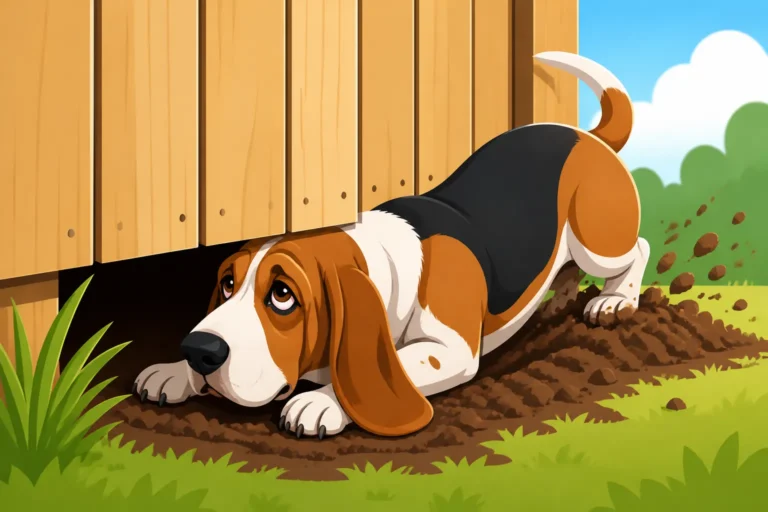
Basset Hound fence digging behaviors stem from scent tracking instincts, boredom, or separation anxiety, requiring practical containment strategies.
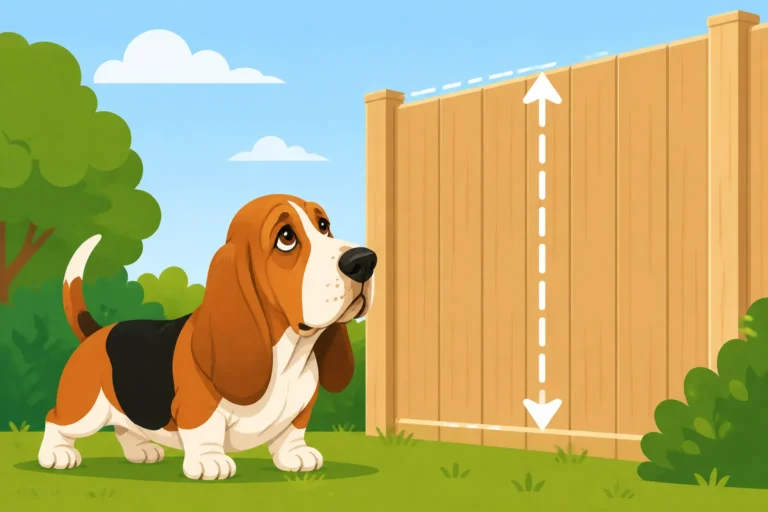
Basset Hound fence height requirements and containment strategies help owners keep scent-driven dogs safely contained in the yard.
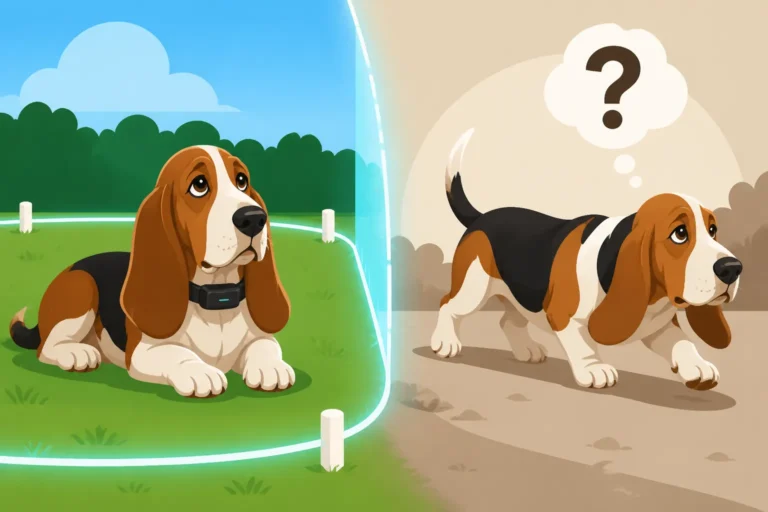
Basset Hound containment using invisible fences fails because a strong scent tracking drive overrides static corrections.

Basset Hound scent drives and hunting instincts create severe safety hazards in unfenced yards, making independent roaming dangerous.