Whether Nose Work Tires a Basset Hound Out
Basset Hound nose work provides deep mental and physical fatigue by engaging their ancient scenting instincts and brains.
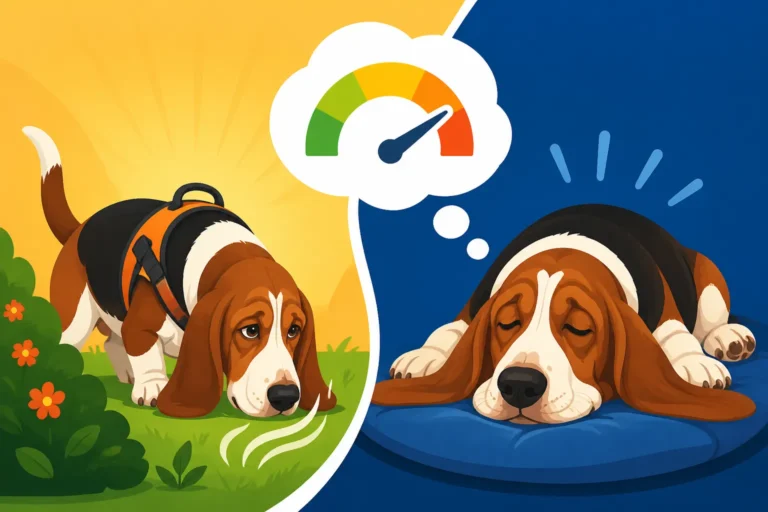
Basset Hound nose work provides deep mental and physical fatigue by engaging their ancient scenting instincts and brains.
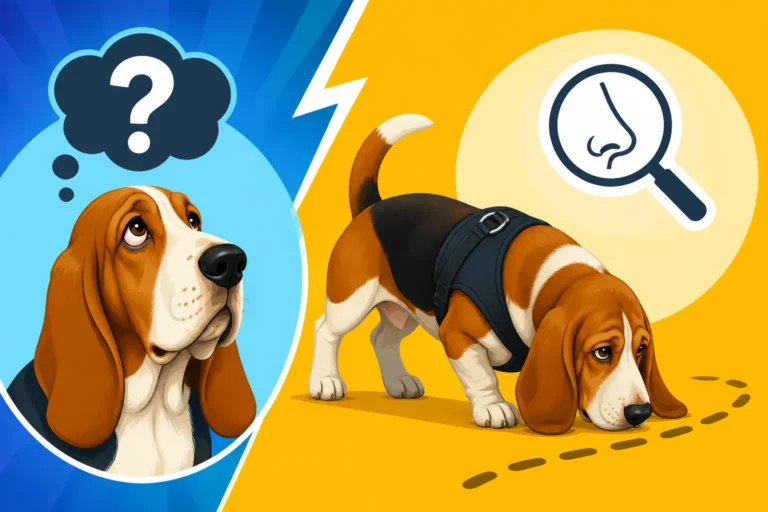
Basset Hound scent detection capabilities, exceptional olfactory receptors, and specific training challenges for scent work tasks.
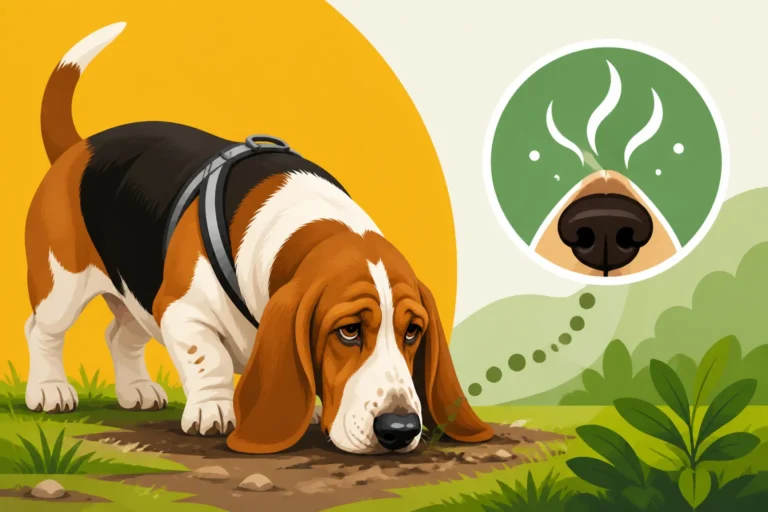
Basset Hound scent work harnesses their powerful natural tracking instincts, extraordinary olfactory abilities, and low physical height.
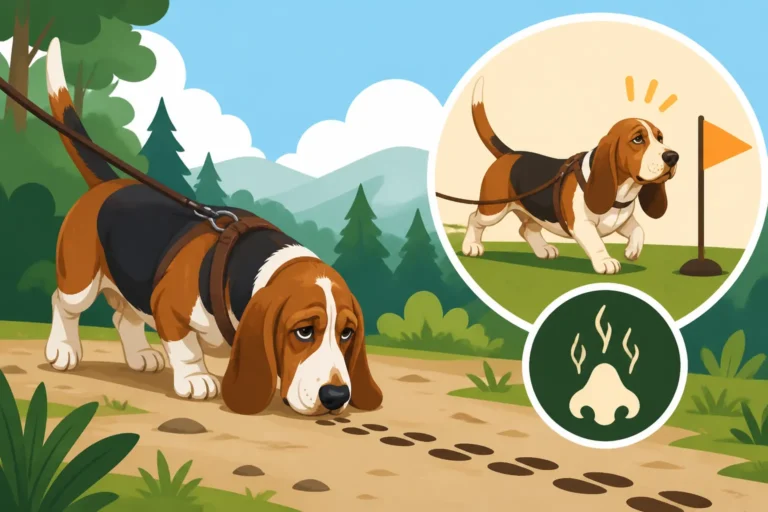
Basset Hound physical traits like long ears and loose skin trap odors to help these scenting machines excel at tracking trials.
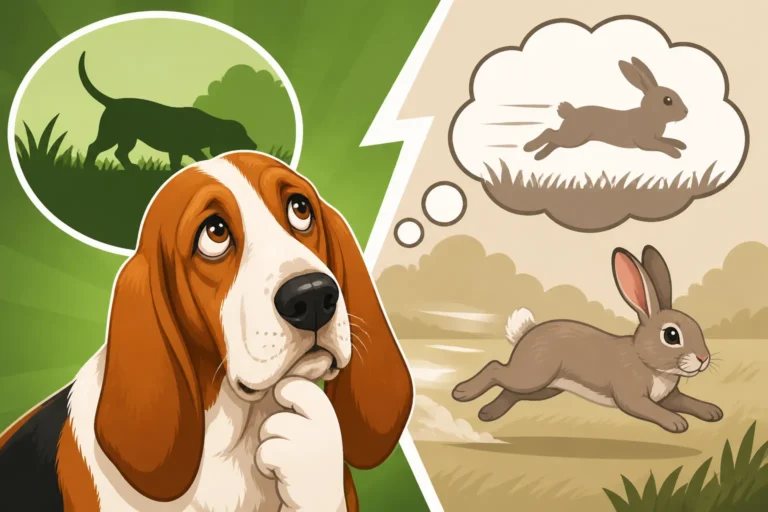
Basset Hound hunting instincts, physical traits, and scent-tracking abilities explain why these dogs still chase rabbits today.
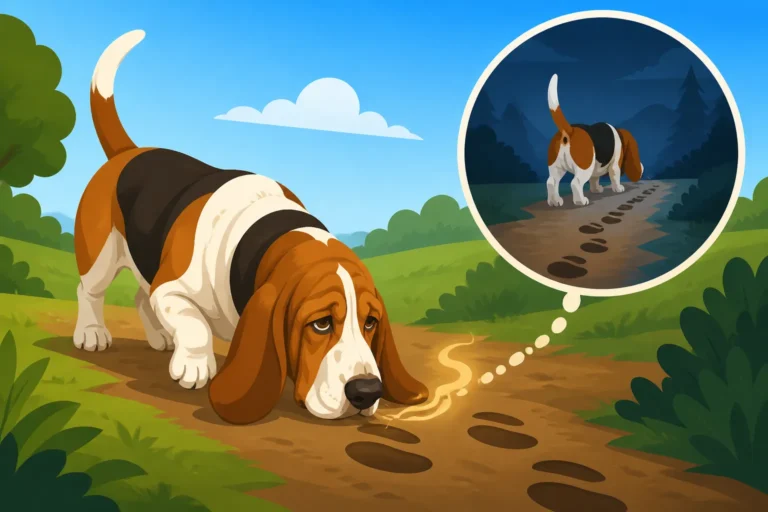
Basset Hound scenting capabilities and specialized anatomy explain whether these dogs can successfully follow a day-old trail.
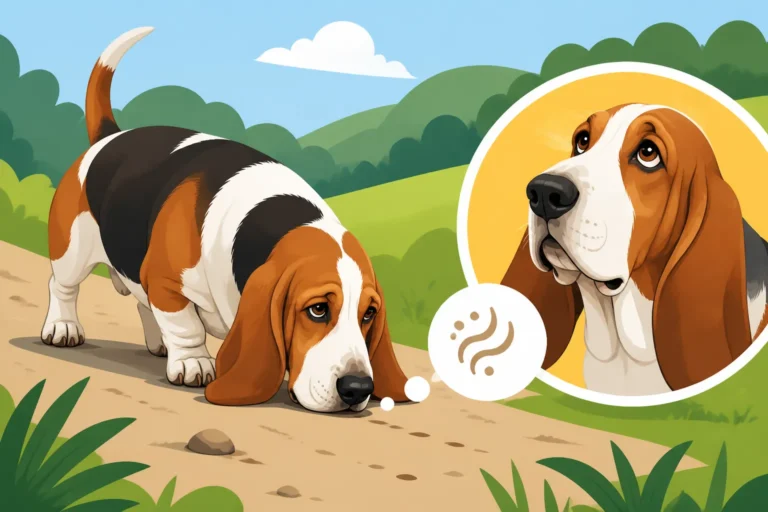
Basset Hound trailing behavior and anatomy with 220 million olfactory receptors explain why the breed follows scent trails.
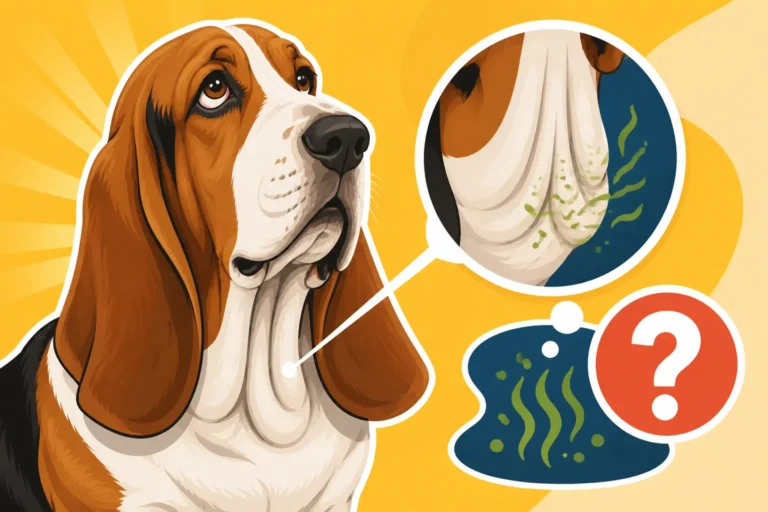
The Basset Hound dewlap and its role in trapping scent, alongside their incredible olfactory system and tracking anatomy.
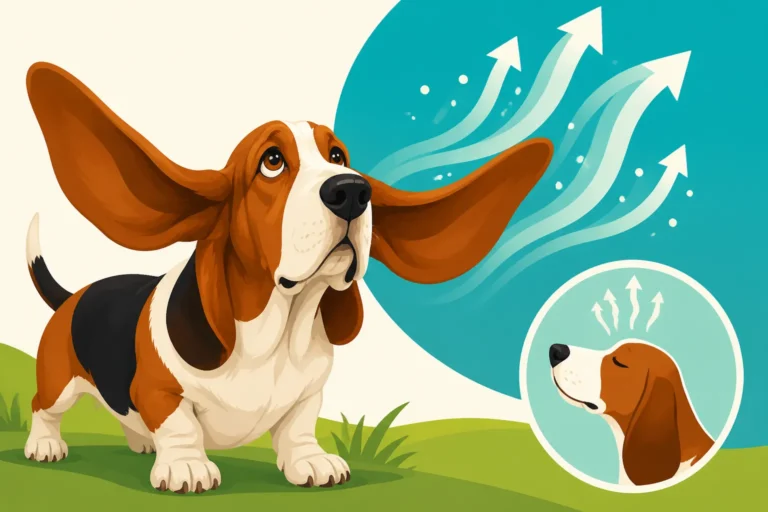
Basset Hound long ears, facial wrinkles, and a prominent dewlap trap and channel scent particles toward the nose during tracking.
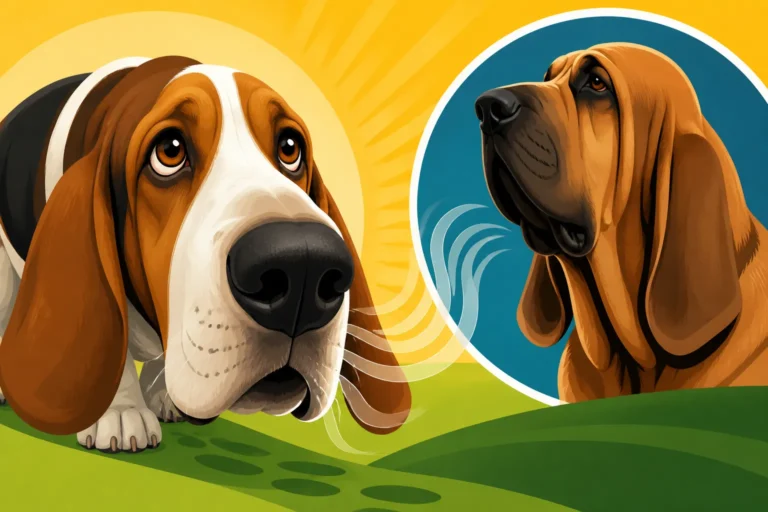
Basset Hound scent receptors and long ears create a specialized trailing ability that ranks just behind the legendary Bloodhound.