What the Lemon and White Basset Hound Looks Like
The lemon and white Basset Hound features soft yellow or creamy patches on a stark white background alongside other accepted coat colors.
Is this the right one for you?
Origins and temperament, size and coat, what living with one is actually like, and how it compares to the breeds people weigh against it.

The lemon and white Basset Hound features soft yellow or creamy patches on a stark white background alongside other accepted coat colors.
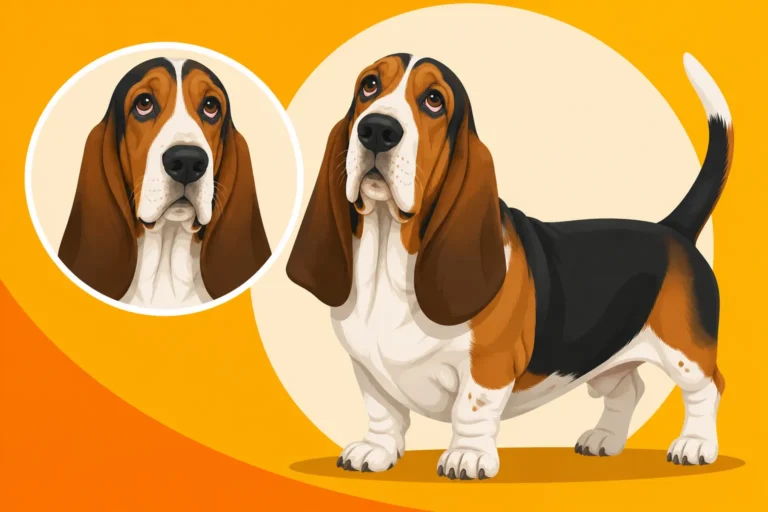
Tricolor Basset Hound coat markings, including black, white, and tan shades, explained with breed standard details.

Basset Hound weight and dense bone structure explain why this short dog surprises owners with unexpected physical heft.

Basset Hound skeletal structure, chondrodystrophy, and the genetic mutations causing short limbs and intervertebral disc disease.
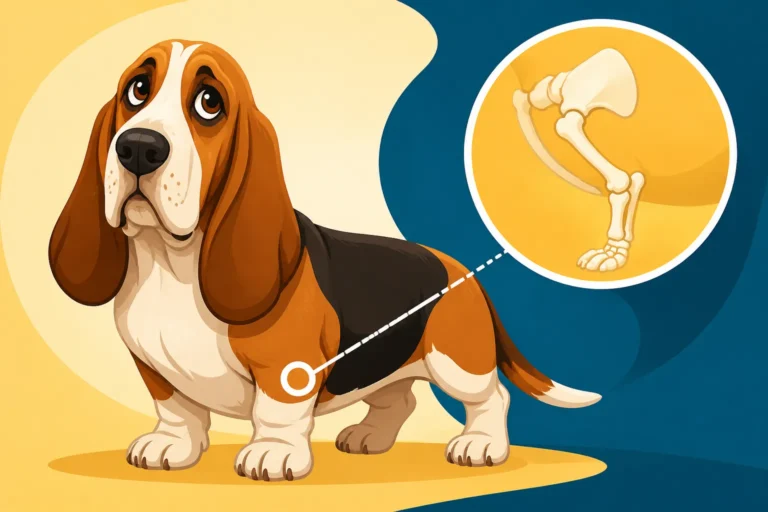
Basset Hound short legs originated from selective breeding in medieval Europe to help hunters follow game on foot.
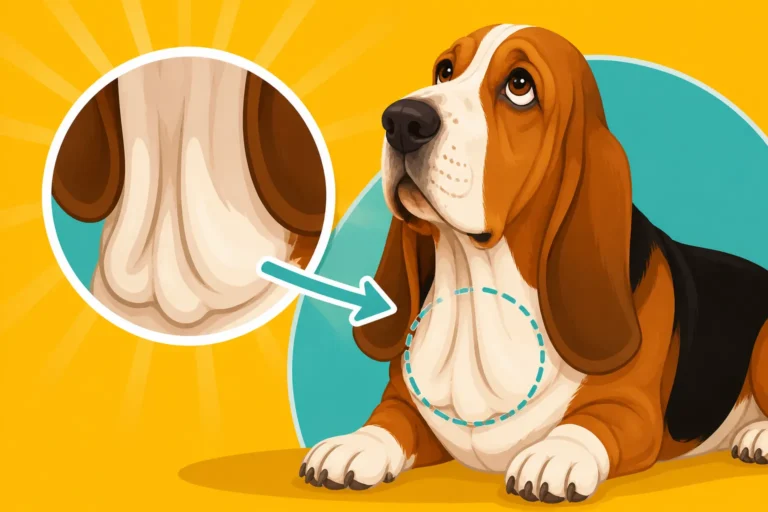
The loose skin under a Basset Hound’s chin is part of a build made for scent trailing, and owners can learn how to care for it to keep the dog healthy.
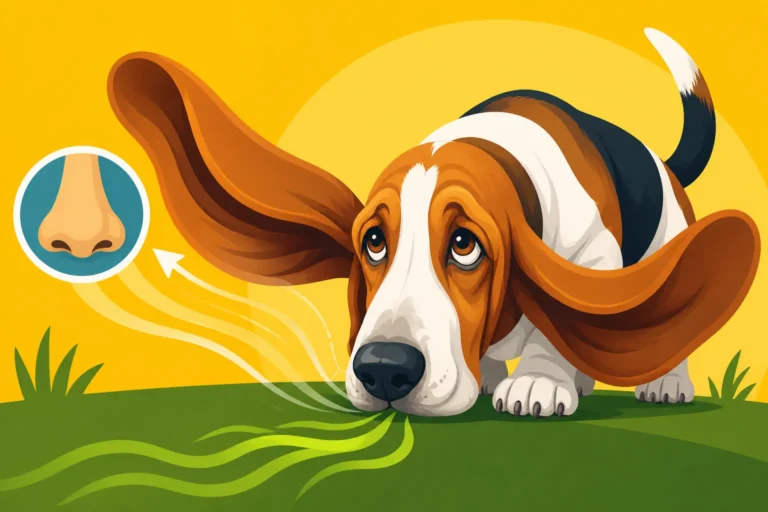
Basset hound ears up to twelve inches long sweep the ground, stirring up scent particles and funneling odors toward the nose.
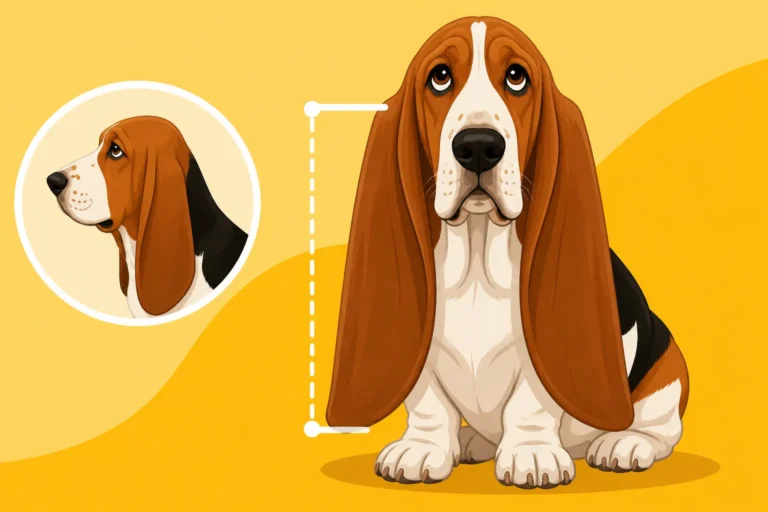
Basset Hound ears measure upwards of eight to twelve inches, nearly meeting across the nose and functioning as scent brooms.

Basset Hound scenting abilities and medieval French origins explain why modern dogs still track trails with intensity.

Basset Hound history reveals whether medieval French monks and hunters originally bred these low-slung dogs to track rabbits or deer.