Whether a Basset Hound Was Bred for Rabbit or Deer
One common question that pops up among Basset Hound enthusiasts and potential owners alike is, "What exactly were these charmingly lumpy, long-eared hounds for?" It's easy to look at a Basset today, lounging on a sofa, and wonder about their origins. Many assume their low-slung bodies and incredible noses point to a specific quarry. This guide will dive deep into the historical purpose of the Basset Hound, exploring whether they were primarily bred to track nimble rabbits or larger, more formidable deer, and how their unique physical traits made them perfectly suited for their original hunting roles.
The Ancient Roots of the Basset Hound's Purpose
When you gaze into those soulful Basset Hound eyes, it's hard to imagine them as anything but beloved family members. Yet, beneath that placid exterior lies a history steeped in the pursuit of game. Their very existence is a testament to selective breeding for a very specific job in the field. To understand their original quarry, we have to journey back to their beginnings.
From Monastic Kennels to French Nobility
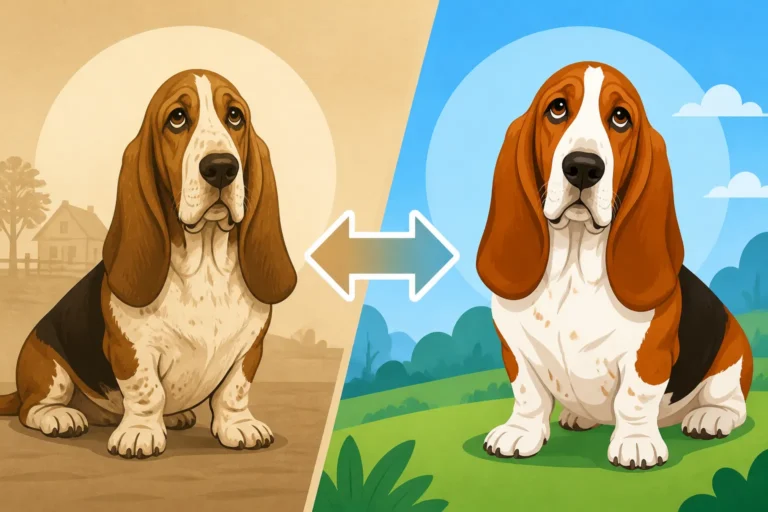
The lineage of the Basset Hound is a truly fascinating tale, stretching back through the mists of time to the monastic kennels of medieval France. We're talking centuries ago, long before pet stores and dog parks. These dogs weren't just "pets" in the modern sense; they were tools, carefully developed for practical purposes. Their story intertwines deeply with Where the First Basset Hounds Came From and the legendary figure of Who Saint Hubert Was, the patron saint of hunters. It was in these serene, often secluded, abbey settings that the foundations for many modern hound breeds were laid. The monks, dedicated and observant, played a crucial role in developing hounds with exceptional scenting abilities. They weren't just breeding for speed or brute strength, but for meticulous, unwavering focus on a scent trail. These early hounds, often referred to as the "Abbey Hounds," were the ancestors of what would become several distinct breeds, including our beloved Basset.
The Need for a Low-Slung Hunter
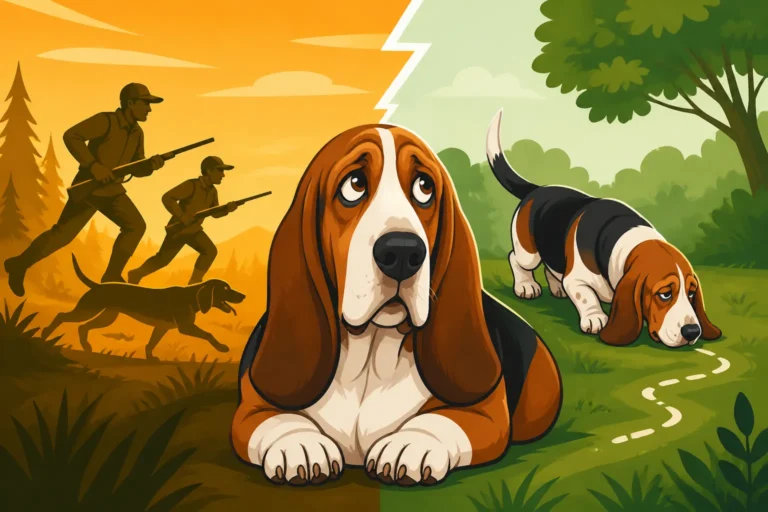
Why create a dog with such short legs, a body that practically drags on the ground, and ears that nearly sweep the dew? It wasn't an accident or a whimsical choice. French hunters, particularly those hunting on foot rather than horseback, faced a challenge. They needed a hound that could meticulously follow a trail through dense underbrush, thickets, and rough terrain without outrunning the human hunters. A faster hound might quickly lose its handlers, making the hunt inefficient and frustrating. The solution was the "basset" type – a term derived from the French word "bas," meaning "low." Why French Hunters Wanted a Slow Hound is directly tied to this practical need. These short-legged dogs could push through brambles, nose to the ground, never missing a nuance of the scent, and moving at a pace that allowed hunters to keep up. This deliberate selection for a slower, more ground-hugging hunting style profoundly shaped the Basset Hound's form and function, indicating a clear preference for a specific kind of game that wouldn't easily escape a relentless, if unhurried, pursuit.
The Basset Hound's Specialized Hunting Style
When you really start to appreciate the Basset Hound's physical characteristics, it becomes clear they're not just cute and cuddly; they are perfectly engineered hunting machines. Every droop, every wrinkle, every heavy bone serves a purpose honed over centuries of selective breeding. It's a testament to how form follows function in the world of working dogs.
Scent-Tracking Prowess: Ears, Nose, and Dewlap
Let's talk about that nose – it's legendary, truly. A Basset Hound's nose is often said to be second only to a Bloodhound's in its ability to detect and follow scent trails. The Nose That Puts a Basset Hound Second to a Bloodhound isn't just a fun fact; it's a core aspect of their identity. But it's not just the nose itself; it's the whole package. Those impossibly long, velvety ears aren't just for show. As the Basset moves, its ears drag along the ground, effectively sweeping and funneling scent particles directly towards its powerful nostrils. It's like a built-in scent amplifier! Whether a Basset Hound's Ears Stir Scent Toward Its Nose is a concept rooted in their hunting history. Then there's the dewlap – that wonderful, loose skin around their neck and throat. This excess skin, combined with the wrinkles on their face, acts as a sort of scent trap, holding odors close to the nose, allowing the hound to process and follow even the faintest of trails with incredible precision. This entire anatomical setup makes them unparalleled at ground-scenting, which is exactly what you need when tracking small, elusive game that hides in dense cover. For keeping that magnificent nose and those ears in top condition, especially after a good romp outside, it’s handy to have specific cleaning supplies readily available from retailers like Chewy.
The Pace of the Pursuit
Unlike breeds designed for speed and chasing down prey, the Basset Hound was bred for endurance and methodical tracking. Their short legs and heavy bone structure were never meant for a sprint. Instead, they were designed for a steady, unwavering pace that allowed them to meticulously work a trail for hours on end. This is where the concept of Whether a Basset Hound Was Bred to Be Followed on Foot comes into play. Hunters could walk alongside their Bassets, confident that the hound would not outpace them or lose the trail. This slow, deliberate approach was crucial for hunting small game in dense, often tangled environments. Imagine trying to follow a swift hound through thick woods and brambles – it would be impossible! The Basset's pace, while sometimes frustrating to a modern owner on a leisurely walk, was a highly desirable trait in their original working context, allowing for a thorough and successful hunt without exhausting either dog or hunter prematurely.
Traditional Quarry: Rabbit, Hare, and Beyond
So, with their incredible noses, sweeping ears, and deliberate pace, what exactly were these specialized hounds tracking? The answer really points to a specific type of game that played to all of the Basset Hound's unique strengths.
The Agile Rabbit and the Basset's Low Advantage
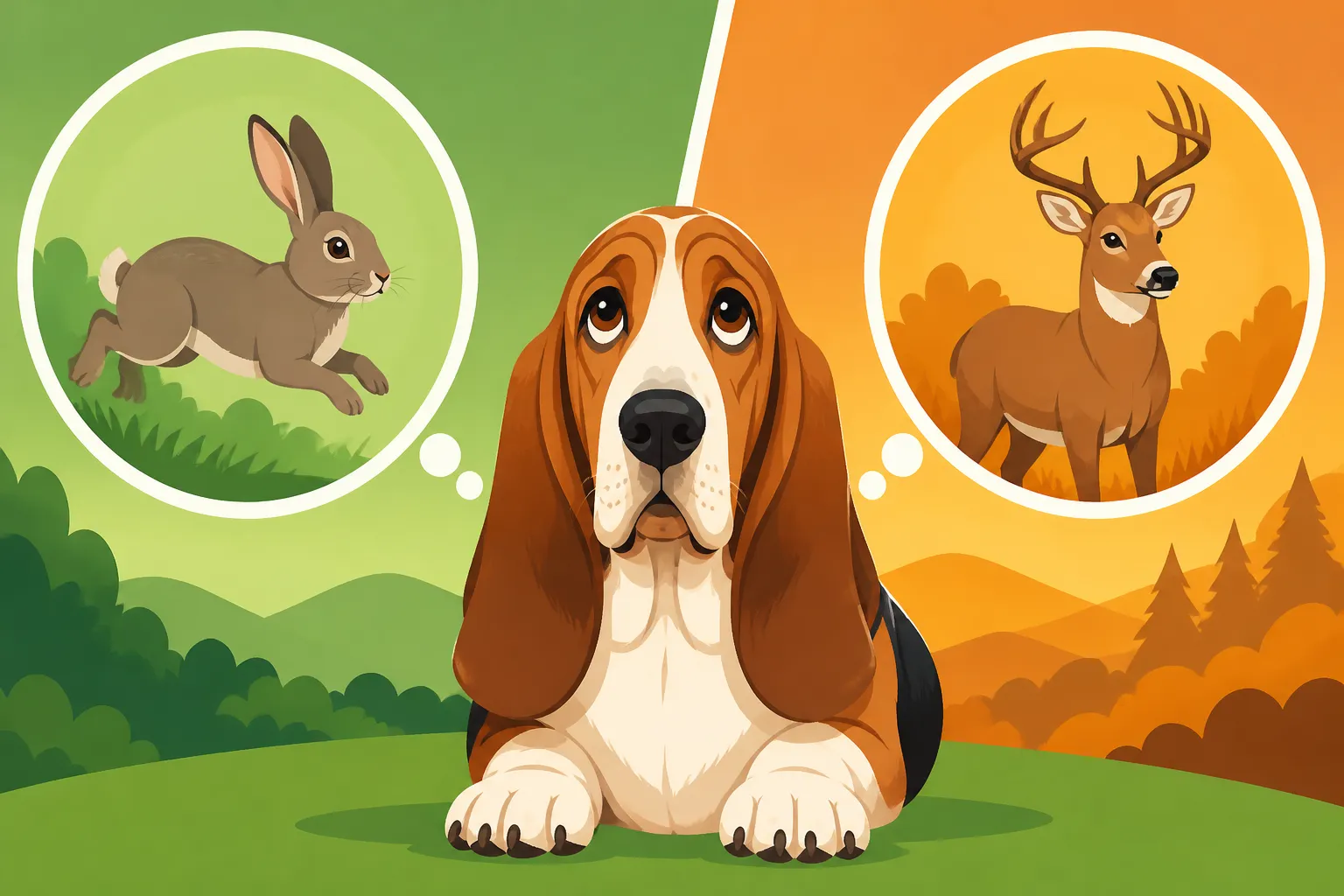
The primary quarry for which the Basset Hound was specifically developed was indeed the rabbit and hare. Think about it: rabbits are masters of concealment, darting into burrows, hiding in thickets, and leaving a convoluted scent trail. A low-slung dog like the Basset could literally put its nose into every nook and cranny, follow a trail under bushes and through brambles that a taller dog would struggle with, and persist until the rabbit was located. The Basset's short stature meant it could push through dense undergrowth where a larger dog would be hampered, making it perfectly suited for flushing out these small, quick-footed creatures. Their relentless, methodical approach ensured that once a scent was picked up, it was rarely lost. This kind of hunting required persistence, an exceptional nose, and a slow, steady gait – all hallmarks of the Basset Hound. For modern owners looking to tap into this natural drive, toys and treats available from places like Chewy that encourage scent work, like snuffle mats or puzzle toys, can be a fantastic way to engage their Basset's innate talents.
Occasionally Larger Game: Deer and Wild Boar
While rabbits and hares were their bread and butter, it's not to say that Basset Hounds were never used for larger game. In some historical contexts, particularly in France, different types of "bassets" or related scent hounds might have been employed in packs for tracking larger game like deer or even wild boar. However, it's crucial to understand that they weren't typically bred for the take-down of these animals, but rather for tracking them. A pack of Basset-type hounds, with their collective formidable noses, could reliably follow a deer's trail, often bringing the animal to bay (cornering it and holding it with their distinctive baying until the hunters arrived).
This was a more specialized use, and the specific "Basset Hound" as we know it today, particularly the taller, heavier types bred in later centuries, was optimized for small game. The very term "basset" implies a low-to-the-ground animal, making it more challenging for them to navigate vast, open terrains quickly, which is often characteristic of deer hunting. So, while a Basset's nose is certainly capable of tracking deer, their physical build and traditional purpose leaned heavily towards the more accessible and abundant rabbit and hare. This distinction is important when considering their primary historical function.
Modern Day Basset Hounds and Their Instincts
Even though most Basset Hounds today live comfortable lives as cherished family pets, their ancient hunting instincts are far from dormant. They might not be flushing rabbits out of hedgerows, but that incredible nose and persistent drive are still very much a part of who they are. Understanding this can help us be better owners, ensuring their needs are met beyond just food and cuddles.
The Enduring Hunting Drive in Pet Bassets
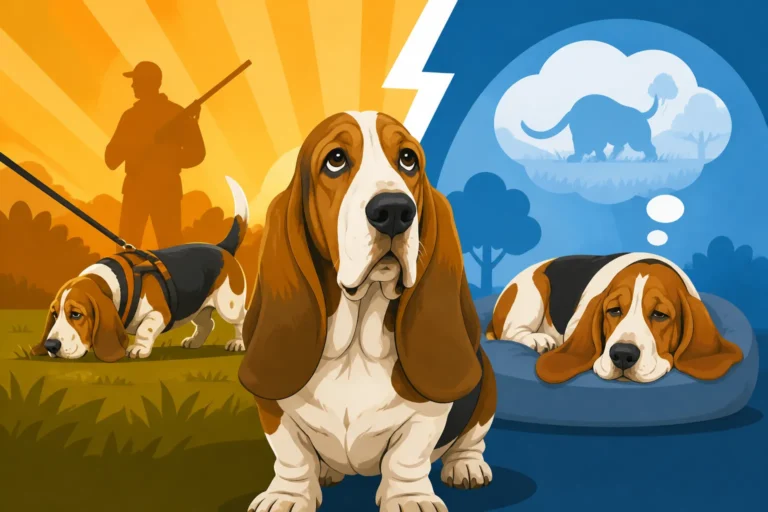
If you've ever watched a Basset Hound get a whiff of something truly interesting on a walk, you know exactly what I mean. Their ears might drop, their tail might wag with an intense focus, and suddenly, you're merely an anchor to a powerful, scent-driven force. This isn't stubbornness, as many owners might perceive it when their Basset seems to "go deaf" to commands; it's their intrinsic hunting drive kicking in. Why a Basset Hound Ignores You on a Scent isn't personal, it's primal. Their world, for that moment, is entirely consumed by the olfactory journey. This powerful instinct can make recall a lifelong challenge, which is why Whether a Basset Hound Should Ever Be Off Leash is often debated among owners – the call of the wild scent is incredibly compelling for them. This enduring drive means that even the most pampered pet Basset needs an outlet for its natural behaviors.
Channeling Instincts: Scent Work and Tracking Trials
Thankfully, modern activities allow us to engage these incredible instincts in safe, constructive ways. Scent work, nose work, and tracking trials are absolutely fantastic for Basset Hounds. Whether a Basset Hound Takes to Scent Work is an enthusiastic yes from me! These activities allow them to use their phenomenal noses to solve puzzles, find hidden articles, or follow complex trails. It's mentally stimulating, physically engaging (even if it's slow and steady), and incredibly rewarding for both dog and owner. You'll see your Basset light up when they're allowed to do what they were truly bred for.
For example, a simple game of hide-and-seek with treats in the house, or scattering kibble in the yard, can fulfill a part of this need. For more structured engagement, local dog clubs often offer introductory scent work classes. It's not about replicating a hunt, but about giving them a job that taps into their most powerful sense. Companies like Chewy offer a wide range of interactive puzzle toys and snuffle mats that are perfect for beginners in scent work, making it easy for any owner to start engaging their Basset's natural talents right at home. It allows them to feel fulfilled and satisfied, often leading to a calmer, happier hound in general. You might even find yourself competing in Whether a Basset Hound Can Do Tracking Trials!
| Activity Type | Description | Benefits for Basset Hounds |
|---|---|---|
| Scent Work/Nose Work | Dogs are trained to find hidden odors (like essential oils) in various environments, mimicking detection work. | Engages their primary sense (smell), provides mental stimulation, builds confidence, can be done indoors or outdoors. |
| Tracking Trials | Dogs follow a human's scent trail, often across different terrains, demonstrating their ability to meticulously follow a fading path. | Utilizes their natural ground-scenting ability, builds focus and endurance, a fantastic outdoor activity. |
| Interactive Puzzle Toys | Toys that dispense treats or kibble when manipulated correctly, requiring dogs to 'solve' them using their nose and paws. | Mental enrichment, slows down eating, reduces boredom, taps into their desire to 'forage' with their nose. |
| Snuffle Mats | Fabric mats with many layers and folds where treats can be hidden, encouraging dogs to 'snuffle' and search for their food. | Excellent for engaging their nose indoors, provides mental exercise, helps slow down fast eaters. |
The Evolution of the Basset Hound's Role
The Basset Hound has truly journeyed from the fields of medieval France to the living rooms of families across the globe. This evolution reflects changing societal needs and the breed's incredible adaptability and charming personality. While their fundamental instincts remain, their primary role has shifted dramatically.
From Field to Family: The Companion Basset
For centuries, the Basset Hound was first and foremost a working dog. Its existence was intrinsically linked to the hunt. However, as hunting practices evolved and more people moved into urban environments, the need for foot-hunting hounds diminished. What remained, however, was a dog with an exceptionally gentle temperament, a placid nature (indoors, at least!), and an undeniably endearing appearance. These traits made the Basset Hound a natural fit for a companion animal.
Today, the vast majority of Basset Hounds are beloved family pets, bringing joy and a certain amount of dignified chaos to their households. They are known for their loyalty, their patience with children (though supervision is always key), and their generally laid-back demeanor once their scent-driven curiosities are satisfied. They've seamlessly transitioned from tracking game to tracking crumbs on the kitchen floor, and from baying at a cornered rabbit to howling along with a siren. This transition speaks volumes about their adaptable nature, though it's important for prospective owners to remember that these aren't merely decorative dogs. They still come with a rich history and deep-seated instincts. Providing durable chews or engaging toys from brands like Chewy can keep a modern Basset content and prevent boredom, channeling their energy constructively.
Preserving the Hunting Heritage
Even as Basset Hounds embrace their roles as companions, there are dedicated individuals and groups working tirelessly to preserve their working heritage. Whether a Basset Hound Still Hunts is a question that, for a select few, receives a resounding yes! In some regions, Basset Hounds are still actively used for traditional rabbit and hare hunting, carrying on the practices that shaped the breed. Field trials and hunting tests provide a platform for these dogs to demonstrate their innate abilities, keeping the skills sharp and the instincts alive for future generations.
Beyond active hunting, many breed enthusiasts champion activities like competitive tracking, advanced scent work, and even conformation showing that rewards sound structure conducive to their original purpose. These efforts are vital for ensuring that the Basset Hound doesn't become merely a caricature of its past, but remains a healthy, capable hound that embodies the traits for which it was originally celebrated. It’s a beautiful balance – recognizing their capacity for deep companionship while honoring the incredible heritage that makes them so uniquely Basset.
Disclaimer
This article is for general informational purposes only and does not constitute professional advice. Laws, prices and regulations vary by location and change over time. Consult a qualified professional for guidance on your specific situation.