Whether a Basset Hound Is Achondroplastic
The unique, low-slung appearance of the Basset Hound often sparks a lot of curiosity and sometimes even concern among owners and admirers alike. Many wonder if their distinctive body shape, with those famously short legs and long backs, is a natural breed trait or a result of a genetic condition like achondroplasia. This comprehensive guide will delve into the fascinating genetics behind the Basset Hound's build, explain what achondroplasia and chondrodystrophy truly mean for our beloved hounds, and offer practical insights into caring for a dog with such a special structure.
Understanding Canine Skeletal Development
To truly grasp the Basset Hound's build, we first need to understand a bit about how dog skeletons develop and what can influence their growth. It's not just about bones growing long; it's a complex process involving cartilage, growth plates, and genetic signals that dictate final size and shape.
What is Achondroplasia?
Achondroplasia is a form of skeletal dysplasia, a genetic condition that affects bone growth, primarily in the long bones of the limbs. In simple terms, it means "without cartilage formation." Cartilage is the precursor to bone in many parts of the skeleton, particularly in the growth plates of long bones. When this process is disrupted, the long bones don't lengthen as they should, leading to disproportionately short limbs relative to the body size. In humans, achondroplasia is the most common cause of dwarfism, characterized by a normal-sized torso and head but very short arms and legs. It's a specific genetic mutation that impacts fibroblast growth factor receptor 3 (FGFR3), leading to abnormal cartilage development.
While dogs can exhibit traits that look similar to human achondroplasia, the underlying genetic mechanisms are often different. The term "achondroplasia" is sometimes used loosely in the canine world, which can lead to confusion. It's important to remember that not all short-legged breeds have the exact same genetic basis for their stature, and the specific genetic anomalies can have varying health implications.
Common Breeds with Chondrodystrophy
When people refer to "achondroplastic" dogs, they are often actually talking about dogs with a condition called chondrodystrophy. This is a broader term encompassing a group of disorders characterized by abnormal development of cartilage and bone, leading to short limbs. Many breeds are deliberately bred for this short-legged appearance. Think of breeds like the Dachshund, Pembroke Welsh Corgi, French Bulldog, and, of course, our Basset Hound. These breeds don't necessarily have the same specific genetic mutation as human achondroplasia, but they share the phenotypic trait of disproportionately short legs.
The genetic mutation most commonly associated with these short-legged breeds is a duplication of the FGF4 gene. This gene plays a crucial role in regulating growth plate development. While it results in the desired short-legged look, it also predisposes these breeds to certain health issues, most notably intervertebral disc disease (IVDD) due to the abnormal development of the spinal discs. Intervertebral Disc Disease in a Basset Hound is a significant concern for dogs with this kind of skeletal structure. Understanding this distinction is key to discussing the Basset Hound's unique conformation accurately.
How Chondrodystrophy Affects Dog Anatomy
Chondrodystrophy creates a distinct anatomical profile in affected dogs. Beyond the obvious short limbs, you'll often see other characteristics. The bones themselves might be shorter and thicker than in a non-chondrodystrophic breed. The joints can also be affected, leading to unique angles and sometimes contributing to conditions like Whether a Basset Hound Gets Elbow Dysplasia. For instance, a Basset Hound's front legs often have a distinctive bowed appearance, and their feet may turn slightly outward, which is part of their breed standard but is also a manifestation of this skeletal development.
The spinal column is particularly susceptible. Instead of having healthy, resilient discs between their vertebrae, chondrodystrophic dogs often have discs that are calcified or prone to degeneration at an earlier age. This makes them much more vulnerable to disc herniation, where the disc material pushes up into the spinal canal, causing pain, nerve damage, and potentially paralysis. This is a critical point for any owner of a Basset Hound or similar breed to understand, as it influences everything from exercise routines to how you lift your dog.
The Basset Hound's Unique Build: A Closer Look
The Basset Hound's physical appearance is arguably its most defining characteristic. Those long, pendulous ears, mournful eyes, and surprisingly heavy bone are all part of the charm, but it's the distinctive body shape that truly sets them apart.
The Iconic Short Legs and Long Body
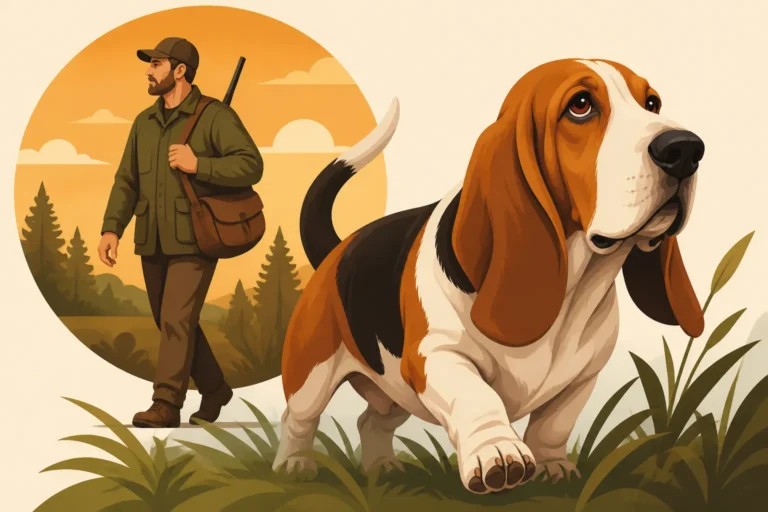
When you picture a Basset Hound, you immediately think of those short, stout legs supporting a long, substantial body. This isn't an accident; it's a carefully cultivated trait that has been part of their breed history for centuries. Their low stature allowed hunters to follow them on foot through dense underbrush, while their incredible sense of smell kept them glued to the trail. The length of their body, combined with their short legs, gives them a unique gait and silhouette. It's often described as a rectangular shape, much longer than it is tall, with a surprising amount of weight and substance packed into that low frame. Whether a Basset Hound's Legs Are Too Short to Be Sound is a question many consider, highlighting the inherent design challenge.
This specific body proportion is a direct result of the chondrodystrophic traits we discussed. The growth plates in their leg bones close prematurely or develop abnormally, preventing the bones from reaching the length seen in other breeds. This also affects the curvature and angulation of the limbs, leading to the characteristic "crooked front" that is an accepted part of the breed standard. This contributes to their unique, rolling gait, which is certainly distinctive, if not always the most agile.
Beyond the Legs: Other Distinctive Basset Traits
While the legs and body shape are primary, a Basset Hound's unique anatomy extends to many other features. Their skin, for instance, is famously loose and elastic, especially around the face and neck, creating those adorable wrinkles and a prominent dewlap. This loose skin, along with their long, heavy ears, was traditionally thought to help funnel scent upwards to their incredibly sensitive nose, enhancing their tracking ability. Their ears are incredibly long, often dragging the ground, which also serves to collect scent particles.
Their overall bone structure is heavy for their size, giving them a sturdy, solid feel. They carry a significant amount of muscle, especially in their hindquarters, which helps propel that long body forward. These features, combined with their mournful expression and deep, resonant bay, create a truly unmistakable breed. Every aspect of their physical design, from The Twelve Inch Ears a Basset Hound Was Given on Purpose to their powerful nose, points to their heritage as a scent hound.
The Purpose Behind Their Design
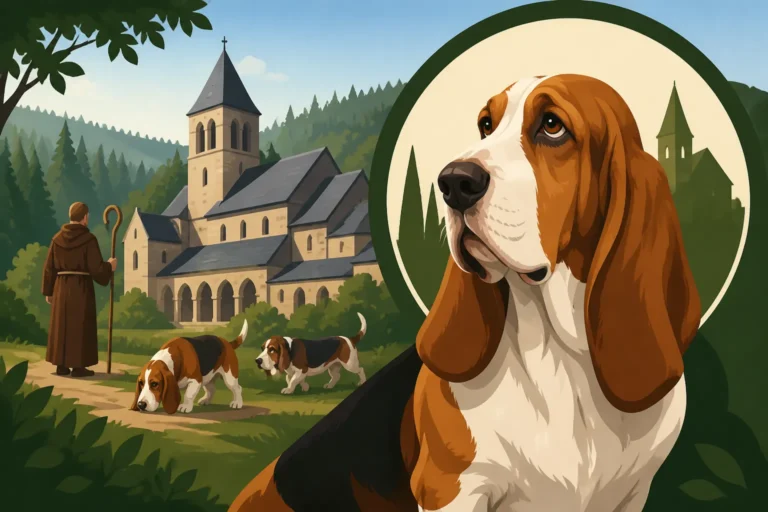
The Basset Hound's distinctive build is far from an aesthetic whim; it's a testament to centuries of selective breeding for a specific purpose. Originating in France, Basset Hounds were developed to hunt small game, primarily rabbits and hare, by scent. Unlike faster hounds that might outrun foot-slogging hunters, the Basset's short legs and deliberate pace allowed hunters to keep up with them over long distances and rough terrain. Their low center of gravity and powerful nose made them experts at following a scent trail with their nose to the ground, even through dense undergrowth.
Their long, heavy ears and loose facial skin were thought to sweep scent from the ground towards their nose, enhancing their already phenomenal olfactory capabilities. This functionality shaped the breed's conformation, emphasizing traits that made them excellent scent trailers at a manageable pace for human hunters. So, while their structure may seem unusual to some, it's a masterpiece of form following function, meticulously developed over generations.
Is the Basset Hound Truly Achondroplastic?
This is where we get to the heart of the matter and clarify the terminology often used around the Basset Hound's unique form. The simple answer is no, not in the strict sense of human achondroplasia. However, they are chondrodystrophic.
The Genetic Connection
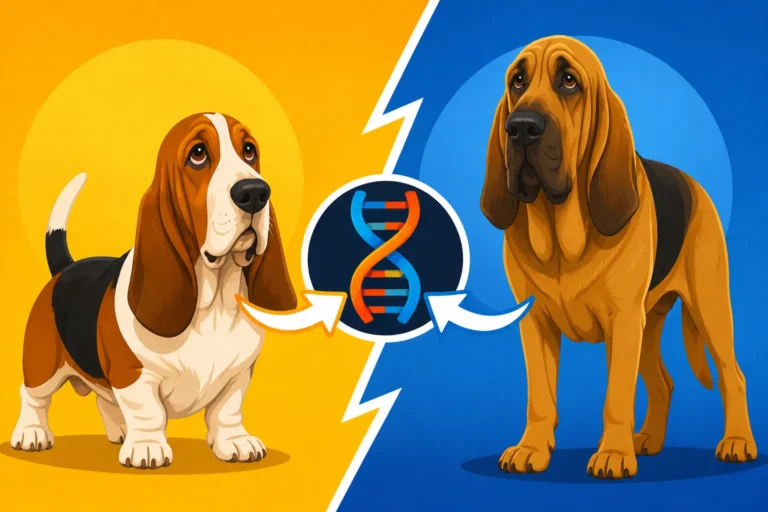
The scientific understanding of canine skeletal dwarfism has evolved. While the term "achondroplasia" has historically been applied to many short-legged dog breeds, genetic research has revealed a more specific underlying cause in most cases. For breeds like the Basset Hound, Dachshund, and Corgi, their short legs are primarily due to a specific genetic mutation: a duplication of the FGF4 retrogene on chromosome 18. This mutation leads to an early calcification of the cartilage growth plates in the long bones, prematurely halting their growth.
This FGF4 gene duplication is considered the main cause of chondrodysplasia, or disproportionate dwarfism, in these breeds. It's different from the FGFR3 mutation seen in human achondroplasia. So, while the visual result—short legs—is similar, the specific genetic mechanism is distinct. This difference is crucial because the different genetic pathways can lead to different health predispositions. It's about precision in veterinary genetics, helping us understand and manage breed-specific conditions more effectively.
Distinguishing "Achondroplastic" from "Chondrodystrophic"
This distinction is more than just semantics; it's about accurate classification and understanding the implications for health.
- Achondroplasia (in the strict sense): Refers to a specific genetic mutation (FGFR3) that impairs cartilage formation, resulting in disproportionately short limbs. While dogs can have forms of disproportionate dwarfism, the specific human achondroplasia mutation is not typically found in dog breeds bred for short legs.
- Chondrodystrophy (CDDY) / Chondrodysplasia (CDPA): These are broader terms describing a group of skeletal abnormalities resulting from defective cartilage and bone growth. In many popular short-legged breeds, including the Basset Hound, this is specifically linked to the FGF4 retrogene duplication. This duplication is associated not only with short legs but also, critically, with an increased risk of intervertebral disc disease (IVDD) due to early disc calcification. There is also a distinct mutation (CDPA) that causes short limbs in breeds like the Norwegian Elkhound and the Karelian Bear Dog, but it doesn't carry the same high IVDD risk.
So, when we talk about Basset Hounds, it's most accurate to say they are chondrodystrophic. This acknowledges their genetic predisposition for short limbs and the associated health risks, particularly spinal issues, rather than inaccurately equating their condition with human achondroplasia.
| Feature | Achondroplasia (Human Definition) | Chondrodystrophy (Canine Short Legs) |
|---|---|---|
| Primary Cause | FGFR3 gene mutation | FGF4 retrogene duplication (most common) |
| Affected Bones | Primarily long bones of limbs | Long bones of limbs, often spinal discs |
| Appearance | Disproportionate dwarfism (short limbs, normal torso) | Disproportionate dwarfism (short limbs, often long body) |
| Associated Risks | Various health issues depending on specific mutation | Intervertebral Disc Disease (IVDD) is a major concern |
| Basset Hounds? | No (not the strict human type) | Yes, they are chondrodystrophic |
Health Implications of Their Structure
While the Basset Hound's chondrodystrophic structure gives them their iconic look, it does come with a suite of potential health considerations. The most significant is the increased risk of IVDD, as mentioned previously. Their abnormally developed spinal discs are prone to rupture or herniation, which can cause extreme pain, mobility issues, and even paralysis. This isn't just a minor risk; it's a pervasive concern for the breed. Owners must be vigilant and take preventative measures.
Beyond the spine, their unique limb conformation can also put stress on joints. While they are not specifically known for severe hip or elbow dysplasia as commonly as some larger breeds, their bowed front legs and heavy build can lead to issues over time. The Crooked Front a Basset Hound Is Built On can contribute to abnormal joint loading. Weight management becomes doubly important for these dogs, as extra pounds exacerbate strain on both the spine and limb joints. What Extra Weight Does to a Basset Hound is a topic every Basset owner should be keenly aware of.
Living with a Chondrodystrophic Basset Hound
Understanding the Basset Hound's unique anatomy and genetic predispositions isn't meant to cause alarm, but to empower you as an owner. With the right care, many chondrodystrophic Basset Hounds live long, fulfilling lives. It's all about proactive management and making smart choices for their well-being.
Managing Joint Health and Mobility
Just like with any dog, maintaining healthy joints is vital for a Basset Hound, perhaps even more so given their build. Regular, moderate exercise is key to keeping their muscles strong and supporting their joints without overstraining them. Avoid high-impact activities like jumping from significant heights or running long distances on hard surfaces, especially when they are young and still developing. Think of consistent, sniff-filled walks rather than intense jogs.
Nutrition also plays a huge role. Feeding a high-quality diet appropriate for their age and activity level is crucial to maintaining a healthy weight. Additionally, many Basset Hound owners choose to supplement their dog's diet with joint support. Ingredients like glucosamine, chondroitin, and Omega-3 fatty acids are common. You can often find a good selection of these supplements from reputable pet supply retailers like Chewy, which makes it easier to keep your hound's joints feeling good. Always consult with your vet before starting any new supplements to ensure they're appropriate for your individual dog. Keeping a Basset Hound at Its Correct Weight is one of the best preventative measures an owner can take.
Protecting Their Spine
Given the Basset Hound's predisposition to IVDD, protecting their spine is paramount. The primary goal is to minimize movements that put excessive strain on their long back. This means discouraging jumping on and off furniture, as the impact can be detrimental. Think about providing dog ramps or steps for access to sofas or beds. Whether a Basset Hound Should Use a Ramp is often a question of when, not if. If you need to lift your Basset Hound, always do so by supporting both their chest and their hindquarters simultaneously, keeping their spine straight. Never lift them by picking them up only under their front legs or by their middle, as this can put immense strain on their back.
Regular chiropractic or physical therapy check-ups, especially as they age, can be beneficial for some Basset Hounds. These professionals can help identify and address any subtle issues before they become major problems. Paying attention to any changes in gait, reluctance to move, or signs of pain (such as yelping when touched or moving slowly) is crucial for early intervention.
Everyday Care and Accommodations
Making small adjustments in your home can significantly improve your Basset Hound's comfort and reduce risks. Elevated food and water bowls can make mealtime more comfortable, preventing them from having to bend down excessively and reducing strain on their neck and back. You can find sturdy, elevated bowl sets, sometimes adjustable, at pet stores or online retailers such as Chewy. These can also help keep their long ears out of their food and water, which is a bonus for hygiene! Whether a Basset Hound Needs a Snood at Dinner is a common consideration for ear hygiene.
Provide orthopedic bedding that offers excellent support and cushioning for their joints and spine. A firm yet comfortable bed can help alleviate pressure points and ensure they get restorative rest. Look for beds with memory foam or dense orthopedic fill. For outdoor activities, a well-fitting harness is always preferable to a collar for leash walking, as it distributes pressure across their chest rather than putting strain on their neck and throat, which can indirectly affect their spine.
Breeding Considerations and Ethical Ownership
The conversation about achondroplasia and chondrodystrophy also extends to responsible breeding practices. As owners and prospective owners, it's important to understand how these traits are perpetuated and what ethical breeders do to minimize health risks.
Health Screening for Responsible Breeders
For a responsible Basset Hound breeder, understanding the genetic predispositions of the breed is paramount. While the FGF4 gene duplication is inherent to the breed's conformation, breeders can still strive to produce the healthiest puppies possible. This includes comprehensive health screenings of parent dogs. For instance, screening for orthopedic conditions like elbow dysplasia, even if not the primary concern, is still valuable. More importantly, breeders should prioritize overall soundness and temperament.
Some breeders might also participate in programs that assess spinal health, although direct genetic tests for IVDD susceptibility exist and are becoming more common. The Health Tests a Basset Hound Breeder Should Run should include a wide range of considerations to ensure the well-being of their line. They should be transparent about the health history of their breeding stock and educate prospective puppy buyers about the unique care requirements and potential health challenges associated with the Basset Hound's chondrodystrophic build.
The Importance of Weight Management
This cannot be overstated: managing a Basset Hound's weight is perhaps the single most impactful thing an owner can do to safeguard their long-term health, especially concerning their spine and joints. Even a few extra pounds can significantly increase the load on their already vulnerable discs and limb joints, accelerating degeneration and increasing the risk of painful conditions. Imagine carrying a backpack filled with bricks all day—that's what excess weight feels like for a Basset Hound.
A healthy weight allows for better mobility, less pain, and a higher quality of life. Work closely with your veterinarian to determine the ideal weight for your individual Basset Hound and stick to a feeding plan that helps them maintain it. This might involve carefully measuring food portions, limiting treats, and ensuring consistent, moderate exercise. Many specialized weight-management dog foods are available, often found at pet supply stores like Chewy, which can help in this endeavor by offering lower-calorie options while still providing essential nutrients.
Future of the Basset Hound's Conformation
There's an ongoing discussion within the veterinary community and among breed enthusiasts about the health implications of extreme conformations in various breeds, including the Basset Hound. While the short legs and long back are integral to the breed's identity and historical purpose, there is a balance to be struck between maintaining breed type and ensuring optimal health and welfare. Some argue that an overly exaggerated length of back or extreme shortness of leg can exacerbate health problems.
Responsible breeding aims to maintain the classic Basset Hound look while selecting for individuals with good structure and fewer health issues. This might involve striving for a balanced conformation within the breed standard that doesn't push the limits of what is anatomically sound. The goal is not to "breed out" the Basset Hound's distinctive traits, but to ensure that these traits are expressed in a way that minimizes suffering and maximizes a healthy lifespan. Whether a Basset Hound Can Be Bred Straighter is a complex question that touches upon the very essence of breed standards and welfare.
Disclaimer
This article is for general informational purposes only and does not constitute professional advice. Laws, prices and regulations vary by location and change over time. Consult a qualified professional for guidance on your specific situation.