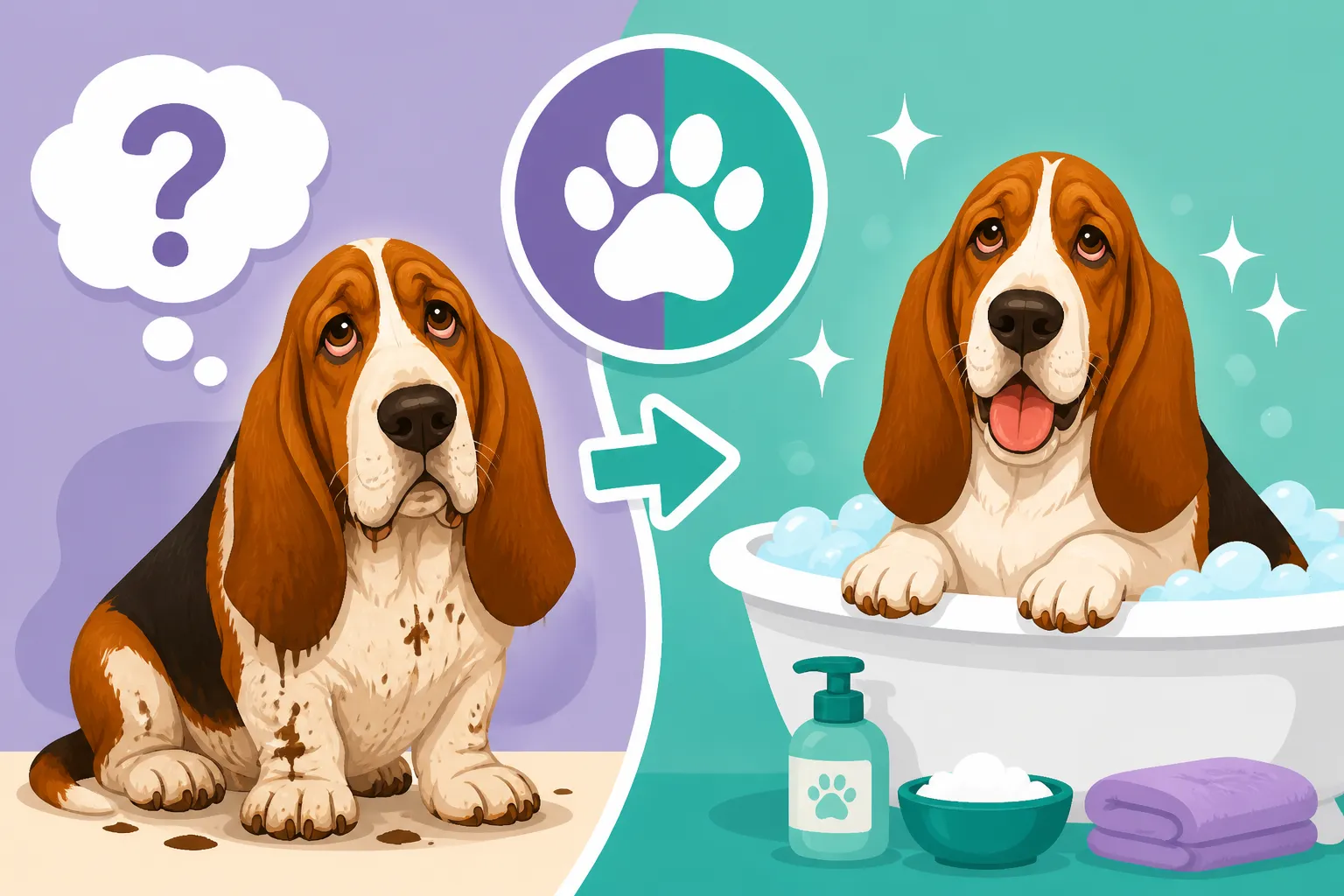
Whether a Medicated Bath Helps a Basset Hound
If you're a Basset Hound parent, you know that their adorable, wrinkly faces and long, luxurious ears come with a special set of care considerations. It's frustrating when you notice your beloved hound scratching more than usual, developing an odd odor, or showing red, irritated patches, leaving you to wonder if your usual shampoo is truly cutting it. This comprehensive guide will walk you through whether a medicated bath helps a Basset Hound, delving into the specific skin challenges they face and how targeted bathing can bring much-needed relief and healing.
Understanding Your Basset Hound's Unique Skin Challenges
Basset Hounds are, without a doubt, one of the most charming breeds, instantly recognizable by their distinct appearance. However, the very features that make them so endearing – their copious loose skin, prominent folds, and long, pendulous ears – also make them particularly prone to certain dermatological issues. It's not just a superficial concern; these skin problems can cause real discomfort and impact their overall quality of life if not addressed properly.
The Anatomy of a Basset Hound's Skin
Imagine trying to keep clean in a suit that's several sizes too big, constantly bunched and folded. That's a bit like what a Basset Hound's skin experiences every day. Their skin is naturally looser and more abundant than many other breeds, forming deep folds around their neck, face, and even on their legs. While these folds are characteristic of the breed and help funnel scent towards their powerful noses, they also create warm, moist, and dark environments. These hidden pockets are the perfect breeding ground for bacteria and yeast, which thrive in such conditions.
Beyond the folds, Basset Hounds also possess a short, dense coat, which, while seemingly low-maintenance, can still trap debris and contribute to skin irritation if not properly cared for. Their overall body structure, low to the ground, means they're constantly brushing against plants, dirt, and allergens, all of which can trigger skin reactions. It’s a delicate balance trying to keep their skin healthy and happy, and often, it requires more than just a quick rinse.
Common Skin Conditions in Basset Hounds
Given their unique skin structure, Basset Hounds are unfortunately predisposed to several common skin conditions. One of the most prevalent and frustrating is skin fold dermatitis, also known as intertrigo. This occurs when moisture, trapped within those deep facial or body folds, leads to inflammation and infection. You might notice redness, a foul odor, and even discharge coming from the affected areas. It's uncomfortable for your Basset and can be quite persistent. You can learn more about this in Skin Fold Infections on a Basset Hound.
Another frequent culprit is yeast infections, often caused by Malassezia pachydermatis, a yeast that naturally lives on dog skin but can overgrow in moist environments. When your Basset Hound gets yeast between its folds, or even on its paws or ears, you'll often notice a greasy feel, a distinct sweet or sour smell, and intense itching. Bacterial infections, usually secondary to yeast or allergies, also commonly flare up, presenting as red pustules, crusting, or hair loss. Many Basset Hounds also battle with allergies – environmental or food-related – which manifest as intense itchiness, leading to self-trauma and further skin breakdown. It's a cyclical problem that can be really tough to break without the right approach. Whether a Basset Hound Gets Allergies explores this further.
When a Medicated Bath Becomes Necessary
It’s easy to feel overwhelmed when your Basset Hound is constantly scratching, rubbing, or exhibiting a strong, unpleasant odor. You might try regular baths, hoping to wash away the problem, only to find the relief is temporary or non-existent. This is precisely when a medicated bath, under veterinary guidance, steps in as a vital tool in managing their skin health.
Recognizing the Signs Your Basset Needs More Than a Regular Bath
How do you know when it's time to elevate your bathing routine? The signs are often quite clear, though they can sometimes creep up on you. Persistent itching is perhaps the most obvious indicator. If your Basset is scratching, licking, or chewing at their skin, paws, or groin much more than usual, and this isn't resolved by a routine bath, it's a red flag. You might also notice redness or inflammation on their skin, particularly in areas like their armpits, groin, or between their toes.
A distinct, often unpleasant, odor is another strong sign. This isn't just "dog smell"; it's a specific, yeasty or musty scent that emanates from their skin, especially from their folds or ears. Don't be surprised if you notice a change in the texture of their skin or coat – perhaps it feels greasy, oily, or even scaly. Hair loss, patches of flaky skin, pustules, or crusts are all clear indicators that something more than routine cleansing is required. These symptoms signal that the normal skin flora is out of balance, and a deeper, more targeted intervention is needed. Whether a Basset Hound Smells Because of Its Skin discusses this in detail.
The Importance of Veterinary Guidance
I cannot stress this enough: always consult your veterinarian before starting any medicated bath regimen for your Basset Hound. While medicated shampoos are available over-the-counter, self-diagnosing your Basset's skin condition can be counterproductive, potentially delaying effective treatment or even worsening the issue. Your vet can accurately diagnose the underlying problem, whether it's a bacterial infection, a yeast overgrowth, allergies, or a combination. They can also rule out more serious conditions like mites, hormonal imbalances (such as those discussed in Signs a Basset Hound's Thyroid Has Failed), or even autoimmune diseases.
Based on their diagnosis, your vet will prescribe or recommend the most appropriate medicated shampoo and provide specific instructions for its use. This might include the frequency of bathing, the duration the shampoo needs to stay on your Basset's skin (contact time), and any other complementary treatments, such as oral medications or topical creams. Following their advice ensures you're targeting the problem effectively and safely, giving your Basset the best chance at relief and recovery.
Types of Medicated Shampoos and Their Uses
Once your vet has identified the specific issue your Basset Hound is facing, they’ll recommend a medicated shampoo tailored to combat it. It's not a one-size-fits-all solution, and understanding the different types can help you feel more informed about your Basset's treatment plan.
Antifungal Shampoos
These shampoos are a godsend when your Basset is battling an overgrowth of yeast, which, as we discussed, is a common problem given their skin folds and propensity for moist environments. Yeast infections, particularly Malassezia, often cause intense itching, redness, and that distinct, sometimes sweet, sometimes sour, funky smell. Antifungal shampoos typically contain active ingredients such as miconazole or ketoconazole. These ingredients work by disrupting the cell membranes of the yeast, effectively killing them off and restoring balance to your Basset's skin.
When using an antifungal shampoo, the "contact time" is crucial. This means leaving the lather on your Basset's skin for a specific period, usually 5 to 10 minutes, before rinsing. This allows the active ingredients enough time to penetrate the skin and do their job. You might find several effective antifungal shampoos on platforms like Chewy or Amazon, but always ensure they are vet-approved and specifically formulated for dogs. Consistent use, as prescribed by your vet, is key to clearing up persistent yeast issues and bringing comfort back to your hound.
Antibacterial Shampoos
Bacterial skin infections, often secondary to allergies or yeast overgrowth, are another frequent concern for Basset Hounds. These can manifest as pustules, crusts, hot spots, or a general reddening and irritation of the skin. Antibacterial shampoos are formulated to directly target and eliminate the harmful bacteria responsible for these infections. Common active ingredients include chlorhexidine, which is a powerful antiseptic, and ethyl lactate. Some shampoos might combine these with other agents to provide a broader spectrum of action.
Similar to antifungal shampoos, adequate contact time is essential for antibacterial shampoos to be effective. Your vet will advise on how long the shampoo should remain on your Basset's skin before rinsing thoroughly. These shampoos help cleanse the skin, reduce bacterial load, and promote healing of inflamed or infected areas. In some cases, your vet might recommend a combination approach, using both an antibacterial and an antifungal shampoo if your Basset has a mixed infection. It's all about tailoring the treatment to your individual dog's needs.
Anti-itch and Soothing Shampoos
Sometimes, the primary problem for a Basset Hound is simply overwhelming itchiness, often due to allergies or generalized skin irritation. While antifungal and antibacterial shampoos tackle specific infections, anti-itch and soothing shampoos are designed to provide immediate relief from the discomfort of incessant scratching. These shampoos often contain ingredients like colloidal oatmeal, aloe vera, hydrocortisone, pramoxine, or essential fatty acids. They work by moisturizing the skin, reducing inflammation, and creating a protective barrier, thereby calming the itch cycle.
These soothing baths can be an excellent adjunct to more targeted medicated treatments, helping to break the cycle of scratching and self-trauma while other medications work to address the root cause. They are also often used for maintenance once an infection is under control, to help keep sensitive Basset skin calm and comfortable. Again, even for seemingly mild "soothing" shampoos, discussing with your vet is always the best course of action, as some ingredients might interact with other treatments or not be suitable for specific skin types.
The Medicated Bath Protocol: A Step-by-Step Guide
Giving a Basset Hound a bath can be an adventure in itself, let alone a medicated one that requires careful attention to detail and contact time. But with their skin issues, it’s a necessary part of their care. Getting it right can make all the difference in their comfort.
Pre-Bath Preparations
Before you even think about turning on the water, take a few moments to prepare your Basset and your bathing area. First, brush your Basset thoroughly to remove any loose hair, dirt, and debris. This helps the shampoo reach the skin more effectively. For Basset Hounds, who often have a surprising amount of shedding for a short-coated breed, this step is vital. Gather all your supplies: the medicated shampoo, towels (at least two big ones!), cotton balls for their ears, a washcloth for their face, and maybe a few of their favorite high-value treats to make the experience more positive.
Ensure your bathing area is warm and free of drafts, especially if your Basset is already feeling under the weather with skin issues. Have everything within arm's reach so you don't have to leave your Basset unattended. Placing a non-slip mat in the tub or shower can help your Basset feel more secure and prevent slips, which is particularly important for a breed prone to back issues. If you have any concerns about lifting your Basset, consider a ramp for easier access into the tub, or a walk-in shower area.
The Bathing Process Itself
Now for the main event! Start by thoroughly wetting your Basset's coat with lukewarm water. Make sure the water penetrates all the way down to the skin, especially in their dense undercoat. Next, apply the medicated shampoo, working it into a rich lather. Pay special attention to all those glorious Basset folds – around their face, neck, and under their chin – as these are prime spots for infections. Gently rub the shampoo into their skin, ensuring good coverage. Be extremely careful around their eyes and inside their ears; you can use a damp washcloth for their face and place cotton balls loosely in their ears to prevent water from entering the ear canal. How to Clean a Basset Hound's Ears Properly provides great tips on ear care.
Once you’ve applied the shampoo, this is where contact time comes in. Resist the urge to rinse immediately. Set a timer for the duration your vet recommended, usually 5-10 minutes. During this time, you can gently massage the shampoo into their coat, talk to your Basset in a soothing voice, or offer small, continuous treats to keep them distracted and happy. This ensures the active ingredients have ample opportunity to work their magic on their skin. After the timer is up, rinse your Basset extremely thoroughly. Any residue left on the skin can actually cause further irritation or attract more dirt, defeating the purpose of the medicated bath. Rinse, rinse, and then rinse again until the water runs clear and you can't feel any shampoo residue on their coat or skin.
Post-Bath Care and Maintenance
After a medicated bath, the care continues. Gently squeeze excess water from their coat and then towel dry your Basset as much as possible. For their delicate skin folds, use a separate, clean, dry washcloth to carefully pat them dry. Ensuring these areas are completely dry is critical to prevent moisture from becoming a breeding ground for new infections. You can also use a low-heat hairdryer, keeping it moving constantly to avoid burning their skin, especially on their belly and inside their legs. If your Basset gets yeast between its folds, keeping them dry is half the battle.
Depending on your vet's instructions, you might need to apply topical treatments, such as ointments or sprays, after drying. Continue to monitor your Basset's skin closely for any signs of improvement or worsening. Consistency is key with medicated baths, and your vet will outline the frequency of bathing. It might be every few days initially, then tapering off to once a week or bi-weekly as the condition improves. Remember that medicated baths are often part of a larger treatment plan, which could include dietary changes (like those offered by Ollie for sensitive stomachs) or oral medications. Never hesitate to reach out to your vet if you have questions or concerns about your Basset's progress. With patience and proper care, those irritated skin issues can become a thing of the past.
Common Questions About Medicated Baths for Basset Hounds
It's natural to have a lot of questions when dealing with your Basset Hound's skin issues and embarking on medicated baths. Here are some of the most common concerns I hear from other Basset owners, and my thoughts on them.
How Often Should a Basset Hound Get a Medicated Bath?
The frequency of medicated baths is entirely dependent on the specific skin condition your Basset Hound is facing and your veterinarian's recommendations. There's no single answer that fits all situations. For acute infections or severe flare-ups, your vet might suggest bathing every other day or every few days initially to quickly reduce the bacterial or yeast load. As the condition improves, the frequency will likely decrease to once or twice a week.
In cases of chronic conditions, such as recurring allergies or seborrhea, medicated baths might become a regular part of your Basset's long-term maintenance routine, perhaps once every week or two, or as needed when symptoms start to reappear. It's truly a partnership with your vet, adjusting the schedule based on your Basset's response. Over-bathing, even with medicated shampoo, can sometimes dry out the skin, so sticking to the prescribed schedule is important. Always consult your vet for the most appropriate bathing regimen for your specific Basset. How Often a Basset Hound Should Be Bathed can give you more general bathing insights.
What if My Basset Hound Hates Baths?
Ah, the classic Basset Hound bath struggle! Many Bassets aren't exactly thrilled about getting wet, and the process can be stressful for both of you. If your Basset struggles at the groomer, or even at home, it's important to make the medicated bath experience as positive and low-stress as possible. Start with positive reinforcement before the bath even begins. Use treats, praise, and a calm demeanor. Lure them into the tub with treats.
During the bath, use a non-slip mat to help them feel secure, speak in a soothing voice, and offer continuous high-value treats. You might even consider having another family member help, one to hold and comfort, the other to do the bathing. For Bassets with extreme aversion, a lick mat smeared with peanut butter stuck to the side of the tub can be a fantastic distraction, keeping them occupied while you work. If anxiety is severe, discuss it with your vet. They might suggest calming aids or techniques to help reduce stress. Remember, it’s about making it a tolerable, if not enjoyable, experience so you can consistently provide the care they need.
Can I Use Human Medicated Shampoos on My Basset Hound?
This is a firm "no." Please do not use human medicated shampoos on your Basset Hound, or any dog for that matter. Canine skin has a different pH balance than human skin, and human shampoos, including medicated ones, are formulated to suit human skin. Using them on your Basset can disrupt their skin's natural protective barrier, leading to dryness, irritation, and potentially making their existing skin issues worse. It can strip their natural oils and cause further discomfort.
Furthermore, many ingredients in human shampoos, even seemingly innocuous ones, can be toxic if ingested by dogs, and it's almost impossible for a Basset Hound not to lick some of the shampoo during a bath. Stick to shampoos specifically formulated and tested for dogs, and ideally, those recommended or prescribed by your veterinarian. You can find a range of dog-specific medicated shampoos on platforms like Chewy and Amazon, but always ensure they are suitable for your Basset's specific condition.
How Long Does It Take for Medicated Baths to Show Results?
Patience is definitely a virtue when it comes to treating chronic skin conditions in Basset Hounds. You might start to see some minor improvements, like reduced itching or a less intense odor, within a few days to a week of starting medicated baths, especially if the infection is mild. However, for more established or severe infections, it can take several weeks, sometimes even a month or more, to see significant resolution of symptoms.
It's a gradual process of reducing the pathogen load, allowing the skin to heal, and breaking the itch-scratch cycle. Don't get discouraged if you don't see overnight miracles. Consistency with the bathing schedule, proper contact time, and adhering to any other treatments prescribed by your vet are all crucial for success. If you're not seeing any improvement, or if the condition appears to be worsening after a couple of weeks, it's essential to follow up with your vet. They may need to re-evaluate the diagnosis, adjust the treatment plan, or consider other underlying factors contributing to the skin issues.
Beyond the Bath: Holistic Skin Health for Your Basset Hound
While medicated baths are incredibly helpful for managing active skin infections and irritations, they are often just one piece of a larger puzzle when it comes to maintaining your Basset Hound's long-term skin health. A holistic approach that addresses their unique predispositions can prevent future flare-ups and keep them comfortable.
Regular Cleaning of Skin Folds
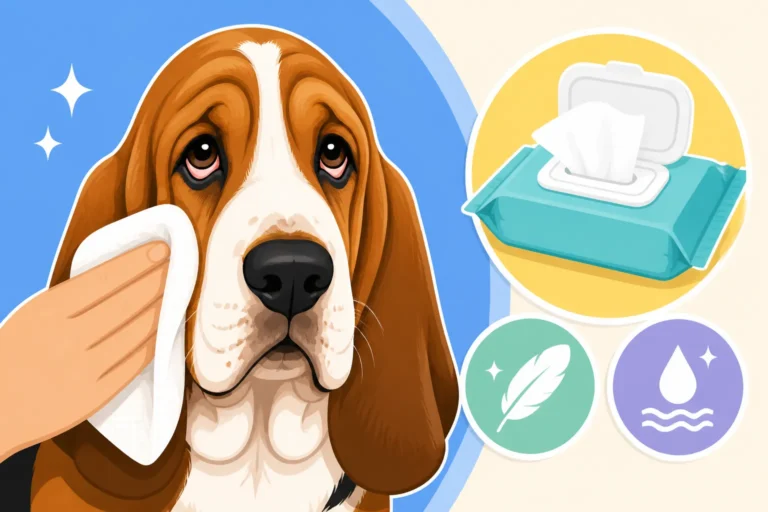
Those adorable wrinkles, while characteristic, are also the Basset's Achilles' heel when it comes to skin health. Regular, gentle cleaning of all skin folds is paramount, even when your Basset isn't experiencing an active infection. Dirt, moisture, food debris, and natural oils can accumulate in these areas, creating a perfect environment for bacterial and yeast overgrowth. You can use dog-specific medicated wipes or a damp cloth with a mild antiseptic solution (again, vet-approved!) to wipe the folds clean daily or every other day.
After cleaning, always ensure the folds are completely dry. You can use a soft, clean cloth or even a cotton swab for smaller crevices. Paying diligent attention to areas like their facial wrinkles, neck folds, and even the folds around their lips can significantly reduce the incidence of skin fold dermatitis. This proactive approach can save you and your Basset a lot of discomfort and vet visits down the line. Whether a Basset Hound Needs Its Chin Washed offers more tips for this often-overlooked area.
Diet and Supplements for Skin Support
What goes into your Basset Hound's body can significantly impact the health of their skin and coat. A high-quality, balanced diet rich in essential fatty acids, such as Omega-3s and Omega-6s, can do wonders for skin barrier function and reduce inflammation. Some Bassets with chronic skin issues, particularly allergies, may benefit from a limited ingredient diet or a hydrolyzed protein diet to identify and eliminate potential food allergens. Brands like Ollie often offer fresh food options that might be beneficial for dogs with sensitivities, but always discuss dietary changes with your vet first.
Your vet might also recommend specific supplements, such as fish oil (rich in EPA and DHA) or other skin-supporting nutrients, to help improve the integrity of their skin barrier and reduce inflammatory responses. These supplements work from the inside out, providing the building blocks for healthy skin and a shiny coat. They can complement the topical treatment of medicated baths, creating a more robust defense against skin problems.
Environmental Management and Allergy Control
For Basset Hounds prone to environmental allergies, managing their exposure to allergens can be just as important as their bathing routine. This might involve more frequent vacuuming, using air purifiers, washing their bedding regularly, and wiping down their paws and belly after outdoor excursions to remove pollen and other irritants. If your Basset is allergic to dust mites, investing in mite-resistant bedding for their dog bed might be helpful.
Your vet can help you identify specific environmental allergens through allergy testing and then develop a comprehensive management plan. This might include oral antihistamines, anti-itch medications, or even allergy shots. Combining these internal strategies with regular medicated baths and diligent fold cleaning creates a powerful defense against the frustrating cycle of allergic reactions and secondary skin infections that many Bassets face. It's about creating an environment where your Basset can thrive, inside and out.
Final Thoughts on Medicated Baths for Basset Hounds
Living with a Basset Hound is an absolute joy, but it also means being prepared for their unique needs, especially when it comes to their skin. The journey to a healthy, comfortable Basset often involves more than just routine care; it requires diligence, observation, and a willingness to work closely with your veterinarian. Medicated baths, far from being a simple chore, are a powerful therapeutic tool that can bring immense relief to a Basset Hound suffering from skin issues.
Remember, the goal isn't just to make them smell nice, but to heal their skin, reduce inflammation, and eliminate the underlying causes of their discomfort. By understanding why your Basset is prone to certain conditions, recognizing the signs that a medicated bath is needed, and following your vet's expert guidance on the right shampoo and protocol, you're setting your beloved hound up for success.
It takes patience, consistency, and sometimes a bit of creative coaxing to get a Basset Hound through a bath, but seeing them scratch less, smell better, and live more comfortably makes every effort worthwhile. Embrace the process, know that you're doing the very best for your floppy-eared friend, and enjoy the happy, healthy years ahead with your Basset Hound.
Disclaimer
This article is for general informational purposes only and does not constitute professional advice. Laws, prices and regulations vary by location and change over time. Consult a qualified professional for guidance on your specific situation.