The Short Basset Hound Coat That Still Sheds Everywhere
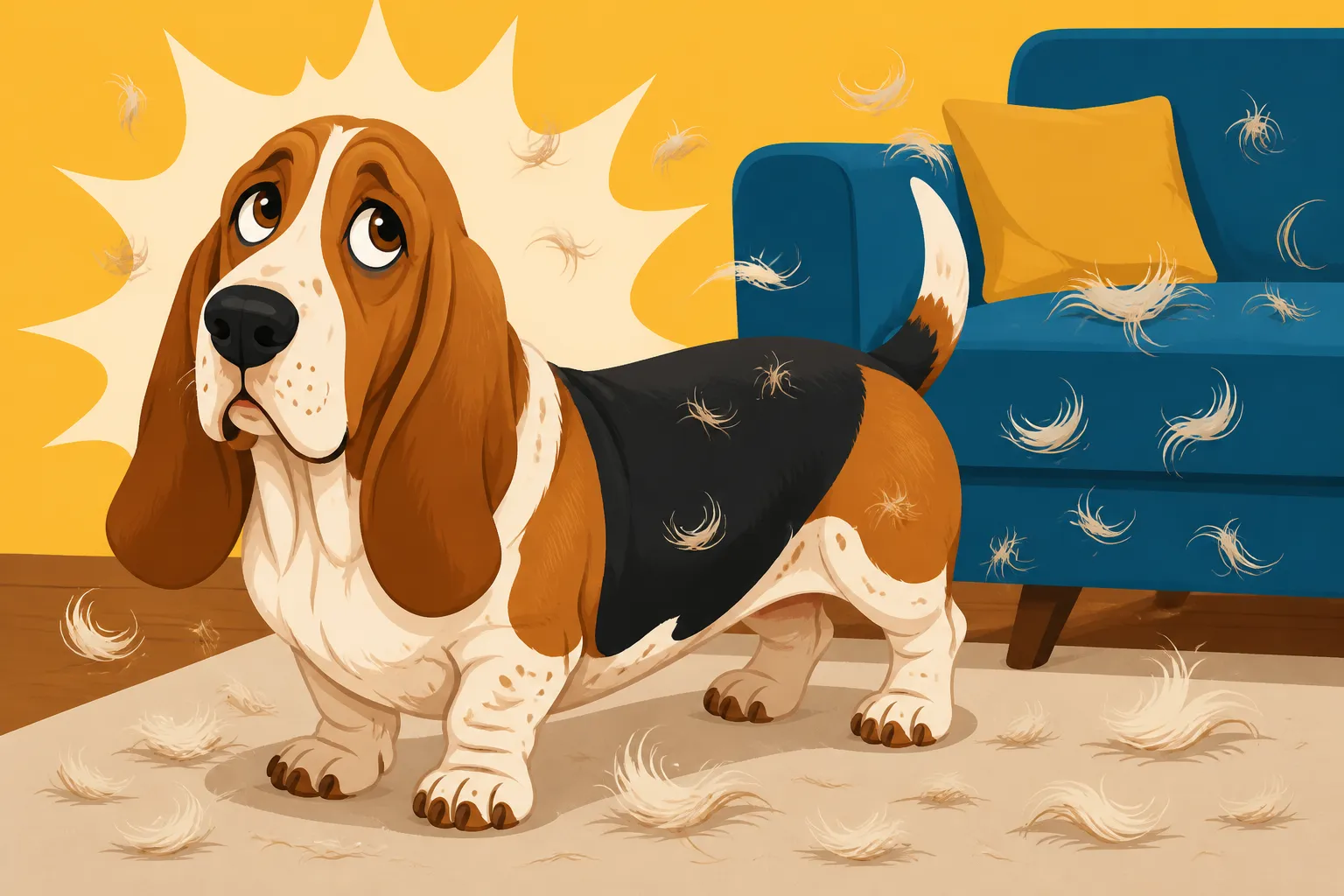
Oh, the Basset Hound coat. It looks so short, so smooth, so deceptively easy, doesn't it? You might even think, "Great, not much grooming to worry about there!" But then you live with one for a day, a week, a year, and you quickly realize that this seemingly low-maintenance coat is a shedding machine, leaving its tell-tale hairs on everything you own. This guide is here to commiserate with you, validate your frustrations, and offer some real-world strategies for managing the constant ebb and flow of Basset Hound fur that truly does get everywhere.
Understanding the Basset Hound's Coat
When you first look at a Basset Hound, especially a puppy, their coat appears deceptively simple. It's short, often described as smooth, and lies close to the body. This appearance can lead many to believe that grooming will be a breeze, or that shedding will be minimal compared to breeds with longer, fluffier coats. If only that were true! The reality is far more nuanced, and understanding the specific characteristics of their fur is the first step in managing what can feel like an endless snowfall of dog hair.
What's in That Short, Dense Fur?
While the Basset Hound's coat is undeniably short, it's also incredibly dense and coarse. This isn't fine, wispy hair; it's robust and often wiry to the touch, especially along the back. Imagine a tightly packed carpet, but made of individual bristles. This density means there are simply a lot of hairs covering their substantial bodies. Each one of these hairs, no matter how short, has a life cycle, and when that cycle ends, it detaches. Because the hairs are short and relatively stiff, they tend to embed themselves into fabrics like carpet, upholstery, and clothing, making them notoriously difficult to remove completely. You might brush and brush, thinking you've got it all, only to find a fresh layer on your black trousers five minutes later.
The "Seasonal" Shed That Isn't Really Seasonal
Most dogs have distinct seasonal shedding patterns, often "blowing their coat" heavily in spring and fall to prepare for temperature changes. While Basset Hounds do experience heavier shedding during these traditional periods, their unique coat structure means they are pretty much always shedding. It's a low-grade, constant affair that spikes into a "heavy" shed. This can be incredibly frustrating for owners who expect a clear distinction between shedding and non-shedding times. The truth is, your Basset Hound is likely dropping hair every single day, just in varying quantities. Factors like indoor heating and air conditioning can further blur these lines, creating an environment where their bodies don't get strong seasonal cues, leading to a year-round "light" shed that can feel like a perpetual moderate one. You learn to live with it, but you never quite get used to it.
Common Misconceptions About Short Coats
The biggest misconception is that short coats equate to low shedding. This is simply not the case, and Basset Hounds are prime examples. Many people confuse "short-haired" with "hypoallergenic" or "non-shedding," but these are entirely different categories. Hypoallergenic breeds tend to have hair that grows continuously, like human hair, and sheds very little, or they produce less dander. Basset Hounds do not fall into this category. Their short, dense coats are constantly renewing, and that old hair has to go somewhere. Another misconception is that visible hair length dictates the amount of shedding. While a long-haired dog might appear to shed more because the hairs are more noticeable, a short-haired dog like a Basset can easily shed just as much, if not more, by volume. The difference is in how it spreads and embeds itself, often making it feel like a more pervasive problem. It's not about the length; it's about the density and turnover rate.
Why the Shedding Feels So Constant
It's easy to feel like your Basset Hound is waging a personal war on your clean floors and pristine upholstery. That feeling isn't entirely unfounded; their physiology and lifestyle contribute to a shedding cycle that often seems relentless. Understanding the "why" behind it can help you approach management with a bit more patience and realistic expectations.
The Basset Hound's Unique Hair Cycle
Every single hair follicle on your Basset Hound follows a growth cycle: anagen (growth), catagen (transition), and telogen (rest). For many breeds, especially those with double coats, these cycles are highly synchronized, leading to dramatic "coat blows" where huge amounts of hair are shed at once. Basset Hounds, with their relatively coarse, single (though very dense) coat, have a hair cycle that is much less synchronized. This means that instead of shedding large clumps a couple of times a year, individual hairs are constantly entering the telogen phase and falling out. It's like a slow, steady rain of fur rather than a sudden downpour. This continuous turnover means there's always some hair being shed, which is why you can brush them daily and still find hair around the house. It's a natural, healthy process, but it certainly keeps you on your toes with the vacuum cleaner.
The Role of Genetics in Coat Density
The Basset Hound's coat density isn't just a random trait; it's deeply ingrained in their genetics, a legacy of their working heritage. These dogs were bred to push through dense underbrush and brave various weather conditions while tracking scent. A thick, protective coat was essential for shielding their skin from scrapes, thorns, and moisture. This genetic predisposition for a dense coat means they simply have more hair follicles per square inch than many other breeds. More follicles mean more individual hairs, and more hairs mean more shedding. It’s a design feature, not a flaw, but it does mean a lifetime commitment to lint rollers for us Basset owners. There's no escaping the ancestral purpose baked into their fur.
Factors That Can Increase Shedding
Beyond genetics and the natural hair cycle, several environmental and health factors can really ramp up your Basset's shedding. Stress is a big one; just like humans lose hair when stressed, dogs can too. A change in routine, a new pet, or even loud noises can trigger increased shedding. Nutrition plays a crucial role as well. A diet lacking in essential fatty acids or overall poor quality can lead to a dull, brittle coat that sheds excessively. Think of it like a plant that isn't getting enough nutrients—it won't thrive. Similarly, poor air quality or extremely dry indoor air, especially in winter with heating systems blasting, can dry out your Basset's skin and coat, leading to more hair loss. Certain medical conditions, which we'll delve into later, can also manifest as unusual or excessive shedding. Keep an eye out for changes beyond their usual pattern. For instance, sometimes a sudden change in food, even if it's a good quality one, can cause a temporary increase in shedding as their system adjusts. Or, if they've had a recent illness or surgery, you might notice more hair coming out as their body recovers. It's a good reminder that your Basset's coat is often a mirror of their overall health.
The Reality of Basset Hound Shedding in Your Home
Living with a Basset Hound is a joy, filled with their charming antics, goofy grins, and incredibly soft ears. But it also means accepting a certain level of fur as a permanent resident in your home. The reality of their shedding impacts everything from your wardrobe choices to your cleaning schedule, creating a unique set of challenges that only a Basset owner truly understands.
Furniture, Clothes, and the Invisible Hair
You probably thought you were prepared. Maybe you've had shedding dogs before. But the Basset Hound's short, coarse hairs are a different beast entirely. They don't just sit on surfaces; they weave themselves into the fabric. Your favorite wool sweater? Consider it permanently Basset-ified. That dark denim couch? It now has a stylish, multi-toned, furry overlay. These hairs are masters of disguise, often invisible until they catch the light or accumulate in an undeniable fuzzy patch. They stick to socks, migrate into drawers, and somehow even end up in your food. It’s not a matter of if you’ll find Basset hair on your outfit before heading out, but how much and where. Many Basset owners simply embrace a neutral color palette for their clothing to make the inevitable less obvious. How Much Hair a Basset Hound Leaves on Furniture is a real struggle we all face.
The Battle with Dog Hair in Every Corner
This isn't just about surface hair. Basset Hound hair has a magical ability to find its way into every nook and cranny. Under the sofa, behind the TV cabinet, clinging to baseboards – it collects in dense, tumbleweed-like formations, seemingly overnight. You can vacuum one day, and the next, it feels like you haven't touched a cleaner in weeks. This constant battle can be exhausting. It requires a dedicated and consistent cleaning routine to keep it somewhat at bay. Forget sweeping with a broom; those hairs just scatter and cling. You need tools designed to grab and hold. Robot vacuums can be a lifesaver for daily maintenance, but even they can't reach everywhere, and the hair still manages to sneak past them.
Daily Life Adaptations for a Shedding Basset
Over time, you'll find yourself making subtle, and not-so-subtle, adjustments to your lifestyle to accommodate your Basset's shedding. Dog beds in every room become less a luxury and more a strategic containment method. You might invest in specific fabrics for throws and furniture covers that are easier to de-fur. Lint rollers become an indispensable accessory, with one in every car, purse, and jacket pocket. Having a designated "dog towel" by the door for a quick pat-down can help, especially after outdoor adventures where loose hairs might be ready to make their indoor debut. You might even find yourself wearing a "dog walking" jacket that is perfectly acceptable to be covered in fur, saving your nicer coats for other outings. It's not about eradicating the hair entirely; it's about managing its pervasive presence and maintaining your sanity. Accepting that some level of Basset fluff is just part of the décor is key to living harmoniously.
Effective Brushing Strategies for Basset Hounds
Brushing is your first line of defense against the relentless tide of Basset Hound hair. It’s not just about aesthetics; regular brushing removes loose hair, distributes natural oils, and provides a wonderful opportunity for bonding. However, with a Basset's unique coat, specific tools and techniques will yield the best results.
Choosing the Right Tools for the Job
Forget those soft bristled brushes that barely touch the surface; you need something with a bit more oomph to penetrate that dense Basset coat. A rubber curry brush or grooming mitt is an absolute game-changer. These tools work by creating static electricity and friction, effectively grabbing and pulling out loose, dead hairs from deep within the coat before they have a chance to fall onto your floor. Brands like Kong and Furminator make excellent rubber curry brushes that are gentle on the skin but tough on shedding. Another indispensable tool is a de-shedding rake, particularly one with short, sturdy teeth designed for dense, short coats. These rakes can pull out an astonishing amount of undercoat and loose topcoat that other brushes miss. For the finishing touch, a soft bristle brush or a grooming glove can help smooth the coat and remove any remaining surface hairs, leaving your Basset looking sleek and feeling great. You might even find these readily available on sites like Chewy or Amazon. Remember, the goal isn't just to brush the top; it's to get down to the skin and remove all that loose undercoat. Which Brush Suits a Basset Hound will depend on experimentation, but rubber is usually a safe bet.
Techniques for Maximum Hair Removal
Brushing a Basset Hound isn't a quick once-over; it requires systematic effort. Start with your rubber curry brush or de-shedding rake, working in small sections, always brushing in the direction of hair growth. Apply gentle but firm pressure to ensure the bristles or teeth reach through the dense coat to the skin. Pay particular attention to areas where hair tends to accumulate, such as the back, flanks, and around the tail. As you brush, you'll see copious amounts of loose hair come off—don't be alarmed; this is exactly what you want! After going over the entire body with your de-shedding tool, follow up with a softer bristle brush or grooming glove. This helps to remove any stray hairs brought to the surface and to spread the natural oils that keep their coat healthy and shiny. For extra messy sessions, consider brushing outside or in a contained area like a bathroom to minimize spread in your main living spaces.
Establishing a Regular Brushing Routine
Consistency is absolutely key when it comes to managing Basset Hound shedding. Aim for at least 2-3 brushing sessions per week, and during peak shedding seasons (spring and fall), consider daily brushing. Short, frequent sessions are often more effective and less overwhelming for both you and your dog than infrequent, marathon grooming sessions. Make brushing a positive experience by associating it with treats and praise. Start when your Basset is a puppy to get them accustomed to it. Find a quiet time when they are relaxed, maybe after a walk when they're a bit tired. By making it a routine part of their care, your Basset will learn to tolerate, and perhaps even enjoy, their grooming sessions. This regular removal of dead hair will significantly reduce the amount of fur shed around your home, even if it never completely disappears. It's a proactive measure that truly pays off in the long run.
Bathing Your Basset Hound to Manage Shedding
While brushing is your primary tool, strategic bathing can also play a crucial role in shedding management. A good bath helps to loosen and remove dead hair, leaving your Basset's coat cleaner and healthier. However, getting a Basset Hound into a tub and dealing with their long, droopy ears requires some specific considerations.
Frequency and Water Temperature Considerations
The general rule for Basset Hounds is to bathe them as needed, which for many owners might be every 4-6 weeks, or more frequently if they get particularly dirty on adventures. Over-bathing can strip their skin of natural oils, leading to dryness and potentially even more shedding, while too infrequent bathing allows dead hair and dander to build up. When it's bath time, use lukewarm water – not too hot, not too cold. This helps to open up the hair follicles and loosen dead hair without irritating their sensitive skin. A gentle massage during rinsing will also help dislodge stubborn hairs. Remember to protect their famous long ears; cotton balls gently placed in the ear canals can prevent water from entering, which is crucial for a breed prone to ear infections. Whether a Basset Hound's Ears Trap Water is a common concern.
Shampoos and Conditioners Designed for Shedding Control
The market is flooded with dog shampoos, but for a shedding Basset, you'll want to seek out formulations specifically designed for de-shedding or healthy skin and coat. Look for ingredients like omega fatty acids, aloe vera, and oatmeal, which can soothe the skin and nourish the coat, promoting healthier hair growth and reducing excessive shedding. Avoid harsh detergents or strong perfumes that can irritate your Basset's skin. After shampooing, a good conditioner is equally important. It helps to moisturize the skin and coat, making the remaining hair softer and less prone to breakage, and also easier to brush out afterwards. Many de-shedding shampoo systems come with a coordinating conditioner for optimal results. Brands like Earthbath, TropiClean, or even those available on Chewy and Amazon often have great options. Just be sure to rinse thoroughly to avoid any residue that could irritate their skin.
The Importance of Thorough Drying
This step is often overlooked, but it's incredibly important for Basset Hounds. Because of their dense coats and loose skin folds, incomplete drying can lead to skin irritation, hot spots, or even fungal infections, especially in those warm, damp areas. After the bath, gently squeeze excess water from their coat, then use soft, absorbent towels to blot them as dry as possible. Many Basset owners find that investing in a high-velocity pet dryer (used on a low, cool setting) is a lifesaver. These dryers literally blow the water and loose hair off the coat, significantly speeding up drying time and removing even more dead fur. If you don't have a pet dryer, simply towel drying and then allowing them to air dry in a warm, draft-free area is fine, but make sure they are completely dry, particularly in their characteristic skin folds and under their ears, before they curl up for a nap. Whether a Basset Hound's Ears Should Be Dried After a Bath is a definite yes, always!
Diet and Supplements: An Inside-Out Approach to Coat Health
You can brush and bathe all you want, but if your Basset Hound's diet isn't supporting healthy skin and coat, you'll always be fighting an uphill battle against shedding. What goes into their bowl directly impacts the quality of their fur and the amount of hair they shed. It's truly an inside-out approach.
High-Quality Food for a Healthy Coat
The foundation of a healthy coat is a high-quality, nutritionally balanced diet. Look for dog foods where meat is the first ingredient, not grains or fillers. These provide the essential proteins and amino acids necessary for strong, healthy hair follicles. Avoid foods with artificial colors, flavors, or preservatives, as these can sometimes contribute to skin sensitivities and poor coat quality. A good diet ensures that each new hair growing in is strong and robust, less likely to break or shed prematurely. While premium foods might seem like a higher upfront cost, they can often lead to fewer skin and coat issues down the line, potentially saving you vet bills and endless cleaning. Discussing food options with your veterinarian can help you choose the best fit for your individual Basset, especially if they have any dietary sensitivities. Some owners even explore fresh food options like Ollie, which can contribute to noticeable coat improvements. How Much an Adult Basset Hound Eats Daily is also a factor, as proper portion control prevents obesity which can also impact coat health.
Omega Fatty Acids and Skin Health
Omega-3 and omega-6 fatty acids are superstars for skin and coat health. These essential fats, particularly Omega-3s found in fish oil, have anti-inflammatory properties that can soothe dry, itchy skin and promote a glossy, strong coat. When a dog's skin is healthy and moisturized, the hair follicles are stronger, and the hair itself is less prone to breakage and excessive shedding. Many high-quality dog foods already include these fatty acids, but sometimes, a supplement can provide an extra boost, especially for Bassets with dull coats or persistent shedding. Fish oil supplements, often available as liquids or softgels, are a popular choice. Always consult your vet before adding any supplements to your Basset's diet, as they can advise on appropriate dosages and check for potential interactions with other medications or health conditions. Ensuring they get enough of these vital nutrients is a proactive step in managing shedding.
Hydration and Its Impact on Shedding
Just like with humans, proper hydration is crucial for your Basset Hound's overall health, and that extends directly to their skin and coat. A dehydrated dog can experience dry, flaky skin, which in turn leads to a dull, brittle coat and increased shedding. Think of it: if their body isn't getting enough water, it can't properly nourish the skin cells or hair follicles. Always ensure your Basset has access to fresh, clean water throughout the day. Consider multiple water bowls around the house, especially if you have a large home or during warmer weather. Some Bassets are picky drinkers, so a pet fountain might entice them to drink more. Monitoring their water intake is a simple yet effective way to support their coat health and contribute to less shedding. Sometimes, even adding a little water or low-sodium broth to their kibble can boost their daily hydration.
Environmental Management for Shedding
Even with the best brushing and bathing routines, and a top-notch diet, Basset Hound hair will inevitably find its way into your living space. Environmental management is about creating strategies to contain, collect, and cope with the presence of their fur, keeping your home as hair-free as possible without constantly feeling overwhelmed.
Vacuuming and Cleaning Tips for Dog Hair
Your vacuum cleaner is your best friend when you live with a shedding Basset. Invest in a model specifically designed for pet hair, with strong suction and attachments that can handle various surfaces. Robotic vacuums, like those from Roomba or Shark, can be incredibly helpful for daily maintenance, autonomously picking up hair tumbleweeds before they take over. For furniture, a hand-held vacuum or a dedicated upholstery attachment is essential. Don't forget hard floors; use a damp mop or electrostatic dust mop (like Swiffer) to pick up loose hairs that sweeping might just push around. Rubber brooms are also surprisingly effective at gathering pet hair from carpets and rugs before vacuuming. Regular and consistent cleaning is far more effective than sporadic deep cleans, especially with a breed like the Basset Hound. Set a schedule and stick to it, even if it feels like a never-ending task.
Protective Covers for Furniture and Car Seats
Since Basset Hounds are often quite comfortable on the sofa (or even in bed!), protective covers are a sanity-saver. Washable throws, blankets, or dedicated furniture covers can absorb the brunt of the shedding. Choose fabrics that are easy to de-fur, such as smooth, tightly woven materials that don't allow hairs to embed easily. Consider materials like microfiber or pleather for new furniture purchases, as these are much simpler to wipe down than textured fabrics. For car seats, waterproof and hair-resistant seat covers are a must, especially if your Basset frequently rides along. These covers not only protect your upholstery from hair but also from dirt, drool, and wet paws. Brands available on Amazon or Chewy offer a wide range of styles and materials. Regularly washing these covers (preferably in a load dedicated to pet items) will help keep the hair accumulation under control and your home feeling cleaner.
Air Quality and Humidity Control
Poor air quality and extreme humidity levels can exacerbate shedding and impact your Basset's skin health. In very dry climates or homes with central heating running constantly, the lack of moisture in the air can dry out your dog's skin, leading to flakiness and increased hair loss. A humidifier, especially in their favorite resting spots, can add much-needed moisture to the air, benefiting both their skin and your respiratory system. Conversely, overly humid environments can sometimes foster skin issues like yeast infections, which can also contribute to shedding. Air purifiers with HEPA filters are excellent for capturing airborne pet dander and hair, reducing allergens and keeping the air cleaner overall. While these won't stop the shedding itself, they significantly improve the overall home environment for both you and your furry friend.
When Shedding Might Signal More Serious Issues
While shedding is a normal and constant part of owning a Basset Hound, there are times when changes in their coat can indicate an underlying health issue. It's important for owners to be vigilant and recognize the difference between routine shedding and something more concerning that warrants veterinary attention.
Distinguishing Normal Shedding From Excessive Loss
Normal shedding, even for a Basset Hound, follows a predictable pattern: a general low-level loss with heavier periods seasonally. The hair that comes out looks healthy, and the skin underneath appears normal. Excessive shedding, on the other hand, is a noticeable increase in hair loss that's outside their usual pattern or is accompanied by other symptoms. This might include bald patches, thinning fur in specific areas, a dull or brittle coat texture, or hair that pulls out easily in clumps. If you're suddenly finding an unprecedented amount of hair, or if the shedding is localized rather than generalized, it's a red flag. Pay attention to changes in their skin too; redness, flakes, scabs, or a greasy feel are not normal. What Basset Hounds Are Most Often Treated For can sometimes involve skin issues that manifest as shedding.
Skin Conditions and Underlying Health Problems
Many health issues can present with excessive or abnormal shedding as a symptom. Skin allergies are incredibly common in Basset Hounds and can lead to intense itching, which causes them to scratch, lick, and chew, resulting in hair loss and skin irritation. These allergies can be environmental (pollen, dust mites), food-related, or contact allergies. Parasites like fleas, ticks, and mites are another frequent culprit; their bites cause itching and irritation, leading to scratching and subsequent hair loss.
Hormonal imbalances, such as hypothyroidism (underactive thyroid), are also known to cause symmetrical hair loss, often accompanied by a dull coat, weight gain, and lethargy. Signs a Basset Hound's Thyroid Has Failed often include changes in their coat. Fungal infections like ringworm can cause circular patches of hair loss. Internal diseases, nutritional deficiencies, or even stress can also manifest as skin and coat problems. If you notice any unusual shedding, skin changes, or if your Basset is showing other symptoms like lethargy, changes in appetite, or excessive scratching, don't hesitate to contact your veterinarian. Early diagnosis and treatment can prevent more severe complications and get your Basset back to their usual, albeit shedding, self.
When to Consult Your Veterinarian
It can be tough to decide when shedding crosses the line from normal to problematic. A good rule of thumb is to call your vet if you observe any of the following:
- Sudden, significant increase in shedding that isn't seasonal.
- Bald spots, thinning hair, or patchy hair loss.
- The appearance of redness, rashes, scabs, bumps, or sores on the skin.
- Flaky or greasy skin, or a noticeable odor coming from the skin or coat.
- Excessive itching, licking, or chewing at their skin.
- Dull, dry, or brittle coat texture.
- Any other accompanying symptoms like lethargy, changes in appetite, weight loss or gain, or behavioral changes.
Your vet can perform a thorough examination, including skin scrapings, blood tests, or allergy testing, to pinpoint the cause of the abnormal shedding and recommend the appropriate treatment. It’s always better to be safe than sorry, as many skin conditions are much easier to treat in their early stages. Catching issues like Skin Fold Infections on a Basset Hound or Whether a Basset Hound Gets Allergies early is crucial for their comfort and long-term health.
Disclaimer
This article is for general informational purposes only and does not constitute professional advice. Laws, prices and regulations vary by location and change over time. Consult a qualified professional for guidance on your specific situation.