Whether a Basset Hound Copes With Heat
For us Basset Hound parents, summer can feel like a constant battle against the heat. Our beloved, low-slung companions, with their magnificent long ears and sturdy builds, are undeniably charming, but these very characteristics make them particularly susceptible to overheating. This comprehensive guide will help you understand why Basset Hounds struggle in warm weather, how to spot the crucial signs of heat stress, and most importantly, what practical steps you can take to keep your floppy-eared friend safe and comfortable when the temperatures rise.
Understanding Why Heat is a Particular Challenge for Basset Hounds
It’s not just that Basset Hounds are big, solid dogs; their entire physical design, while perfect for following a scent trail at a leisurely pace, isn't exactly built for efficient heat dissipation. When the mercury climbs, these anatomical quirks become significant factors in their vulnerability to heat-related illness.
Their Unique Anatomy and Overheating Risks
Let's talk about that signature Basset Hound physique. They have a heavy bone structure and a substantial body mass relative to their height. This means there's a lot of dog to cool down, and their internal engine generates a good deal of heat. Think about it: a sleek, lean Greyhound has a much easier time shedding excess warmth than our stocky Basset buddies. Their short legs keep them close to the ground, which, in summer, often means hot pavement or scorching grass radiating heat directly up into their bodies. This constant exposure to ground heat significantly contributes to their struggle. It’s why you might wonder Why a Basset Hound Weighs as Much as a Labrador – that dense build holds and generates more body heat.
Beyond their general heft, their long, pendulous ears, while fantastic for sweeping scents toward their incredible noses, actually hinder heat loss from the head. Most dogs can dissipate some heat through their ears, but the Basset's heavy ear leather can trap warmth rather than release it. Combine this with their relatively short muzzle, which, while not truly brachycephalic like a Bulldog, can still make efficient panting a bit more challenging than in a longer-snouted breed. Their dense, short coat, while beautiful, also provides insulation, making it harder for the skin to release heat directly into the cooler air (if there is any!). All these factors combine to create a perfect storm for overheating.
The Physiological Realities of Heat Dissipation
Dogs primarily cool themselves through panting. Unlike humans who sweat profusely across their skin, dogs only have sweat glands in their paw pads, which aren't enough to regulate their core body temperature effectively. Panting works by rapidly exchanging warm, moist air from the lungs with cooler, drier air from the environment. As saliva evaporates from the tongue and mucous membranes in the mouth and throat, it carries away heat.
However, this process becomes less efficient when the ambient air is already hot and humid. If the air your Basset is panting in is nearly as hot as their body temperature, or so humid that evaporation is difficult, their ability to cool down is severely compromised. Imagine trying to cool yourself with a fan in a sauna – it just doesn't work well. When panting isn't enough, their body temperature continues to rise, leading to heat stress and, if unchecked, the dangerous progression to heatstroke. It's a critical mechanism, and when it fails, the consequences for our Bassets can be dire.
Spotting the Warning Signs of Heat Stress and Heatstroke
Being able to recognize the subtle, and then not-so-subtle, signs that your Basset Hound is struggling with the heat is perhaps the most important skill a Basset parent can cultivate. Early intervention can prevent a life-threatening situation.
Recognizing Mild to Moderate Overheating
The first signs your Basset Hound is getting too hot are usually quite clear if you know what to look for. Excessive panting is often the most obvious indicator. It won't just be regular panting; it will be deeper, faster, and more labored than usual. They might start making more noise when breathing, and their tongue might appear wider or longer than normal. You’ll notice them actively seeking out cooler spots – pushing their nose under furniture, lying on cool tile, or retreating to the shadiest part of the yard.
Lethargy and a general reluctance to move or play are also key giveaways. A Basset who usually greets you with enthusiasm might just slowly lift their head or stay lying down. Their gums might appear brighter red than usual due to increased blood flow trying to dissipate heat. They might also drool more than their usual impressive amount, as their body tries to maximize evaporative cooling. If you notice these signs, it's a definite call to action: get them into a cooler environment immediately and offer water. Don't wait for things to escalate; acting at this stage is crucial, much like keeping an eye out for The Signs a Basset Hound Is Getting Old and proactively managing their comfort.
Identifying Severe Heatstroke and Emergency Actions
If the mild signs are missed or ignored, a Basset Hound can quickly progress to severe heatstroke, which is a veterinary emergency. Symptoms at this stage are alarming and require immediate professional help. Your Basset might start stumbling, appear disoriented, or even collapse. Their gums can become a very dark red, almost purplish, or conversely, very pale, indicating circulatory collapse. Their breathing will be extremely distressed, possibly with gasping or choking sounds. Vomiting and diarrhea, sometimes with blood, can occur as internal organs begin to shut down.
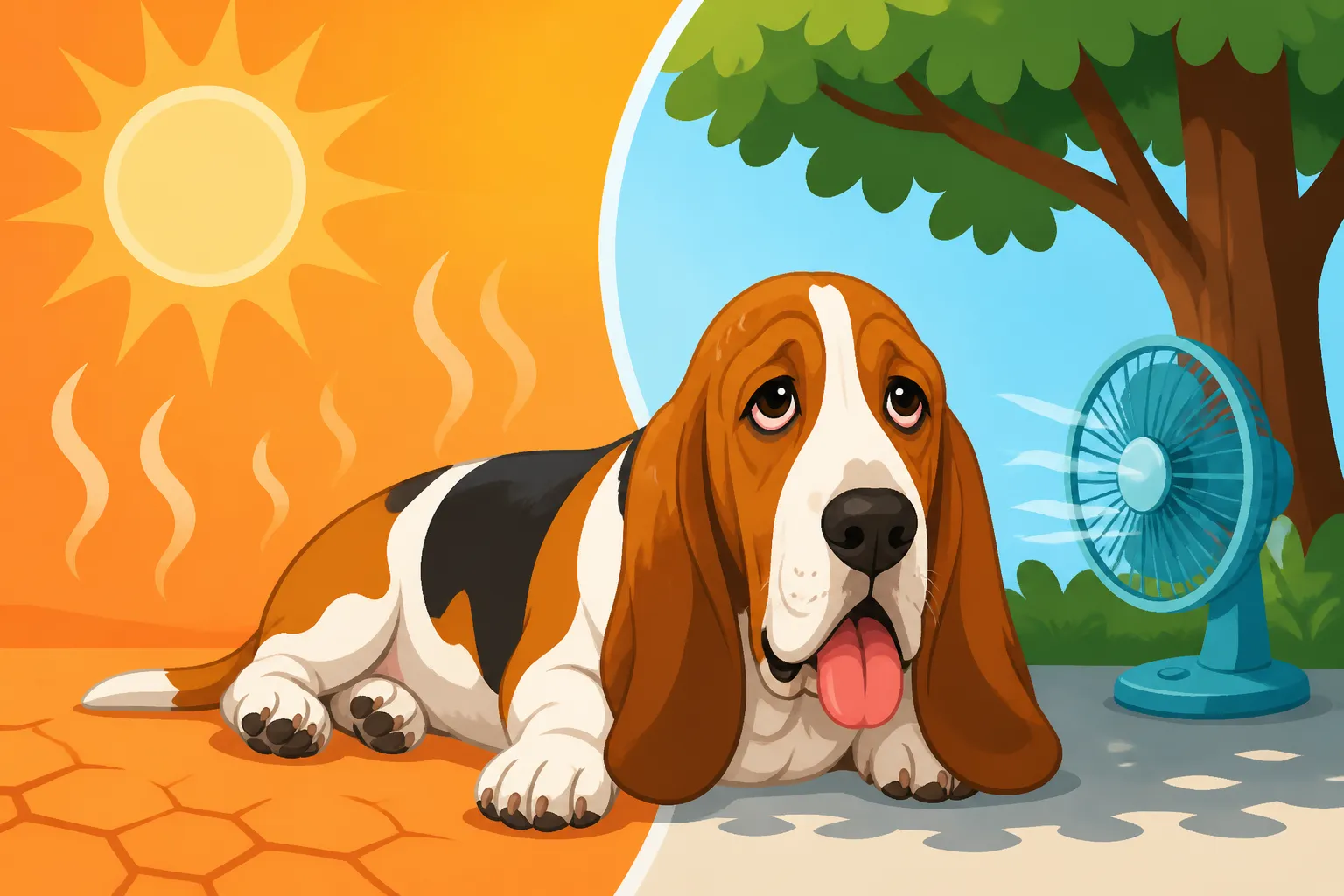
If you suspect heatstroke, do not delay. This isn't something you can "wait and see" with. Get your Basset to the nearest emergency veterinary clinic immediately. On the way, you can try some first aid: spray or sponge cool (not ice cold) water on their body, especially their belly and paw pads. You can also use a fan to increase evaporative cooling. Never submerge them in ice water, as this can cause shock and restrict blood flow, trapping heat inside. The goal is a gradual cooling, not a sudden drop. Heatstroke can cause irreversible organ damage and is one of the unfortunate conditions that can contribute to What Actually Kills Most Basset Hounds, so prompt, decisive action is paramount.
Proactive Measures to Keep Your Basset Hound Cool and Comfortable
Prevention truly is the best medicine when it comes to Basset Hounds and heat. By making some simple adjustments to their routine and environment, you can significantly reduce their risk of overheating.
Strategic Exercise and Outdoor Management
The most important step is to adjust your Basset Hound’s exercise schedule during warm weather. Forget those midday walks when the sun is beating down. Instead, aim for early morning outings, perhaps just after sunrise, and late evening strolls once the sun has set and the air has cooled considerably. Even on these cooler parts of the day, keep walks shorter than usual. Remember, a Basset Hound might not be built for marathons, but they still need to get out and sniff! How Many Miles a Basset Hound Can Walk in cooler weather is very different from what they can handle when it's hot.
Pay close attention to the walking surface. Asphalt and concrete can absorb and radiate immense heat, easily burning sensitive paw pads. If it’s too hot for your bare hand to comfortably touch for five seconds, it’s too hot for your Basset’s paws. Stick to grass or shaded dirt paths whenever possible. Always bring fresh water with you and offer it frequently. Avoid taking your Basset to dog parks during hot periods, as the excitement and exertion with other dogs can quickly push them into overheating. If they absolutely must be outside during the day, ensure they have constant access to deep shade and plenty of fresh water. Never, ever leave your Basset Hound unattended in a car, even with windows cracked, as temperatures inside a vehicle can skyrocket to dangerous levels in minutes. This is a critical consideration for Whether a Basset Hound Should Walk in the Heat.
Hydration and Environmental Cooling Solutions
Keeping your Basset Hound hydrated is non-negotiable. Always have multiple bowls of fresh, cool water available inside and outside the house. You can even add ice cubes to their water bowl to keep it cooler for longer. For those Bassets who love to splash, a shallow kiddie pool filled with a few inches of water can be a fantastic way for them to cool off their bellies and paws – just be sure to supervise them and keep the water clean.
Beyond water, consider investing in some cooling aids. Cooling mats, available on platforms like Amazon and Chewy, contain pressure-activated gels that absorb body heat. Cooling vests or bandanas, which you soak in water and then put on your dog, can also provide evaporative cooling. Inside the home, ensure good air circulation. Use fans in rooms where your Basset spends time, and if you have air conditioning, keep it running at a comfortable temperature. For Bassets prone to ear infections, remember to thoroughly dry their long ears after any water play to prevent moisture buildup and potential issues, a common concern for How Often a Basset Hound's Ears Must Be Cleaned.
Dietary and Grooming Adjustments for Hot Weather
Just like us, Basset Hounds can benefit from some dietary and grooming tweaks to help them manage the summer heat. These small changes can make a big difference in their overall comfort and health.
Optimizing Food and Water Intake
When it's hot, appetites can sometimes wane, but proper nutrition and hydration remain vital. Consider incorporating more wet food into your Basset Hound’s diet, or at least adding some water to their dry kibble. The increased moisture content directly contributes to their hydration levels. Brands like Ollie offer fresh food options that naturally have higher moisture content, which can be a real boon during warmer months. You can also make frozen treats using dog-safe broth, pureed fruits (like banana or apple, no seeds), or even some of their regular food mixed with water and frozen in a Kong or ice cube tray. These provide a cool, hydrating snack that also offers a bit of mental stimulation.
Feeding smaller, more frequent meals might also be beneficial, as large meals require more energy for digestion, which generates more body heat. Try feeding during the cooler parts of the day. And for those Bassets who seem to have a bottomless pit for a stomach, as discussed in Feeding a Basset Hound That Would Eat Forever, ensuring they stay at a healthy weight is even more critical in hot weather. Excess weight acts as an insulating layer and puts extra strain on their cardiovascular and respiratory systems, making them even more susceptible to overheating.
Maintaining Coat and Skin Health
While you might think shaving your Basset Hound in summer is a good idea, it's generally not recommended. Their short, dense coat actually provides a layer of insulation that can protect them from sunburn and help regulate their body temperature. Shaving it can expose their sensitive skin to harmful UV rays and make them more prone to heatstroke. Instead, focus on regular brushing to remove any loose or dead undercoat. This helps air circulate more freely next to their skin and keeps their coat in top condition. A good rubber curry brush, available from retailers like Chewy or Amazon, works wonders on their short fur.
Crucially, pay extra attention to their unique skin folds. The Basset Hound’s characteristic wrinkles, especially around their face, neck, and dewlap, can trap moisture, sweat, and dirt, leading to irritation and infections, which can be exacerbated by heat and humidity. Regularly wipe these folds clean with a soft, damp cloth and ensure they are thoroughly dried afterward. This is part of The Skin Under a Basset Hound's Folds management and can help prevent discomfort that adds to heat stress. Preventing skin issues helps them feel more comfortable overall, reducing another source of stress on their system when temperatures climb. Regular cleaning is a staple of Whether a Basset Hound's Skin Folds Need Cleaning.
Specific Health Concerns and Long-Term Prevention
Beyond general heat management, it's important for Basset Hound owners to be aware of breed-specific vulnerabilities and long-term considerations when it comes to hot weather. Being informed and prepared can significantly improve your Basset's quality of life.
Exacerbated Conditions and Vulnerabilities
Basset Hounds, with their distinctive build, are already prone to certain health issues that can be severely exacerbated by heat. Their heavy bodies and short legs mean they are susceptible to joint problems like arthritis and elbow dysplasia. When overheating, the stress on their body can intensify pain and inflammation, making mobility even more challenging. You might notice their Arthritis in a Basset Hound at Seven becomes more apparent in the heat. An old Basset Hound that already struggles to move, as is often the case with The Old Basset Hound That Cannot Get Off the Floor, will find the heat much more taxing, increasing their risk of heatstroke due to reduced activity and overall physical stress.
Furthermore, any underlying heart or respiratory conditions that your Basset Hound might have, even if subclinical, can become critical under the strain of high temperatures. Their panting mechanism, already working harder in the heat, puts extra demand on their cardiovascular system. Owners should be extra vigilant with Bassets that have been diagnosed with or show signs of such conditions. Understanding these inherent vulnerabilities means being extra proactive in preventing heat stress, rather than reacting to it.
The Importance of Preparedness and Veterinary Consultation
Being prepared is key. Know the location and contact information for your nearest emergency veterinary clinic, and consider having a plan for how you would transport your Basset if they were to suffer from severe heatstroke. Discuss heat management with your veterinarian, especially if your Basset Hound is older, overweight, or has any pre-existing health conditions. Your vet can offer tailored advice, suggest specific cooling products, or even recommend certain supplements that might support their health during summer months. They can also help you understand the signs of heat stress unique to your dog.
Remember that preventing heat-related illnesses is an ongoing commitment. It's about constant vigilance and adjusting your Basset's routine as temperatures fluctuate. Never assume your Basset is "fine" just because they’ve handled similar weather before; every day is different, and individual susceptibility can change. Regular check-ups are always a good idea to monitor their overall health, and discussing seasonal challenges with your vet can help you stay ahead of potential problems. While we hope to avoid emergency situations, it's good to be aware of What a Basset Hound's Emergency Surgeries Cost to be fully prepared for any unforeseen circumstances.
Comparative Cooling Strategies for Basset Hounds
To help you visualize and choose the best methods for keeping your Basset Hound cool, here's a table comparing various cooling strategies.
| Strategy | Description | Pros | Cons | Ideal Use Case |
|---|---|---|---|---|
| Timing Walks | Scheduling exercise for early morning or late evening hours. | Most effective, free, natural cooling. | Restricts outdoor activity times. | Daily exercise, especially for Bassets with joint issues. |
| Cooling Mats | Pressure-activated gel mats that absorb body heat. | Portable, no electricity needed, comfortable for resting. | Can be punctured by chewers, only cools contact area. | Indoor rest, crate use, car travel. (Available on Amazon, Chewy) |
| Kiddie Pools | Shallow pool for splashing and lying in. | Fun, effective full-body cooling, encourages hydration. | Requires supervision, water can get dirty quickly, outdoor only. | Backyard play, active cooling after short walks. |
| Cooling Vests/Bandanas | Fabric vests or bandanas soaked in water, providing evaporative cooling. | Portable, good for walks, protects from sun. | Needs re-wetting, some dogs dislike wearing them, not for extreme heat. | Shorter walks, outdoor lounging, reducing body temperature. (Available on Chewy) |
| Air Conditioning/Fans | Mechanical cooling of indoor air. | Most effective indoor cooling, consistent. | Electricity cost, not portable, dependent on power. | Indoor comfort, especially for sensitive or older Bassets. |
| Frozen Treats | Ice cubes, frozen broth, fruit pops, stuffed Kongs. | Hydrating, entertaining, internal cooling. | Can be messy, too many can cause stomach upset. | Supplements hydration, mental stimulation, special treat. (Ollie often has recipes) |
| Paw Pad Protection | Avoiding hot surfaces or using paw balm/booties. | Prevents burns, reduces heat absorption from ground. | Booties can be rejected by dogs, balm needs regular application. | Walking on hot pavement, protecting sensitive paws. |
Caring for a Basset Hound in warm weather requires diligence and a proactive approach, but it's an essential part of being a responsible pet parent. By understanding their unique needs and implementing these cooling strategies, you can ensure your beloved Basset remains happy, healthy, and comfortable, even when the temperatures soar.
Disclaimer
This article is for general informational purposes only and does not constitute professional advice. Laws, prices and regulations vary by location and change over time. Consult a qualified professional for guidance on your specific situation.