Whether a Basset Hound Needs Lifelong Ear Medication
It’s a heartbreaking reality for many Basset Hound parents: you meticulously clean those long, luxurious ears, follow all the vet’s instructions, and yet, the moment you think you’ve got it under control, that familiar head shaking and scratching starts all over again. The cycle of ear infections can feel never-ending, leading many to wonder if their beloved hound is simply destined for a lifetime of medication. This guide will delve into why Basset Hounds are so prone to chronic ear issues and explore the nuanced answer to whether lifelong ear medication is truly inevitable for them.
The Unique Ear Challenges of a Basset Hound
Let's face it, a Basset Hound's ears are magnificent. They're a defining characteristic, those long, heavy flaps that drag along the ground, sweeping up scents and looking utterly charming. But what makes them so endearing also makes them a prime breeding ground for persistent ear problems. It's not just bad luck; it's a combination of their unique anatomy and sometimes, underlying health issues that create a perfect storm for recurrent infections.
Anatomy as a Predisposing Factor
Imagine wearing a heavy blanket over your ears all the time. That's essentially what a Basset Hound's ear flaps do. Their long, pendulous ears, often reaching past their nose, cover the ear canal opening so effectively that air circulation is severely restricted. This creates a warm, moist, dark environment – precisely what yeast and bacteria thrive in. It's a design flaw, if you will, but one that makes them such classic Basset Hounds!
Think about your own ears: they're open to the air, allowing moisture to evaporate and keeping things relatively cool and dry. A Basset's ears don't have that luxury. Any moisture from bathing, playing in damp grass, or even just regular humidity gets trapped, creating a humid microclimate. This perpetual dampness is a key reason why many owners struggle to get on top of ear issues, as the environment constantly favors microbial growth. It's a relentless battle against biology. You might be interested to read Why a Basset Hound's Ear Canal Never Dries for more insight into this.
Underlying Health Issues Fueling Chronic Infections
Beyond the anatomical predispositions, many Basset Hounds suffer from underlying health conditions that manifest as chronic ear infections. It’s not always just a simple bacterial or yeast overgrowth; often, these are secondary to something else going on internally. Getting to the root cause is critical, but it can be a frustrating, lengthy, and sometimes expensive diagnostic journey.
Allergies: This is a huge one. Environmental allergies (like pollen, dust mites, or certain grasses) and food allergies can both present as chronic ear infections in Basset Hounds. Their skin, including the delicate skin lining their ear canals, becomes inflamed, itchy, and produces excessive wax, setting the stage for infection. If your Basset is constantly scratching, licking their paws, or develops skin rashes in other areas, those recurrent ear infections are very likely a symptom of a broader allergic response. Many owners find a good pet insurance plan, like those offered by Healthy Paws, can really take the sting out of ongoing prescription costs when allergies require continuous management. To learn more, check out Whether a Basset Hound Gets Allergies.
Hypothyroidism: Less common but still a possibility, an underactive thyroid can lead to a host of skin and coat problems, including recurrent ear infections. A dog with hypothyroidism might also seem lethargic, gain weight easily, or have a dull coat. Diagnosing this involves blood tests, and if confirmed, daily medication can often resolve many of the secondary symptoms, including the ear woes.
Ear Mites and Foreign Bodies: While less likely to cause lifelong issues once treated, persistent problems might stem from an unresolved infestation of ear mites or a foreign body (like a grass awn) lodged deep in the canal. These can be incredibly irritating and lead to chronic inflammation and secondary infections if not properly removed. Your vet will always check for these possibilities during an ear exam.
The Spectrum of Lifelong Ear Management Strategies
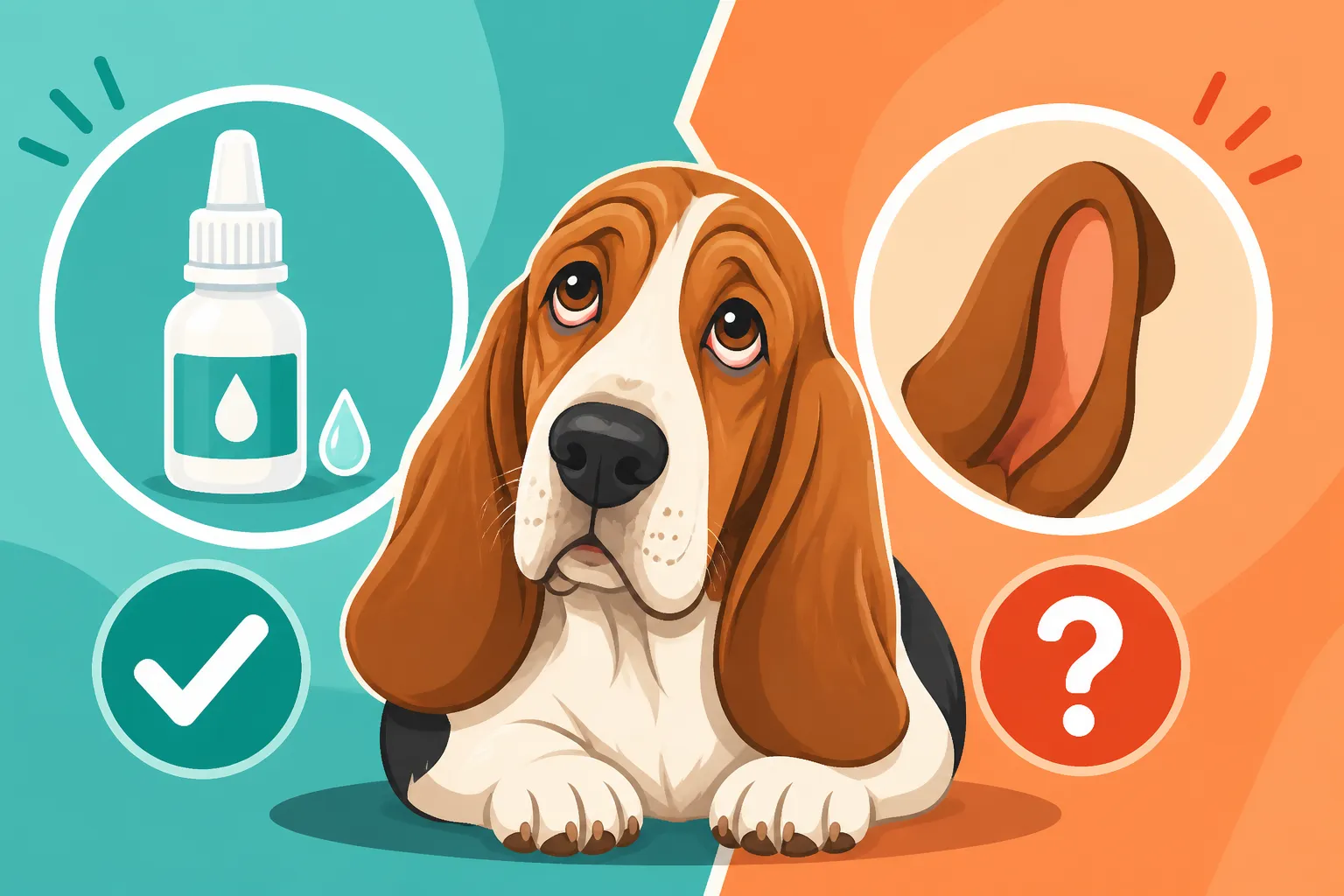
The idea of "lifelong ear medication" can sound daunting, like a life sentence for your Basset Hound. However, it's more accurate to think of it as "lifelong ear management." The specific strategy will vary wildly depending on the root cause and the severity of your dog's condition. For some, it might involve continuous low-dose medication, while for others, it's a rigorous cleaning schedule coupled with careful diet management.
When Continuous Medication Becomes Necessary
For Basset Hounds with severe, unrelenting inflammation and infection that doesn't respond to intermittent treatment, continuous or semi-continuous medication might be the kindest and most effective approach. This isn't usually a first-line defense but rather a strategy considered when other methods have failed to provide adequate comfort and control.
Chronic Otitis and Scarring: Long-standing, untreated, or poorly managed ear infections can lead to irreversible changes within the ear canal. The lining can thicken, calcify, and even narrow, creating an even more enclosed space where infection flourishes. At this point, the ear's natural defenses are compromised, and the physical changes make it almost impossible to clear infections without constant intervention. In these cases, your vet might prescribe daily or every-other-day medicated ear drops, often containing corticosteroids to reduce inflammation and sometimes antibiotics or antifungals to keep microbial populations in check. This type of ongoing treatment aims to maintain comfort and prevent painful flare-ups, rather than seeking a "cure."
Severe Underlying Allergies: If a Basset Hound's chronic ear infections are due to severe, untreatable allergies, lifelong medication might be needed to control the inflammatory response that starts the whole problem. This could include systemic medications (oral drugs) like Apoquel or Cytopoint injections, which target the itch and inflammation at its source, thereby reducing the secondary ear infections. While these aren't ear medications, they are lifelong treatments that directly impact ear health. Topical ear drops might still be used for intermittent flare-ups or as a preventative measure alongside the systemic allergy management.
Beyond Medication: A Holistic Approach to Ear Health
While medication can be a crucial tool, it's rarely the only tool in the lifelong management of a Basset Hound's ears. A truly effective approach usually involves a combination of careful hygiene, dietary considerations, and environmental management.
Consistent Ear Cleaning Rituals: For all Basset Hounds, and especially those prone to issues, a consistent ear cleaning routine is paramount. This isn't just about cleaning when there's an infection, but preventing one in the first place. You're trying to counteract that moist, warm environment their ears naturally create. Your vet can recommend specific cleaning solutions designed to dry the ear canal, acidify the environment, and break down wax. Regular flushing, sometimes two or three times a week, can make a huge difference. How Often a Basset Hound's Ears Must Be Cleaned offers a good starting point for understanding frequency. Online retailers like Chewy can be a lifesaver for ordering specialized ear cleaners, prescription diets, or regular medications, delivered right to your door.
Dietary Management: For Basset Hounds with suspected food allergies, a dietary elimination trial is often necessary. This involves feeding a novel protein or hydrolyzed protein diet for several weeks to see if symptoms (including ear infections) improve. If they do, then lifelong management involves sticking to that specific diet. This isn't just about avoiding common allergens like chicken or beef; it's about finding a food that doesn't trigger an inflammatory response. Some owners explore fresh food options, like those provided by services like Ollie, to see if dietary changes impact their hound's overall health and reduce their reliance on ear medications.
Environmental Controls: If environmental allergies are suspected, minimizing exposure to triggers can help. This might mean wiping your Basset's paws and belly after walks, using air purifiers indoors, or frequent washing of their bedding. While you can't eliminate all allergens, reducing the load can often lessen the severity and frequency of ear flare-ups, potentially reducing the need for constant medication.
The Role of Diagnostics
It’s easy to get into a cycle of treating symptoms, but for chronic ear issues, understanding the exact nature of the problem is critical. This often involves more than just a quick look with an otoscope.
Ear Cytology and Culture: When an infection recurs, your vet will likely perform an ear cytology – looking at a swab under a microscope to identify whether yeast or bacteria (or both) are present, and their approximate numbers. This guides the initial choice of ear drops. For persistent or non-responsive infections, a bacterial culture and sensitivity test might be needed. This involves sending a swab to a lab to grow the bacteria and test which antibiotics are most effective against it. This prevents the overuse of ineffective antibiotics and helps target treatment precisely. Getting these tests done can save you money and frustration in the long run by ensuring the right treatment is chosen from the start. For more information on this, consider Whether Yeast or Bacteria Is in a Basset Hound's Ear.
Deep Sedated Ear Exam and Imaging: In very severe cases, especially if the ear canal is severely narrowed or if there's suspicion of a middle ear infection, a sedated ear exam might be recommended. This allows the vet to thoroughly clean the ear canal, remove debris, and visualize deeper structures without causing pain or distress to your Basset Hound. Sometimes, imaging like X-rays or even a CT scan is necessary to assess the bony structures of the ear and determine the extent of disease, which then informs the best long-term management strategy, including the potential for surgery.
Long-Term Outlook and Preventing Escalation
The good news is that with proactive management, many Basset Hounds can lead comfortable lives without truly "lifelong ear medication" in the sense of daily prescriptions. The goal is always to reduce the frequency and severity of infections, making life easier for both you and your floppy-eared friend.
Recognizing When Things Are Getting Worse
It's vital for Basset Hound owners to be vigilant and recognize the signs that ear issues are escalating, as this can necessitate more intensive and potentially continuous intervention. Don't wait until it's an emergency.
Signs of Chronic Progression: Pay close attention if you notice changes like a strong, persistent odor from the ears even after cleaning, thickening or hardening of the ear flap or canal opening, increased pain when you try to touch their ears, or a noticeable change in their hearing. These can be signs of irreversible changes in the ear canal due to chronic inflammation and scarring. In some advanced cases, the ear canal can even begin to close up, making it extremely difficult to treat infections topically. You can learn more about this by reading Whether a Basset Hound's Ear Canal Closes Up.
Impact on Quality of Life: A Basset Hound constantly suffering from ear pain or itching will have a significantly reduced quality of life. They might be grumpy, withdrawn, refuse to play, or even become irritable when touched. If your dog is consistently uncomfortable despite your best efforts, it's time to have an in-depth conversation with your vet about more aggressive management strategies, which could include long-term medical treatment or even surgical options in dire cases.
Surgical Interventions as a Last Resort
For a small percentage of Basset Hounds with end-stage chronic ear disease, where the ear canal is severely scarred, calcified, and no longer responsive to medical management, surgery might be the only option to provide lasting relief from pain and infection.
Total Ear Canal Ablation (TECA): This is a radical procedure where the entire diseased ear canal is surgically removed, and the middle ear is drained and sealed. It effectively removes the source of chronic infection and pain. While it does result in deafness in the affected ear, the relief from chronic discomfort is often profound, drastically improving the dog's quality of life. It’s a huge decision and a significant expense, but for some Bassets, it’s the path to a pain-free existence. The cost of such a procedure can be substantial, as explored in What a Total Ear Canal Ablation Costs on a Basset Hound.
| Management Strategy | Primary Goal | Typical Application | Potential for Lifelong Use |
|---|---|---|---|
| Regular Cleaning | Prevent infection, maintain hygiene | All Bassets, especially those prone to issues | Yes, ongoing |
| Targeted Ear Drops | Treat active infections | During flare-ups of bacterial/yeast infections | Intermittent, as needed |
| Systemic Allergy Meds | Reduce underlying inflammation | For Bassets with severe environmental or food allergies | Yes, often lifelong |
| Dietary Management | Eliminate allergic triggers | For Bassets with confirmed or suspected food allergies | Yes, ongoing |
| Oral Antibiotics/Antifungals | Treat severe/deep infections | When topical drops aren't enough or infection is systemic | Short-term, acute phases |
| Surgery (TECA) | Eliminate chronic pain/infection | End-stage ear disease, unresponsive to all other treatments | One-time, permanent |
It truly comes down to understanding your individual Basset Hound and working closely with your veterinarian. While the prospect of "lifelong medication" can sound daunting, for many Bassets, it translates into a structured routine of care, sometimes involving medication, that ensures their comfort and well-being for years to come.
Disclaimer
This article is for general informational purposes only and does not constitute professional advice. Laws, prices and regulations vary by location and change over time. Consult a qualified professional for guidance on your specific situation.