Why Basset Hounds Reach Rescue at Six
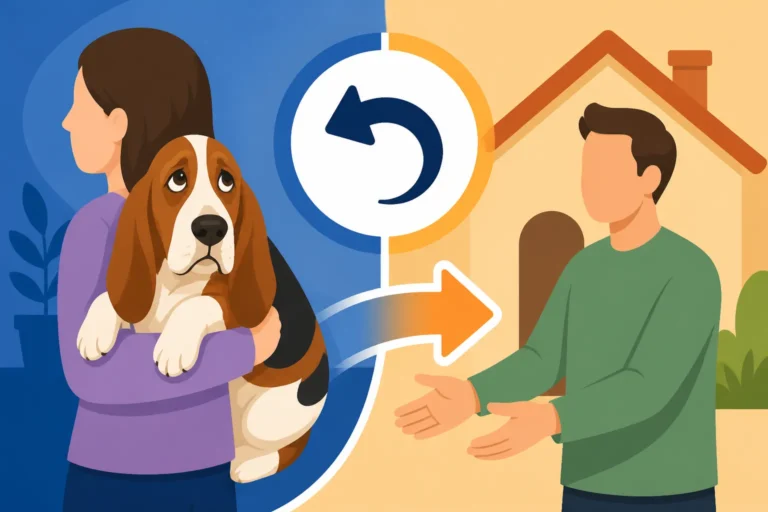
It's a heartbreaking reality that many Basset Hounds find themselves in rescue organizations around the age of six. This isn't just a number; it represents a dog that has moved past its cute puppy stage but is still very much in its prime, capable of giving years of love and companionship. This guide aims to shed light on the often complex and sometimes preventable reasons why these wonderful hounds are rehomed in their middle years, helping prospective and current owners understand the commitment involved.
The Burden of Unexpected Veterinary Costs
One of the most significant and often underestimated factors contributing to Basset Hounds ending up in rescue is the sheer cost of their specialized veterinary care. These lovable dogs, with their distinctive features, are predisposed to a range of health issues that can become incredibly expensive to manage, especially as they mature. Owners, often initially captivated by a puppy's charm, can quickly become overwhelmed when a six-year-old Basset begins to manifest chronic conditions that require ongoing, costly treatment.
Chronic Ear Infections and Eye Issues
Basset Hounds are famous for their long, pendulous ears, which are undeniably adorable but also a significant health liability. These ears create a warm, moist environment, perfect for yeast and bacteria to flourish, leading to persistent, painful, and often smelly ear infections. It’s not uncommon for a Basset Hound to battle ear infections throughout its life, with symptoms ranging from head shaking and scratching to severe pain and even hearing loss. Many owners find themselves in a constant cycle of vet visits, ear flushes, medications, and specialized cleaning solutions.
These treatments aren't cheap. A single veterinary visit for an ear infection can involve an exam fee, cytology (checking for yeast/bacteria), and prescription ear drops. If the infection is severe, it might require a deeper flush under sedation or even oral antibiotics. Over a dog's lifetime, especially by age six, these costs accumulate dramatically. It’s easy for an owner to spend hundreds, if not thousands, of dollars annually on ear care. If you want to know more, you can read What Ear Treatment Costs a Basset Hound Owner Yearly. Beyond ears, Bassets can also be prone to various eye conditions, such as entropion (eyelids rolling inward) or ectropion (eyelids rolling outward), which can irritate the eyes and sometimes require surgical correction. Glaucoma is another serious concern for the breed, demanding lifelong management with expensive eye drops, or even surgery in severe cases. These eye issues add another layer of financial strain, with the potential for sudden, emergency vet visits. Understanding What a Basset Hound's Eye Care Costs is crucial for any potential owner. For many owners, the sheer, relentless nature of these health issues, coupled with the financial drain, can simply become too much to bear. This is where investing in pet insurance, perhaps through a provider like Healthy Paws, can make a huge difference, cushioning the blow of these chronic conditions.
Orthopedic and Back Problems
The Basset Hound's unique, low-slung body and short, sturdy legs are a defining characteristic, but they also come with a predisposition to significant orthopedic and back problems. By the age of six, the wear and tear on their joints and spine can really start to show, often leading to chronic pain and reduced mobility. Conditions like elbow dysplasia, which is a developmental abnormality of the elbow joint, can cause limping and arthritis from a young age, but the symptoms often become more pronounced and debilitating as the dog ages. Owners might notice their dog struggling to get up, hesitant to climb stairs, or generally less enthusiastic about walks.
However, the most concerning and often devastating orthopedic issue for Basset Hounds is Intervertebral Disc Disease (IVDD). Their long backs, a result of a genetic condition called chondrodystrophy, make them highly susceptible to slipped or ruptured discs. This can range from mild pain and weakness to complete paralysis, often requiring emergency veterinary intervention. The initial signs of back trouble might be subtle – a reluctance to jump, a yelp when picked up, or an altered gait. By six years old, a Basset Hound might experience its first major disc episode. Diagnosing IVDD often involves expensive imaging like X-rays and potentially an MRI, followed by either strict crate rest and medication or, in severe cases, specialized spinal surgery. The recovery process is long, arduous, and requires intensive nursing care, not to mention the immense financial outlay. What Back Surgery Costs a Basset Hound Owner is a question that can send shivers down any owner's spine. These costs, combined with the emotional toll of seeing their beloved pet in pain, can push some owners to the brink, especially if they haven't budgeted for such emergencies or have not invested in pet insurance from a company like Healthy Paws. Many come to realize that The Back Trouble a Basset Hound Is Built Into is more than just a passing concern, it's a lifelong commitment to preventative care and potential treatment.
Managing Weight-Related Health Issues
Basset Hounds possess an endearing, almost insatiable appetite. They live for food, and if given the chance, they will eat until they are uncomfortably full, and then some. This love for food, coupled with their relatively low exercise requirements, makes them incredibly prone to obesity. While a chunky Basset might look cute, extra weight puts immense strain on their already delicate joints and spine, exacerbating conditions like elbow dysplasia and IVDD. Obesity also increases their risk for other health problems such as diabetes, heart disease, and a decreased lifespan. By the age of six, if an owner hasn't diligently managed their Basset's diet and exercise, these weight-related issues can become severe, leading to a cascade of secondary health complications.
The cost of managing an overweight Basset Hound is also a significant factor. It might involve special weight-control diets, which can be more expensive than regular kibble. Many veterinarians will recommend therapeutic prescription foods, which often come with a higher price tag. Regular vet weigh-ins and nutritional counseling add to the bill. Some owners explore fresh food options, which can be fantastic for weight management and overall health, but also represent a higher monthly expense. Services like Ollie, which deliver fresh, portion-controlled meals, can be a great option for precise caloric intake, but it's a financial commitment. The cumulative effect of increased vet visits, special foods from stores like Chewy, and potential medication for conditions worsened by obesity can become overwhelming. Owners might initially think a few extra pounds are harmless, but as their Basset hits middle age, the reality of What Extra Weight Does to a Basset Hound becomes painfully clear, sometimes leading them to feel they can no longer provide the necessary care.
Navigating Behavioral and Training Challenges
Beyond the health concerns, the unique personality and strong instincts of a Basset Hound often contribute to rehoming. What might seem quirky or endearing in a puppy can become a significant challenge in an adult dog if not properly understood and managed from the start. Many owners fall in love with the Basset’s comical appearance and gentle demeanor, only to be caught off guard by their deep-seated hound traits.
The "Stubborn" Nature and Recall Struggles
Let's be honest: Basset Hounds are often labeled as stubborn. While it might seem like they're simply choosing to ignore you, their behavior is usually a direct consequence of their incredibly powerful sense of smell. These dogs were bred to follow a scent trail relentlessly, and that instinct is deeply ingrained. When a Basset's nose hits an interesting scent, the rest of the world, including your calls, simply ceases to exist. This can be incredibly frustrating for owners who expect typical dog obedience. You can yell their name, offer treats, or even stomp your feet, but if they're on a trail, they are on that trail.
This strong prey drive and selective hearing mean that a Basset Hound's recall is notoriously unreliable. For many owners, this means their Basset can never be safely off-leash in an unfenced area, which severely limits their exercise options and can lead to a feeling of constant vigilance. Imagine taking your Basset to a park, only for them to bolt after a squirrel scent, completely oblivious to your frantic calls. This isn't naughtiness; it's instinct. This reality often leads to owners feeling tied down, unable to enjoy simple walks without the fear of their dog disappearing. The need for a securely fenced yard becomes paramount, and if an owner moves to a property without one, or if they underestimated this trait from the beginning, a six-year-old Basset Hound suddenly becomes a huge management challenge. Knowing The Recall a Basset Hound Will Never Reliably Give You is a fundamental truth of owning this breed.
The Mellifluous, Yet Loud, Bay
The Basset Hound's vocalizations are iconic. That deep, mournful bay is a sound that tugs at the heartstrings in movies and cartoons. In real life, however, that bay can be incredibly loud and persistent, especially when a Basset is on a scent, lonely, bored, or simply feels like expressing itself. While charming initially, living with a regularly baying Basset can quickly wear on an owner's nerves, and more crucially, on the patience of neighbors.
This isn't a breed for quiet apartment living unless you have incredibly tolerant neighbors and can manage their vocal tendencies with consistent training and enrichment. A six-year-old Basset, if not accustomed to being left alone or if prone to separation anxiety, might develop persistent howling, leading to noise complaints, strained relationships with neighbors, and the constant stress of trying to keep them quiet. Even indoors, a Basset can bay at strange noises, passersby, or just because they feel like it. Owners who didn't fully grasp The Bay a Basset Hound Uses and the Neighbors Hear when their dog was a cute puppy might find themselves overwhelmed by middle age, realizing that the breed's vocal nature is simply too much for their living situation.
Time Investment in Grooming and Care
While Basset Hounds have a short, seemingly low-maintenance coat, their unique anatomy demands a surprising amount of dedicated care. Many prospective owners assume a short-haired dog means minimal grooming, but a Basset's ears, wrinkles, and general propensity for drooling tell a different story. These aren't chores that can be skipped; neglecting them leads directly to discomfort, infection, and higher vet bills.
The long, heavy ears, as mentioned, are a magnet for dirt, moisture, and bacteria. They need regular, often twice-weekly, cleaning to prevent infections. This isn't a quick wipe; it's a thorough ritual involving specialized ear cleaner and careful attention. For more detail, consider The Twice Weekly Ear Ritual a Basset Hound Owner Signs Up For. Their heavily wrinkled faces, particularly around the eyes and mouth, also require attention. Food and moisture can get trapped in these folds, leading to skin fold dermatitis, yeast infections, and a rather unpleasant odor. Regular wiping and drying of these areas are essential to keep them healthy. Neglecting Cleaning the Folds a Basset Hound's Face Is Made Of can lead to painful skin issues. Then there's the drool. Bassets are champion droolers, and that slobber doesn't just stay in their mouths; it can get on furniture, walls, and clothes. While not a health issue, managing the drool requires constant wiping, cleaning, and a general acceptance of a less-than-pristine home environment. For owners with busy schedules, those who travel frequently, or those who simply underestimate the time and effort involved, these daily and weekly routines can become a burden. By age six, if these habits haven't been ingrained, the sheer effort of managing a Basset's specific care needs can contribute to owner burnout and the difficult decision to rehome.
Lifestyle Changes and Owner Preparedness
Life has a funny way of throwing curveballs, and sometimes, even the most well-intentioned owners find themselves in situations where they can no longer adequately care for their Basset Hound. A dog that was once a perfect fit for a household can become a challenge when circumstances shift dramatically. Often, Basset Hounds reaching rescue at six years old aren't there due to any fault of their own, but rather a profound change in their owner's life.
The "Forever Puppy" Syndrome
Despite their adult size, Basset Hounds tend to mature slowly, both physically and mentally. While they might be fully grown by a year or two, their puppy-like exuberance, curiosity, and sometimes mischievous nature can persist far longer than in many other breeds. This "forever puppy" stage can be endearing, but it also means they require consistent guidance, patience, and training well into what might be considered their middle years. An owner expecting a calm, sedate adult dog by age two might be surprised to find their four- or five-year-old Basset still displaying bursts of stubbornness, chewing tendencies, or a lack of focus.
This prolonged maturity often translates to a continued need for supervision and engagement. For owners who were hoping for a dog that would "settle down" by a certain age, this can lead to frustration and a feeling of being perpetually stuck in the puppy phase. If proper training and socialization were not diligently maintained throughout their younger years, a six-year-old Basset might still exhibit undesirable behaviors that haven't been corrected, like counter-surfing, nuisance barking, or digging. The commitment required to continue shaping their behavior, even in adulthood, can be taxing. If you're looking into bringing home a Basset, it's wise to understand the commitment required for The First Year With a Basset Hound Puppy and beyond, as this long developmental phase sets the stage for their adult behavior.
Unforeseen Life Circumstances
It's a sad truth that sometimes, life simply gets in the way of pet ownership. Many Basset Hounds ending up in rescue at six are there because their owners' lives have undergone significant, unforeseen changes. A job loss might mean a family can no longer afford the specialized food, veterinary care, or pet insurance, even from a reliable provider like Healthy Paws. A relocation for work might mean moving to an apartment with breed restrictions, or to a place without the secure yard a Basset Hound absolutely needs. Divorce or separation can split households, often making it impossible for either party to continue caring for the dog.
The arrival of a new baby or young children can also be a catalyst. While Basset Hounds are generally known for their gentle nature, a new infant requires immense time and attention, and sometimes owners realize they simply don't have enough to go around for both child and dog. For more on this, you might explore Why Basset Hounds Are Surrendered. Similarly, an owner's own health issues, a decline in mobility, or entry into assisted living can suddenly render them unable to provide the care a Basset Hound needs, especially one with emerging health issues or behavioral quirks. These are often heartbreaking decisions, made out of necessity rather than a lack of love. A six-year-old Basset is still an active, vibrant dog, but adapting to new circumstances can be challenging, and finding a suitable new home isn't always easy outside of rescue.
Underestimating the Breed's Specific Needs
Perhaps one of the most common, yet avoidable, reasons for Basset Hounds reaching rescue at six is a fundamental lack of understanding or research by prospective owners. They see the adorable, droopy-eared face and assume they're getting a docile, low-maintenance couch potato. While Bassets are indeed gentle and love a good nap, they are far from "low-maintenance" in their specific needs. Many owners are simply unprepared for the reality of living with this unique hound.
They don't anticipate the intense scent drive that makes walks a constant battle on the leash and off-leash recall a fantasy. They don't realize the extent of the ear and wrinkle care required, nor the financial commitment for potential health issues like IVDD or glaucoma. They might not be prepared for the volume of the bay or the sheer amount of drool. The initial allure of their distinctive look often overshadows the practicalities of their care. By the time the dog is six, these unmet expectations and accumulated challenges often lead to frustration and a feeling of being overwhelmed. The adorable puppy has grown into a mature dog whose needs are more demanding than anticipated. This is why it's so important for potential owners to really dig deep into What Nobody Warns a Basset Hound Buyer About before committing. Companies like Chewy offer auto-ship services for recurring items like ear cleaner or specific foods, and services like Ollie can help with custom nutrition plans, but even these conveniences require an owner who understands and is committed to managing these needs. Without proper preparedness, the reality of Basset Hound ownership can unfortunately lead to their placement in a rescue at an age where they still have so much life to live.
Common Reasons for Basset Hound Rehoming at Six
To summarize some of the key factors we've discussed, here's a look at why Basset Hounds often find themselves in rescue at what should be their prime. This isn't an exhaustive list, but it covers the most frequent challenges owners face.
| Category | Specific Challenges | Impact on Owners |
|---|---|---|
| Health & Vet Costs | Chronic Ear Infections, Glaucoma, IVDD, Elbow Dysplasia, Weight-related issues | High, ongoing veterinary bills; emotional stress; time commitment for care |
| Behavior & Training | Stubbornness (scent-driven), unreliable recall, loud baying/howling, drooling | Frustration; neighbor complaints; limitations on off-leash activities; mess |
| Care & Grooming | Intensive ear cleaning, wrinkle care, drool management, nail trims | Time-consuming routines; potential for infections if neglected |
| Lifestyle Factors | Owner job loss/relocation, divorce, new children, owner health decline, lack of research | Inability to afford care; unsuitable living arrangements; burnout |
Disclaimer
This article is for general informational purposes only and does not constitute professional advice. Laws, prices and regulations vary by location and change over time. Consult a qualified professional for guidance on your specific situation.