Whether a Basset Hound Is Safe Around Food and Children
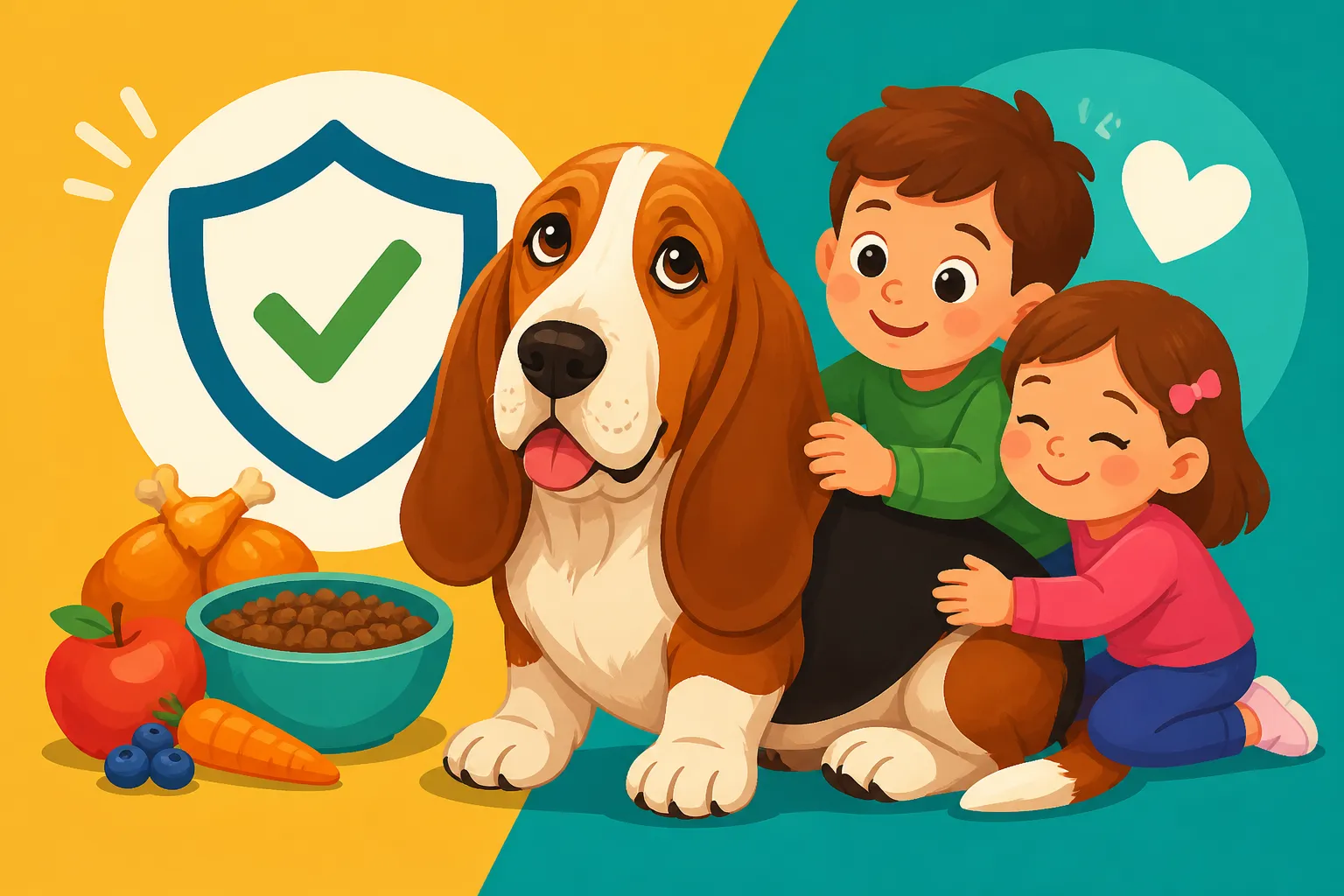
It’s a common scenario that can strike fear into any pet owner: a Basset Hound, a plate of unattended snacks, and curious little hands all in the same room. The image of a Basset Hound, with their gentle, doleful eyes, often makes us think they're perpetually calm and easygoing, but when food and children enter the equation, a different side can sometimes emerge. This guide will walk you through the nuances of a Basset Hound's relationship with food, their interactions with children, and most importantly, how to create a safe and harmonious environment for everyone in your family.
Understanding a Basset Hound's Relationship with Food
Basset Hounds are, at their very core, scent hounds. This means their world revolves around their incredibly powerful noses, and few things capture their attention more completely than the promise of a delicious scent, especially if that scent comes from food. This inherent drive shapes a huge part of their behavior, and it's something every Basset owner needs to understand and respect.
The Instinct to Scavenge
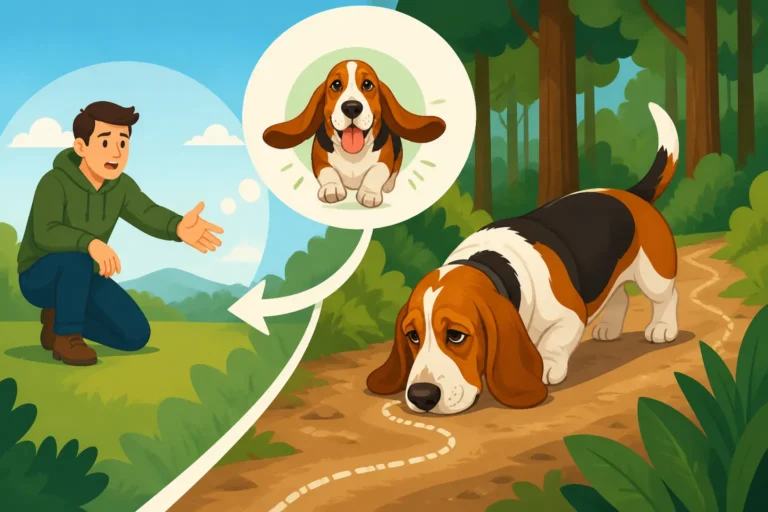
Let's be real, if there's food, a Basset Hound will find it. Their magnificent noses, arguably second only to a Bloodhound's, are perfectly designed for trailing scents low to the ground. This isn't just a quirky trait; it's a deeply ingrained instinct honed over centuries of selective breeding for hunting. They were bred to follow a scent trail relentlessly, often for hours, ignoring all other distractions. When you bring that into your home, it translates into a dog who views almost any unattended food item as a potential treasure to be discovered and consumed.
This powerful instinct is why Basset Hounds are notorious counter-surfers, expert trash-can divers, and masters of sniffing out crumbs under the sofa. You might think your food is safely out of reach on the kitchen counter, but a determined Basset will find a way, whether it's by stretching, leaning, or even using a chair if one is conveniently placed. They don't see it as "stealing"; they see it as fulfilling their natural drive. It’s a huge source of frustration for many owners, who constantly feel like they're battling a furry vacuum cleaner. Trying to prevent them from indulging this instinct requires constant vigilance, and often, it feels like they’re always one step ahead. After all, if they can follow a deer for miles through dense undergrowth, an unguarded sandwich on the coffee table is child's play. If you've ever wondered Whether a Basset Hound Steals From the Counter, the answer is almost certainly a resounding yes!
Food Aggression vs. Resource Guarding
When we talk about dogs being "unsafe" around food, often the first thought is aggression. While true aggression is rare in Basset Hounds, resource guarding – a defensive behavior around valued items like food, toys, or even a favorite sleeping spot – can definitely manifest. This isn't necessarily about outright biting or snarling, though it can escalate. More often, with a Basset, it might look like a stiffening of the body, a low growl, a quick snap, or trying to quickly swallow a stolen item before anyone can intervene. They're communicating, in dog language, "This is mine, stay away!"
It's crucial to understand the difference. A dog that is truly food aggressive might initiate a confrontation, actively challenging anyone near their bowl. A resource guarder, especially a Basset, is usually reacting to a perceived threat to their possession. The key word here is "perceived." To a Basset, a child innocently walking by their food bowl, or even reaching towards a discarded crumb on the floor, might be seen as an attempt to take their precious find. Their history as independent hunters means they can be quite single-minded when it comes to securing their prize. This is particularly relevant when children are involved because kids don't always understand these subtle cues and might inadvertently push a dog past its comfort zone. It's not necessarily a sign of a "bad" dog, but a natural, albeit undesirable, instinct that needs careful management. For more on this, consider Whether a Basset Hound Guards a Bone.
The Role of Training and Management
Given their strong food drive and potential for resource guarding, effective training and diligent management are non-negotiable for Basset Hounds in a household with children. It's not about "fixing" their innate hound nature; it's about channeling it and teaching them appropriate responses. The good news is that Basset Hounds, despite their stubborn reputation, are highly motivated by food! This can be your greatest asset in training.
Commands like "leave it" and "drop it" become your best friends. "Leave it" teaches them to ignore something tempting, while "drop it" instructs them to release an item they already have. These aren't just parlor tricks; they are critical safety commands that can prevent a dangerous situation. Think of it: your Basset spots a dropped cracker near your toddler, and with a swift "leave it," you prevent a potential conflict. However, these commands require consistent practice and positive reinforcement, often starting in a low-distraction environment and slowly building up. It's a continuous process, not a one-and-done lesson. Beyond specific commands, management strategies like never leaving food unattended, feeding your Basset in a separate room, or using a crate during family mealtimes are equally vital. It's about setting them up for success and minimizing opportunities for them to practice undesirable behaviors. For deeper dives into training, you might find articles like Whether a Basset Hound Can Be Taught to Leave It and What Actually Motivates a Basset Hound incredibly helpful.
Navigating Basset Hounds and Children Safely
Basset Hounds are often touted as excellent family dogs, and for good reason. Their generally laid-back demeanor and tolerance often make them seem ideal companions for kids. However, just like with their food drive, it's important to understand their natural predispositions and set up your home environment for success, ensuring safety for both your two-legged and four-legged family members.
Gentle Giants, But Still Dogs
It's true that Basset Hounds usually have a wonderful temperament with children. They're often patient, rarely aggressive without strong provocation, and their solid build makes them less prone to accidental injury from rambunctious play compared to a delicate breed. Many a Basset has endured a toddler's clumsy hug with quiet dignity. They tend to be more interested in a nap on the sofa than engaging in high-energy games, which can be a relief for parents with young kids. Their low stature also means they're less likely to jump up and knock over a small child.
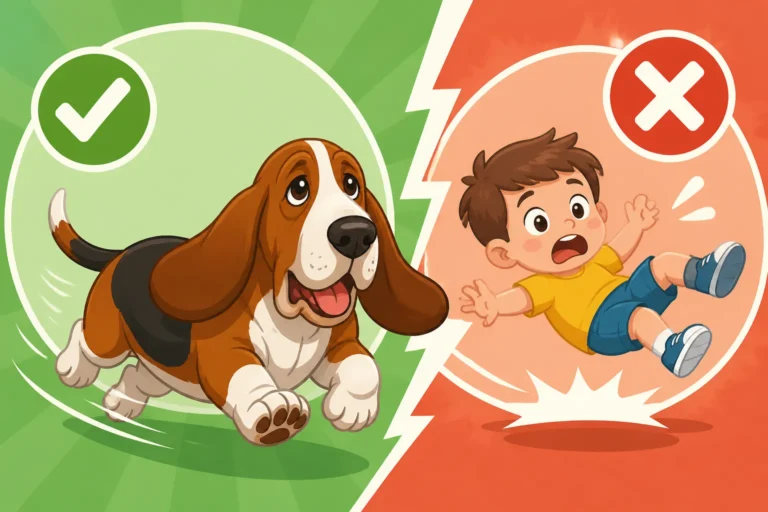
However, it's a critical mistake to assume any dog, no matter how "gentle," is entirely predictable or should be left unsupervised with children. A Basset Hound is still an animal with instincts, moods, and limits. Even the most tolerant dog can snap if it's in pain, startled, or constantly bothered. Their long backs, a defining characteristic of the breed, can be vulnerable, and an unexpected fall or clumsy interaction from a child could cause them discomfort, leading to an unexpected reaction. We want our Bassets to be family members, not just passive objects of affection. Always remember, supervision means active supervision – not just being in the same room, but actively observing and ready to intervene. This point is often emphasized when considering A Basset Hound in a House With Children.
Teaching Children to Respect Boundaries
A huge part of ensuring safety lies not just in training your dog, but in educating your children. Kids, especially young ones, often don't understand dog body language or what constitutes respectful interaction. They might pull on those long, luscious ears, try to "ride" the dog, or attempt to share their own snacks. These behaviors, while innocent in intent, can be stressful or even painful for a Basset Hound, pushing them towards a defensive reaction.
Establishing clear rules for children is paramount. Teach them that the dog's crate, bed, or eating area is a "no bother zone." Explain that dogs need quiet time and shouldn't be disturbed when they're sleeping or eating. Show them how to gently pet the dog, rather than pulling fur or ears. Most importantly, teach them never to approach a dog that is eating, chewing on a bone, or has a toy it's actively guarding. These boundaries protect both the child and the dog. Make it a fun learning experience, perhaps by reading books about dog safety together, so it doesn't feel like a list of strict rules but rather an understanding of how to be a good friend to their furry companion. It's a journey, much like The First Year With a Basset Hound Puppy is for you and your new companion.
Managing Interactions Around Food
This is where the two main topics intersect, and it requires the most diligent management. Given a Basset Hound's powerful food drive and the unpredictability of young children, it is simply never safe to leave food unattended in the presence of both. This isn't about blaming the dog or the child; it's about understanding the natural instincts and developmental stages of both and preventing potential conflict.
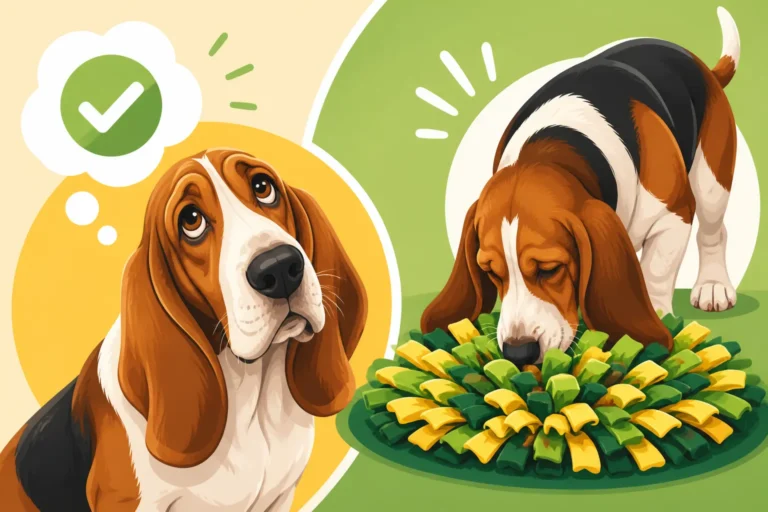
Imagine a scenario: your toddler drops a piece of toast, and simultaneously, your Basset's nose hits the floor. Both are moving towards the food. In that split second, a child might instinctively try to reclaim their dropped item, while the Basset, driven by instinct, might try to gobble it up or guard it. This is a recipe for disaster. The best strategy is prevention. Establish clear routines: children eat in a high chair or at a table, while the Basset is either in a separate room, a crate, or securely gated away. Ensure any dropped food is immediately picked up by an adult. For meals, use a slow feeder for your Basset to extend mealtime and reduce frantic gobbling, and consider elevated bowls if that helps prevent them from "bowling" over their food or getting their long ears in it. Amazon offers a variety of slow feeders and elevated bowls that can make mealtimes safer and cleaner. If you must have both in the same space, consider using a sturdy baby gate to separate them during food-related activities. This creates a physical barrier that removes temptation and reduces the chance of an accidental encounter turning sour.
Practical Strategies for a Harmonious Home
Living with a Basset Hound and children, especially when food is involved, requires proactive planning and consistent effort. It's not just about reacting to problems, but setting up your environment and your routine to prevent them from ever occurring. Think of it as creating a "Basset-proof" and "child-safe" zone simultaneously.
Proactive Training and Desensitization
The foundation of a safe household starts with proactive training. As mentioned, "leave it" and "drop it" are essential. Practice these commands daily in various situations, always rewarding success with high-value treats (that aren't the forbidden item itself!). Start with something your Basset isn't too interested in, then gradually increase the temptation. Another valuable exercise is teaching your Basset to stay on a mat or in their bed during mealtimes or when snacks are being consumed. Reward them for calm, settled behavior in their designated spot, associating good things with staying out of the food zone.
For resource guarding, desensitization can be very effective, but always do this under the guidance of a professional trainer. The general idea is to teach your dog that a person approaching their food bowl means more good things, not a threat. For example, while your Basset is eating, periodically approach and gently toss an even tastier treat into their bowl from a distance. This changes their association from "they're going to take my food" to "they're bringing me more good food!" Always observe your dog's comfort level and never push them past it. For those looking for structured guidance, online training programs like those from BAXTER & Bella can offer comprehensive modules on these very topics, helping you implement consistent training from the comfort of your home. They provide a step-by-step approach to many common behavioral challenges.
Creating a "Food-Safe" Environment
Management is about making it physically impossible or very difficult for incidents to occur. This means making your home a fortress against a Basset's food-seeking missions. Invest in trash cans with secure, Basset-proof lids. Store all human food in cabinets or pantries that can't be easily opened or accessed. Don't leave groceries unattended on the floor or low counters. When children are eating, use a high chair with a good tray that catches most dropped food, and immediately clean up any spills.
Consider designated eating areas for your Basset. Their crate can be a safe, calm space for them to eat undisturbed. If you're having a family meal, consider placing your Basset in their crate or behind a sturdy baby gate in another room. This removes the temptation and the potential for conflict entirely. This kind of careful planning also extends to furniture. Basset Hounds, with their long backs, shouldn't be jumping on and off high furniture, so if children are eating on the couch, consider using Whether a Basset Hound Should Use a Ramp to prevent your dog from jumping up, or simply designating certain furniture as off-limits during food times. Making these environmental adjustments prevents problems before they even start. You can find robust baby gates and other containment solutions on Amazon to suit various home layouts.
Consistent Supervision and Education
Ultimately, safety around food and children with a Basset Hound is an ongoing commitment to consistent supervision and continuous education. It’s not a one-time fix. Adults must be vigilant. Never leave a child and a Basset Hound unsupervised, especially when food is present or has recently been present. Even when you've done all the training and management, unexpected things can happen. A child might drop a coveted treat, or the dog might find a crumb you missed.
Education for both your Basset and your children should also be ongoing. As children grow, they can take on more responsibility for understanding and implementing the rules. As your Basset matures, their training needs might evolve. Keep practicing those "leave it" and "drop it" commands. Reinforce positive interactions between your Basset and your children. Celebrate calm, respectful behavior from both. By making safety a core value in your home and actively working towards it every day, you can ensure that your gentle, food-loving Basset Hound and your precious children can coexist peacefully and happily, without any scary moments involving snack time. It's truly a partnership between you, your children, and your wonderful Basset.
Here's a quick overview of some Do's and Don'ts:
| Aspect | Do's | Don'ts |
|---|---|---|
| Food Management | Feed Basset in a separate room or crate. | Leave human food unattended on low surfaces or accessible areas. |
| Use secure trash cans. | Allow children to feed the Basset human food directly from their hands. | |
| Immediately clean up dropped food from children. | Ignore early signs of resource guarding (stiffening, growling). | |
| Child Education | Teach children gentle petting and respect for dog's space. | Allow children to disturb the Basset while eating or sleeping. |
| Explain dog body language to older children. | Let children play "keep away" with food or toys from the Basset. | |
| Basset Training | Consistently practice "leave it" and "drop it" commands. | Rely solely on the Basset's "good nature" without training. |
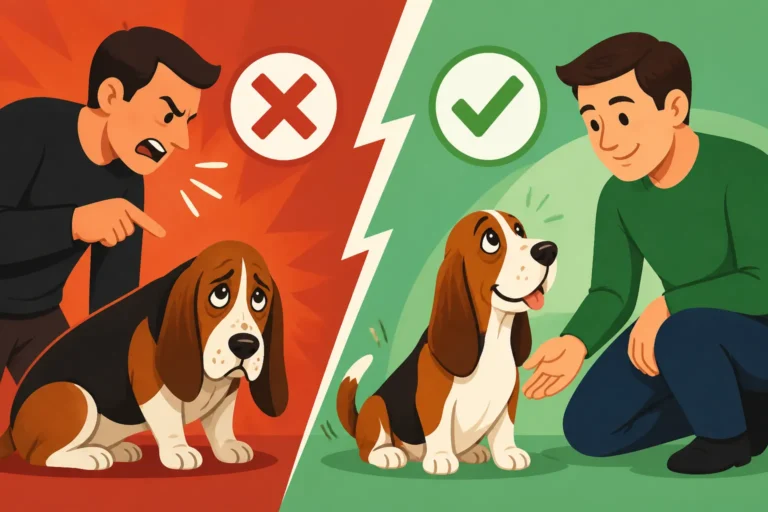
| Reward calm behavior around food and children. | Use punishment for food guarding, which can worsen the behavior. | |
| Supervision | Actively supervise all interactions between Basset, children, and food. | Leave Basset and children alone with food, even for "just a second." |
| Environment | Use baby gates or crates to separate during mealtimes. | Assume an unfenced yard is safe for a Basset with food motivation. |
With proper training, diligent management, and continuous education, your Basset Hound can absolutely be a safe and beloved member of a family with children. It simply requires understanding their unique hound nature and taking proactive steps to prevent potential conflicts before they ever arise.
Disclaimer
This article is for general informational purposes only and does not constitute professional advice. Laws, prices and regulations vary by location and change over time. Consult a qualified professional for guidance on your specific situation.