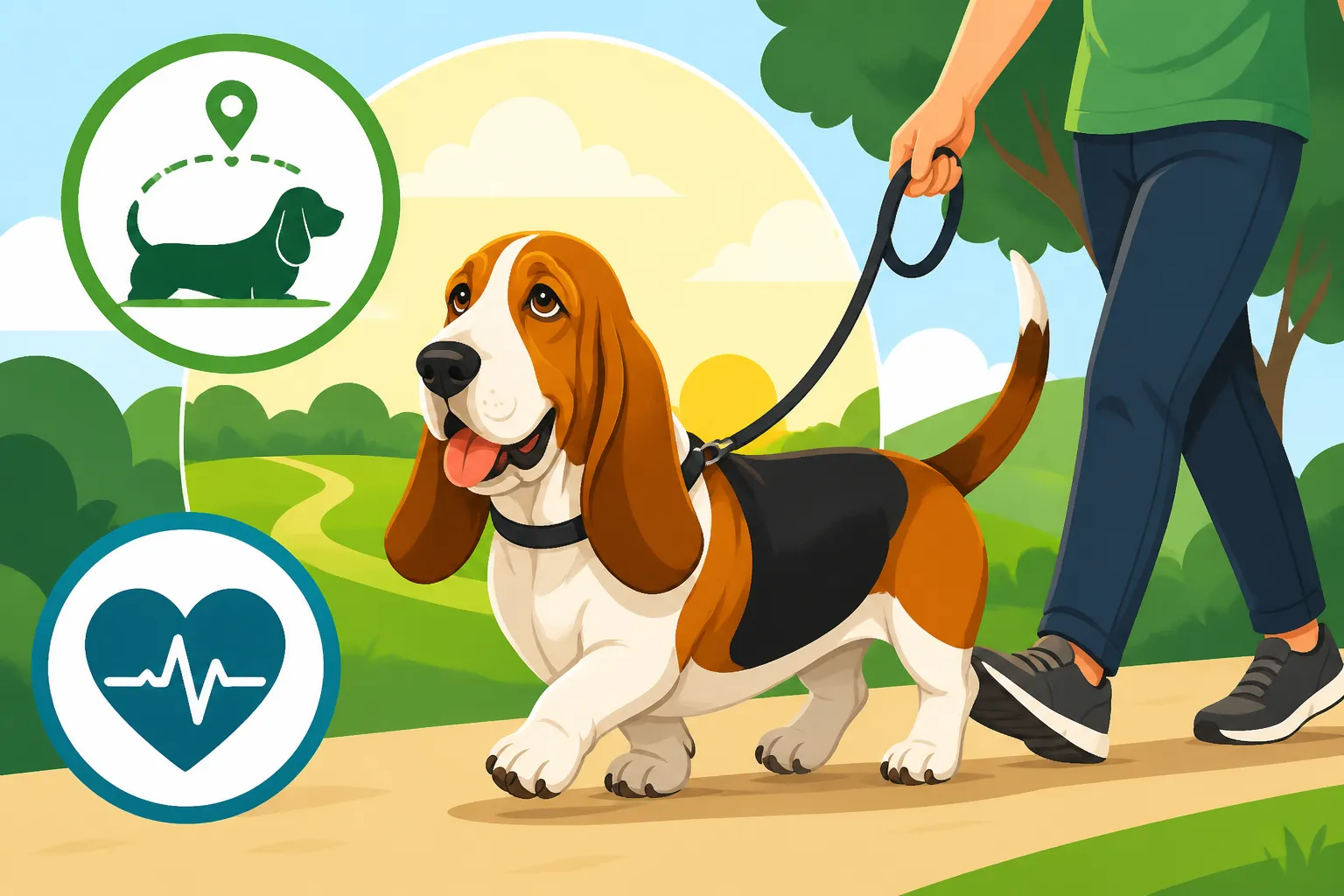
How Far a Basset Hound Should Walk
It's a common dilemma for Basset Hound owners: you want to keep your beloved hound healthy and happy, but how much exercise is too much, and how much is enough for their unique, low-slung build? Many of us worry about pushing them too far, or conversely, not providing enough activity for their well-being. This guide will dive deep into understanding the ideal walking distances and exercise routines tailored specifically for Basset Hounds, from playful puppies to wise old seniors.
Understanding the Basset Hound's Unique Physiology for Exercise
Before we even talk about steps or miles, it’s crucial to understand what makes a Basset Hound, well, a Basset Hound. Their distinctive physical characteristics, while undeniably charming, directly influence their exercise needs and limitations.
The Low Rider's Dilemma: Short Legs and Long Backs
Let's face it, those adorable, stubby legs and that long, majestic body are a Basset's trademark. But what looks cute on the outside presents some very real physical challenges. For a Basset Hound, covering the same ground as a long-legged breed requires significantly more steps. Imagine trying to keep up with someone with legs twice as long as yours – it's exhausting! This means a seemingly short walk for you might be a much more strenuous effort for your Basset.
Beyond the sheer number of steps, their body structure also puts unique stress on their joints and spine. That long back, while perfect for allowing their nose to follow a scent trail close to the ground, is inherently more vulnerable to injury, especially if subjected to high-impact activities or excessive strain. Many owners grapple with concerns about conditions like The Back Trouble a Basset Hound Is Built Into, and for good reason. It’s a constant tightrope walk between providing enough activity and protecting their delicate structure. Their weight, too, plays a huge role; a heavier Basset Hound puts even more pressure on those short limbs and long spine, exacerbating potential issues.
The Scent Hound's Drive: Why Their Nose Matters More Than Speed
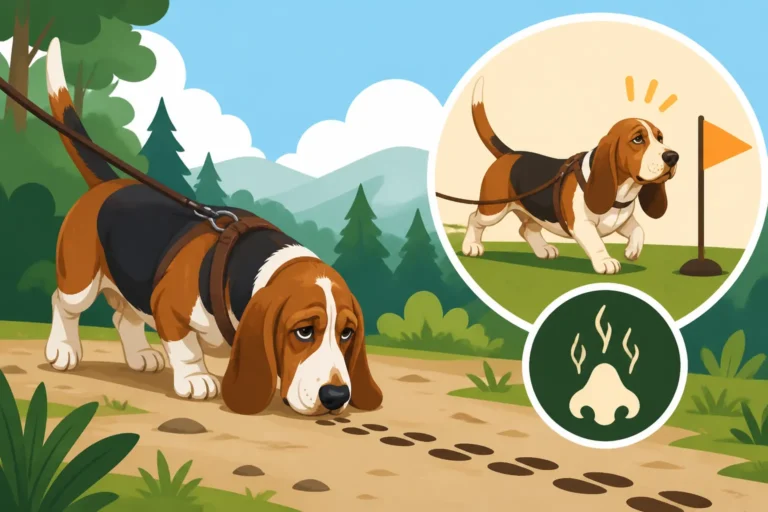
You might think exercise for any dog is all about running, jumping, and chasing. And while Basset Hounds can do those things in moderation, their true calling, their evolutionary purpose, lies in scent work. These dogs were bred for hours of slow, methodical tracking, with their incredible noses leading the way. Their exercise is often more mental than purely physical, driven by an insatiable desire to follow a trail.
When a Basset is on a scent, it's like the rest of the world fades away. They often appear to ignore everything else, including your calls, which can be frustrating but is completely normal for their breed. Why a Basset Hound Stops Hearing You When It Smells Something is not stubbornness; it's instinct kicking in with full force. For a Basset, a sniff-filled walk where they get to truly engage their nose is often far more enriching and tiring than a brisk jog around the block. They're not built for speed or endurance in the traditional sense, but for methodical exploration, one fascinating scent at a time. This innate drive means that the quality of their walk – the opportunity to sniff and investigate – often trumps the quantity of distance covered.
Puppyhood to Adulthood: Tailoring Walks by Age
Just like with humans, a Basset Hound's exercise needs evolve throughout their life. What's appropriate for a bouncy puppy can be detrimental, and what suits a wise senior might be boring for a young adult. Recognizing these stages and adjusting accordingly is key to a long, healthy life.
The Fragile Puppy: Gentle Introduction to Movement
Bringing home a Basset Hound puppy is an exciting time, full of wobbly legs and adorable snorts. But beneath that cute exterior are rapidly developing bones and joints that are highly susceptible to damage from over-exertion. It’s a critical period where too much, too soon, can lead to lifelong orthopedic problems. The common guideline, often called the "five-minute rule," is an excellent starting point: for every month of age, your puppy can handle five minutes of structured exercise, twice a day. So, a three-month-old puppy would get two 15-minute walks. This isn't a hard and fast rule, but a safe benchmark.
These early walks should be about exploration, socialization, and very gentle leash training, not forced marches. Pups need plenty of rest, and their bones are still growing and hardening. Activities like jumping off furniture or running excessively on hard surfaces can cause micro-traumas or even more serious developmental issues. You might wonder Whether a Basset Hound Puppy Should Be Kept From Stairs; generally, it's a good idea to limit stair climbing and jumping until their growth plates have closed, usually around 12-18 months of age, to protect their developing joints and spine. Short, frequent outings in the yard or a quiet park, allowing for lots of sniffing and meandering, are perfect for a Basset puppy.
The Adolescent Basset: Building Stamina Carefully
Once your Basset Hound moves past the initial puppy stage and into adolescence (roughly 6-18 months), their energy levels might seem to skyrocket. This is the time when they have more stamina, but it's still vital to be cautious. While their growth plates might be closing or have recently closed, their bodies are still maturing. This is the stage where you can gradually start to increase the duration and intensity of their walks, but always with an eye on their unique build.
A healthy adolescent Basset can often enjoy walks of 20-40 minutes, once or twice a day, depending on their individual energy and enthusiasm. The focus should still be on quality over speed. Incorporate opportunities for sniffing, gentle play, and maybe even some basic obedience training sessions during your outings. Think about varied terrains like soft grass or dirt trails, which are easier on their joints than pavement. Observe their cues: if they're lagging, sitting down, or panting excessively, it's time to head home. The goal is to build fitness without causing undue stress on their developing frame. They might have more energy, but they're not built for marathons or high-impact activities like agility with lots of jumps.
The Senior Stroll: Adapting to Age-Related Changes
As Basset Hounds age, typically starting around 7-8 years old, their exercise needs will naturally shift again. The Age a Basset Hound Counts as Senior can vary, but generally, you'll start noticing signs of slowing down. Arthritis, joint stiffness, and decreased stamina become more common. This doesn't mean they should stop exercising entirely; in fact, gentle, consistent movement is crucial for maintaining joint mobility, muscle tone, and a healthy weight.
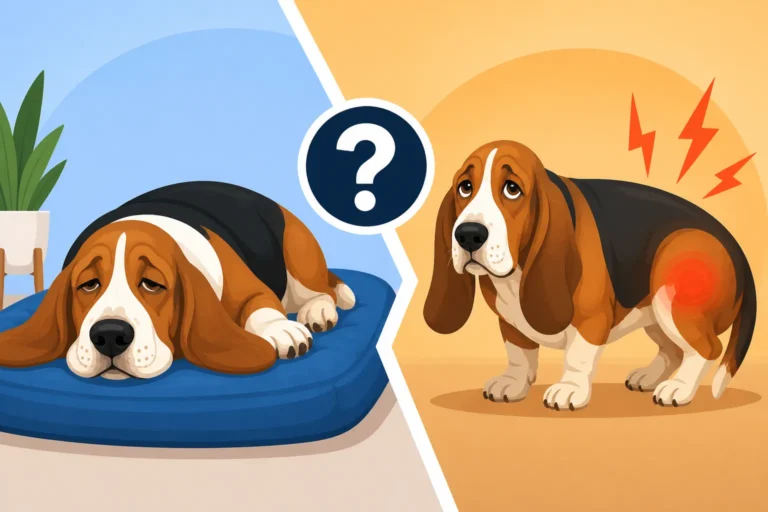
Walks for senior Basset Hounds should be shorter, more frequent, and at a much slower pace. Think of them as pleasant ambles rather than brisk walks. Two to three shorter walks of 10-20 minutes a day might be more beneficial than one long outing. Pay close attention to their body language. Are they limping? Struggling to keep up? Do they seem reluctant to start a walk, or stiff after returning home? These are all signs that you might need to adjust their routine further. You may notice The Old Basset Hound That Cannot Get Off the Floor after resting, indicating stiffness. Consider adding ramps around the house Whether a Basset Hound Should Use a Ramp and ensuring they have comfortable, orthopedic bedding to ease discomfort. Swimming (with a life vest, as Bassets aren't natural swimmers) or gentle leash walks on soft surfaces can be excellent, low-impact options for maintaining fitness in their golden years.
What Influences a Basset Hound's Ideal Walk Length
Determining the perfect walking distance for your Basset Hound isn't a one-size-fits-all equation. Several factors come into play, from their inherent personality to their health status and even the daily weather. It's a nuanced assessment that requires close observation and adaptability.
Individual Temperament and Energy Levels
Anyone who has spent time around Basset Hounds knows they come with a spectrum of personalities. While some are the quintessential couch potatoes, content with a leisurely sniff around the yard and a long nap, others possess a surprising amount of energy and an insatiable desire to explore. Your Basset’s individual temperament is a huge factor in how far they should walk.
Some Bassets, especially younger ones or those from working lines, might genuinely enjoy and benefit from longer, more engaging walks that allow them to follow scent trails. For these hounds, a 45-minute to an hour-long walk, peppered with plenty of sniffing opportunities, might be their happy place. Others, however, will be perfectly content with 20-30 minutes of gentle pottering, particularly if it's combined with mental stimulation indoors. The key is to observe your dog. Do they eagerly greet you at the leash? Do they get restless if they haven't had enough activity? Or do they quickly lose interest and try to turn back towards home? Tailor the walk length to what makes them happy and tired, not exhausted or sore.
Health Considerations: Weight, Joints, and Breathing
A Basset Hound's health status is perhaps the most critical determinant of appropriate exercise levels. Their unique build, while charming, predisposes them to certain health challenges that directly impact their ability to walk comfortably and safely.
- Weight: This is a big one. An overweight Basset Hound carries extra strain on those already vulnerable joints and long spine. What Extra Weight Does to a Basset Hound is significant, leading to increased risk of arthritis, disc problems, and reduced mobility. If your Basset is carrying too many pounds, even a short walk can be taxing. Your vet will likely recommend a weight loss plan, and part of that will be controlled, gentle exercise combined with dietary adjustments. How Much a Basset Hound Should Eat is often less than owners think, especially if they are not very active.
- Joint Conditions: Bassets are unfortunately prone to orthopedic issues like Elbow Dysplasia in a Basset Hound and hip dysplasia. These conditions cause pain and inflammation, making prolonged walking uncomfortable or even harmful. Dogs with diagnosed joint issues will need shorter, perhaps more frequent, walks on soft surfaces. Medications, supplements, or physical therapy might also be part of their management plan, and your vet will be the best guide for appropriate exercise.
- Spinal Issues: Intervertebral Disc Disease (IVDD) is another serious concern for long-backed breeds. Intervertebral Disc Disease in a Basset Hound can cause severe pain, nerve damage, and even paralysis. Dogs with a history of IVDD or those showing early signs of back pain need extremely careful exercise management, often limiting sudden movements, jumping, and prolonged activity.
- Breathing and Heat Tolerance: While not typically a brachycephalic (short-nosed) breed, Basset Hounds can still struggle in hot, humid weather due to their heavy build and sometimes somewhat pendulous flews that can make breathing more labored when overexerted. Always be mindful of the temperature and humidity, and adjust walk times to cooler parts of the day.
Environmental Factors: Weather and Terrain
The world outside your door plays a significant role in how far your Basset Hound can comfortably walk. You might have the most energetic Basset in the world, but Mother Nature can quickly put a damper on their ambitions.
- Weather: Extreme heat or cold can quickly make a typical walk unsafe or uncomfortable. In summer, the heat can lead to overheating and exhaustion, especially on hot pavement which can burn their sensitive paw pads. Always check the pavement temperature with the back of your hand. If it's too hot for you, it's too hot for them. Opt for early morning or late evening walks. In winter, while their dense coat offers some protection, their low-slung bodies can easily get wet and cold, especially if walking through snow or slush. Their chest can drag, getting them soaked, and road salt can irritate their paws. A doggy coat or boots might be necessary for longer outings in frigid temperatures.
- Terrain: The surface you walk on matters immensely for a Basset Hound. Hard surfaces like concrete and asphalt provide little shock absorption and can be jarring on their joints over longer distances. Softer surfaces like grassy fields, dirt trails, or wooded paths are much kinder to their legs and spine. Uneven terrain can also be a challenge; while it offers good muscle engagement, extreme inclines or rocky paths can be risky for their long backs and short legs, increasing the chance of twists or strains. Always choose paths that minimize impact and potential for awkward movements.
Beyond the Leash: Diverse Exercise Options for Basset Hounds
While walks are a staple, focusing solely on distance covered on a leash misses a huge part of what makes a Basset Hound happy and healthy. These aren't marathon runners; they're scent machines and companion animals. Diversifying their exercise routine is crucial for their physical and mental well-being.
Scent Work and Nose Games: The Ultimate Basset Workout
If there's one thing a Basset Hound lives for, it's putting that magnificent nose to work. Engaging them in scent-based activities is not just fun; it's mentally exhausting and provides a fantastic form of exercise without putting undue stress on their physical structure. For a Basset, a good sniff is like solving a complex puzzle. You might be surprised Whether Nose Work Tires a Basset Hound Out – it absolutely does!
Think about introducing things like:
- Snuffle Mats: These fabric mats with hidden nooks and crannies are perfect for scattering kibble or treats. Your Basset will spend considerable time sniffing, nudging, and digging to find every last morsel. You can find many options on Amazon, ranging from simple designs to elaborate puzzles.
- Hide-and-Seek: Hide treats (or even yourself!) around the house or yard and encourage your Basset to find them using their nose. Start easy and gradually increase the difficulty.
- "Find It" Games: Toss a favorite toy into tall grass or behind a bush and command your Basset to "find it." The thrill of the hunt, even for a familiar object, is highly rewarding.
- Tracking Games: If you're feeling adventurous, you can even lay simple scent trails using a strong-smelling treat. Drag a piece of hotdog across the grass for a few feet, then hide the hotdog at the end. Let your Basset follow the trail. This taps directly into their deepest instincts and is incredibly satisfying for them. These activities tire their minds and bodies in a way that running around simply cannot.
Structured Play and Short Bursts of Activity
While Basset Hounds aren't typically known for their athleticism, they do enjoy bursts of play. The key is to keep it low-impact and short. Long, sustained running or jumping can be detrimental, but short, controlled play sessions can be wonderfully enriching and help them burn off some steam.
Consider activities like:
- Gentle Fetch: Use a soft toy and keep throws short, allowing them to trot or saunter to retrieve. Avoid throwing up hills or making them jump.
- Tug-of-War (with caution): A gentle game of tug can be a great way to bond and provide some exercise, but avoid vigorous tugging that could strain their neck or back. Always ensure they understand the "drop it" command.
- Supervised Yard Time: If you have a securely fenced yard, allow them time to potter around, sniff, and explore at their own pace. This free exploration is less structured than a walk but still provides valuable mental and physical stimulation. Just remember their talent for escape artists if motivated by a compelling scent! You might be surprised to learn Whether a Basset Hound Needs Any Real Exercise – they do, but it's often more about mental engagement than high-intensity physical output.
Training and Enrichment: Mental Stamina for Physical Health
A tired mind is often just as effective as a tired body, and for Basset Hounds, mental stimulation is paramount. Regular training sessions, even short ones, can be incredibly enriching and tiring. This is where you can capitalize on their intelligence (yes, Bassets are intelligent, even if they sometimes choose not to show it!).
- Obedience Training: Enrolling in a positive reinforcement obedience class, or simply practicing commands at home, provides mental exercise. Learning new cues or perfecting old ones requires focus and concentration, which can be surprisingly tiring for a dog. Resources like BAXTER & Bella offer online puppy and dog training programs that emphasize positive methods, which are fantastic for Basset Hounds who don't respond well to harsh corrections. Their approach can help you tap into your Basset's innate desire to please (when treats are involved!) and provide structured mental workouts.
- Puzzle Toys: These toys require your dog to manipulate them to get a treat, offering a fantastic mental challenge. Kongs stuffed with peanut butter or wet food, frozen to prolong the activity, are classic choices.
- Interactive Feeders: Instead of just putting food in a bowl, use an interactive feeder or scatter their kibble around the room. This makes mealtime a game, turning eating into a rewarding mental and physical exercise. It also helps with slower eating, which can be beneficial.
By combining traditional walks with these diverse enrichment activities, you'll ensure your Basset Hound is not only physically healthy but also mentally stimulated and happy, leading to a much more contented companion.
Common Misconceptions and Troubleshooting Walking Woes
Living with a Basset Hound often means encountering unique challenges and dispelling popular myths. When it comes to walks, there are specific behaviors and perceptions that owners often grapple with, making it essential to understand the "why" behind their actions.
The Myth of the "Lazy Basset Hound"
Ah, the "lazy Basset Hound" stereotype. It's pervasive, often leading people to believe these dogs are content doing nothing but snoozing on the couch all day. While many Bassets certainly excel at napping, it's a huge misconception to label them as inherently lazy without exploring the underlying reasons for their reluctance to move. Often, what appears to be laziness is actually a sign of discomfort, disinterest, or simply their natural pace.
If your Basset Hound seems overly reluctant to walk, or Whether a Basset Hound Refuses to Move mid-stroll, it's critical to rule out physical discomfort first. Could they be experiencing joint pain from arthritis, especially as they age? Is their back bothering them, a common issue for the breed? Are their paw pads sore from hot pavement or rough terrain? Sometimes, seemingly minor issues like overgrown nails can cause discomfort, making every step painful. Always consult your veterinarian if you notice a sudden or persistent change in their willingness to exercise. Once physical issues are ruled out, it might simply be that the walk isn't stimulating enough for them. A long, boring walk on pavement might not appeal to their scent-driven nature as much as a shorter, more interesting one in a park.
Encouraging Movement in a Reluctant Walker
So, you've ruled out medical issues, but your Basset still gives you the "do I have to?" look when you grab the leash. Don't despair! There are many ways to encourage movement, tapping into their natural motivations.
- Motivation is Key: Basset Hounds are often highly food-motivated. High-value treats can be incredibly effective motivators for reluctant walkers. Use them to lure your Basset forward, reward sustained walking, or simply make the experience more positive.
- Follow the Nose: Instead of focusing on a straight path, let your Basset lead you (within safe limits, of course) to interesting scent patches. Allow them ample time to investigate. These "sniffaris" are incredibly mentally enriching and, surprisingly, physically tiring.
- Change of Scenery: Sometimes, a new environment is all it takes. A walk around a different block, a local park, or a nature trail can offer a fresh array of smells and sights that reignite their interest.
- Praise and Encouragement: While food is powerful, don't underestimate the power of positive reinforcement. Enthusiastic praise and gentle petting when they are moving well can reinforce good walking habits.
- Short and Sweet: If long walks are a struggle, break them up into multiple shorter sessions throughout the day. Consistency with shorter, positive experiences is better than infrequent, forced long walks.
- The Power of a Companion: Sometimes, the presence of another dog, especially one who enjoys walking, can motivate a reluctant Basset. They might find the social aspect or the "pack" mentality more appealing.
Preventing Over-Exertion and Injury
It’s just as important to know when to stop as it is to know when to start. Over-exertion can lead to injuries, heatstroke, or exacerbate existing health conditions. Preventing these issues is paramount for your Basset's long-term health.
- Know the Signs of Fatigue: Look for excessive panting, lagging behind, sitting down frequently, stumbling, bright red gums or tongue, or a desperate search for shade. If you see these, it's time to end the walk immediately, find a cool spot, and offer water.
- Warm-ups and Cool-downs: Just like human athletes, dogs benefit from a brief warm-up and cool-down. Start with a slow pace for the first few minutes, gradually increasing. End with a slow stroll, allowing their heart rate to normalize before heading inside.
- Hydration: Always carry water, especially on longer walks or in warmer weather. Offer water frequently, even if they don't seem thirsty.
- Appropriate Gear: A well-fitting harness is usually better than a collar for a Basset Hound, as it distributes pressure evenly across their chest and avoids straining their neck or throat, especially if they tend to pull when on a scent.
- Listen to Your Vet: If your Basset has a known health condition, always follow your veterinarian's recommendations for exercise. They can provide tailored advice based on your dog's specific needs. For example, a Basset with back issues may require very strict limitations on jumping, twisting, and prolonged walking. Remember that Whether a Basset Hound Should Be Lifted Under the Chest or supported in other ways might become necessary, especially if they are sore or elderly.
By being mindful of these factors and listening to your Basset Hound, you can create an exercise routine that keeps them healthy, happy, and well-adjusted throughout their wonderfully unique lives.
Basset Hound Walking Guidelines by Life Stage
To help you visualize how a Basset Hound's walking needs change, here's a general guideline. Remember, these are averages, and your individual Basset may vary!
| Life Stage | Recommended Daily Walking Duration (Approx.) | Frequency Per Day | Focus & Considerations |
|---|---|---|---|
| Puppy (2-6 months) | 10-20 minutes total | 2-3 short sessions | Short, gentle sniff-walks. Avoid stairs, jumping, and hard surfaces. Prioritize socialization, potty breaks, and exploration. Use the "5-minute rule" per month of age. Protect growing joints. |
| Adolescent (6-18 months) | 30-60 minutes total | 1-2 longer sessions | Gradually increase duration and variety of terrain. Continue to avoid high-impact activities. Incorporate scent games. Watch for signs of fatigue. Focus on mental stimulation as much as physical. |
| Adult (1.5-7 years) | 45-90 minutes total | 1-2 longer sessions | Can handle longer walks if healthy and conditioned. Prioritize varied terrain and scent opportunities. Monitor weight. Can include gentle, short bursts of play. Always assess individual energy and health. Keeping a Basset Hound at Its Correct Weight is crucial during this stage. |
| Senior (7+ years) | 20-40 minutes total | 2-3 shorter sessions | Gentle, slow ambles. Focus on maintaining mobility and muscle tone without pain. Adjust for arthritis, heat, and other health conditions. Soft surfaces preferred. Consider hydrotherapy or physical therapy. Prioritize comfort and mental enrichment. |
This table is a general guide. Always adjust based on your dog's specific health, energy levels, and the weather conditions.
Disclaimer
This article is for general informational purposes only and does not constitute professional advice. Laws, prices and regulations vary by location and change over time. Consult a qualified professional for guidance on your specific situation.